Fishing in North Carolina
- Lakes
- 1,522
- Rivers
- 9,368
- Access
- 440
- Boat Ramps
- 508
- Shops
- 133
North Carolina is two fishing states stitched together: a southern Appalachian trout country in the west and a vast estuarine system in the east, and you can drive from one to the other in a long morning.
The fishing culture reflects that span — and right now, so does the recovery work.
Hurricane Helene tore through the western mountains in September 2024, killed more than 600,000 hatchery trout at the Armstrong facility, and scoured riparian corridors across dozens of streams.
The NCWRC reduced and rerouted its 2025 stocking, and Setzer's renovation will keep production tight through 2028. Before you head west, check the agency's stream access and stocking maps.
The mountains run on a careful taxonomy of water — wild, hatchery-supported, and delayed harvest (catch-and-release October through early June, harvest from June 1 to September 30) — and most serious anglers can recite it.
The Davidson, in Pisgah, is the technical river: a fly-fishing-only, catch-and-release section where the big browns key on sculpins and crayfish more than mayflies, with a roughly two-week Green Drake window in May and a Great Autumn Brown Sedge emergence that's arguably the best shot at a trophy.
The Nantahala, an eight-mile tailwater below the lake near Bryson City, stays cold enough to fish for trout in midsummer when most of the Southeast is cooked.
The Tuckasegee anchors the Western North Carolina Fly Fishing Trail through Dillsboro and Sylva — Blue Winged Olives most of the year, Cinnamon Caddis in their season, and stocked rainbows, browns, and brookies across some twenty miles.
On the Qualla Boundary, the Eastern Band of Cherokee runs the largest managed trout fishery in the eastern US; the Raven Fork trophy section holds rainbows and browns in the 20-to-30-inch range, and you'll need a tribal permit, not a state license.
East, the scale changes. Pamlico Sound is the largest lagoon on the East Coast, and the fall bull red drum fishery at the mouths of the Neuse and Pamlico rivers is strictly catch-and-release for fish that may be older than the angler holding them.
From late June into August, schools of 100-to-150-pound tarpon push through on heavy tackle — not the Florida sight game, something blunter.
Locals call striped bass "rockfish," and they take it personally; the Roanoke harvest is closed by proclamation in 2026 while a tagging program pays $100 for returns.
Inland, Kerr Lake on the Roanoke produces honest 3-to-4-pound largemouth and the kind of blue catfish that rewrite record books — the state record, 127 pounds 1 ounce, came out of the Roanoke in 2021.
Top waters to fish near North Carolina
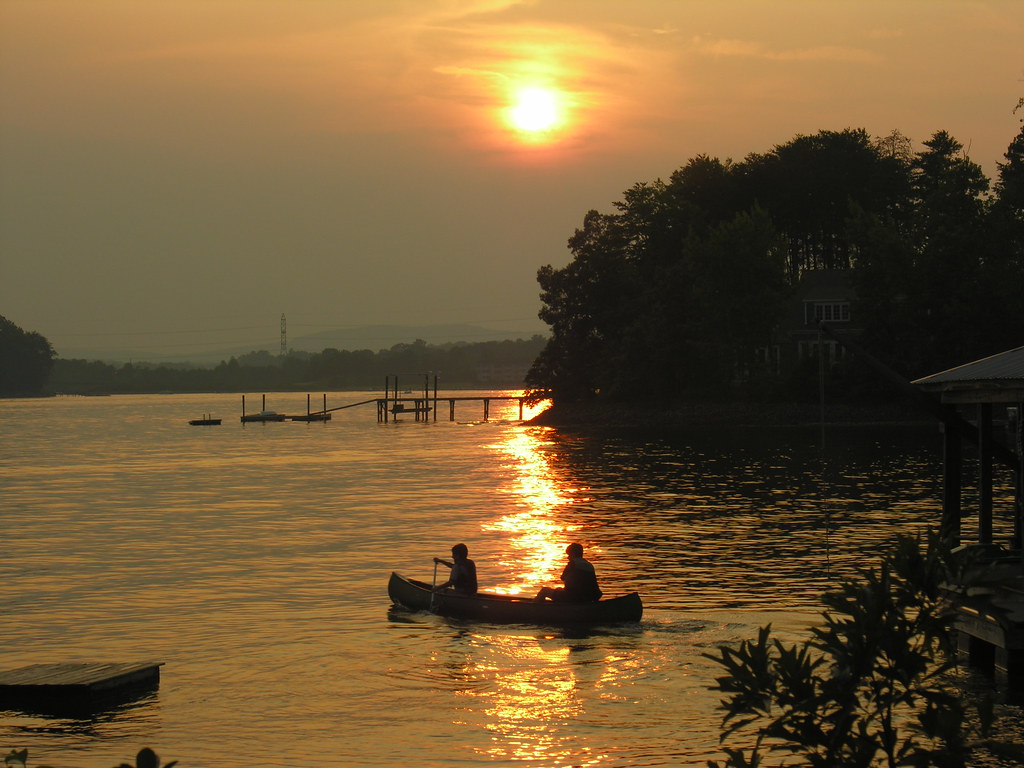
Lake Norman
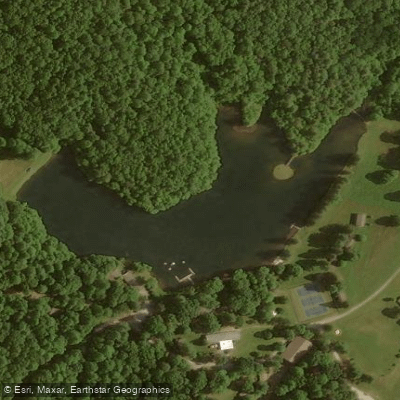
High Rock Lake
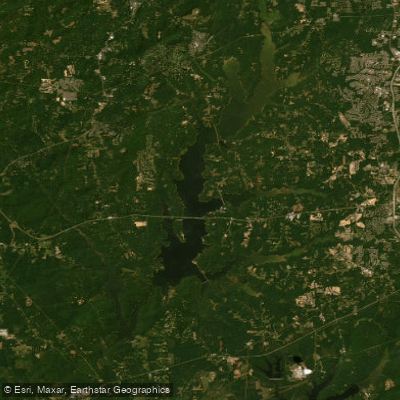
B Everett Jordan Lake
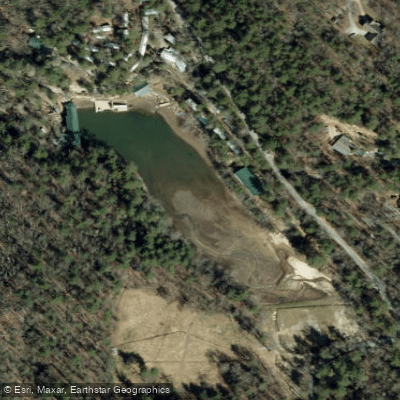
Lake Falls
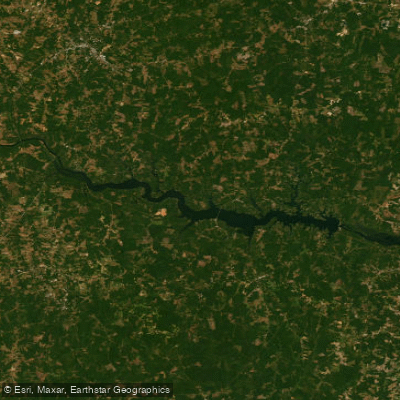
Lake Gaston
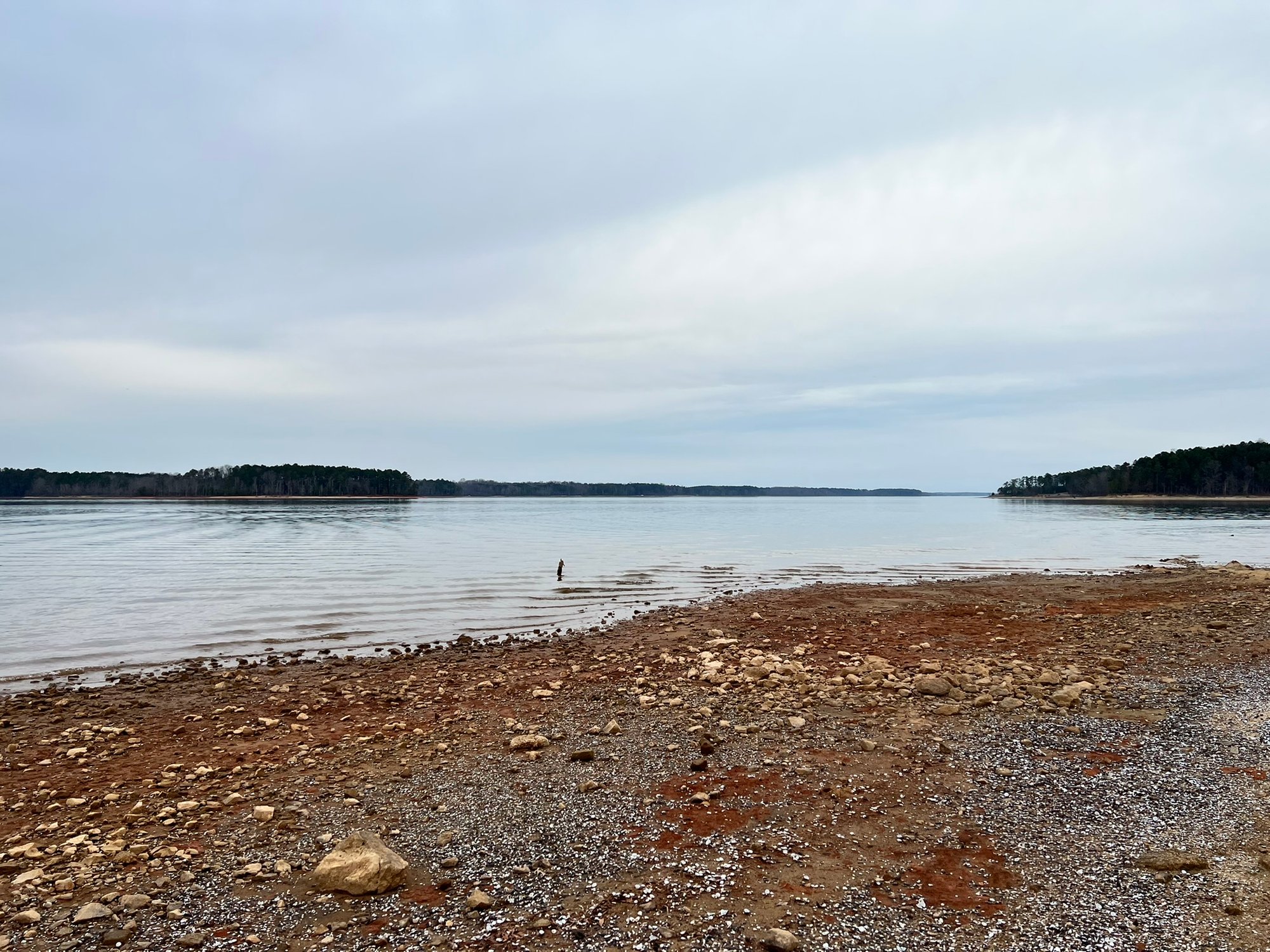
John H. Kerr Reservoir
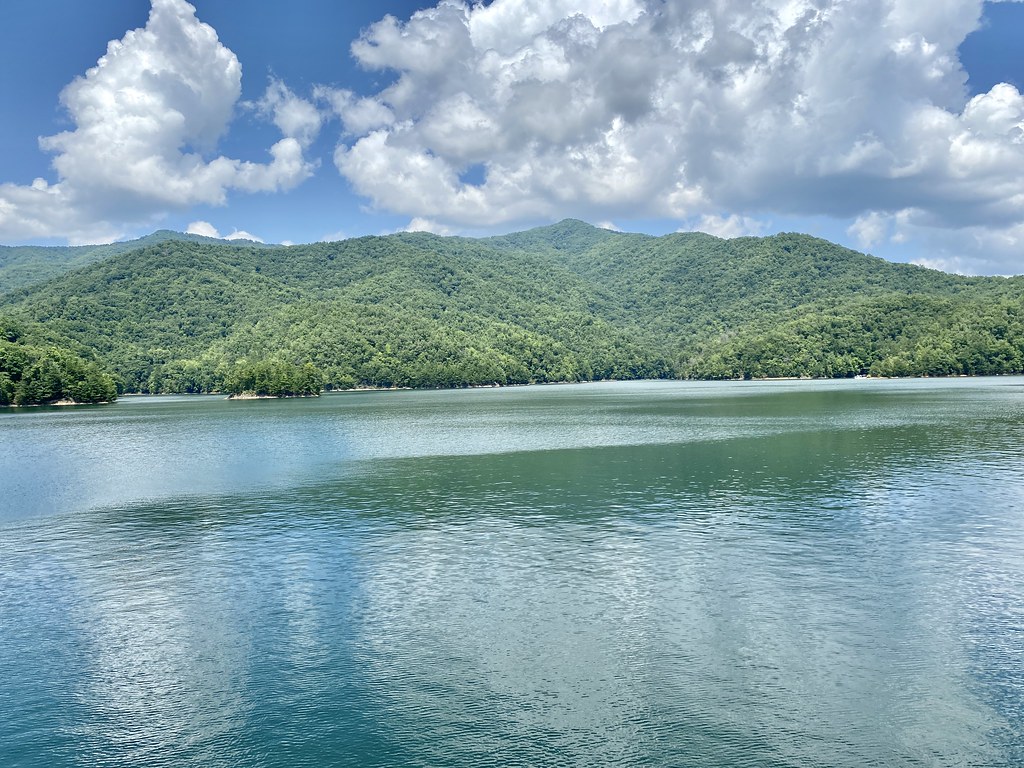
Fontana Lake
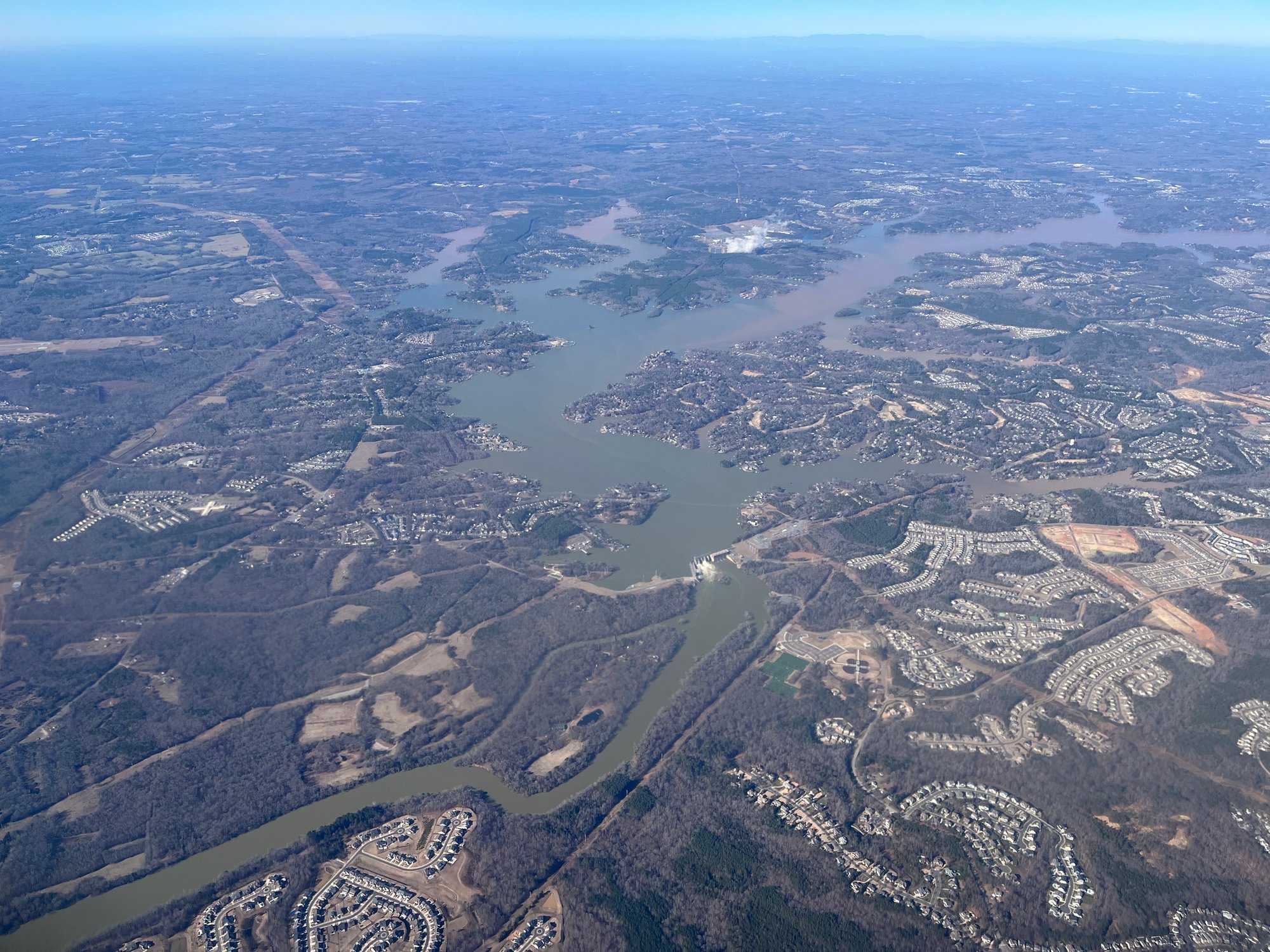
Lake Wylie
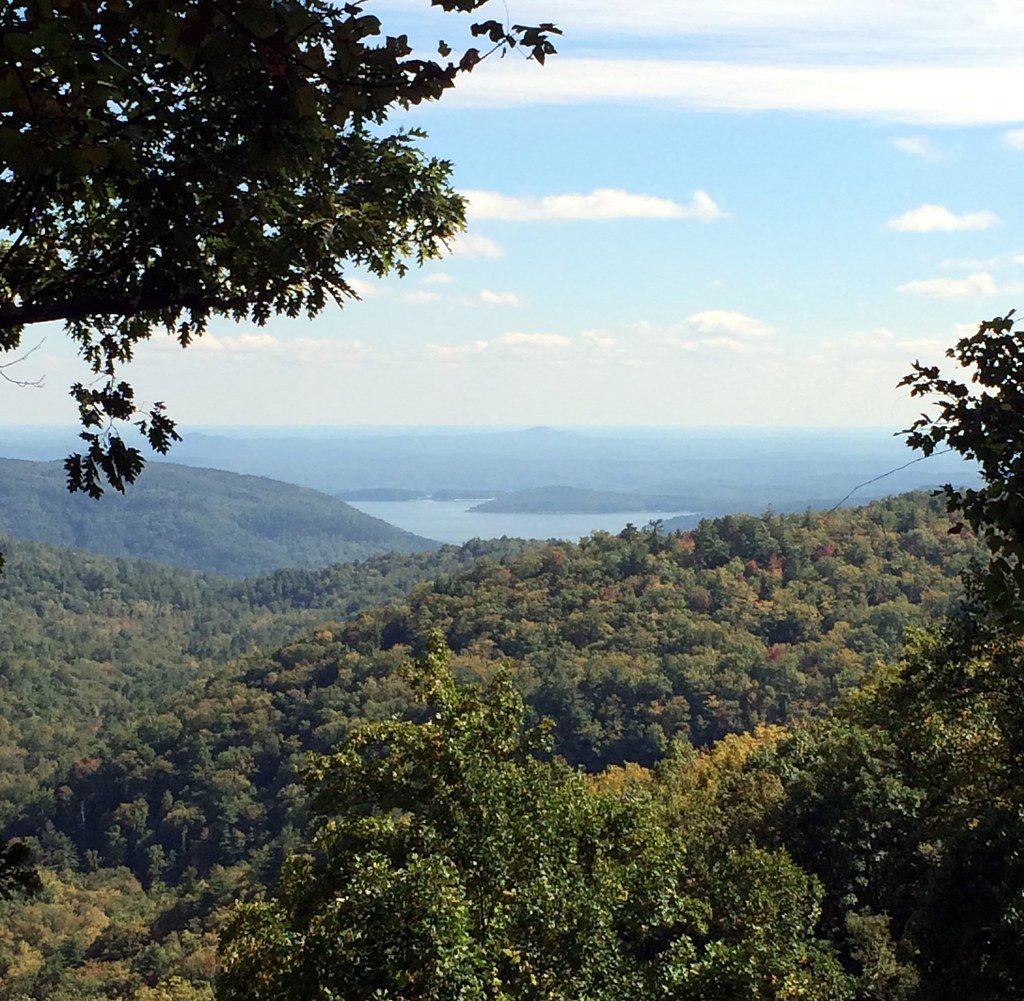
Lake Jocassee
Chatuge Lake
Species & education
Learn what type of fish are in North Carolina and what's needed to catch them.

Find which waters have the species you want to catch

Largemouth Bass
Micropterus salmoides

Smallmouth Bass
Micropterus dolomieu

Rainbow Trout
Oncorhynchus mykiss

Brown Trout

Brook Trout
Salvelinus fontinalis

Muskellunge

Walleye

Black Crappie
Pomoxis nigromaculatus

Alewife
Alosa pseudoharengus

American Eel
Anguilla rostrata

American Shad
Alosa sapidissima

Atlantic Croaker
Micropogonias undulatus

Atlantic Sturgeon

Bighead Carp
Hypophthalmichthys nobilis

Bigmouth Buffalo
Ictiobus cyprinellus

Black Buffalo
Ictiobus niger

Black Bullhead
Ameiurus melas

Black Drum
Pogonias cromis

Blacknose Dace
Rhinichthys atratulus, Rhinichthys obtusus
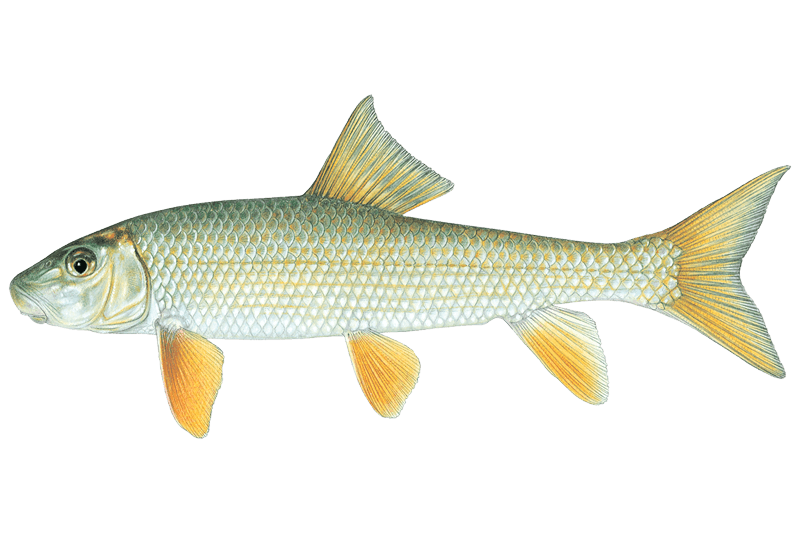
Black Redhorse
Moxostoma duquesnei

Blue Catfish
Ictalurus furcatus

Bluefish
Pomatomus saltatrix
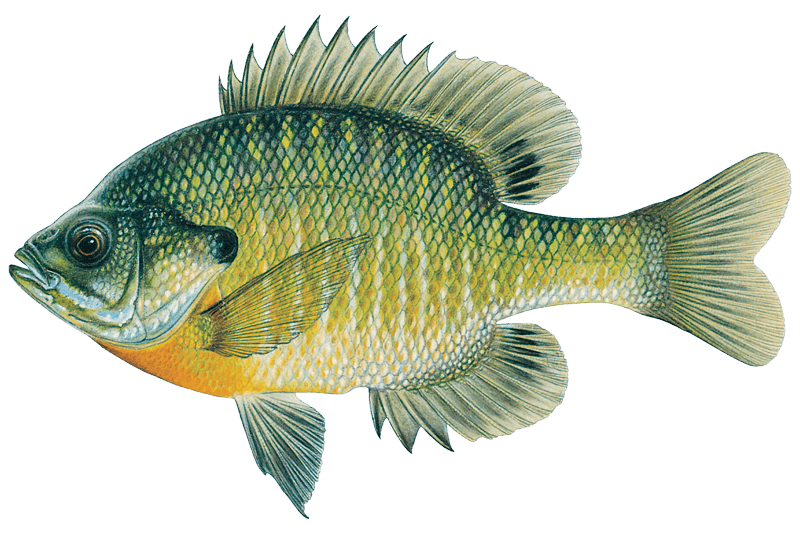
Bluegill Sunfish

Bowfin
Amia calva

Brown Bullhead
Ameiurus nebulosus

Chain Pickerel
Esox niger

Channel Catfish
Ictalurus punctatus

Common Carp
Cyprinus carpio

Creek Chub
Semotilus atromaculatus
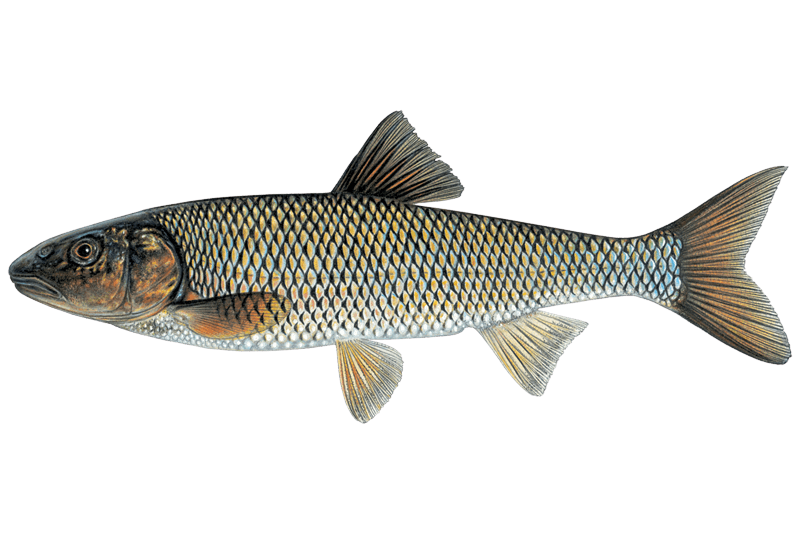
Fallfish
Semotilus corporalis

Flathead Catfish
Pylodictis olivaris

Flier
Centrarchus macropterus

Freshwater Drum
Aplodinotus grunniens

Gizzard Shad
Dorosoma cepedianum

Golden Redhorse
Moxostoma erythrurum

Grass Carp
Ctenopharyngodon idella

Green Sunfish
Lepomis cyanellus

Hickory Shad
Alosa mediocris

King Mackerel
Scomberomorus cavalla

Longear Sunfish
Lepomis megalotis
Fishing guides in North Carolina
Book a trip with a local fishing guide through Guidesly.

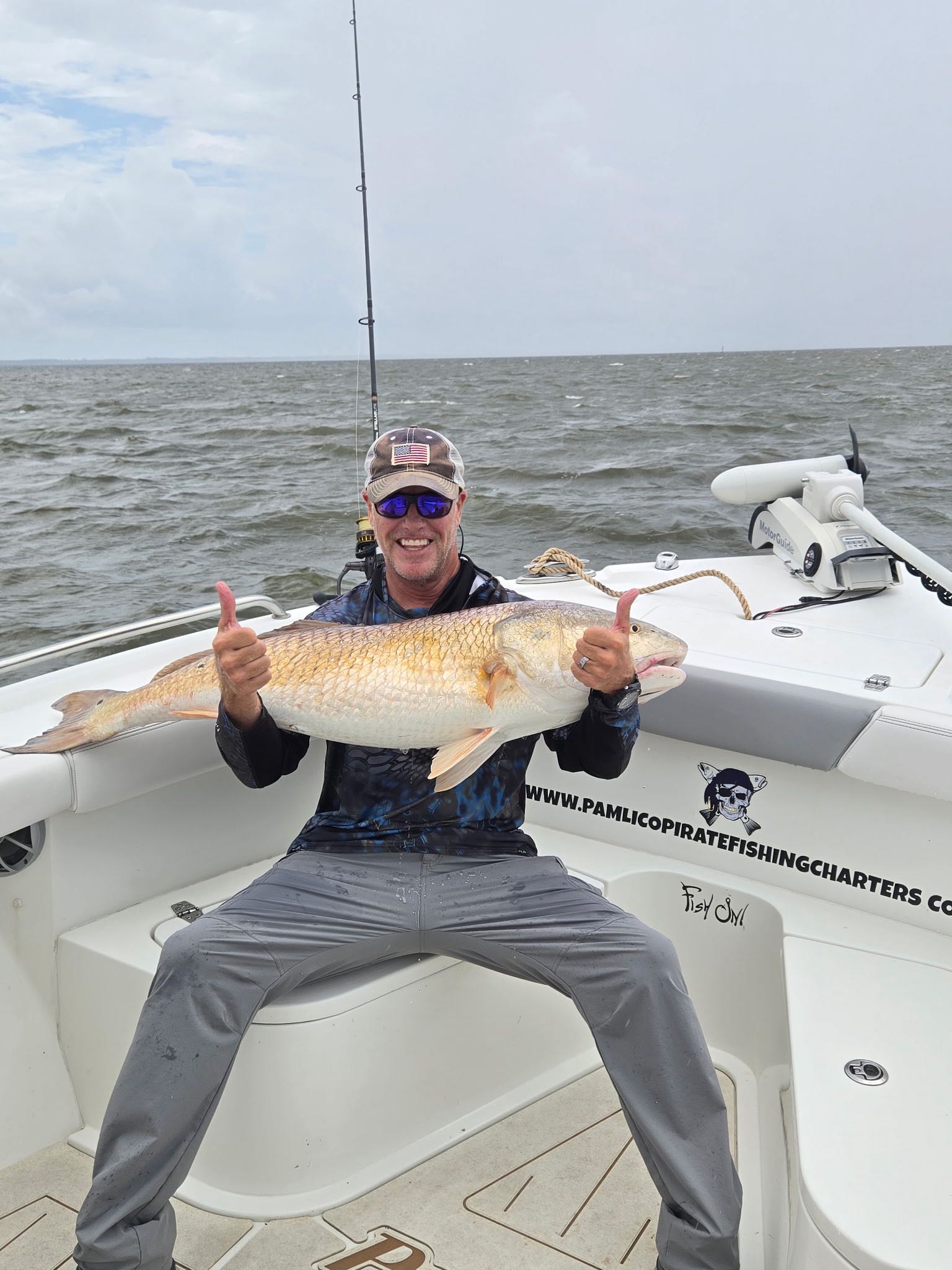
Dave Hegel
Pamlico Pirate Fishing Charters
4.9 (32 reviews)
The Ultimate North Carolina Fishing Trip!
Book on Guidesly, opens in new tab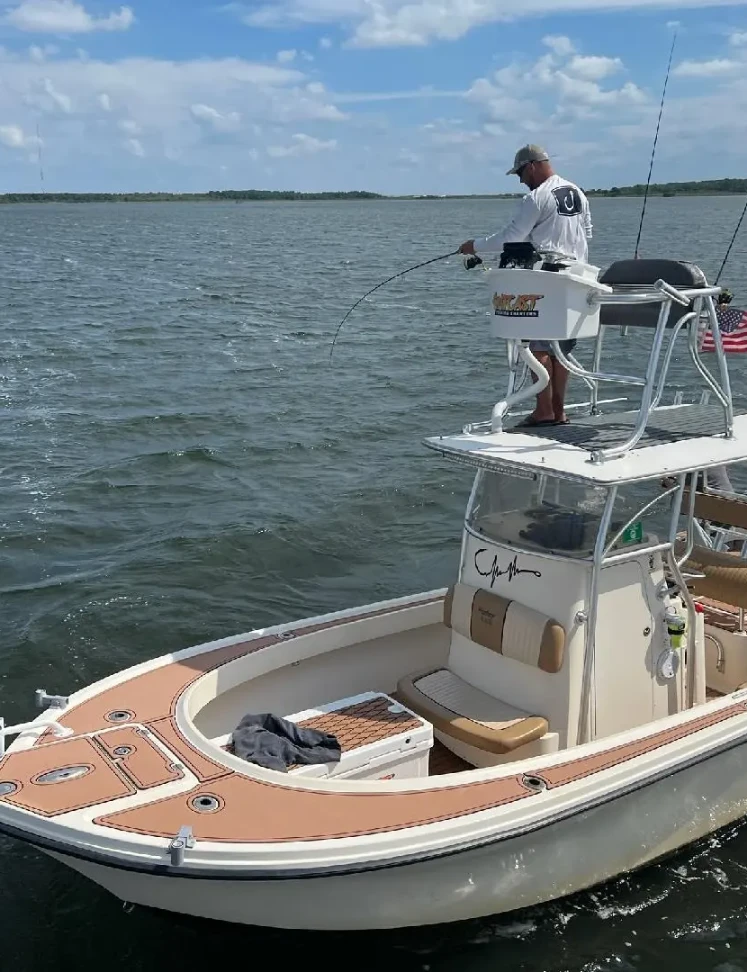
Lance Luke
Outcast Fishing Charters OBX LLC
5.0 (17 reviews)
Premier Fishing Charter In OBX - Wanchese, NC
Book on Guidesly, opens in new tab
Ed Elliott
Lucky Strike Charters
5.0 (17 reviews)
Discover the Hidden Gems of Myrtle Beach's Fishing
Book on Guidesly, opens in new tab
Marc Gioeli
Cats on the Rock Guide Service
4.5 (17 reviews)
Catfish Guide on High Rock Lake NC
Book on Guidesly, opens in new tab
Daniel Powell
Badfish Fishing Charters
5.0 (11 reviews)
Adventures of Snead's Ferry Fishing Charters!
Book on Guidesly, opens in new tab
Richard and Kristen Maleshefski
Lizardfish Charters and Island Adventures
5.0 (10 reviews)
Hook you Adventure at Cedar Point Fishing Charter!
Book on Guidesly, opens in new tab
Fish smarter with real-time insights
Whether you're en route and conditions shift or you're looking for the best spot based on current flows, we enable you to make informed decisions on the fly.







North Carolina licenses and regulations

North Carolina Boating Regulations
When using any type of watercraft to access a body of water, it is important to follow all federal, state, and local rules and regulations. These rules and regulations include boat permitting and licensing, invasive species inspections and stamps, life jacket and PFD rules, motor size and horsepower restrictions, noise limitations, restrictions on personal watercraft, and many more. Visit the web link below for the most current rules and regulations for this body of water.

North Carolina Fishing License
Youth under age 16 are exempt from the requirements of any fishing license and trout privilege license.

North Carolina Fishing Regulations
This river has a variety of species and regulations, including potential floating and/or watercraft restrictions. Because this river is specially managed for species, seasons, angling methods, and watercraft, it is strongly encouraged you check all federal, state, and local regulations before fishing. Visit any of the links below, inquire locally, or contact a local fly shop to learn current regulations and restrictions.

North Carolina Stream Access Laws
If a boater can float the water, it is navigable and can be used for recreation. Navigable waters are in the public trust, including streambeds. If the navigable water is tidal, public use extends to all waters that cover an average high tide.
National parks in North Carolina
Explore North Carolina waters
Smarter Fishing Starts in the App.
onWater Fish gives you everything you need to plan smarter, fish better, and own every trip from first cast to last.