Fishing in Great Smoky Mountains National Park
- National Park
- Open 24 hours
- Lakes
- 2
- Rivers
- 788
- Access
- 51
- Boat Ramps
- 1
- Shops
- 0
- Species
- 15
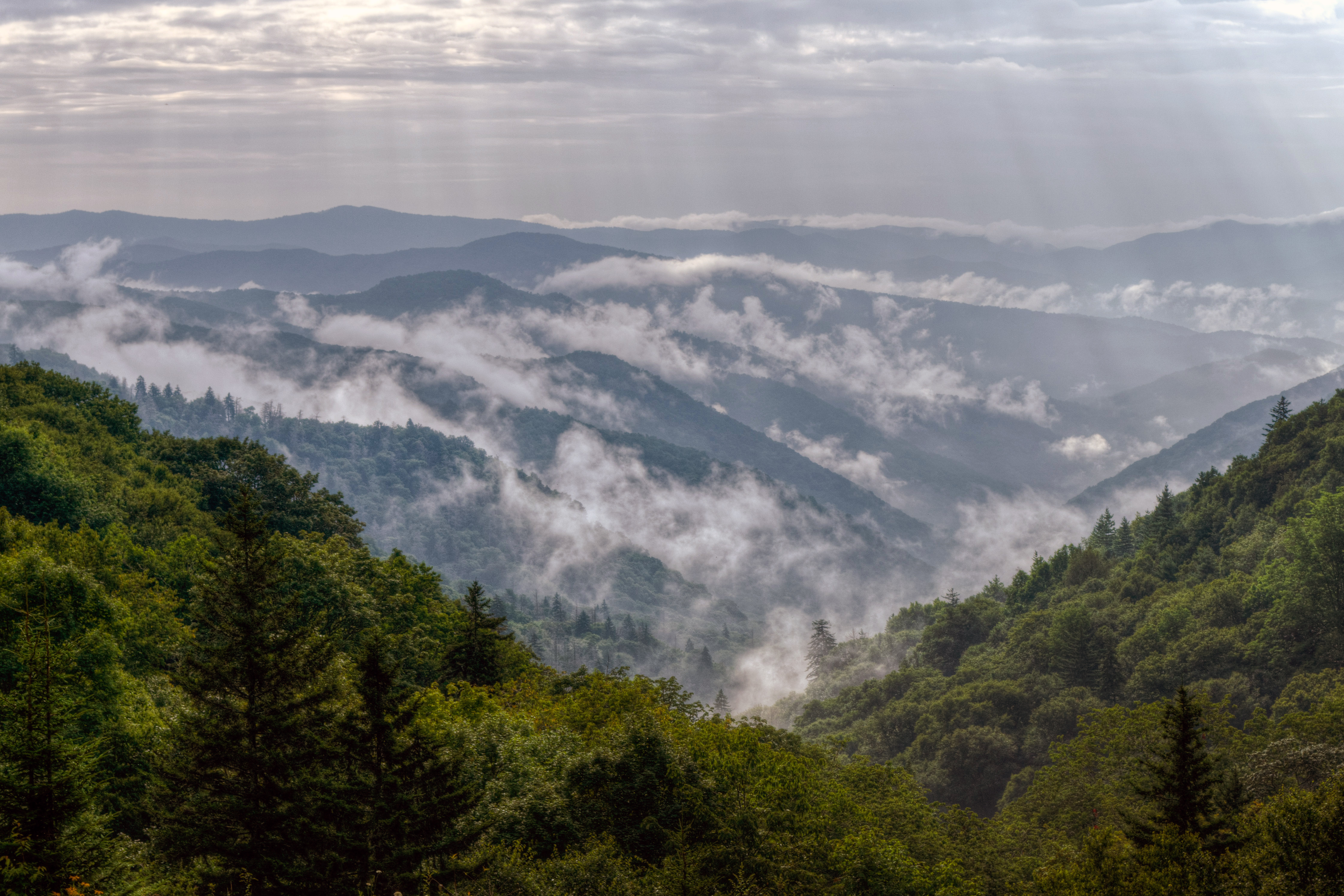
Great Smoky Mountains National Park straddles the Tennessee–North Carolina border along the spine of the southern Appalachians, and water defines it as much as the ridgelines do.
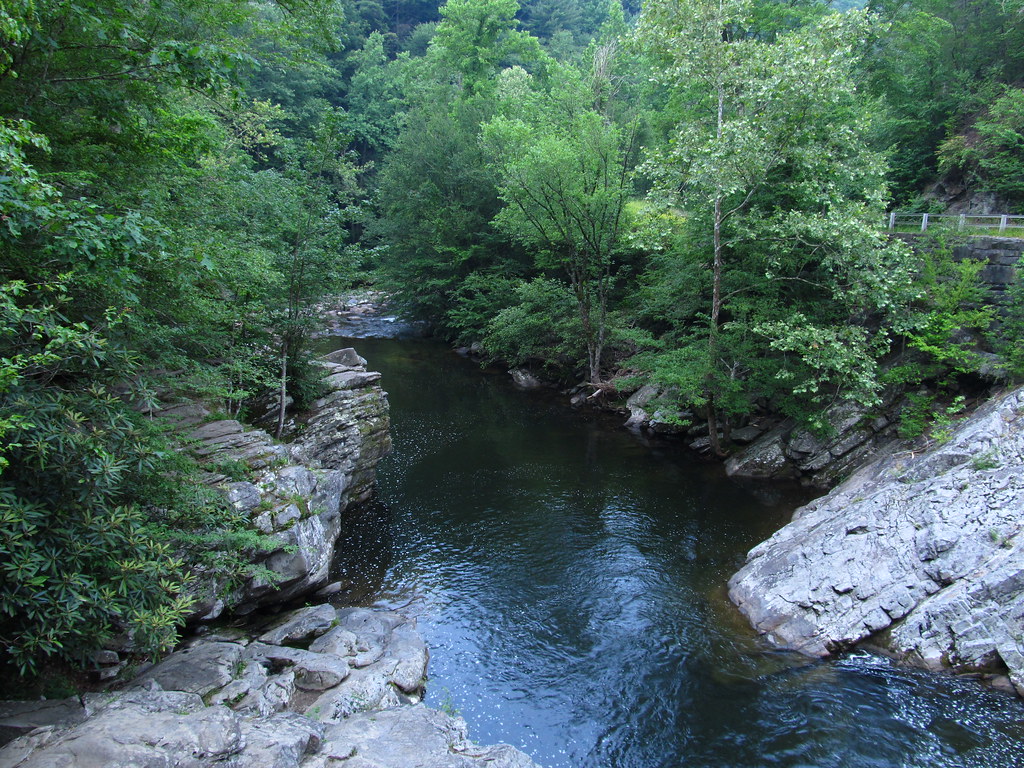
The park holds hundreds of miles of fishable streams — freestone runs, plunge pools, pocket water, and rhododendron-shaded headwaters — draining both sides of the divide.
Brook, brown, and rainbow trout are the primary targets, along with native smallmouth bass in the larger, lower-elevation streams. The fishing here is not about size.
These are wild, stream-bred fish in cold, nutrient-limited mountain water, and a good day typically means a dozen fish in the 7–10 inch range on dry flies. No stocking occurs inside the park. Every fish you land was born there.
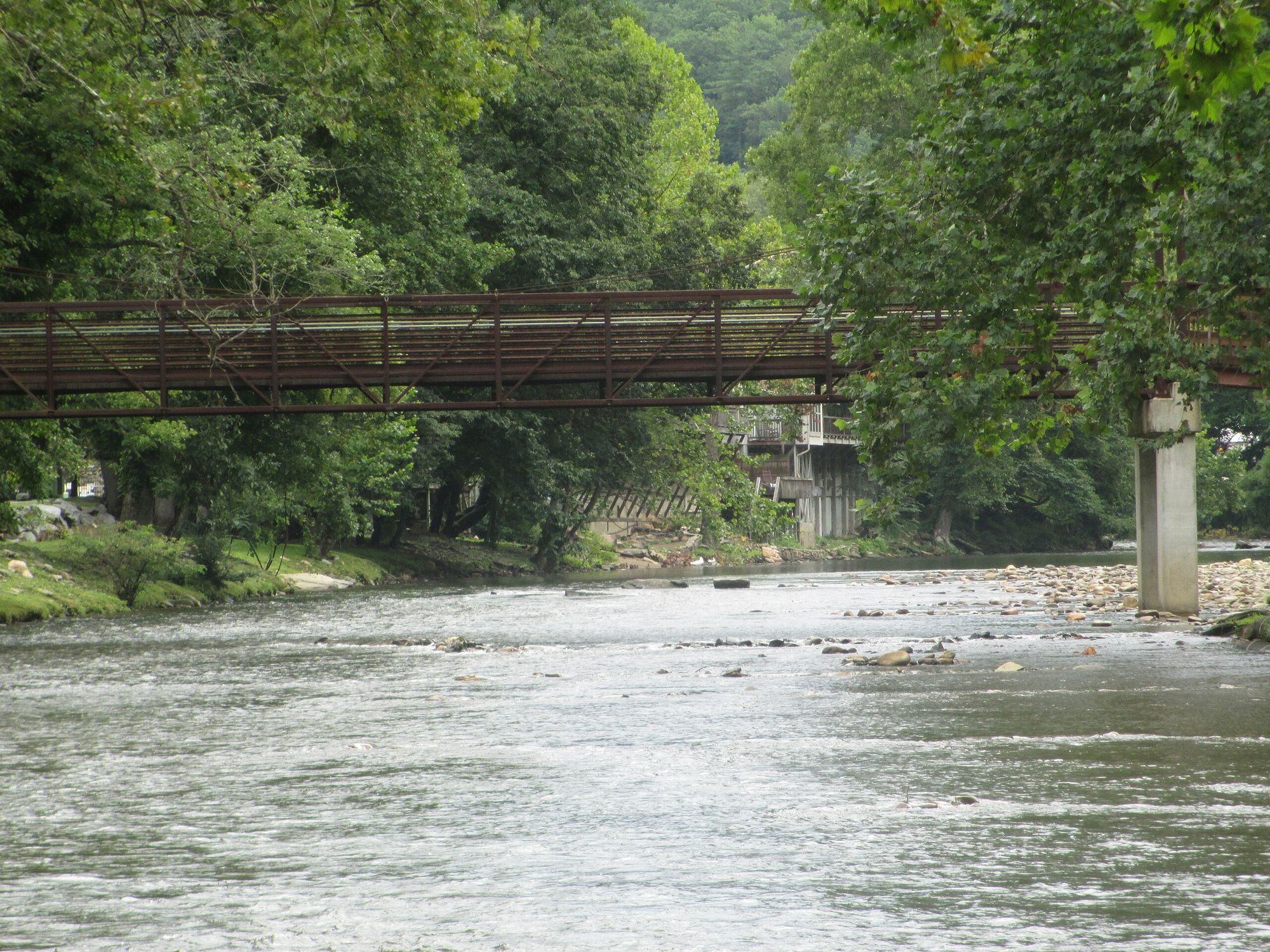
Little River is the Tennessee side's most accessible trout water. The road paralleling it between Townsend and Elkmont puts anglers within steps of fishable pools and runs for several miles. Above Elkmont, the water gets smaller and the crowds thin.
The Middle Prong of Little Pigeon River is another Tennessee-side option worth the walk in May and June as hatches build at mid-elevation.
On the North Carolina side, the Oconaluftee River runs through the Qualla Boundary near Cherokee and carries both trout and smallmouth.
Deep Creek, just outside Bryson City, is accessible and fishes well in spring — April in particular, when aquatic insect hatches are as heavy as they get in the Smokies.
Straight Fork Creek and Hazel Creek round out the North Carolina options; Hazel Creek requires more effort to reach but rewards it with less pressure. Brook trout, the park's only native trout species, are found above roughly 3,000 feet elevation.
They occupy about 133 miles of the park's streams. Possession of brook trout is prohibited — any caught must be released immediately.
The park has been working since the mid-1980s to restore brook trout populations by removing non-native species from high-elevation reaches, and those efforts are ongoing.
To fish anywhere in the park, anglers 16 and older need a valid Tennessee or North Carolina fishing license — either state's license is accepted throughout the park on both sides of the state line. No trout stamp is required.
The park does not sell licenses; pick one up in a surrounding town or online before you arrive. Special permits are required for fishing in Gatlinburg and Cherokee, which are separate from the park itself.
Only artificial lures and flies are permitted, and a single hand-held rod. Check current regulations at a visitor center or ranger station before you go — certain streams are closed entirely to protect brook trout recovery.
The Smokies fish year-round, but spring is when the water comes alive. Come for the wild fish, not the inches.
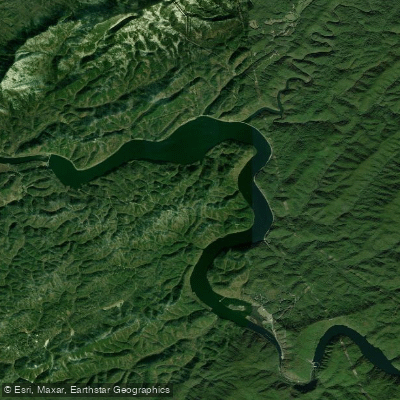
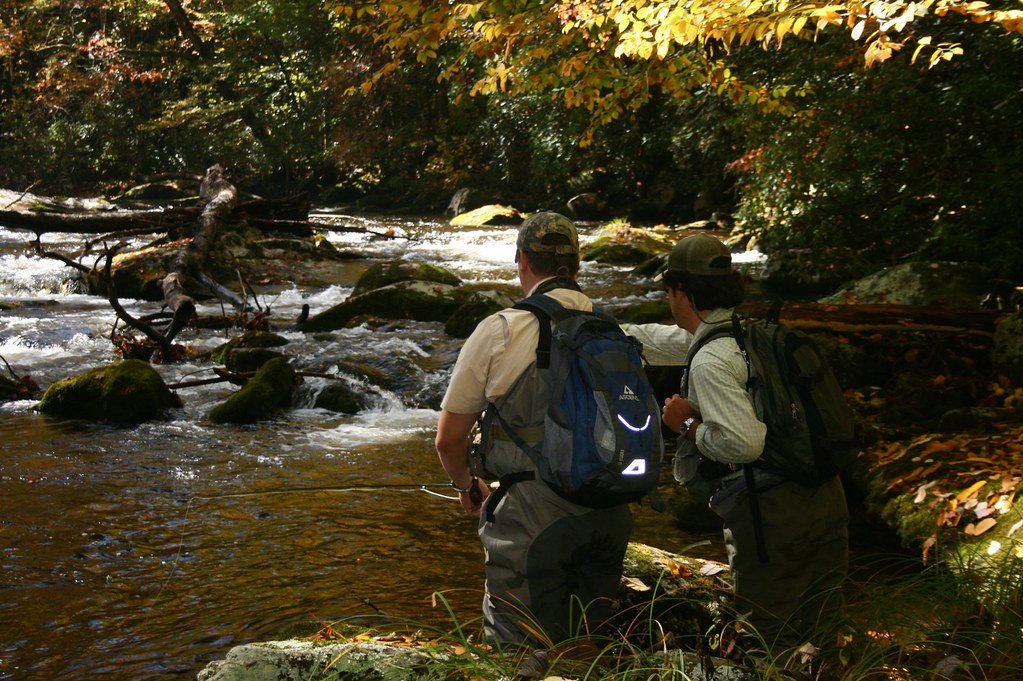
Top waters to fish near Great Smoky Mountains National Park
Species & education
Learn what type of fish are in Great Smoky Mountains National Park and what's needed to catch them.
Find which waters have the species you want to catch

Black Crappie
Pomoxis nigromaculatus

Black Redhorse
Moxostoma duquesnei
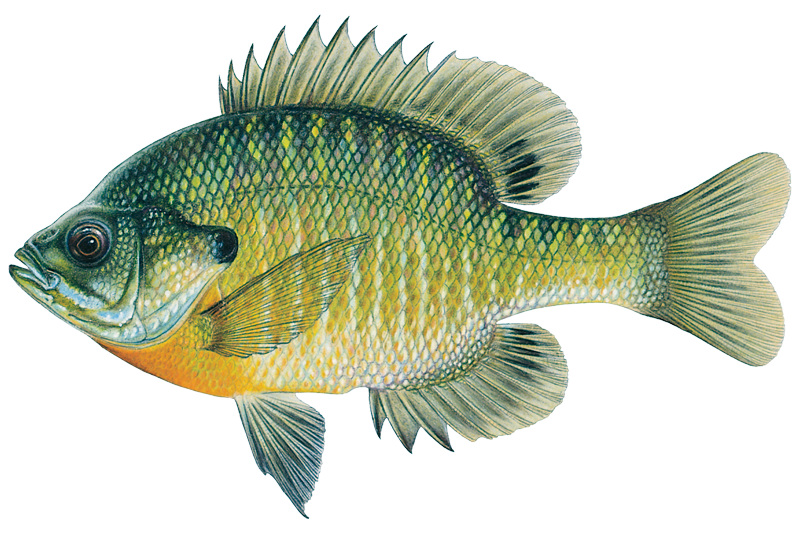
Bluegill
Lepomis macrochirus
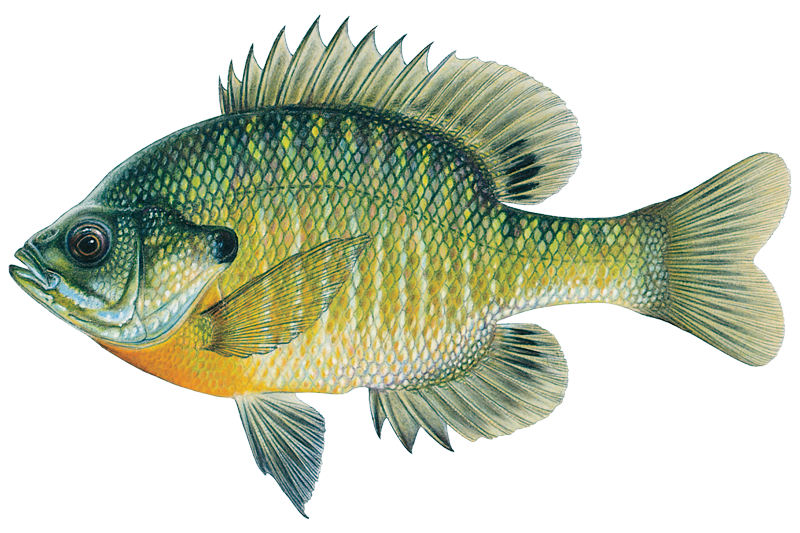
Bluegill Sunfish

Brook Trout
Salvelinus fontinalis

Brown Trout

Channel Catfish
Ictalurus punctatus

Common Carp
Cyprinus carpio

Freshwater Drum
Aplodinotus grunniens
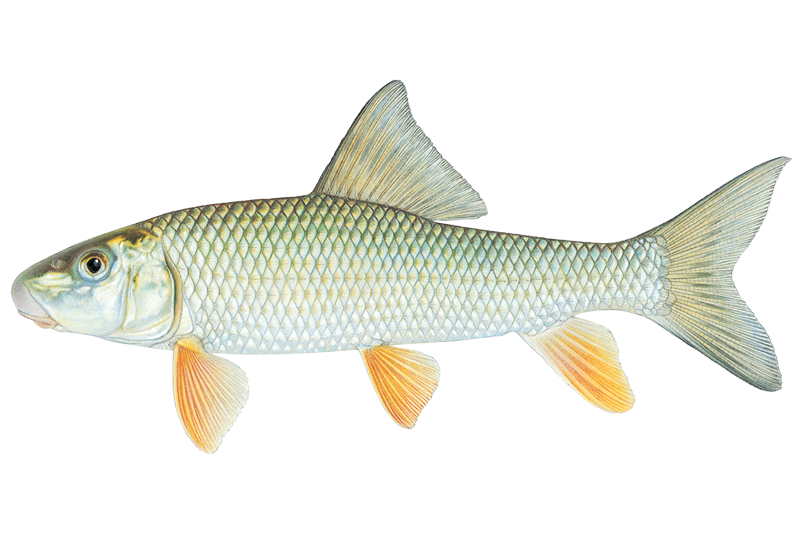
Golden Redhorse
Moxostoma erythrurum

Green Sunfish
Lepomis cyanellus

Largemouth Bass
Micropterus salmoides

Longear Sunfish
Lepomis megalotis
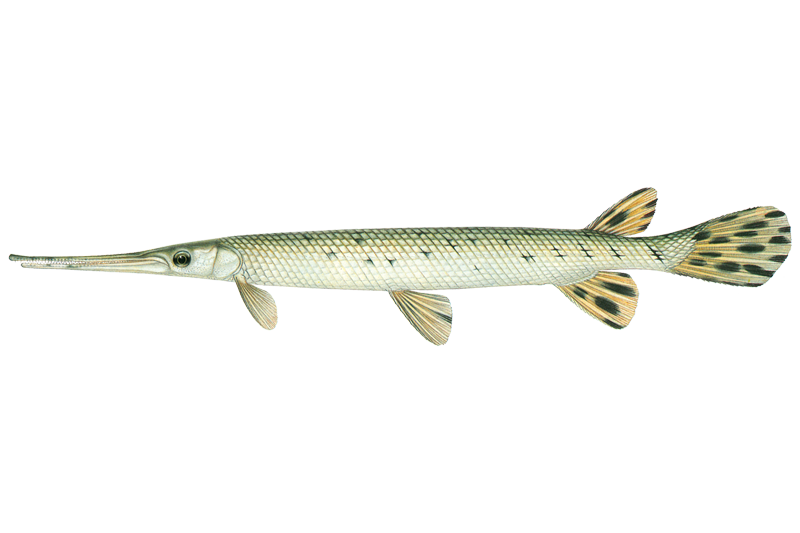
Longnose Gar
Lepisosteus osseus
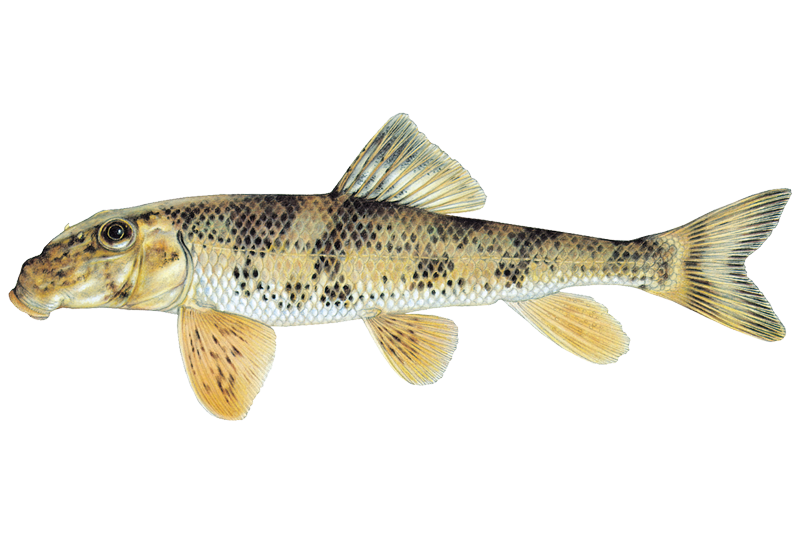
Northern Hogsucker
Hypentelium nigricans
Water and weather conditions (10 day forecast)
See the best times to fish Great Smoky Mountains National Park and check the forecast before you go.
No forecast data available.
Park alerts & road status
Closures and conditions Great Smoky Mountains National Park has posted, from the National Park Service.
Checking the park's alerts…
Hours & fees
When Great Smoky Mountains National Park is open and what it costs to get in, from the National Park Service.
Hours
Open 24 hoursPrimary roads are open 24 hours a day, seven days a week, year-round, weather permitting. This includes Newfound Gap Road (US-441), Little River Road, and Laurel Creek Road. Secondary roads are closed seasonally.
Entrance fees
No entrance fee is listed for this park.
Parking & getting around
Where to leave the car in Great Smoky Mountains National Park. Lots fill early on busy days, so plan where you will park before you head for the water.
Alum Cave Trailhead Parking Area
Parking for Alum Cave Trailhead.
Chimney Tops Trailhead
Parking for Chimney Tops Trailhead.
Laurel Falls Trailhead Parking Area
ClosedLaurel Falls Trailhead parking area also serves Sugarland Mountain Trailhead.
Rainbow Falls Trailhead Parking Lot
Parking for Rainbow Falls and Bullhead trailheads.
Getting around
Great Smoky Mountains National Park straddles the borders of the states of Tennessee and North Carolina. The three main entrances to the park are in Gatlinburg, TN; Townsend, TN; and Cherokee, NC.
Directions on nps.govFishing guides near Great Smoky Mountains National Park
Book a trip with a local fishing guide through Guidesly.


Bobby Crabtree
StriperXtreme Guide Service
5.0 (10 reviews)
Private Cherokee Lake fishing charters
Book on Guidesly, opens in new tab
Aidan Bloomfield
Bloom Fly Fishing
5.0 (1 review)
Flat Rock Fly Fishing Trip with Bloom Fly Fishing
Book on Guidesly, opens in new tab
Mike Baker
Trout Talkin'
3.0 (1 review)
Blue Ridge Ripple, Dominate River Fishing Bliss!
Book on Guidesly, opens in new tab
Evan Slagle
Asheville Trekking Co.
Asheville Fishing Charters At Its Best!
Book on Guidesly, opens in new tab
Charles Humphrey
Beast Coast Anglers
Book Your Next Fly Fishing Guide in Asheville, NC
Book on Guidesly, opens in new tab
Shannon Young
Maggie Valley Fly Shop
Embark on a fly fishing trip like no other in NC!
Book on Guidesly, opens in new tab
Fish smarter with real-time insights
Whether you're en route and conditions shift or you're looking for the best spot based on current flows, we enable you to make informed decisions on the fly.




Fishing near Great Smoky Mountains National Park
Loading...
Other parks in North Carolina
Gateway towns
Where to base yourself for fishing in Great Smoky Mountains National Park.
Main Tennessee entrance town with the most lodging, restaurants, outfitters, and direct park access via Newfound Gap Road.
- CherokeeNC
Anchors the North Carolina side at the Oconaluftee entrance, with lodging, dining, and the Oconaluftee Visitor Center nearby.
North Carolina hub for outdoor outfitters, paddling, and access to the Deep Creek area on the park's quieter southern edge.
- TownsendTN
Quiet western Tennessee gateway near the Cades Cove entrance, with lodging, dining, and outdoor outfitters.
Closest town to the Cataloochee Valley entrance, the best spot in the park to see elk.
Great Smoky Mountains National Park fishing rules
The park's own rules, on top of North Carolina licenses and regulations. Limits, fees and closures change, so check the park's page before you go.
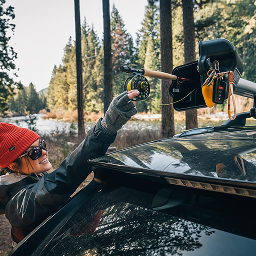
State Fishing License Required
You must have a valid fishing license or permit from either Tennessee or North Carolina to fish anywhere in the park. Licenses are not sold inside the park, so pick one up in a nearby town or online before you arrive. No trout stamp is required.
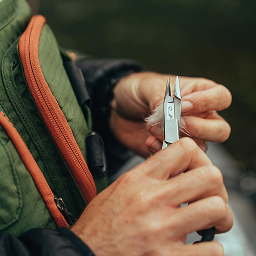
Special Permits for Gatlinburg and Cherokee
Fishing in Gatlinburg and Cherokee requires special permits beyond a standard state license. Check current requirements before heading to either of those areas.
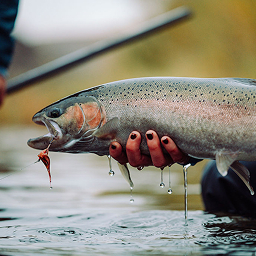
Artificial Lures Only
Only artificial lures and flies are allowed in park waters. Live bait and other natural bait are not permitted. You are limited to one hand-held rod.
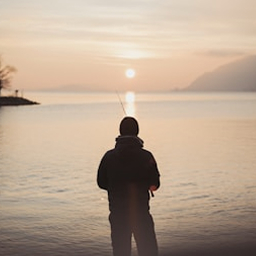
Fishing Hours Strictly Limited
You may only fish from a half hour before official sunrise to a half hour after official sunset. Fishing outside those hours is not allowed.
Explore Great Smoky Mountains National Park
Top fishing waters
Popular Cities
Loading popular cities...

Smarter Fishing Starts in the App.
onWater Fish gives you everything you need to plan smarter, fish better, and own every trip from first cast to last.