Brown Bullhead

Brown Bullhead are extremely abundant throughout North Carolina's piedmont and coastal rivers, ponds, lakes, and reservoirs.
These hardy catfish are remarkably tolerant of poor water quality, thriving in muddy water with low oxygen levels that would kill other fish species.
They tolerate extreme conditions including pollution, high carbon dioxide, and dissolved oxygen levels as low as 0. 2 ppm, making them one of North Carolina's most widespread and resilient fish species.
Scientific Name: Ameiurus nebulosus
- Easily distinguished from other species by their lack of a forked tail, robust squatty appearance, and dark brown to nearly black chin barbels.
- Adults average 12-15 inches, with an 18-inch, three-pound fish considered trophy size.
Fishing in North Carolina
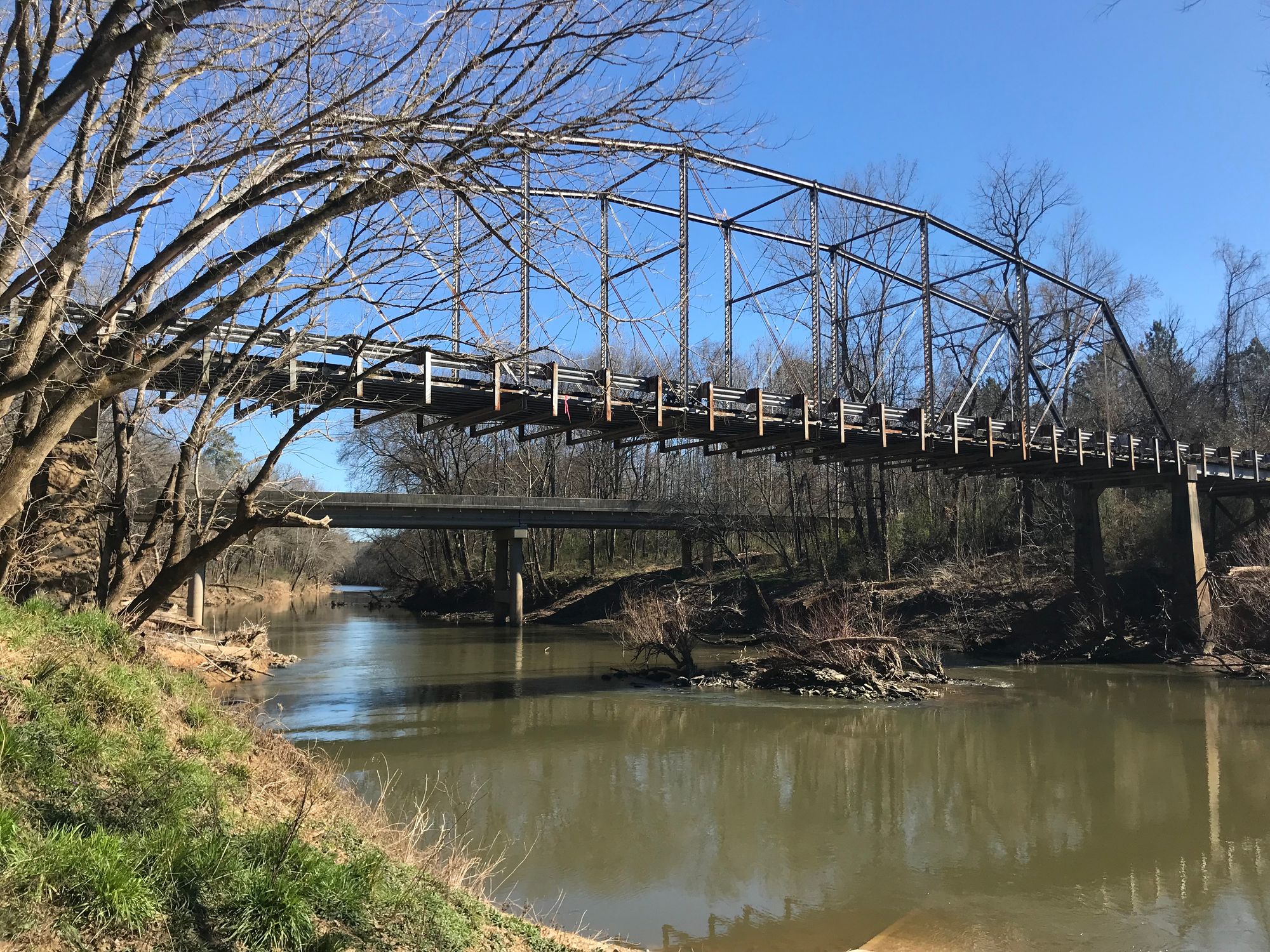
Deep River
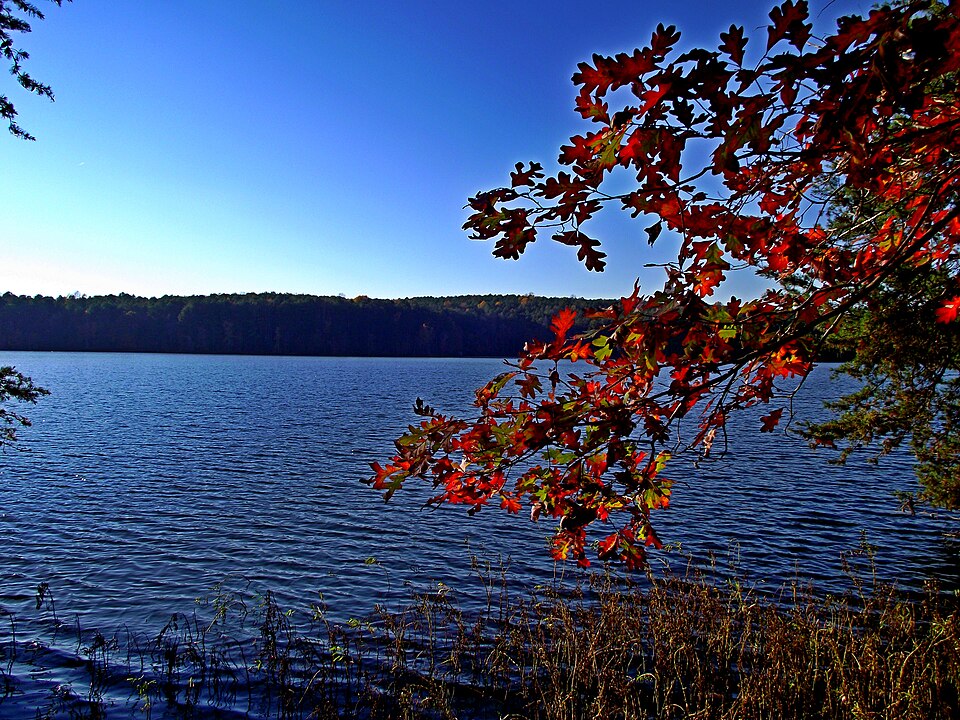
Badin Lake
Lake Tillery
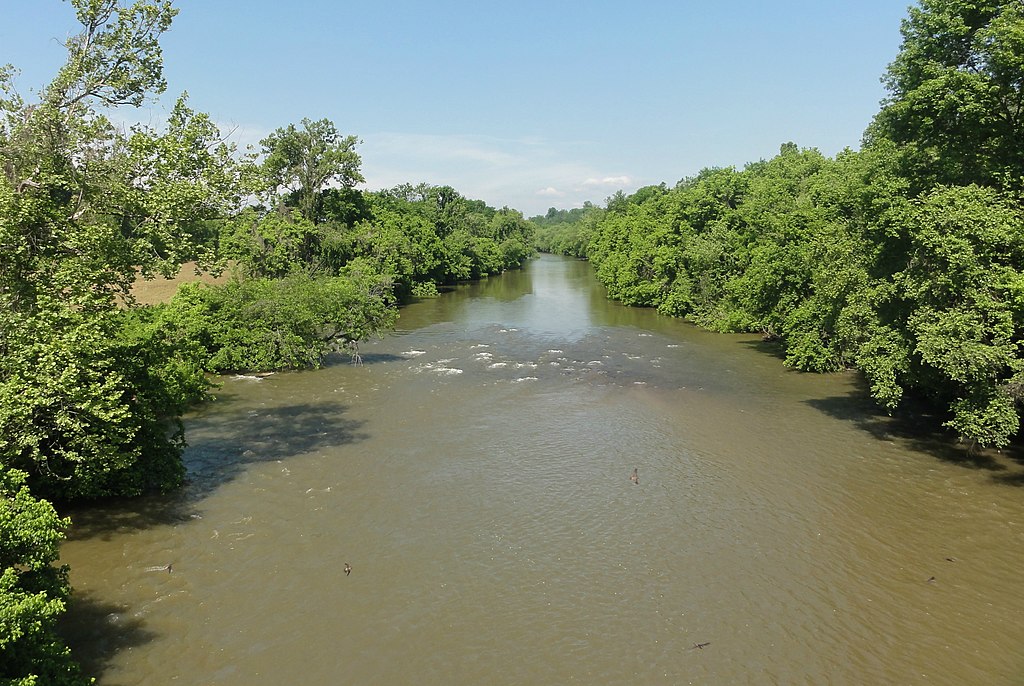
Yadkin River
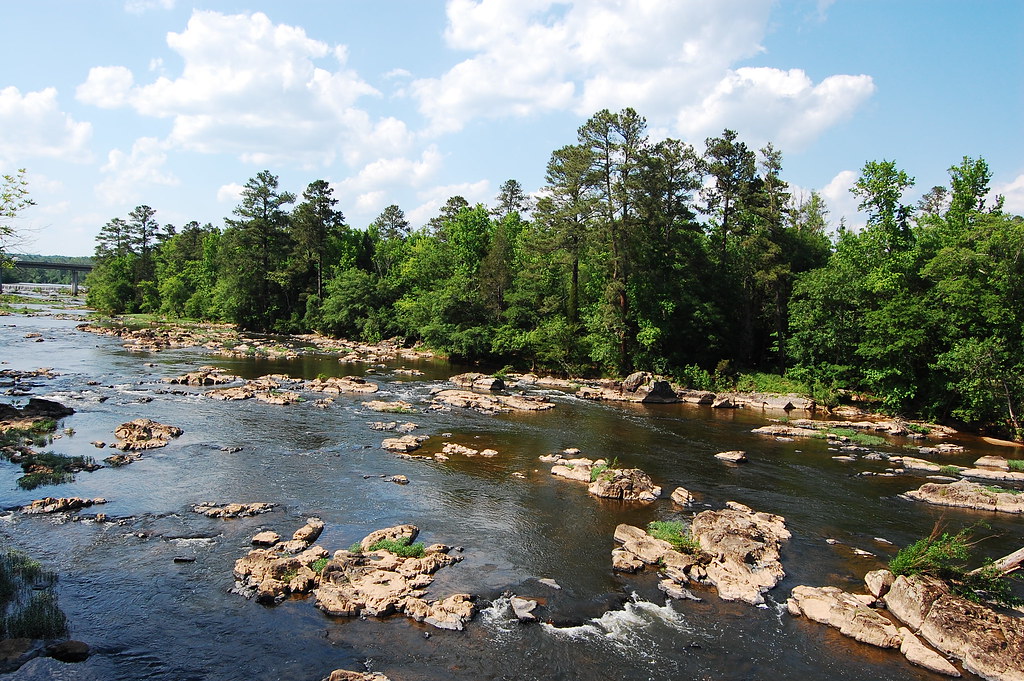
Haw River
Cape Fear River
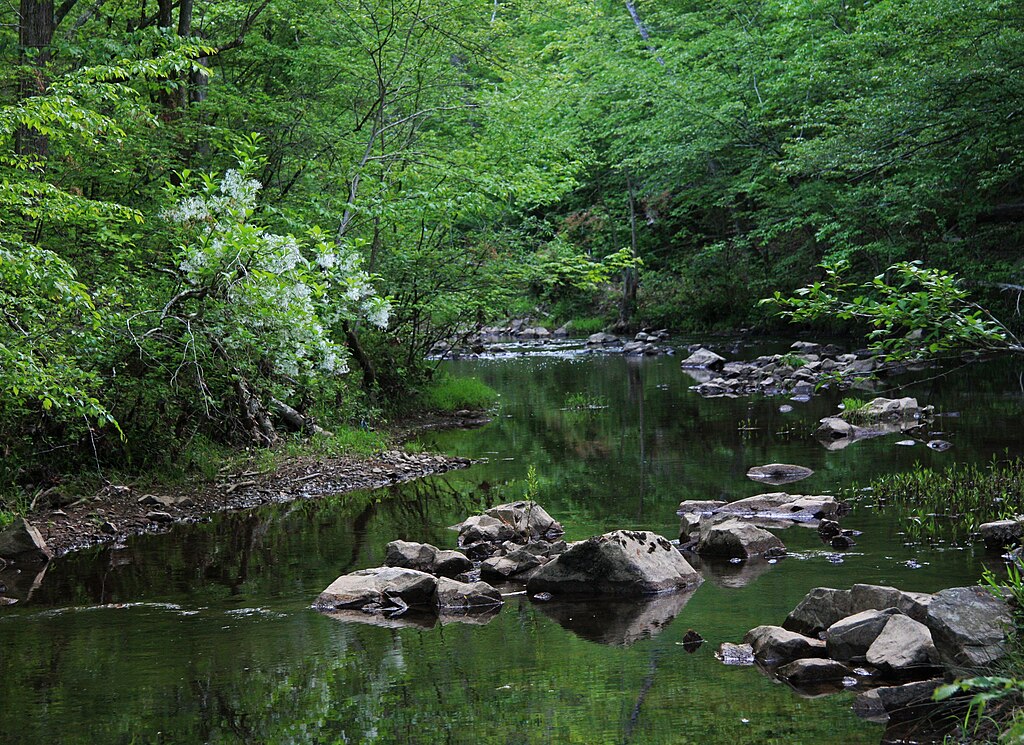
New Hope Creek
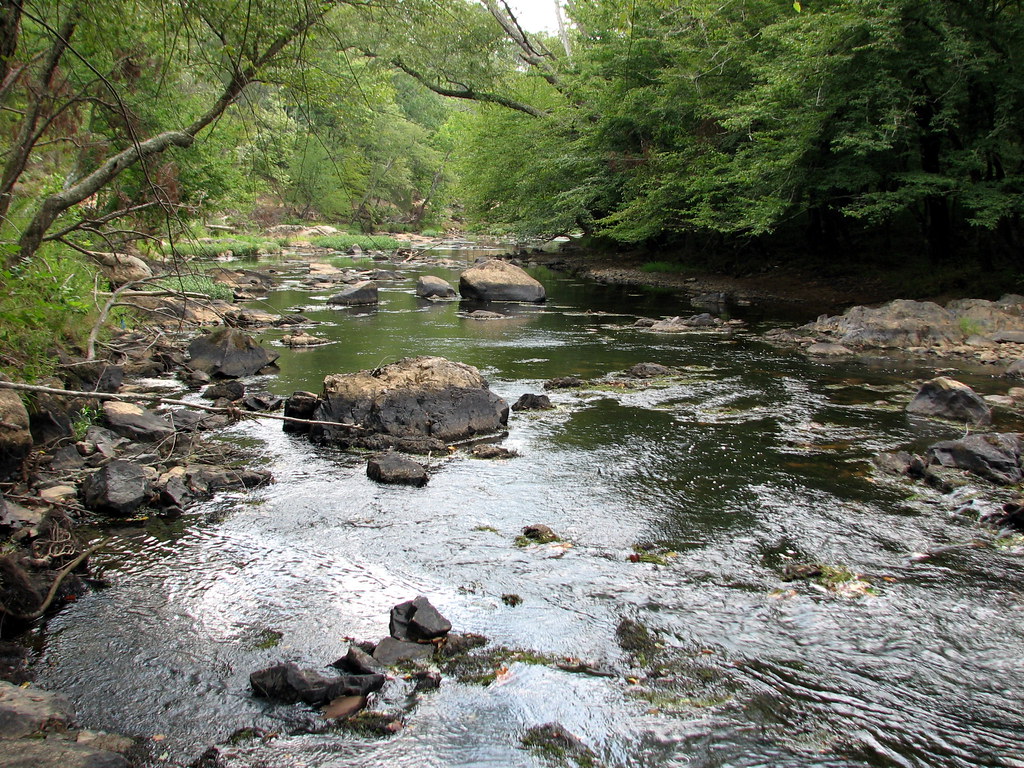
Eno River
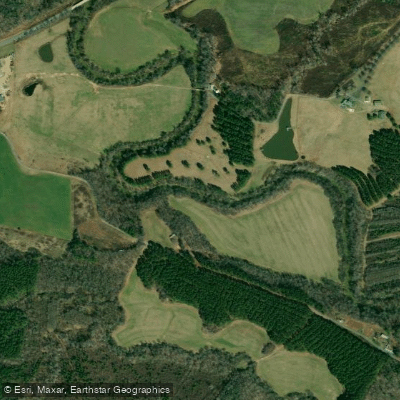
Uwharrie River
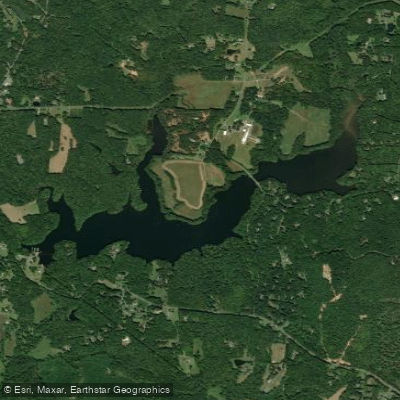
Back Creek Lake
What to know
Habitat Distribution
- Throughout the Coastal Plain and Piedmont regions in piedmont and coastal rivers, ponds, lakes, and reservoirs.
Key Locations
- The Yadkin River from W.
- Kerr Scott Reservoir downstream to Idols Dam holds excellent populations, while densities drop significantly below Idols Dam due to flathead catfish predation.
- The Yadkin River above Idols Dam offers excellent opportunities.
Specific Spots
- Target muddy-bottomed areas, vegetated areas, near fallen trees, or rocky areas.
- Keep baits close to muddy bottoms.
Brown Bullhead FAQ
Answers from onWater's species guide.
What are the best lures and bait for Brown Bullhead in North Carolina?
Best natural baits include nightcrawlers, minnows, chicken liver, leeches, and crickets. Soak worms in pickled beet juice for bright red color that attracts attention in murky water.
What flies work for Brown Bullhead in North Carolina?
Use woolly buggers with scent added, dark bead-head nymphs (size 10-12), or crayfish patterns dragged along the bottom.
When is the best time to fish for Brown Bullhead in North Carolina?
Can be caught year-round, though late spring through fall provides the best action when they feed most actively. During spawning (May to June), avoid targeting these fish as they're focused on reproduction and nest protection.
How do you catch Brown Bullhead in North Carolina?
Use still fishing or drift fishing techniques, keeping baits close to muddy bottoms near vegetation, fallen trees, or rocky areas.
What do Brown Bullhead eat?
Omnivorous bottom-feeders with an extremely varied diet including aquatic insects and larvae, worms, minnows, small fish, crayfish, snails, freshwater clams, algae, and even corn.
Fish smarter with real-time insights
Whether you're en route and conditions shift or you're looking for the best spot based on current flows, we enable you to make informed decisions on the fly.




See it in the app
Most maps show you water.
onWater shows you Brown Bullhead.



- 01 · Species map filter
Map every Brown Bullhead water
Pick Brown Bullhead and the map zeroes in on the waters they call home. No more guessing which lake holds them.
- 02 · Waterbody species
Tap any water. See what lives there.
Species, behavior and seasonal patterns for every lake, river and pond, before you leave the driveway.
- 03 · Angler Intelligence
Ask how to catch Brown Bullhead
Tactics, gear and timing from onWater's AI fishing guide, tuned to the species and the water you're on.
Stop guessing where Brown Bullhead are.
Open the map, filter by Brown Bullhead, and head to water that holds them. Download onWater and plan your next trip in minutes.
- Species map filter
- Angler Intelligence
- Fishing journal
Explore other species
Trout, bass, salmon, panfish and everything in between. Each guide unpacks the behavior, seasons, and tactics that put fish in the net.
No species information available.
North Carolina licenses and regulations
Explore nearby waters
Explore North Carolina waters
Top fishing waters
Popular Cities
Loading popular cities...

Smarter Fishing Starts in the App.
onWater Fish gives you everything you need to plan smarter, fish better, and own every trip from first cast to last.