Blue Catfish

Blue Catfish are large, invasive freshwater fish in North Carolina, originally native to the Mississippi River Basin but introduced to Atlantic-flowing river systems.
They're considered invasive due to their negative impacts on native species through competition and predation.
Scientific Name: Ictalurus furcatus
- These heavy-bodied fish have a distinctive bluish-gray coloration above fading to white on sides and belly, deeply forked tails, and straight-edged anal fins with 30-36 fin rays.
- They commonly reach 36 inches and 20 pounds, though much larger specimens are possible.
Fishing in North Carolina
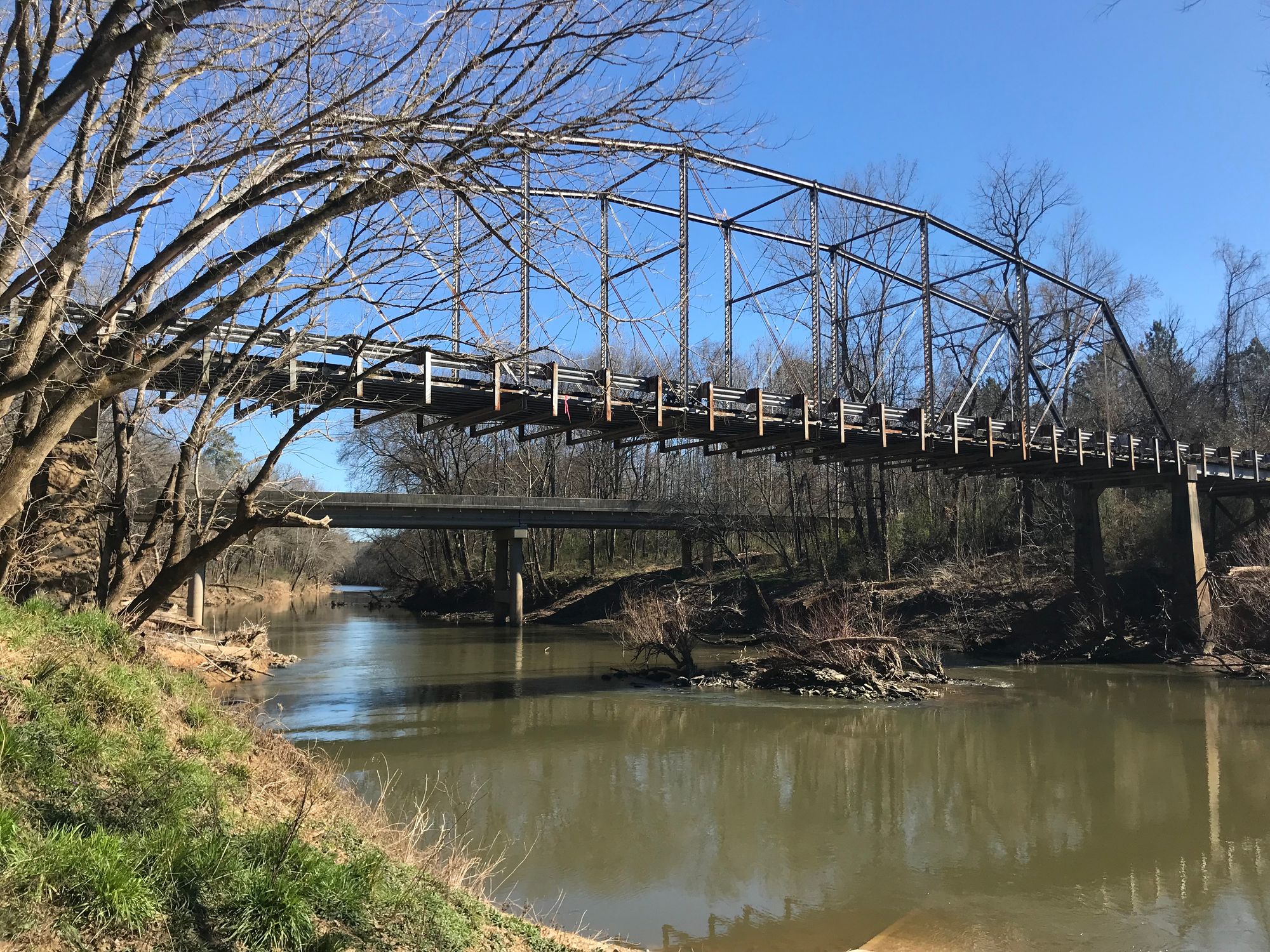
Deep River
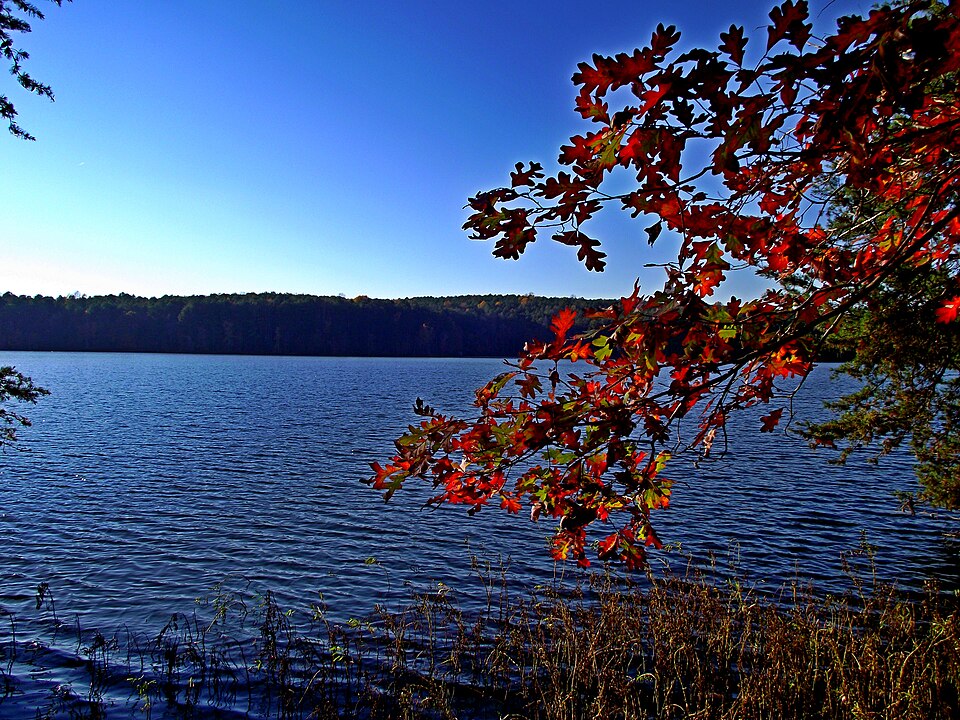
Badin Lake
Lake Tillery
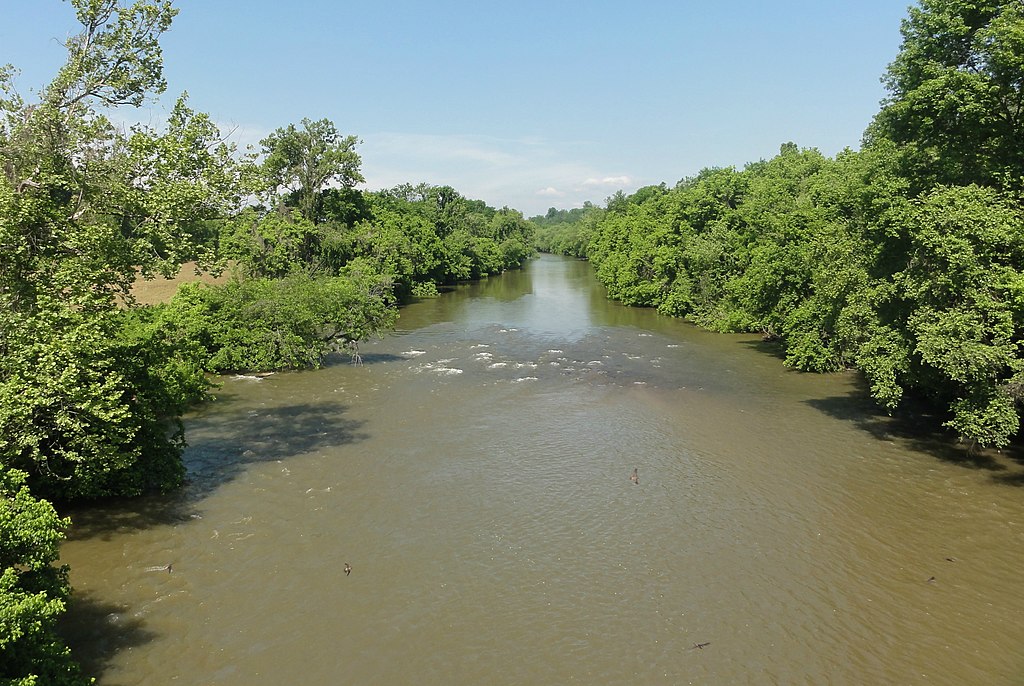
Yadkin River
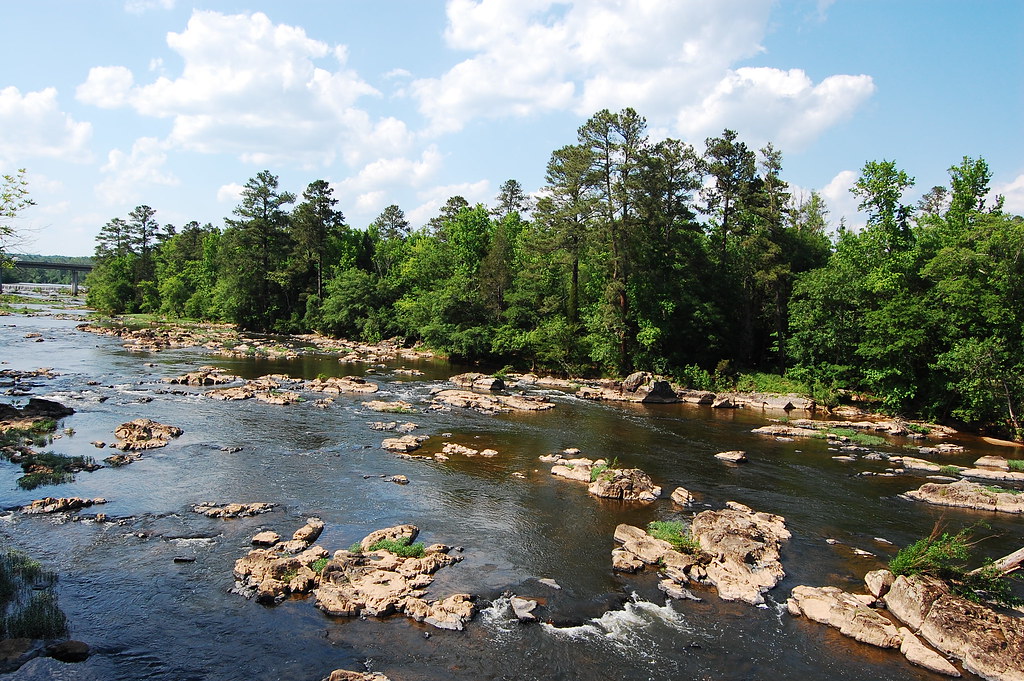
Haw River
Cape Fear River
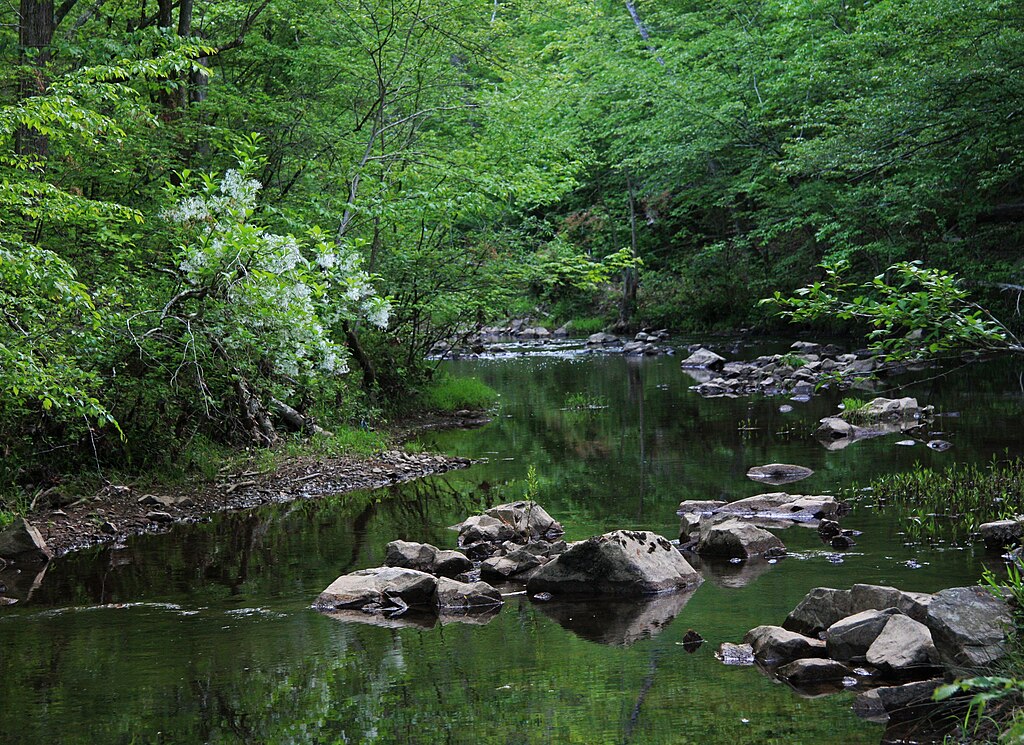
New Hope Creek
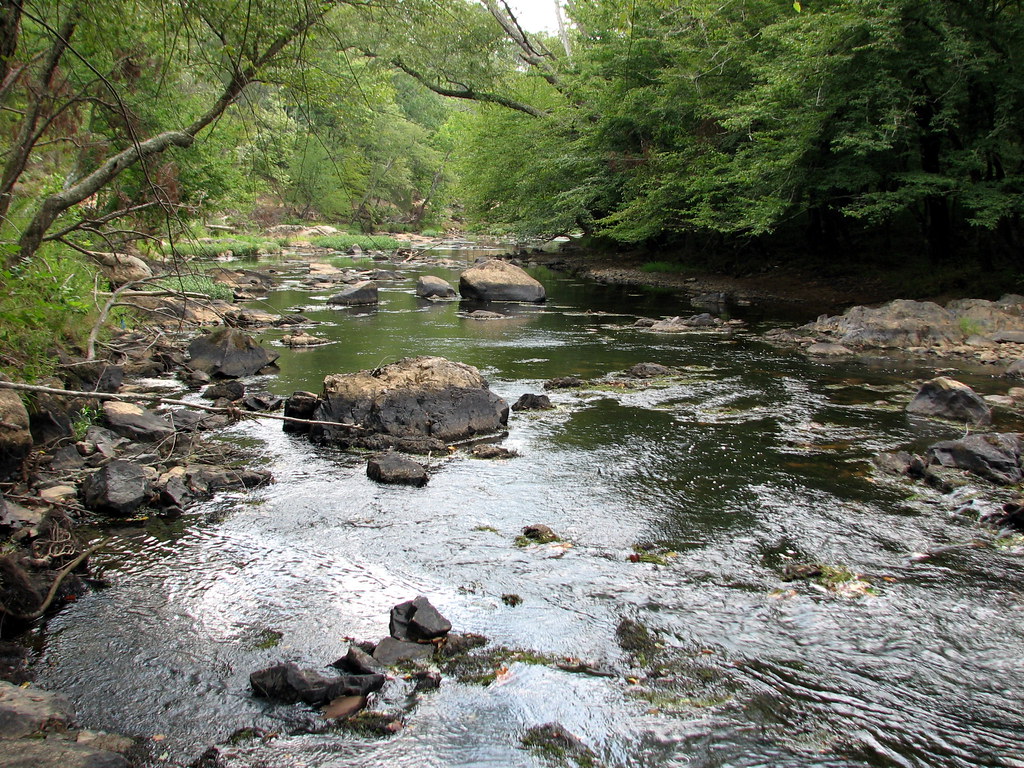
Eno River
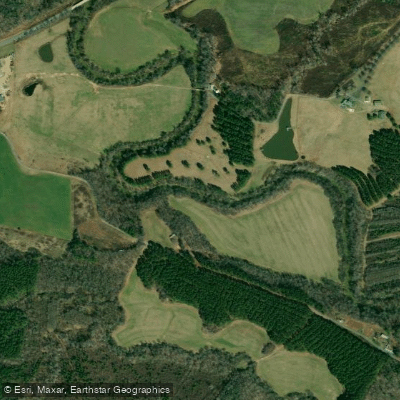
Uwharrie River
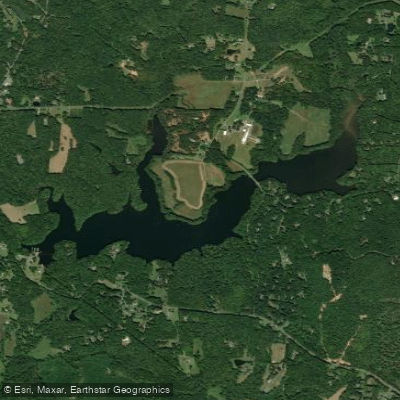
Back Creek Lake
What to know
Habitat Distribution
- Originally native to the Mississippi River Basin but introduced to Atlantic-flowing river systems like the Cape Fear and Catawba rivers.
- They favor large rivers with faster currents than other catfish species and are common in Piedmont reservoirs.
Key Locations
- In North Carolina waters, they're found in the Cape Fear River system, Catawba River, Tar River, Neuse River, Yadkin River impoundments, and Lake Norman.
- Target them in large rivers and Piedmont reservoirs, particularly the Cape Fear River, Yadkin River impoundments, and Lake Norman - all popular North Carolina fishing spots.
Specific Spots
- Fish can be caught from shoreline to 45 feet of water, with 10-20 feet often being most productive.
- Look for areas with drop-offs and varying depths.
Blue Catfish FAQ
Answers from onWater's species guide.
What are the best lures and bait for Blue Catfish in North Carolina?
Cut gizzard shad is the preferred bait among experienced anglers, though live fish, cut bait, crayfish, clams, shrimp, stink baits, and chicken livers all produce fish.
When is the best time to fish for Blue Catfish in North Carolina?
Blue Catfish fishing is most productive March through May, with action remaining good year-round except during spawning periods when males guard nests and feed little.
How do you catch Blue Catfish in North Carolina?
Fish finder/slider rigs. Trot lines and set hooks baited with cut fish are also effective methods.
What do Blue Catfish eat?
Blue Catfish are voracious omnivorous predators that become increasingly piscivorous as they grow larger, consuming native fishes, crabs, shad, menhaden, clams, bluegill, eels, bass, and herring.
Where do Blue Catfish live in North Carolina?
Originally native to the Mississippi River Basin but introduced to Atlantic-flowing river systems like the Cape Fear and Catawba rivers. They favor large rivers with faster currents than other catfish species and are common in Piedmont reservoirs.
Fish smarter with real-time insights
Whether you're en route and conditions shift or you're looking for the best spot based on current flows, we enable you to make informed decisions on the fly.




See it in the app
Most maps show you water.
onWater shows you Blue Catfish.



- 01 · Species map filter
Map every Blue Catfish water
Pick Blue Catfish and the map zeroes in on the waters they call home. No more guessing which lake holds them.
- 02 · Waterbody species
Tap any water. See what lives there.
Species, behavior and seasonal patterns for every lake, river and pond, before you leave the driveway.
- 03 · Angler Intelligence
Ask how to catch Blue Catfish
Tactics, gear and timing from onWater's AI fishing guide, tuned to the species and the water you're on.
Stop guessing where Blue Catfish are.
Open the map, filter by Blue Catfish, and head to water that holds them. Download onWater and plan your next trip in minutes.
- Species map filter
- Angler Intelligence
- Fishing journal
Explore other species
Trout, bass, salmon, panfish and everything in between. Each guide unpacks the behavior, seasons, and tactics that put fish in the net.
No species information available.
North Carolina licenses and regulations
Explore nearby waters
Explore North Carolina waters
Top fishing waters
Popular Cities
Loading popular cities...

Smarter Fishing Starts in the App.
onWater Fish gives you everything you need to plan smarter, fish better, and own every trip from first cast to last.