Atlantic Croaker

Atlantic Croaker are bottom-dwelling sciaenids found throughout North Carolina's coastal and estuarine waters, earning their name from the distinctive croaking sounds they make during spawning by vibrating muscles against their swim bladder.
North Carolina's croaker population is currently under management action due to declining abundance trends.
Scientific Name: Micropogonias undulatus
These copper-colored fish with dark backs and irregular black spots can reach over 20 inches and weights exceeding 4 pounds, though most caught average 1-2 pounds.
Fishing in North Carolina
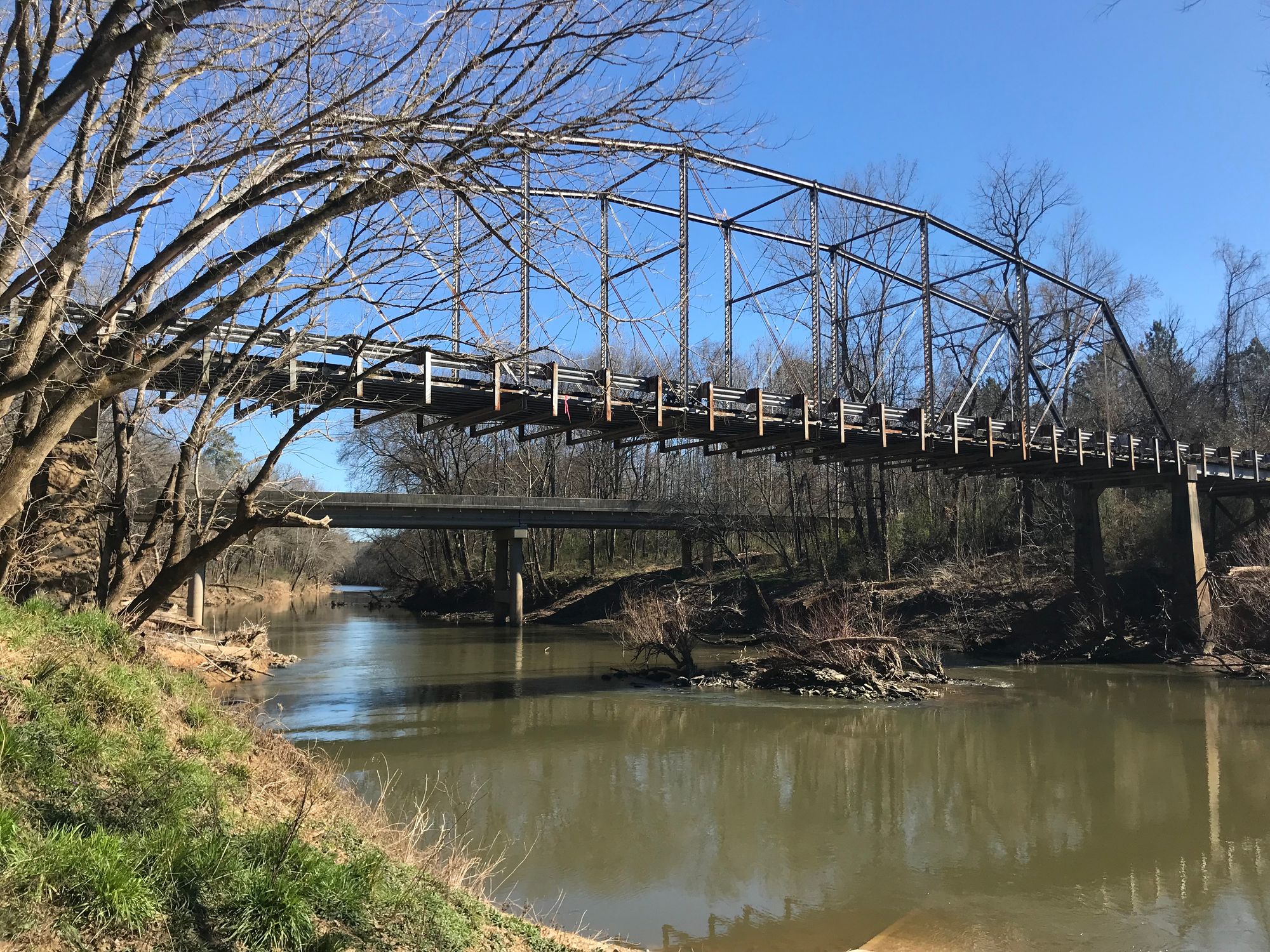
Deep River
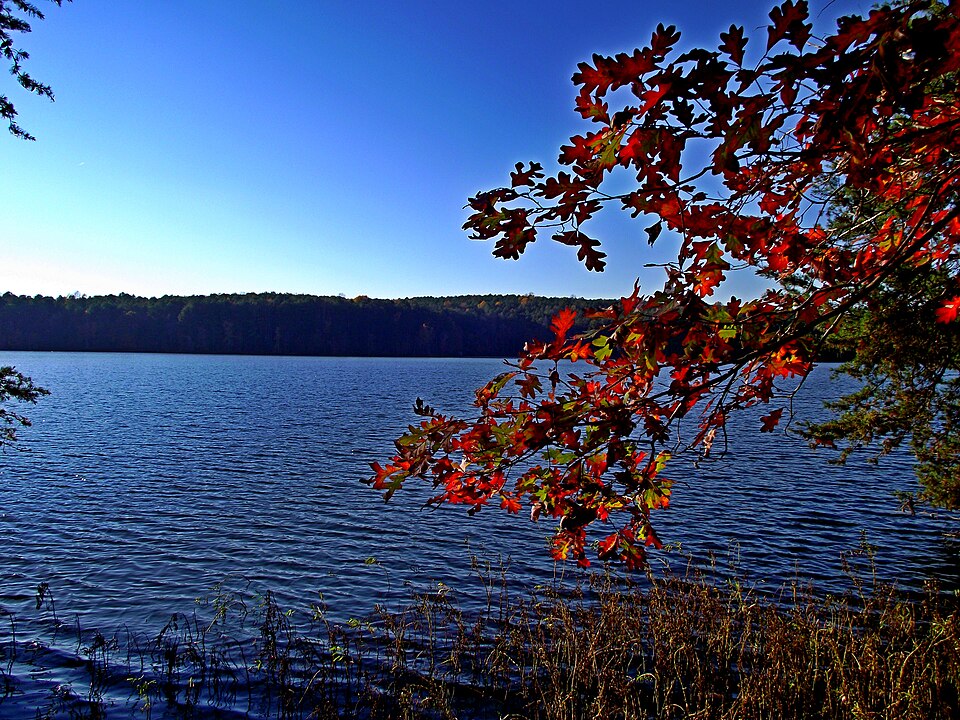
Badin Lake
Lake Tillery
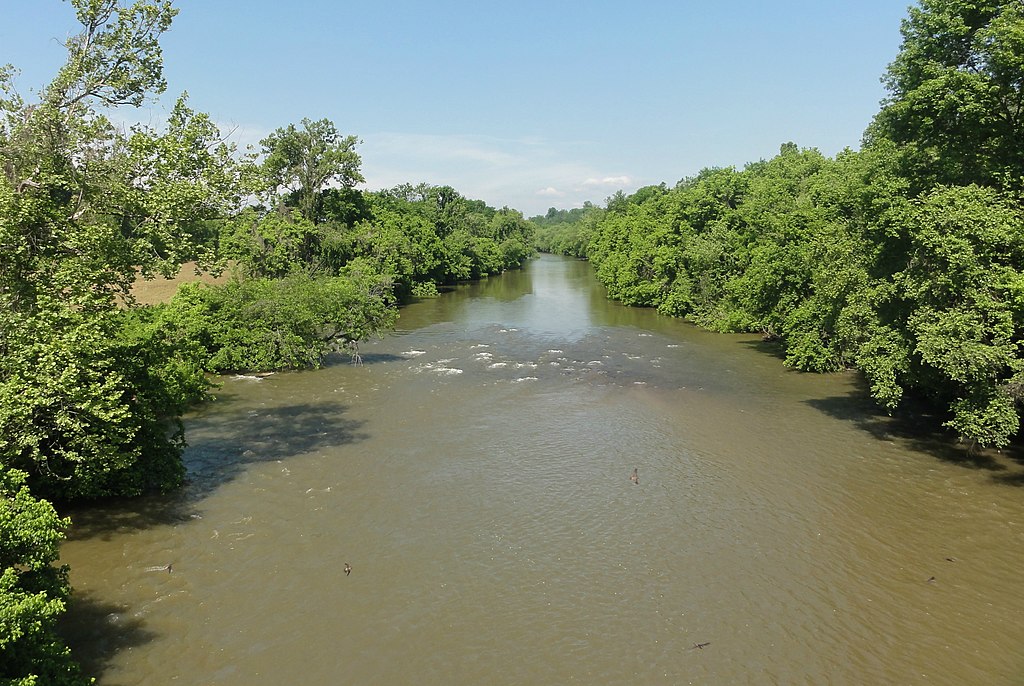
Yadkin River
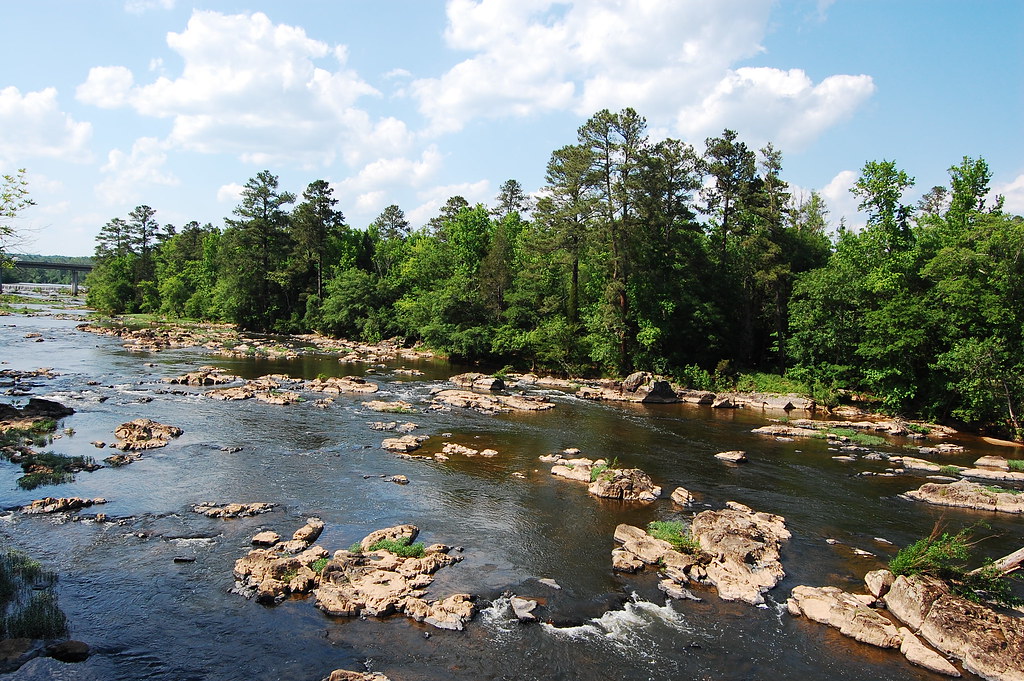
Haw River
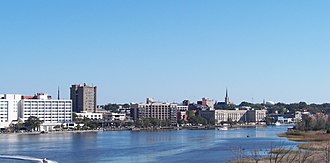
Cape Fear River
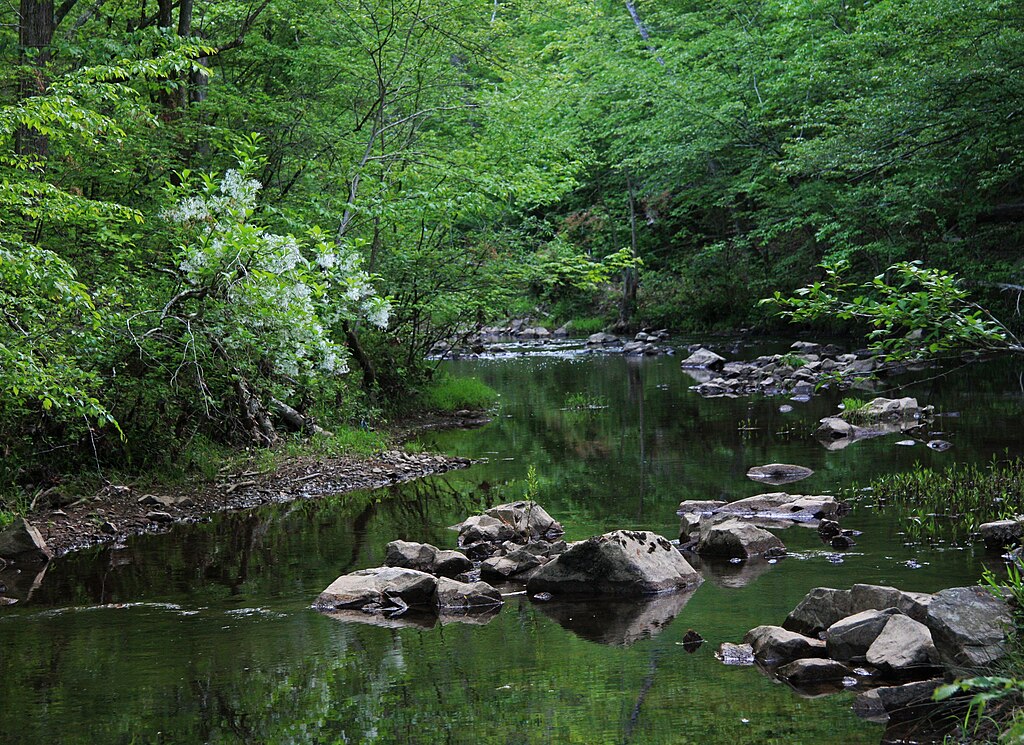
New Hope Creek
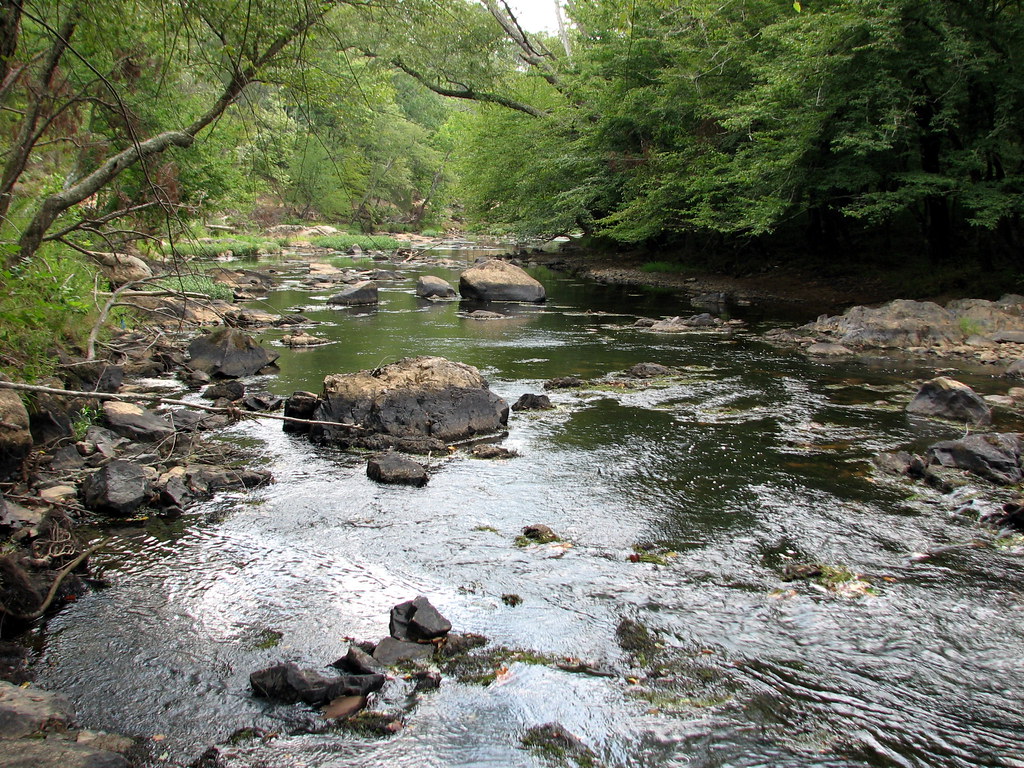
Eno River
Uwharrie River
Back Creek Lake
What to know
Habitat Distribution
In North Carolina waters, they're most abundant from the Chesapeake Bay region down to northern Florida, with the state serving as a critical part of their range. Atlantic Croaker are habitat generalists in North Carolina, utilizing submerged aquatic vegetation (SAV), wetlands, non-vegetated soft bottom areas, and shell bottom habitats throughout the state's extensive estuarine system, including the Pamlico Sound, Cape Fear estuary, and coastal rivers.Key Locations
Fish the state's extensive estuarine system including the Pamlico Sound, Cape Fear River estuary, and coastal sounds around the Outer Banks. Key locations include the Intracoastal Waterway from Calabash to Southport, where Atlantic Croaker are among the most commonly caught species, and various coastal rivers and sounds throughout the state's 4,000+ miles of coastal shoreline.Specific Spots
Focus on structure like oyster beds, bridges, piers, and deeper channel edges. Adults prefer muddy and sandy substrates in shallow waters, often around oyster beds, bridges, and piers. Juveniles concentrate in oligohaline and mesohaline waters (0.5-18 ppt salinity), particularly in deeper tidal creeks where salinity changes are minimal.Atlantic Croaker FAQ
Answers from onWater's species guide.
What are the best lures and bait for Atlantic Croaker in North Carolina?
Natural baits including bloodworms, clams, peeler crabs, shrimp, squid strips, and cut bait. While artificial lures can work, natural baits are most effective since croakers are primarily bottom foragers.
When is the best time to fish for Atlantic Croaker in North Carolina?
May through September being peak fishing season along the coast. Target depths of 7-131 feet, though most inshore fishing occurs in much shallower water.
How do you catch Atlantic Croaker in North Carolina?
Bottom fishing. Best fishing occurs during moving tides, particularly as juveniles and adults move with tidal flows. Evening and early morning can be productive given their somewhat crepuscular feeding habits.
What do Atlantic Croaker eat?
They're opportunistic bottom feeders with diets dominated by polychaete worms, crustaceans, and small fish, exhibiting somewhat crepuscular feeding behavior.
Where do Atlantic Croaker live in North Carolina?
In North Carolina waters, they're most abundant from the Chesapeake Bay region down to northern Florida, with the state serving as a critical part of their range.
Fish smarter with real-time insights
Whether you're en route and conditions shift or you're looking for the best spot based on current flows, we enable you to make informed decisions on the fly.




See it in the app
Most maps show you water.
onWater shows you Atlantic Croaker.



- 01 · Species map filter
Map every Atlantic Croaker water
Pick Atlantic Croaker and the map zeroes in on the waters they call home. No more guessing which lake holds them.
- 02 · Waterbody species
Tap any water. See what lives there.
Species, behavior and seasonal patterns for every lake, river and pond, before you leave the driveway.
- 03 · Angler Intelligence
Ask how to catch Atlantic Croaker
Tactics, gear and timing from onWater's AI fishing guide, tuned to the species and the water you're on.
Stop guessing where Atlantic Croaker are.
Open the map, filter by Atlantic Croaker, and head to water that holds them. Download onWater and plan your next trip in minutes.
- Species map filter
- Angler Intelligence
- Fishing journal
Explore other species
Trout, bass, salmon, panfish and everything in between. Each guide unpacks the behavior, seasons, and tactics that put fish in the net.
No species information available.
North Carolina licenses and regulations
Explore nearby waters
Explore North Carolina waters
Top fishing waters
Popular Cities
Loading popular cities...

Smarter Fishing Starts in the App.
onWater Fish gives you everything you need to plan smarter, fish better, and own every trip from first cast to last.