Golden Redhorse
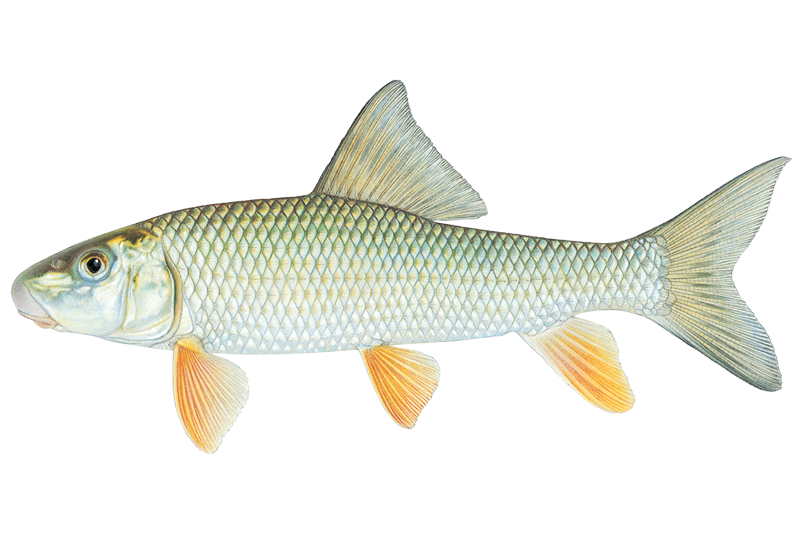
Golden Redhorse are native suckers found throughout North Carolina's river systems, with populations documented in the Oconaluftee River within the Little Tennessee River basin and other major watersheds.
They're classified as a gamefish with subsistence fisheries value.
Scientific Name: Moxostoma erythrurum
Adults average 12-18 inches and 1-2 pounds, with some reaching 26 inches and 4-5 pounds. They have golden scales on their sides, olive backs, white bellies, and slate gray tail fins.
Fishing in North Carolina
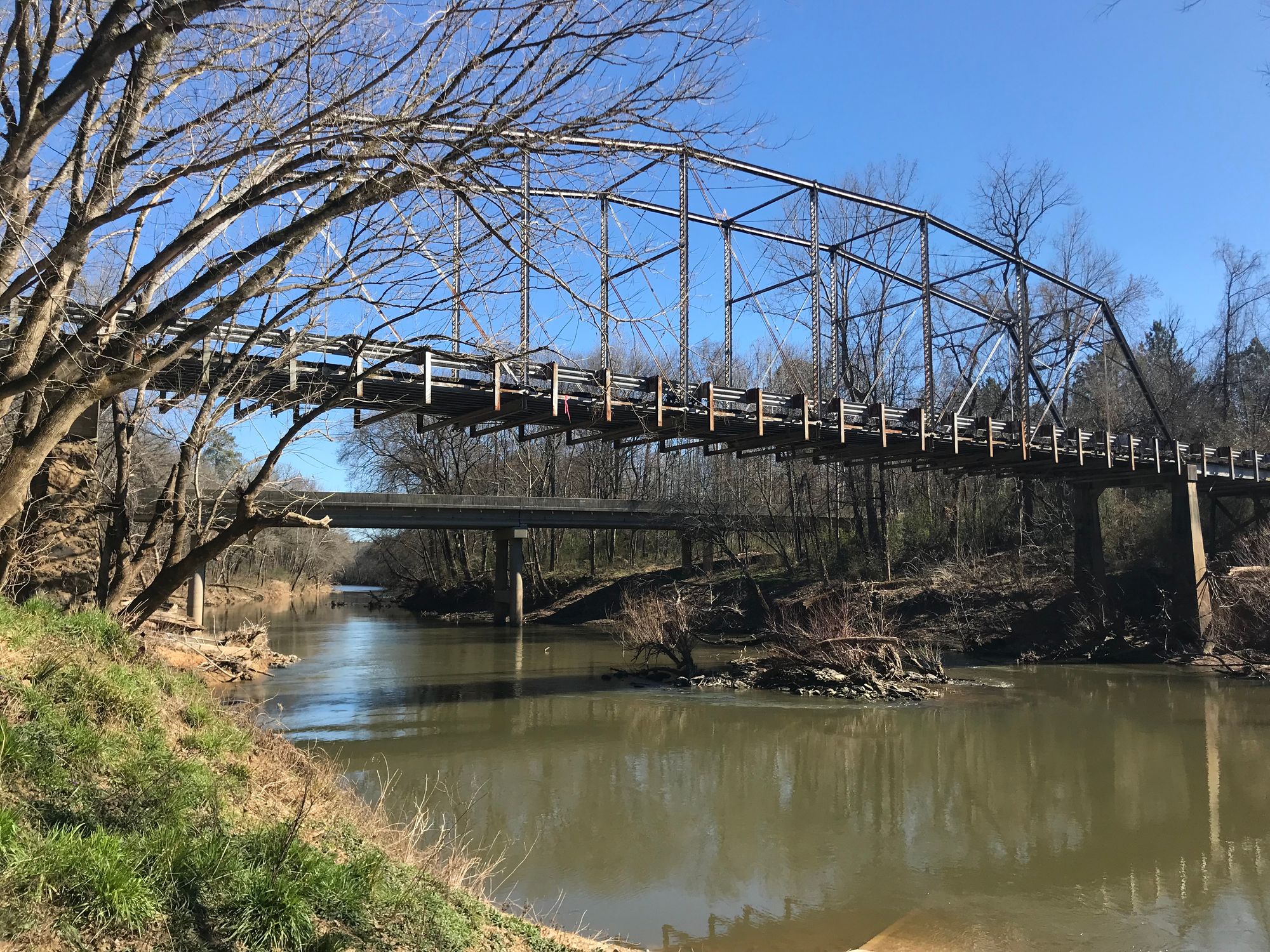
Deep River
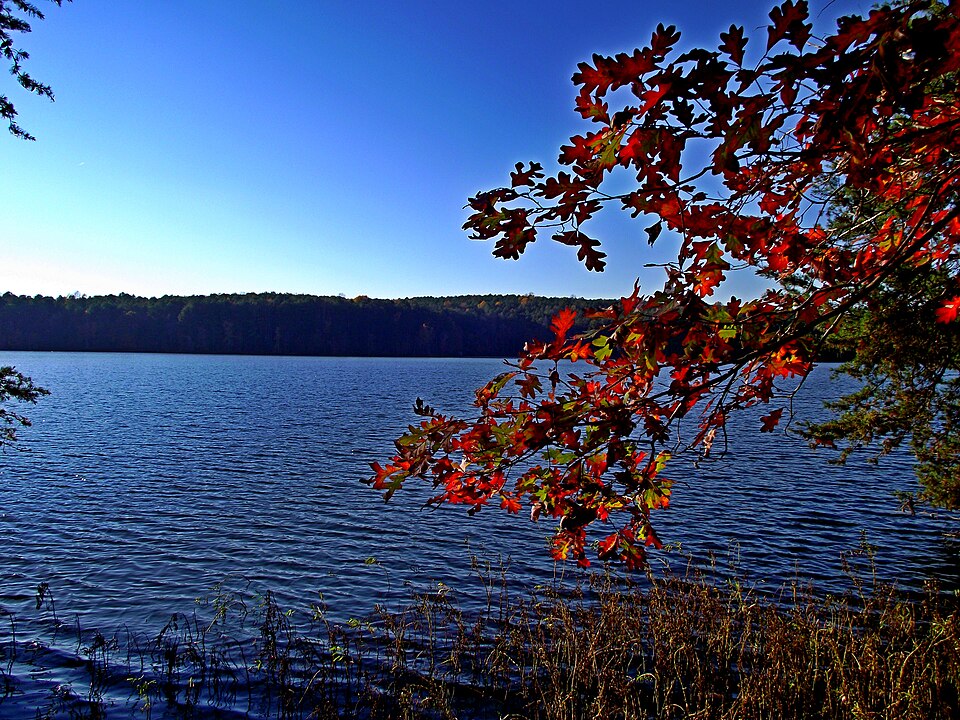
Badin Lake
Lake Tillery
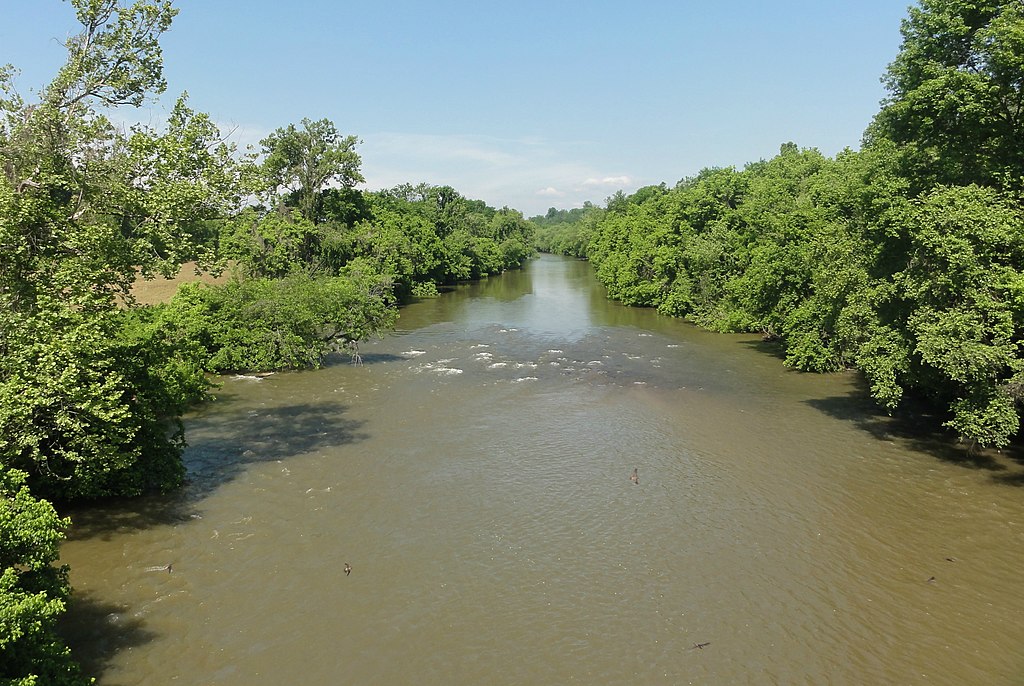
Yadkin River
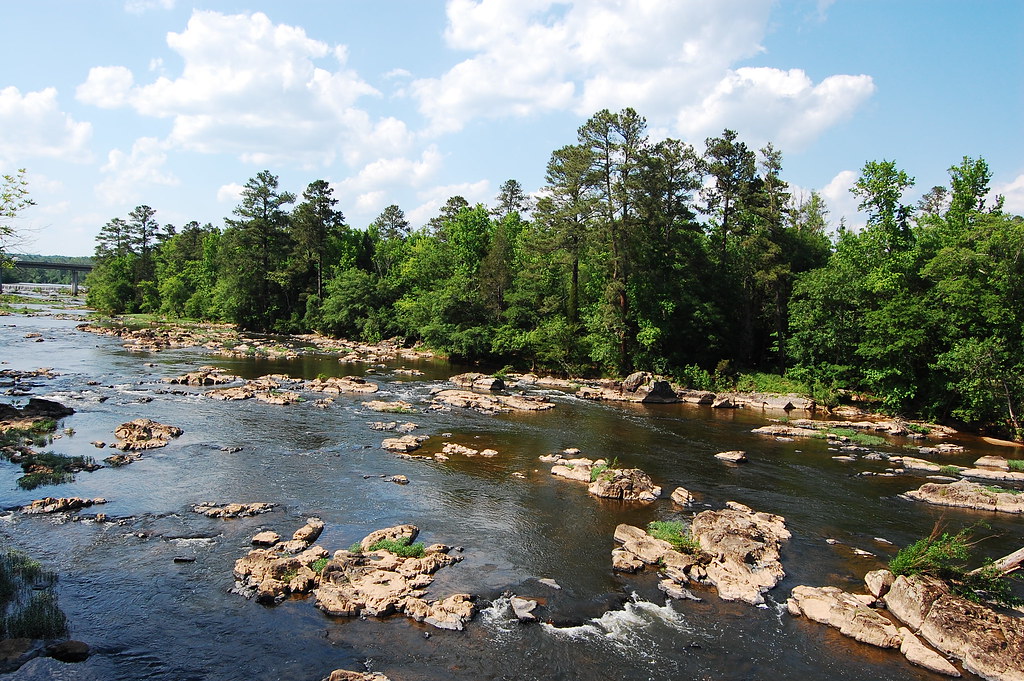
Haw River
Cape Fear River
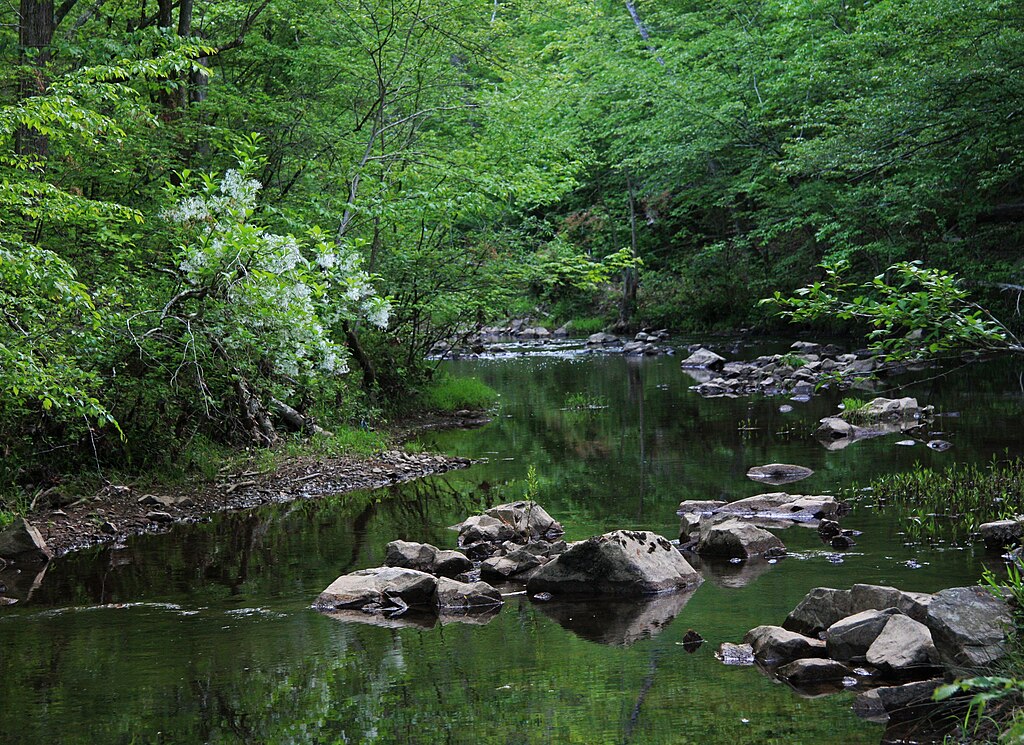
New Hope Creek
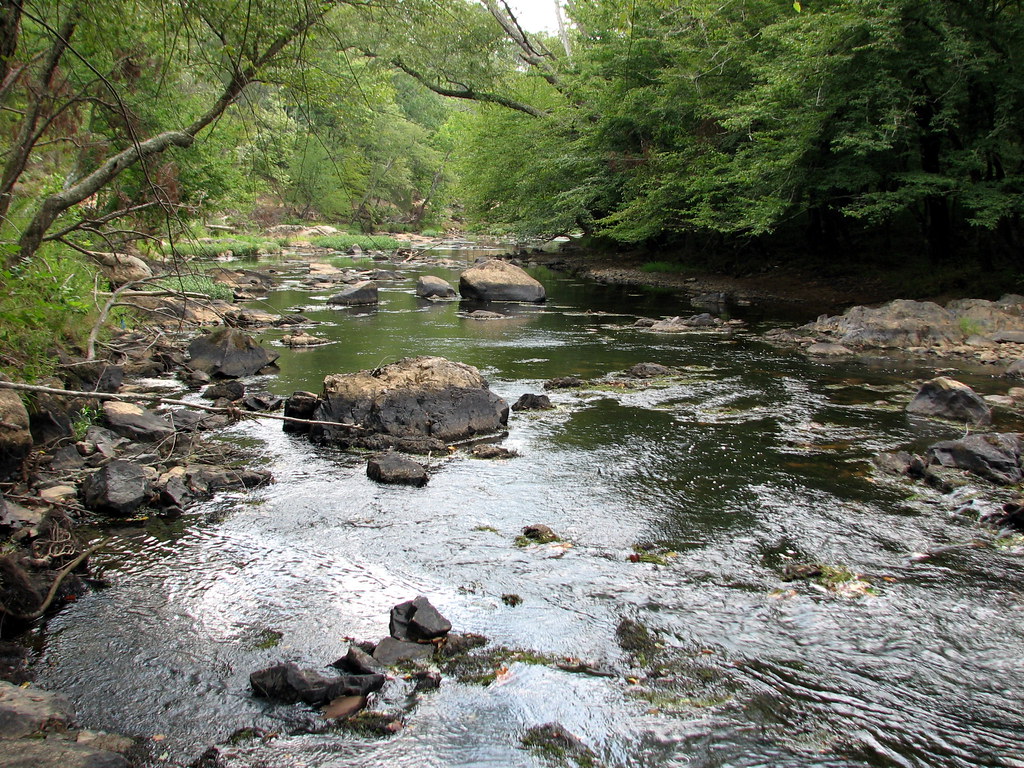
Eno River
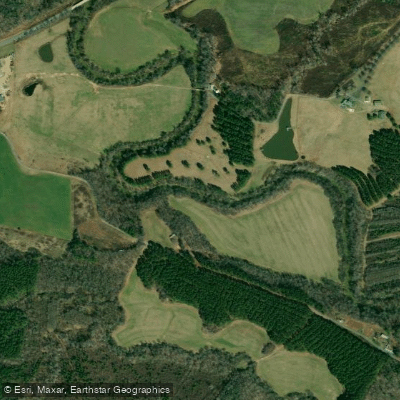
Uwharrie River
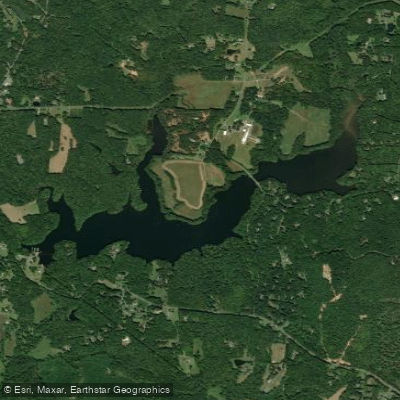
Back Creek Lake
What to know
Habitat Distribution
They inhabit freshwater streams, creeks, and rivers with varied substrates, preferring mud-bottomed to rock-bottomed pools, runs, and riffles. In pools they're typically found over sand and silt, occasionally occurring in lakes or reservoirs fed by streams. Golden Redhorse are less prevalent in cooler, high-gradient streams compared to their relatives, instead occupying the broadest spectrum of warm water habitats and persisting in streams with moderate siltation.Key Locations
Oconaluftee River within the Little Tennessee River basin and other major watershedsSpecific Spots
Target areas with sand and silt bottoms in pools, as well as runs and riffles with moderate current. Look for them in the broader, warmer water sections of North Carolina rivers rather than the coldest, highest-gradient mountain streams.Golden Redhorse FAQ
Answers from onWater's species guide.
What flies work for Golden Redhorse in North Carolina?
Small nymphs, larvae patterns, or bead-head flies that get down to the bottom would be effective. Presentations that mimic their natural prey.
When is the best time to fish for Golden Redhorse in North Carolina?
Best during non-spawning periods, particularly in early spring (March) and late spring through summer after spawning concludes. Fish when water temperatures reach 42°F or higher.
How do you catch Golden Redhorse in North Carolina?
Fish several inches off the stream bottom. They can also be taken by gigging at night using multi-headed spears with mounted lights.
What do Golden Redhorse eat?
They're bottom-feeders with protrusible mouths adapted for sucking food from stream beds, consuming immature mayflies, caddisflies, midges, small mollusks, microcrustaceans, detritus, and algae.
Where do Golden Redhorse live in North Carolina?
They inhabit freshwater streams, creeks, and rivers with varied substrates, preferring mud-bottomed to rock-bottomed pools, runs, and riffles. In pools they're typically found over sand and silt, occasionally occurring in lakes or reservoirs fed by streams.
Fish smarter with real-time insights
Whether you're en route and conditions shift or you're looking for the best spot based on current flows, we enable you to make informed decisions on the fly.




See it in the app
Most maps show you water.
onWater shows you Golden Redhorse.



- 01 · Species map filter
Map every Golden Redhorse water
Pick Golden Redhorse and the map zeroes in on the waters they call home. No more guessing which lake holds them.
- 02 · Waterbody species
Tap any water. See what lives there.
Species, behavior and seasonal patterns for every lake, river and pond, before you leave the driveway.
- 03 · Angler Intelligence
Ask how to catch Golden Redhorse
Tactics, gear and timing from onWater's AI fishing guide, tuned to the species and the water you're on.
Stop guessing where Golden Redhorse are.
Open the map, filter by Golden Redhorse, and head to water that holds them. Download onWater and plan your next trip in minutes.
- Species map filter
- Angler Intelligence
- Fishing journal
Explore other species
Trout, bass, salmon, panfish and everything in between. Each guide unpacks the behavior, seasons, and tactics that put fish in the net.
No species information available.
North Carolina licenses and regulations
Explore nearby waters
Explore North Carolina waters
Top fishing waters
Popular Cities
Loading popular cities...

Smarter Fishing Starts in the App.
onWater Fish gives you everything you need to plan smarter, fish better, and own every trip from first cast to last.