Channel Catfish

Channel Catfish are North America's most numerous catfish species and one of North Carolina's most popular game fish.
Scientific Name: Ictalurus punctatus
- These scaleless fish are easily identified by their deeply forked tail, eight barbels (whiskers) around the mouth, and scattered black spots on juveniles that fade with age.
- Adults typically range from 15-24 inches and 3-4 pounds, though specimens up to 45 pounds have been recorded.
Fishing in North Carolina
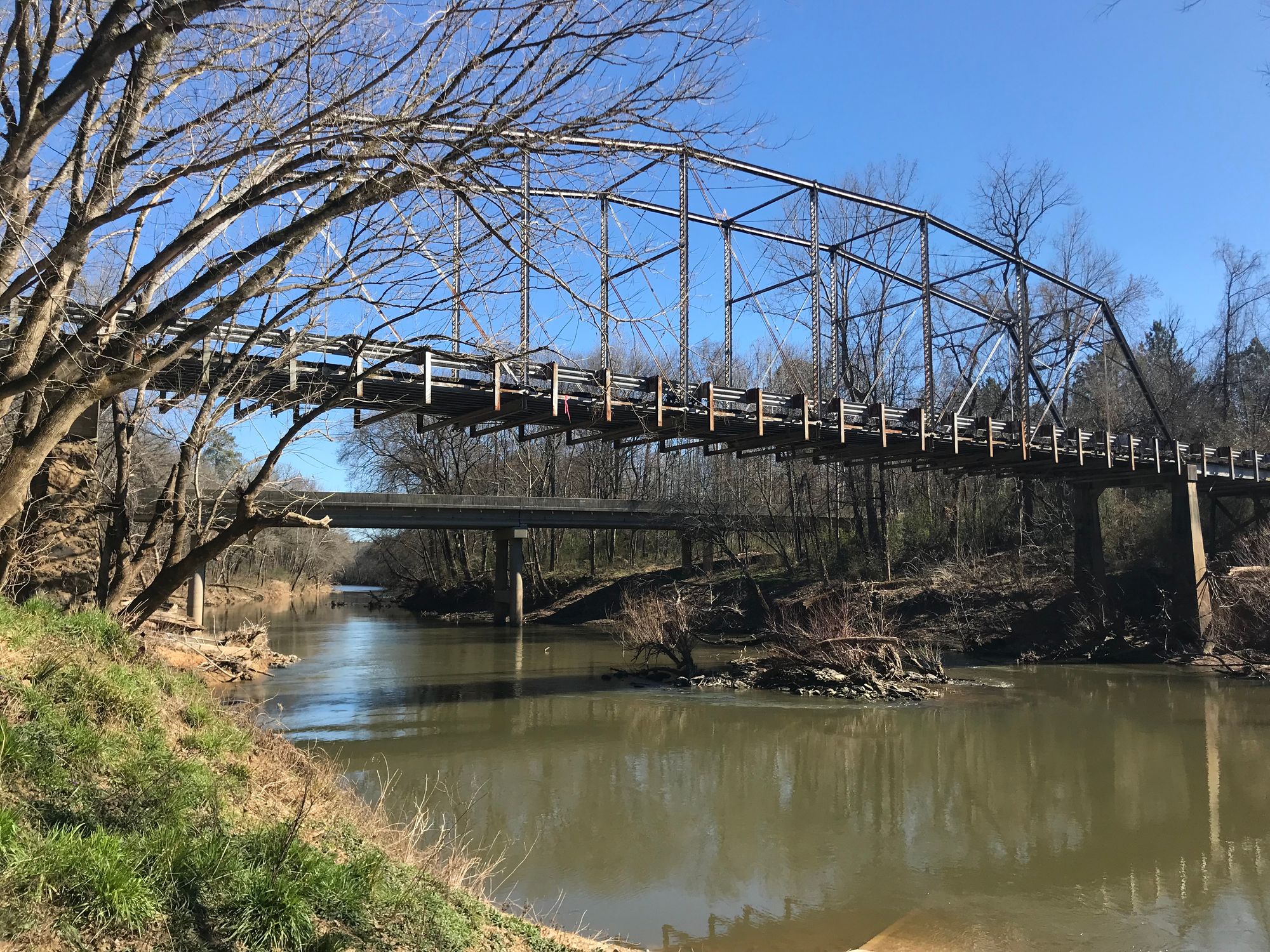
Deep River
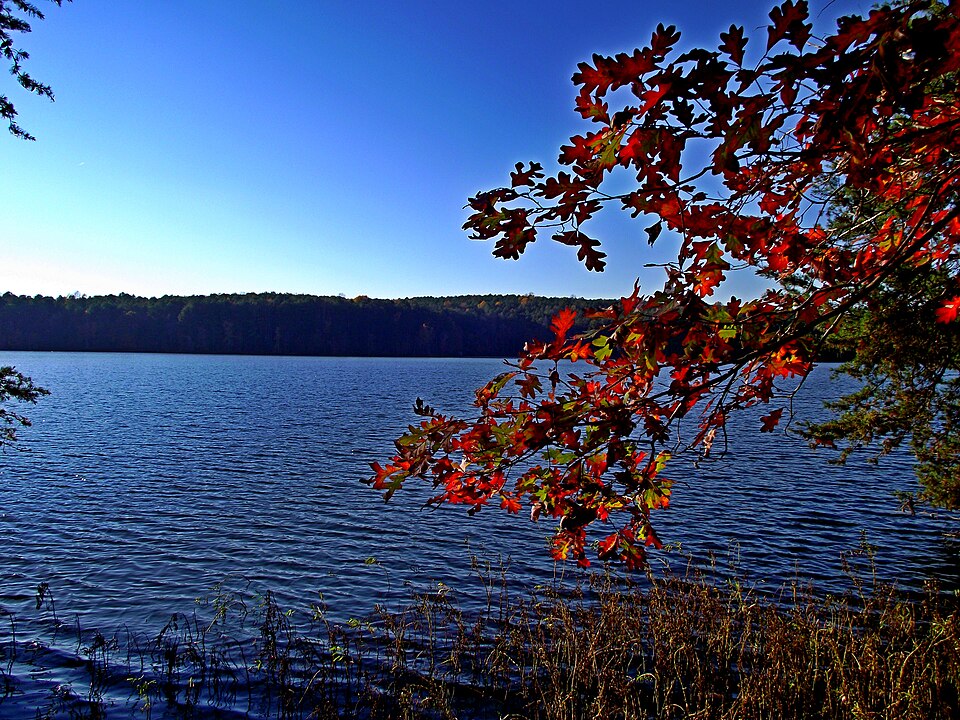
Badin Lake
Lake Tillery
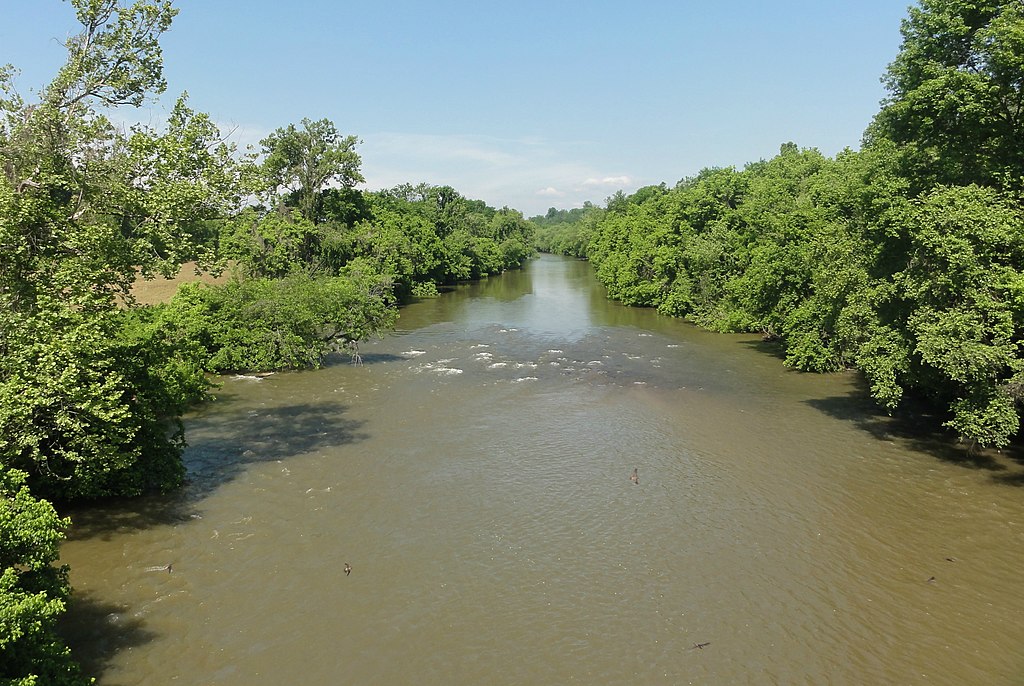
Yadkin River
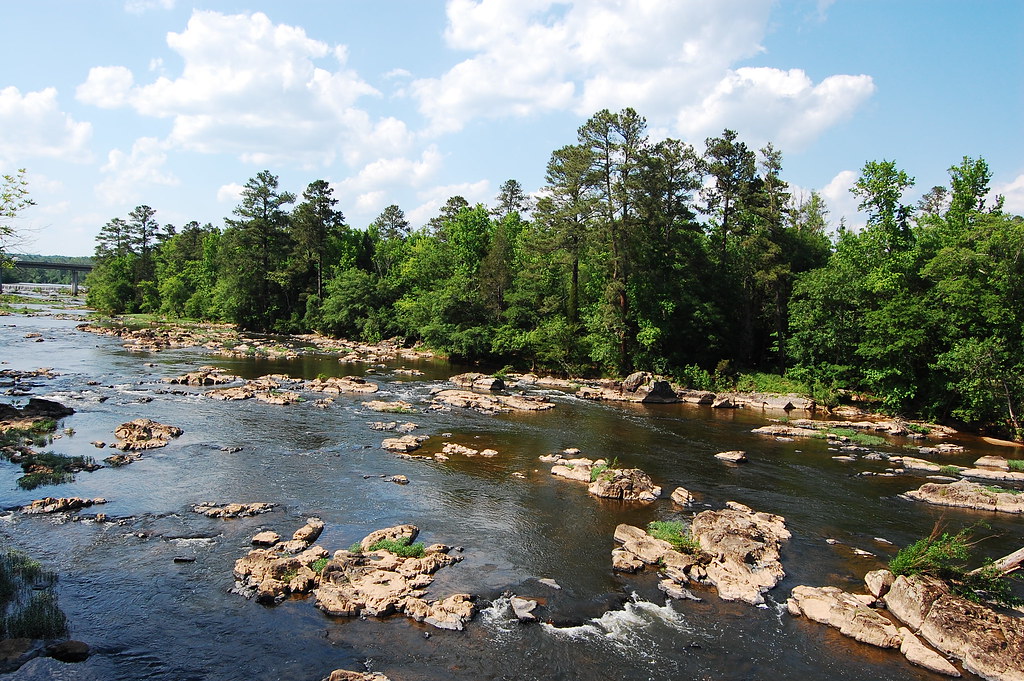
Haw River
Cape Fear River
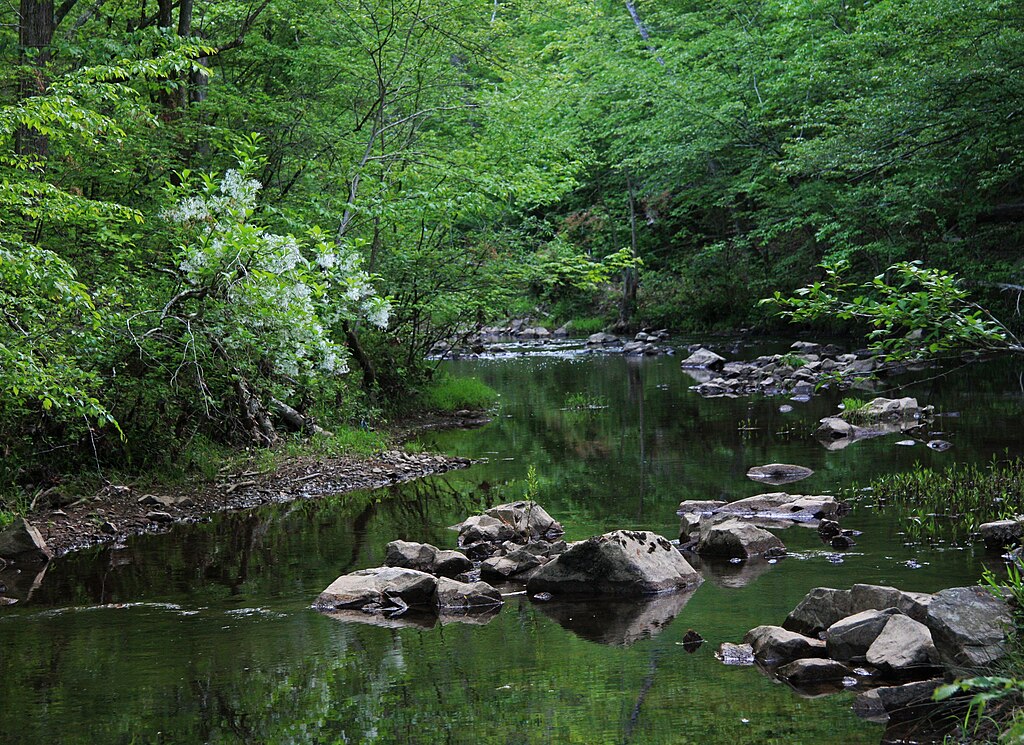
New Hope Creek
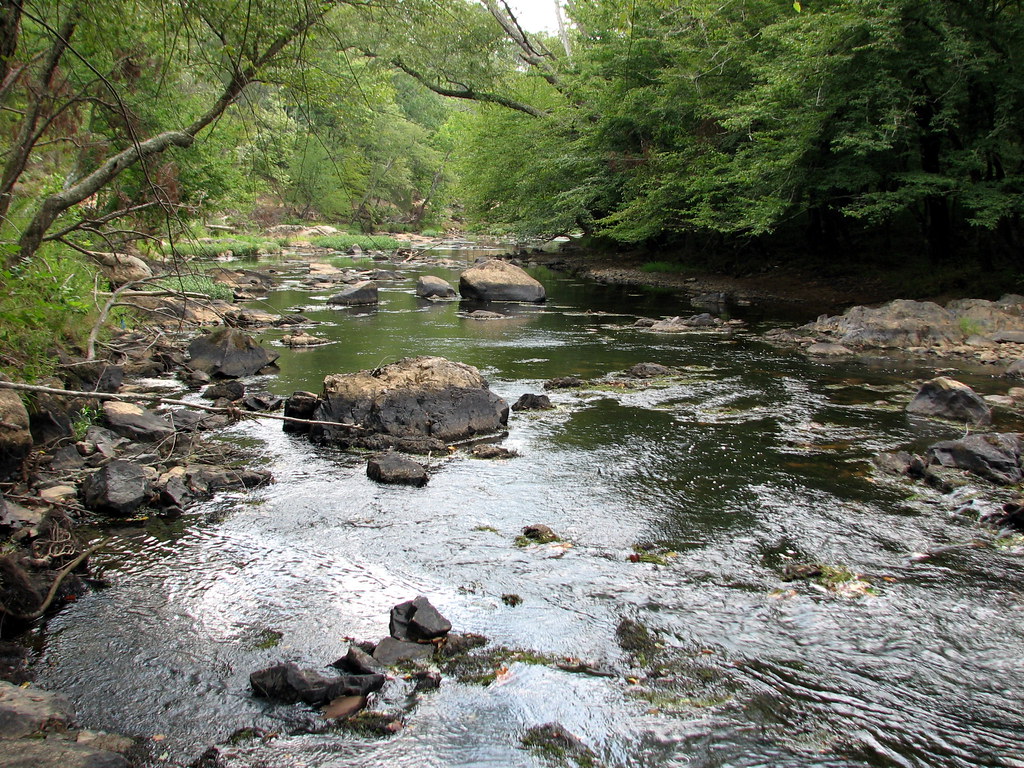
Eno River
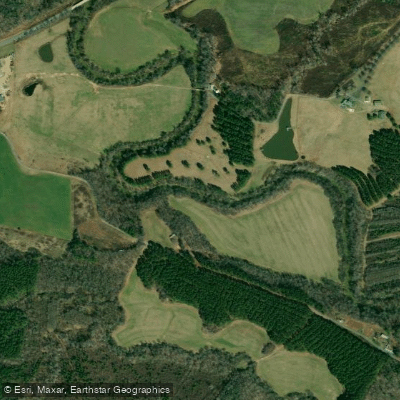
Uwharrie River
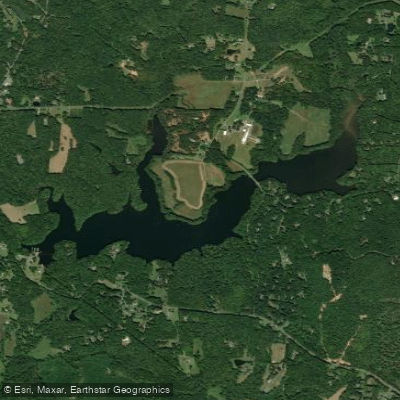
Back Creek Lake
What to know
Habitat Distribution
- Found throughout most rivers and lakes in North Carolina.
Key Locations
- Prime waters including the Cape Fear, Roanoke, Tar, Neuse, and Yadkin rivers, plus major reservoirs like Lake Norman, Badin Lake, Falls Lake, Lake Chatuge, Lake Phelps, Lake Mattamuskett, and Lake Waccamaw.
- They're also stocked in Community Fishing Program sites across the state.
Specific Spots
- Focus on areas with structure like submerged logs, undercut banks, deep holes, current breaks, and areas near bird roosts.
- Prime locations include the upper portions of reservoirs where rivers enter, along riprap banks, around standing timber, and in deeper pools adjacent to shallow flats.
- In rivers, target outside bends, confluences, and areas with current breaks.
Channel Catfish FAQ
Answers from onWater's species guide.
What are the best lures and bait for Channel Catfish in North Carolina?
Prepared "punch baits" or "fiber baits" are extremely effective - top brands include CJ's Catfish Punch Bait, Sudden Impact Fiber Bait, and Sure Shot Catfish Punch Bait. Other productive baits include chicken livers, nightcrawlers, cut shad, crayfish, and commercial stink baits.
When is the best time to fish for Channel Catfish in North Carolina?
The best fishing occurs from April through October, with peak action in summer months when water temperatures are stable and warm. Spring (March-May) and fall (September-October) offer excellent fishing as fish feed heavily during these transition periods.
How do you catch Channel Catfish in North Carolina?
The Secret Catfish Rig and slip bobber rigs work well in shallow water (5 feet or less), while slip sinker rigs are effective in deeper water.
What do Channel Catfish eat?
Channel Catfish are omnivorous bottom feeders. They feed on aquatic insects, crayfish, small fish, mollusks, plant material, and even seeds, primarily at night using their highly sensitive barbels to locate food.
Fish smarter with real-time insights
Whether you're en route and conditions shift or you're looking for the best spot based on current flows, we enable you to make informed decisions on the fly.




See it in the app
Most maps show you water.
onWater shows you Channel Catfish.



- 01 · Species map filter
Map every Channel Catfish water
Pick Channel Catfish and the map zeroes in on the waters they call home. No more guessing which lake holds them.
- 02 · Waterbody species
Tap any water. See what lives there.
Species, behavior and seasonal patterns for every lake, river and pond, before you leave the driveway.
- 03 · Angler Intelligence
Ask how to catch Channel Catfish
Tactics, gear and timing from onWater's AI fishing guide, tuned to the species and the water you're on.
Stop guessing where Channel Catfish are.
Open the map, filter by Channel Catfish, and head to water that holds them. Download onWater and plan your next trip in minutes.
- Species map filter
- Angler Intelligence
- Fishing journal
Explore other species
Trout, bass, salmon, panfish and everything in between. Each guide unpacks the behavior, seasons, and tactics that put fish in the net.
No species information available.
North Carolina licenses and regulations
Explore nearby waters
Explore North Carolina waters
Top fishing waters
Popular Cities
Loading popular cities...

Smarter Fishing Starts in the App.
onWater Fish gives you everything you need to plan smarter, fish better, and own every trip from first cast to last.