Largemouth Bass

Largemouth Bass are North Carolina's most widely distributed black bass species and the only native black bass in the coastal plain. They're found throughout the entire state, from mountain rivers to coastal bays, with populations considered good statewide.
Scientific Name: Micropterus salmoides
Fishing in North Carolina
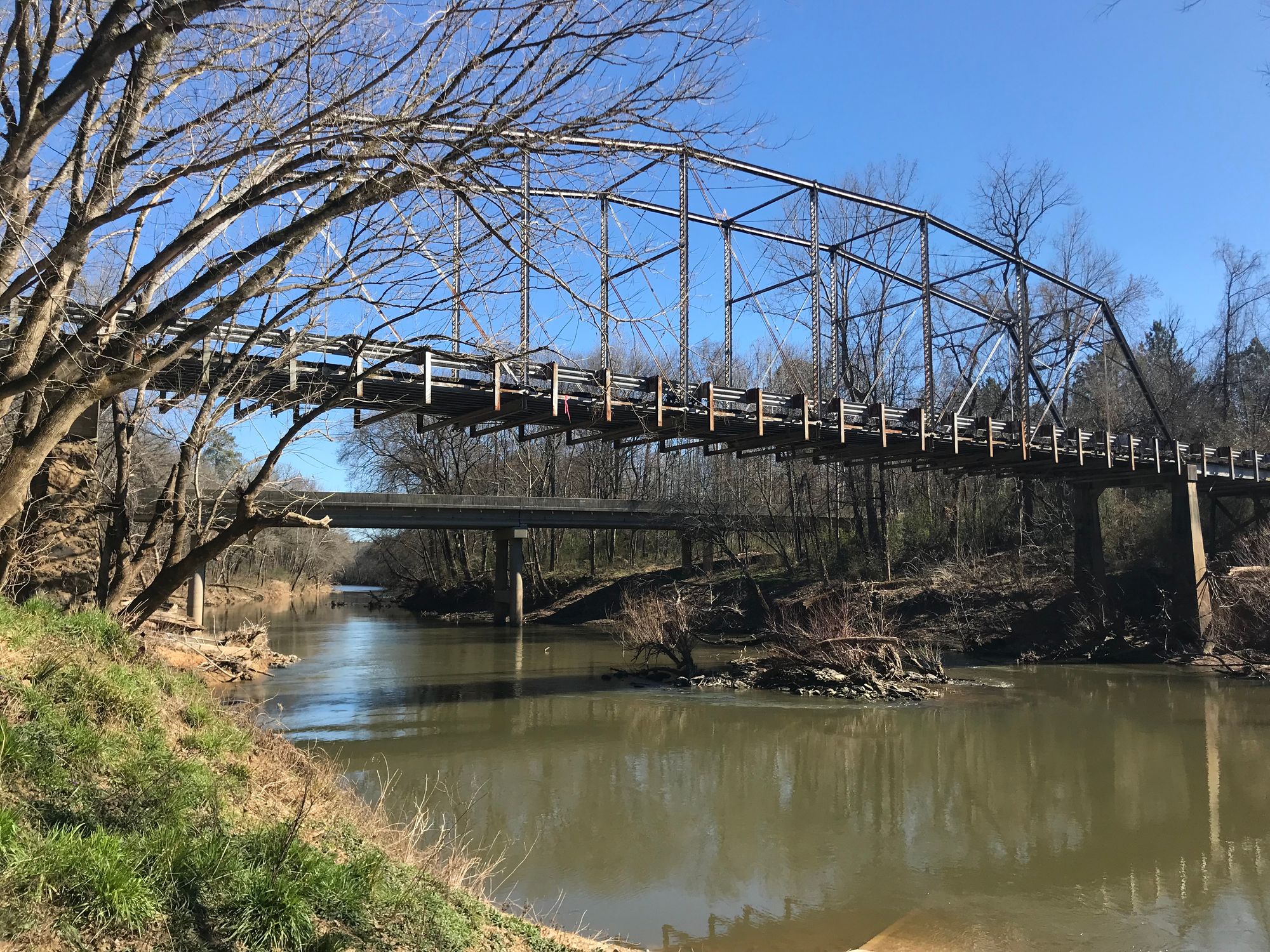
Deep River
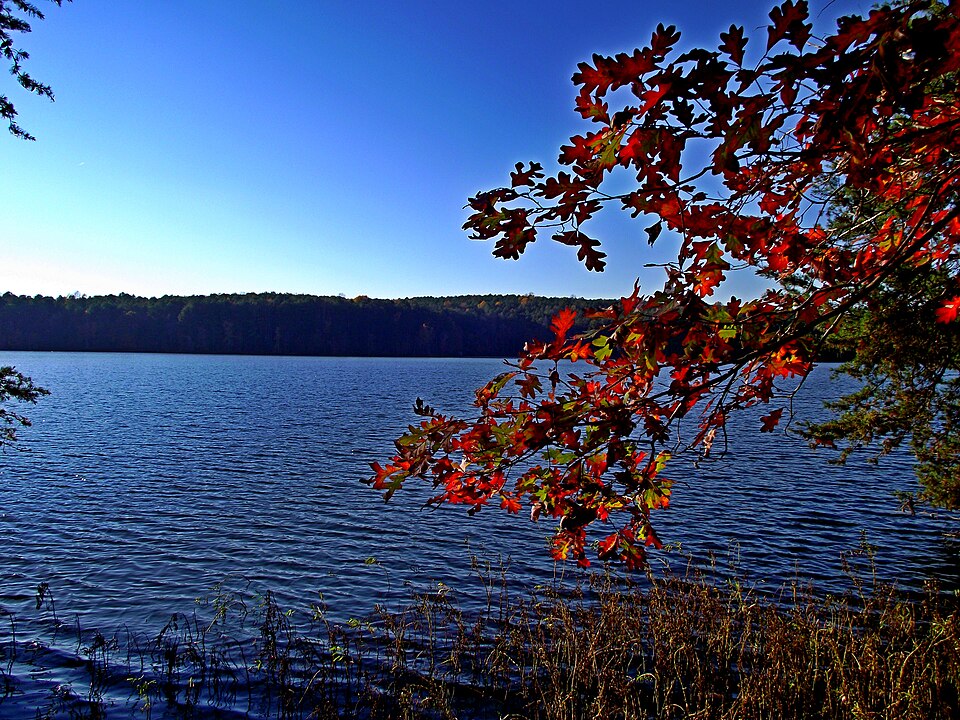
Badin Lake
Lake Tillery
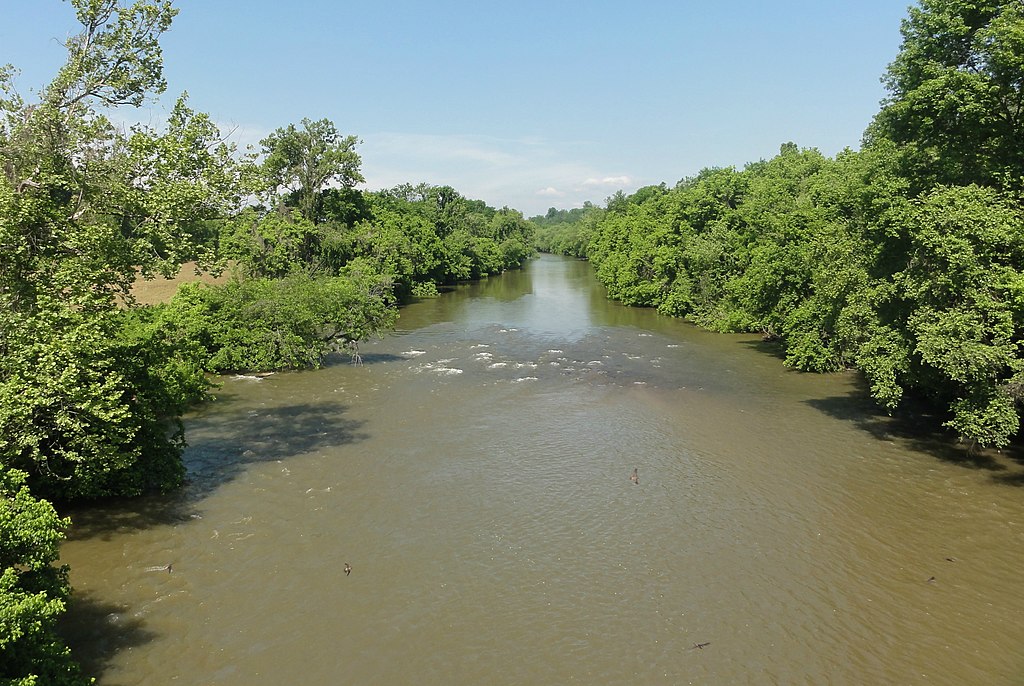
Yadkin River
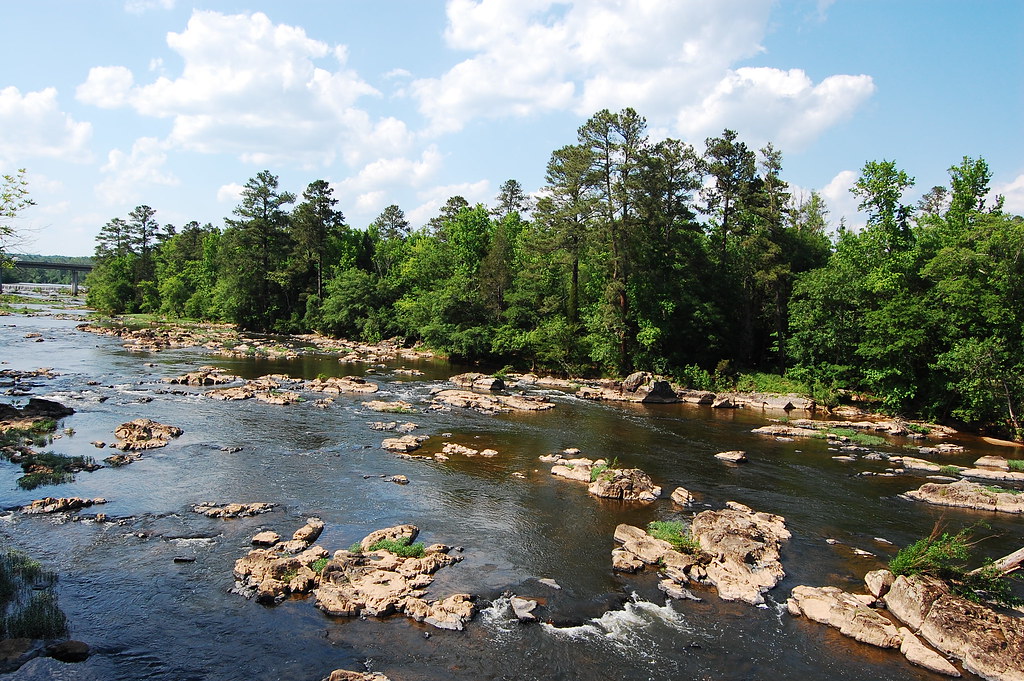
Haw River
Cape Fear River
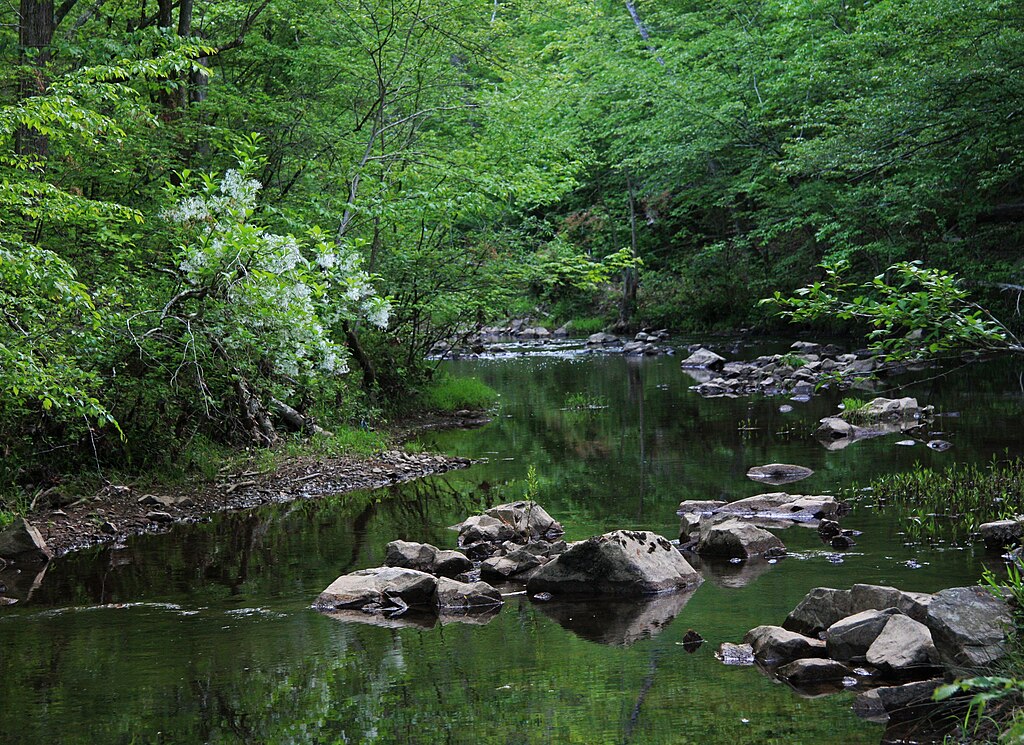
New Hope Creek
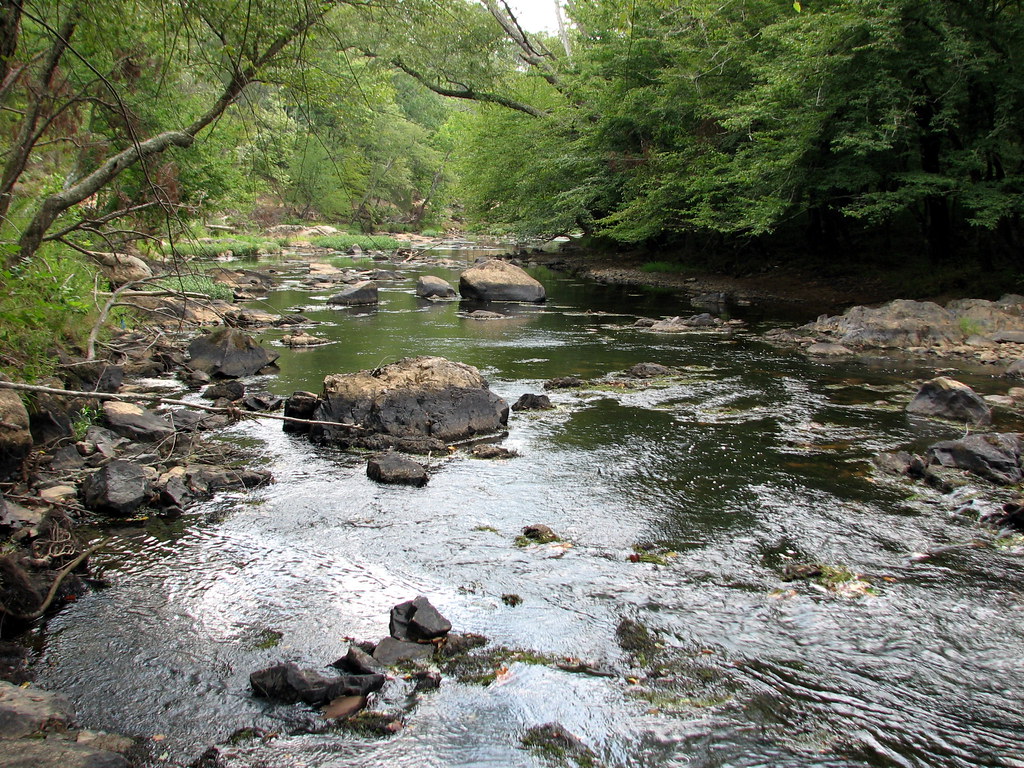
Eno River
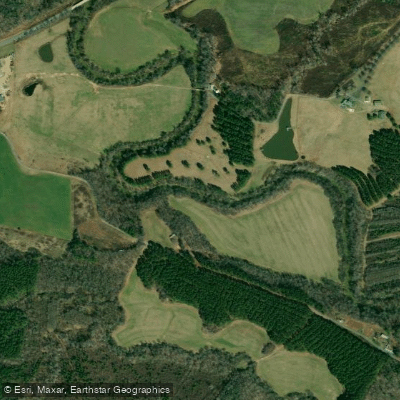
Uwharrie River
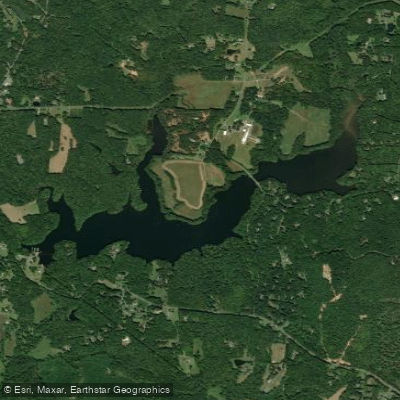
Back Creek Lake
What to know
Habitat Distribution
- The best populations occur in the Piedmont and Coastal Plain regions, where bass tend to grow faster and larger in reservoirs, though large fish are also common in farm ponds and coastal rivers.
- In the coastal plain's blackwater rivers and Piedmont/Mountain ponds and reservoirs.
Key Locations
- Piedmont region lakes (High Rock Lake, Lake Norman, Lake Wylie, Jordan Lake), eastern North Carolina waters (Lake Mattamuskeet, Roanoke River, Chowan River, Currituck Sound), and mountain reservoirs (Fontana Lake, Lake Chatuge).
Specific Spots
- They prefer habitat with abundant structure like weed beds, sunken logs, rocks, brush, standing timber, docks, and submerged vegetation, using this cover for ambush sites.
- Focus on structure like points, humps, drop-offs, bridge pilings, and old road beds.
Largemouth Bass FAQ
Answers from onWater's species guide.
What are the best lures and bait for Largemouth Bass in North Carolina?
Carolina rig with worm or soft plastic, crawfish and creature-style baits (especially in western North Carolina's rocky habitats), spinnerbaits and crankbaits for large, deep Piedmont reservoirs, dark-colored baits like weedless senko worms or drop shot rigs for coastal brackish rivers.
What flies work for Largemouth Bass in North Carolina?
Clouser Minnows (chartreuse/white, pink/white, gray/white), crawfish patterns like Cohen's Jiggy Craw, leeches for off-color water, shad patterns like Double Bunny, and diving bugs.
When is the best time to fish for Largemouth Bass in North Carolina?
Spring (March-May) and fall are prime seasons, with early spring and late fall offering excellent opportunities. The best largemouth bass fishing typically peaks in May. Spawning occurs in spring when water temperatures reach 63-68°F (typically May in North Carolina, but can start as early as March in warmer regions).
How do you catch Largemouth Bass in North Carolina?
The Carolina rig is particularly effective - it's aptly named after the region and consists of a worm or soft plastic with 12-18 inches of leader and bullet weight above a swivel. This rig works well in North Carolina's deep reservoirs and swift current rivers.
What do Largemouth Bass eat?
Adult largemouth are voracious predators that eat almost anything they can fit in their mouths, including fish (sunfish, minnows, shad), crayfish (red swamp, yazoo, belted, and painted crayfish), worms, frogs, salamanders, snakes, small birds, ducklings, and insects.
Fish smarter with real-time insights
Whether you're en route and conditions shift or you're looking for the best spot based on current flows, we enable you to make informed decisions on the fly.




See it in the app
Most maps show you water.
onWater shows you Largemouth Bass.



- 01 · Species map filter
Map every Largemouth Bass water
Pick Largemouth Bass and the map zeroes in on the waters they call home. No more guessing which lake holds them.
- 02 · Waterbody species
Tap any water. See what lives there.
Species, behavior and seasonal patterns for every lake, river and pond, before you leave the driveway.
- 03 · Angler Intelligence
Ask how to catch Largemouth Bass
Tactics, gear and timing from onWater's AI fishing guide, tuned to the species and the water you're on.
Stop guessing where Largemouth Bass are.
Open the map, filter by Largemouth Bass, and head to water that holds them. Download onWater and plan your next trip in minutes.
- Species map filter
- Angler Intelligence
- Fishing journal
Explore other species
Trout, bass, salmon, panfish and everything in between. Each guide unpacks the behavior, seasons, and tactics that put fish in the net.
No species information available.
North Carolina licenses and regulations
Explore nearby waters
Explore North Carolina waters
Top fishing waters
Popular Cities
Loading popular cities...

Smarter Fishing Starts in the App.
onWater Fish gives you everything you need to plan smarter, fish better, and own every trip from first cast to last.