Smallmouth Bass

Smallmouth Bass are widely distributed throughout western North Carolina's coolwater rivers and reservoirs in the mountain and foothill regions. Native populations exist in interior basin drainages while introduced populations inhabit Atlantic slope drainages.
These fish are considered common in western NC but rarely found in small ponds or lakes less than 25 feet deep.
Scientific Name: Micropterus dolomieu
Also known as bronzebacks
- Bronze to brownish green with dark vertical bars and distinctive red eyes.
- Growth rates vary significantly by location - it takes 5-6 years on average for a smallmouth to reach 12 inches in western NC, though some populations like the Broad River reach 12 inches in 2.8 years while others like the Hiwassee River (cooled by upstream dam releases) take 8.6 years.
- Fish exceeding 17 inches were found in 12% of surveyed waters.
Fishing in North Carolina
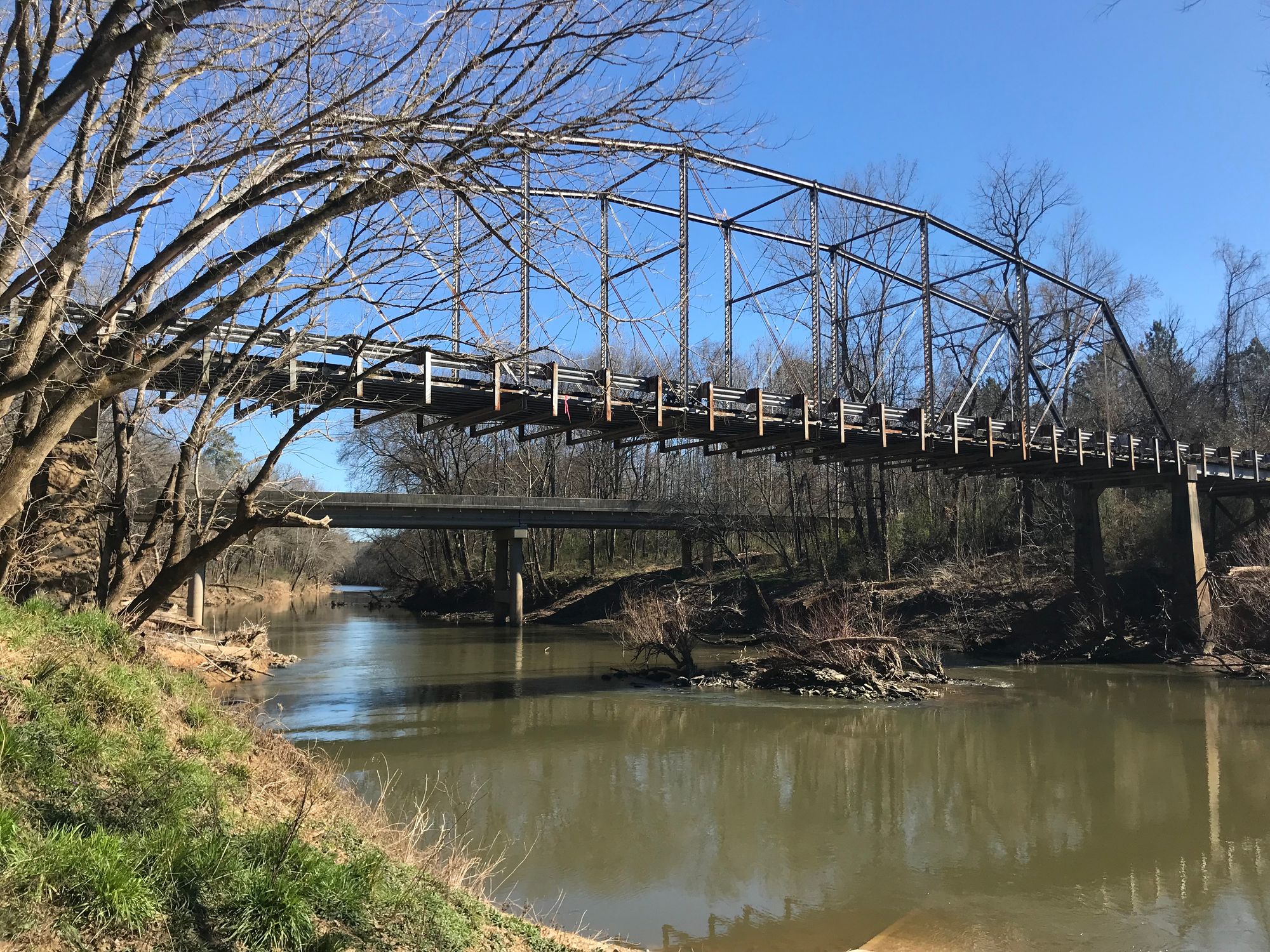
Deep River
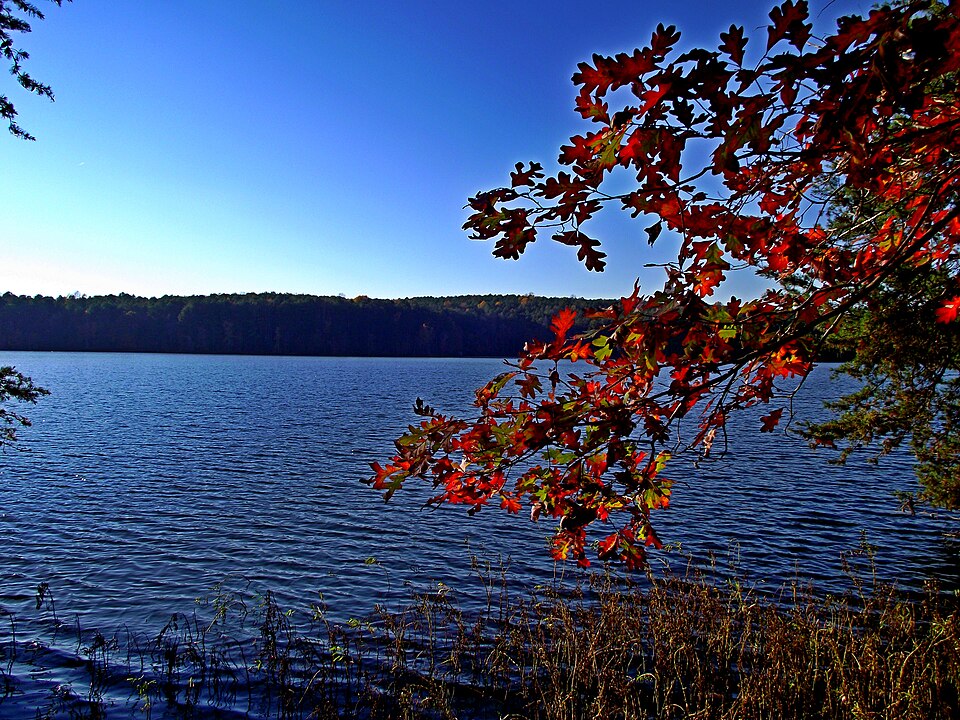
Badin Lake
Lake Tillery
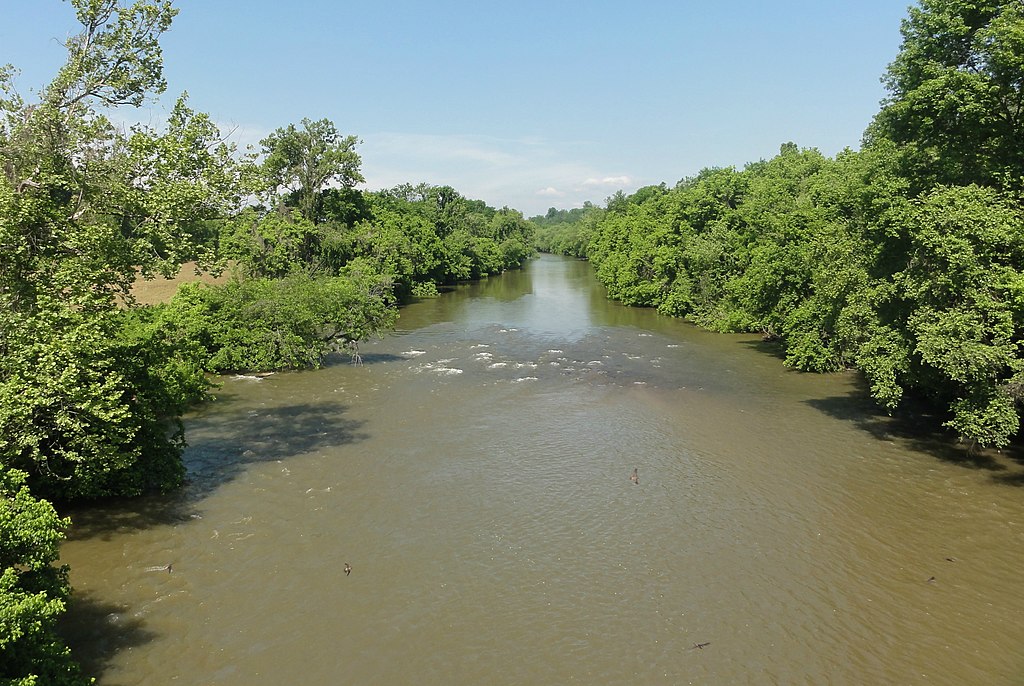
Yadkin River
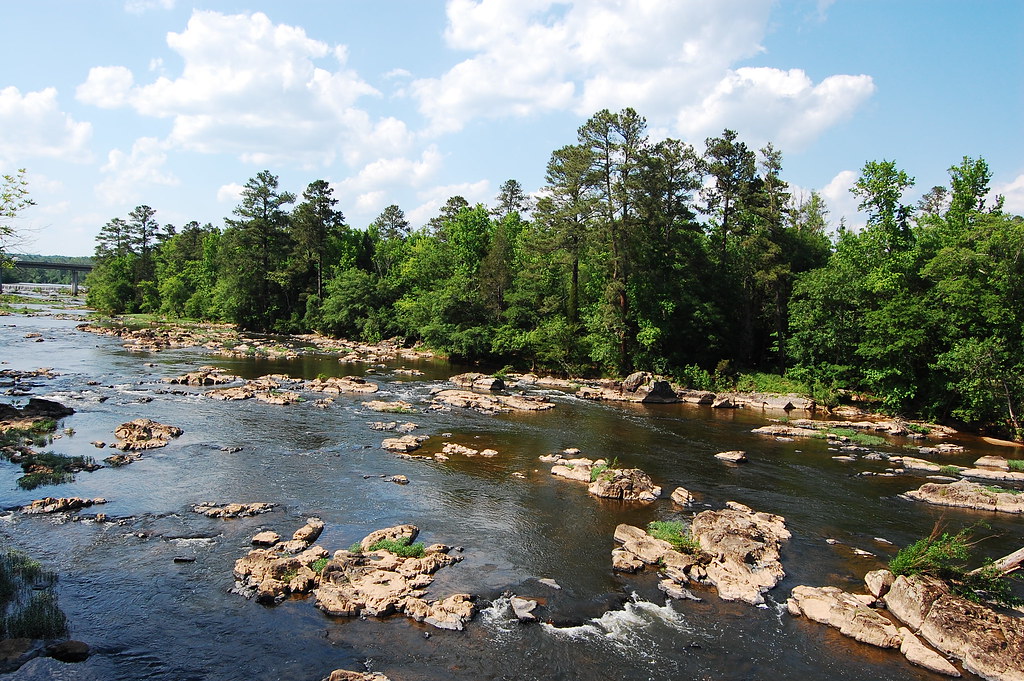
Haw River
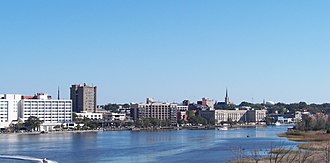
Cape Fear River
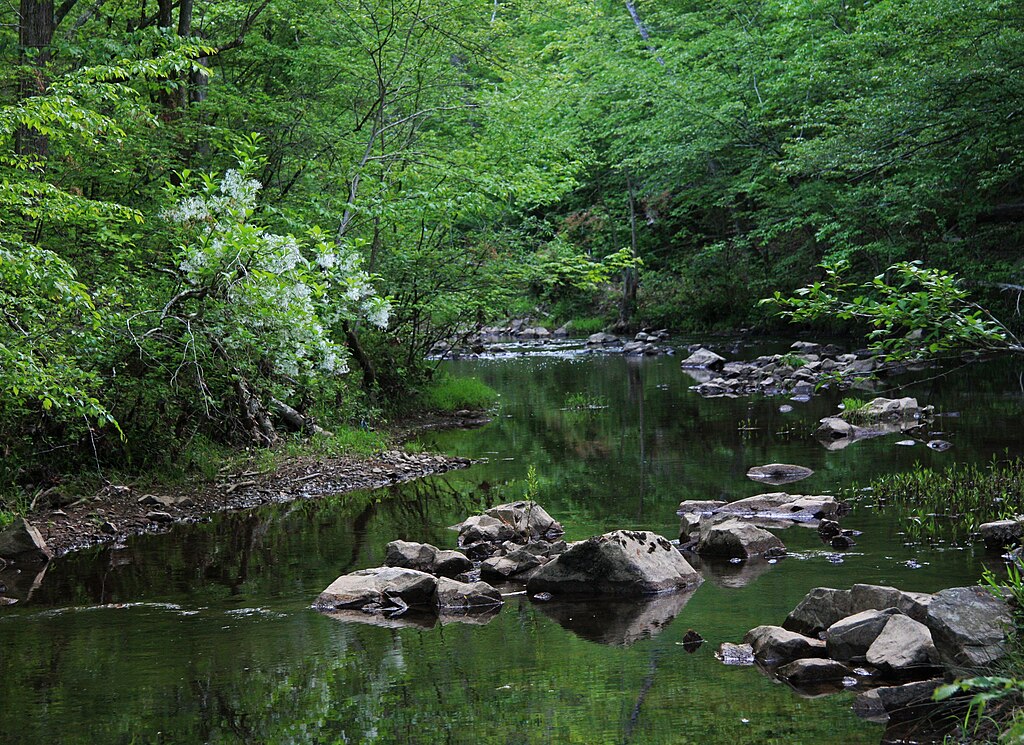
New Hope Creek
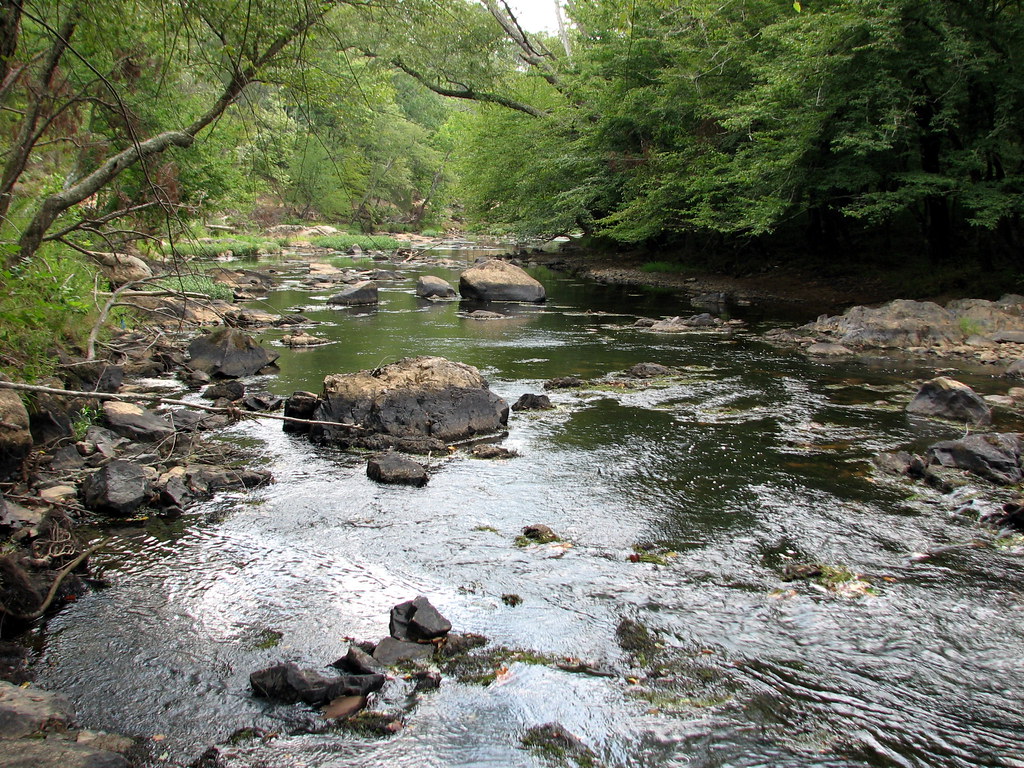
Eno River
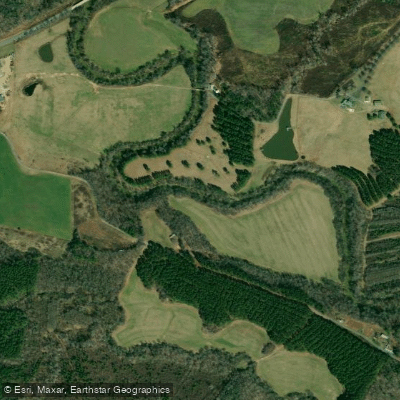
Uwharrie River
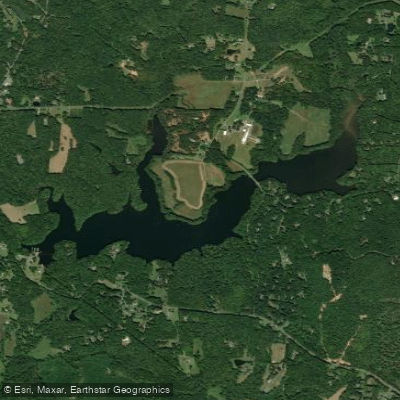
Back Creek Lake
What to know
Habitat Distribution
- Widely distributed throughout western North Carolina's coolwater rivers and reservoirs in the mountain and foothill regions.
- Native populations exist in interior basin drainages while introduced populations inhabit Atlantic slope drainages.
- Considered common in western NC but rarely found in small ponds or lakes less than 25 feet deep.
Key Locations
- Prime smallmouth waters include the New River, French Broad River, Little Tennessee River, Hiwassee River, along with reservoirs like Lake James, Fontana Lake, Lake Nantahala, and Lake Glenville.
- Prime waters include the Little Tennessee River from Lake Emory dam to Fontana Lake, New River system, French Broad River, and mountain lakes like Nantahala and Glenville.
Specific Spots
- They prefer rocky outcroppings, steep banks, ledges, drop-offs, deep pools, and diverse habitat with logs, stumps, and rock structures.
- Target pools between riffles, eddies behind boulders, and areas with current breaks.
- Wade fishing is productive along Needmore Road on the Little Tennessee.
Smallmouth Bass FAQ
Answers from onWater's species guide.
What are the best lures and bait for Smallmouth Bass in North Carolina?
Jerkbaits (Rapala Husky Jerk, X-Rap in olive/white), topwater baits (Heddon Tiny Torpedo, Whopper Plopper), small spinnerbaits (1/4 oz Beetlespin in black), and soft plastics on jigheads (tubes, ned rigs, 2-3 inch grubs in chartreuse). Fish crayfish-colored patterns (orange and brown) along rocky structure.
What flies work for Smallmouth Bass in North Carolina?
White poppers (#4-6) for topwater action, chartreuse over white Clouser minnows (#4-8) for baitfish imitation, black or olive wooly buggers (#4-6) fished near bottom, and white zonkers (#1-2) for streamer action.
When is the best time to fish for Smallmouth Bass in North Carolina?
Best smallmouth fishing occurs during spring (March-April for trophy fish), summer (June-July for consistent action), and fall (September-October when fish are aggressive and concentrated in low water).
How do you catch Smallmouth Bass in North Carolina?
Spring techniques focus on slow presentations with spinnerbaits, Texas-rigged soft plastics, and jigs in slack water. Summer calls for topwater lures at dawn/dusk and small crankbaits, jerkbaits, and soft plastics during midday in deeper runs.
What do Smallmouth Bass eat?
North Carolina smallmouth are opportunistic predators with juveniles feeding primarily on insects, small fish, zooplankton, and aquatic invertebrates. Adults consume a varied diet dominated by crayfish (60-90% of their diet in most waters), minnows, hellgrammites, salamanders, terrestrial insects, and small fish.
Fish smarter with real-time insights
Whether you're en route and conditions shift or you're looking for the best spot based on current flows, we enable you to make informed decisions on the fly.




See it in the app
Most maps show you water.
onWater shows you Smallmouth Bass.



- 01 · Species map filter
Map every Smallmouth Bass water
Pick Smallmouth Bass and the map zeroes in on the waters they call home. No more guessing which lake holds them.
- 02 · Waterbody species
Tap any water. See what lives there.
Species, behavior and seasonal patterns for every lake, river and pond, before you leave the driveway.
- 03 · Angler Intelligence
Ask how to catch Smallmouth Bass
Tactics, gear and timing from onWater's AI fishing guide, tuned to the species and the water you're on.
Stop guessing where Smallmouth Bass are.
Open the map, filter by Smallmouth Bass, and head to water that holds them. Download onWater and plan your next trip in minutes.
- Species map filter
- Angler Intelligence
- Fishing journal
Explore other species
Trout, bass, salmon, panfish and everything in between. Each guide unpacks the behavior, seasons, and tactics that put fish in the net.
No species information available.
North Carolina licenses and regulations
Explore nearby waters
Explore North Carolina waters
Top fishing waters
Popular Cities
Loading popular cities...

Smarter Fishing Starts in the App.
onWater Fish gives you everything you need to plan smarter, fish better, and own every trip from first cast to last.