Black Buffalo

Black Buffalo are not native to North Carolina but were historically stocked in the Pee Dee and Catawba river drainages in the early 1900s as part of buffalo fish introductions.
These large catostomid fish are bottom-feeders that can live over 24 years and reach substantial sizes, with some specimens exceeding 80 pounds, making them powerful fighters when hooked.
Scientific Name: Ictiobus niger
These large catostomid fish are characterized by their slate to bronze coloration with greenish overcast, bronze sides, and lighter belly.
They have dark olive to slate fins, broadly rounded heads with small mouths containing fragile pharyngeal teeth, and distinctive sickle-shaped dorsal fins with 27-31 rays.
Fishing in North Carolina
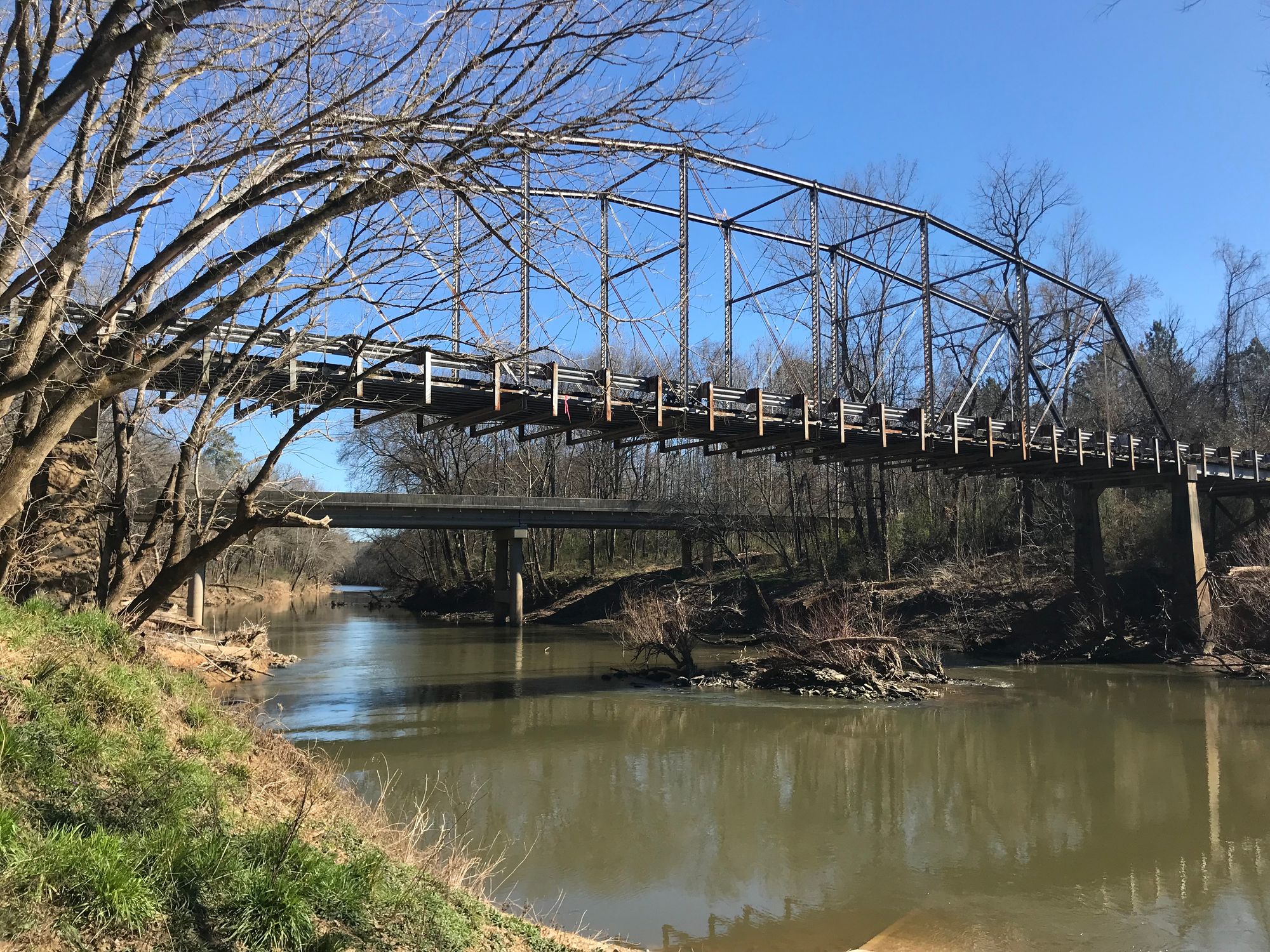
Deep River
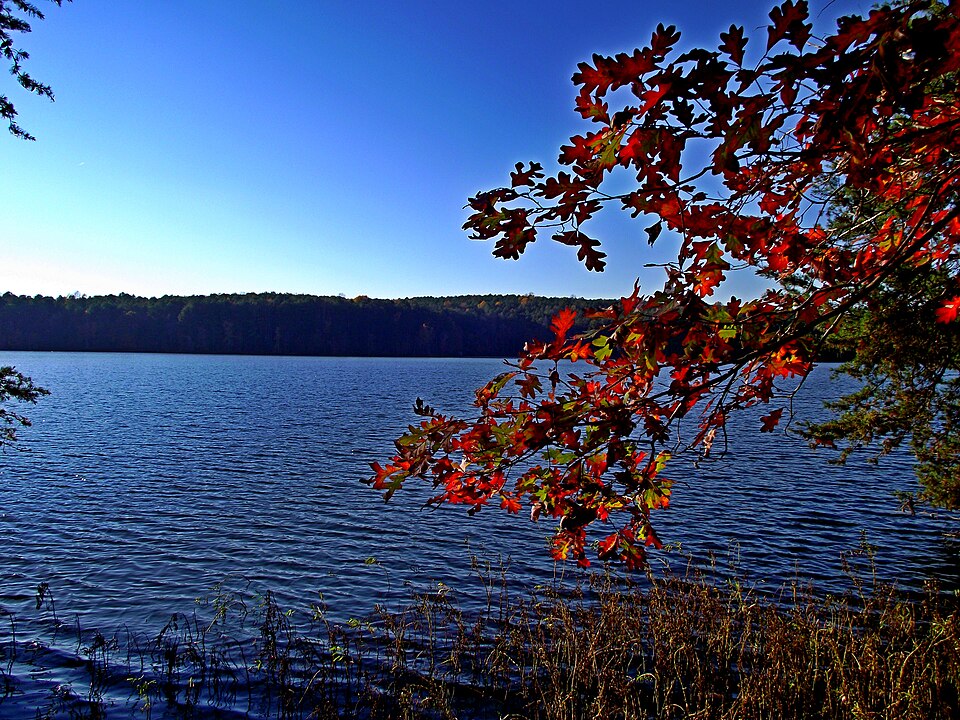
Badin Lake
Lake Tillery
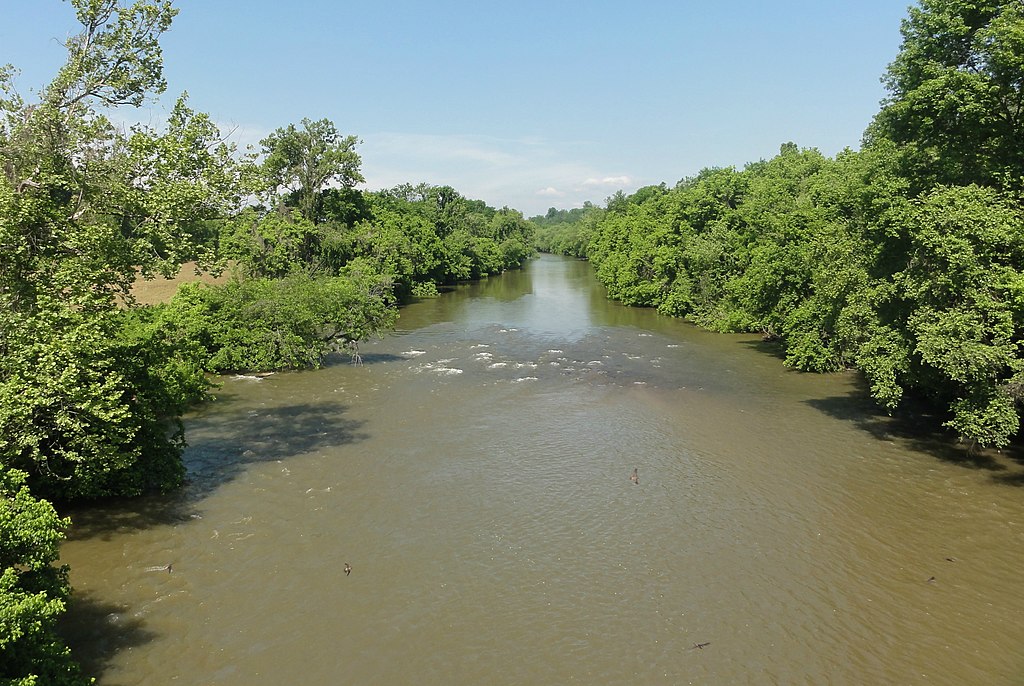
Yadkin River
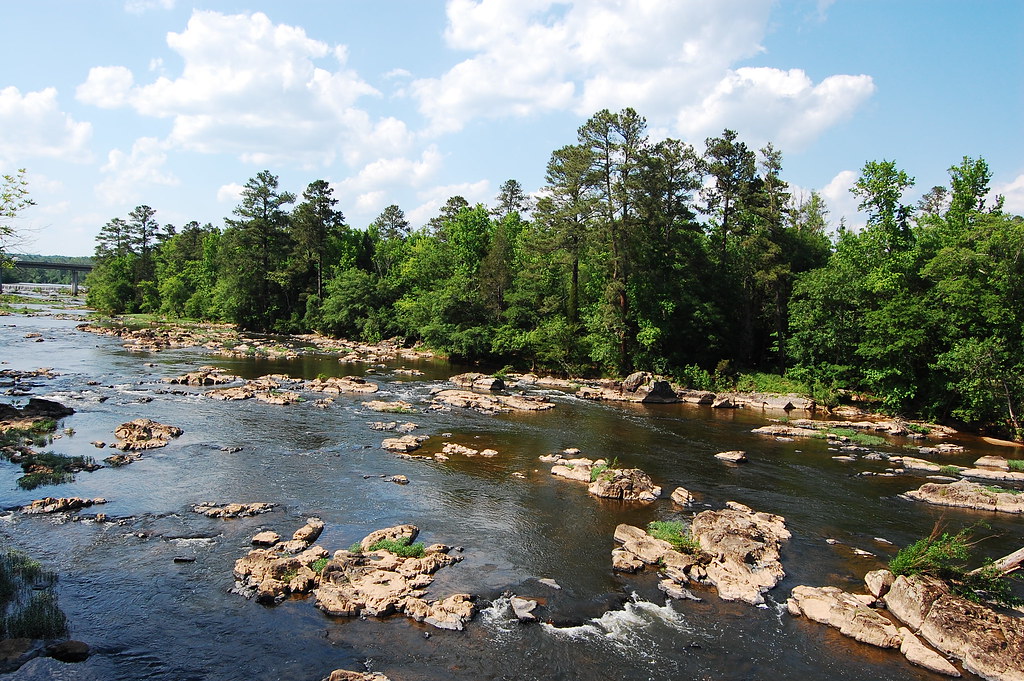
Haw River
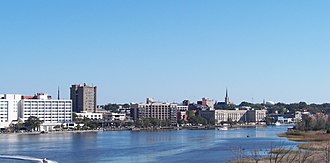
Cape Fear River
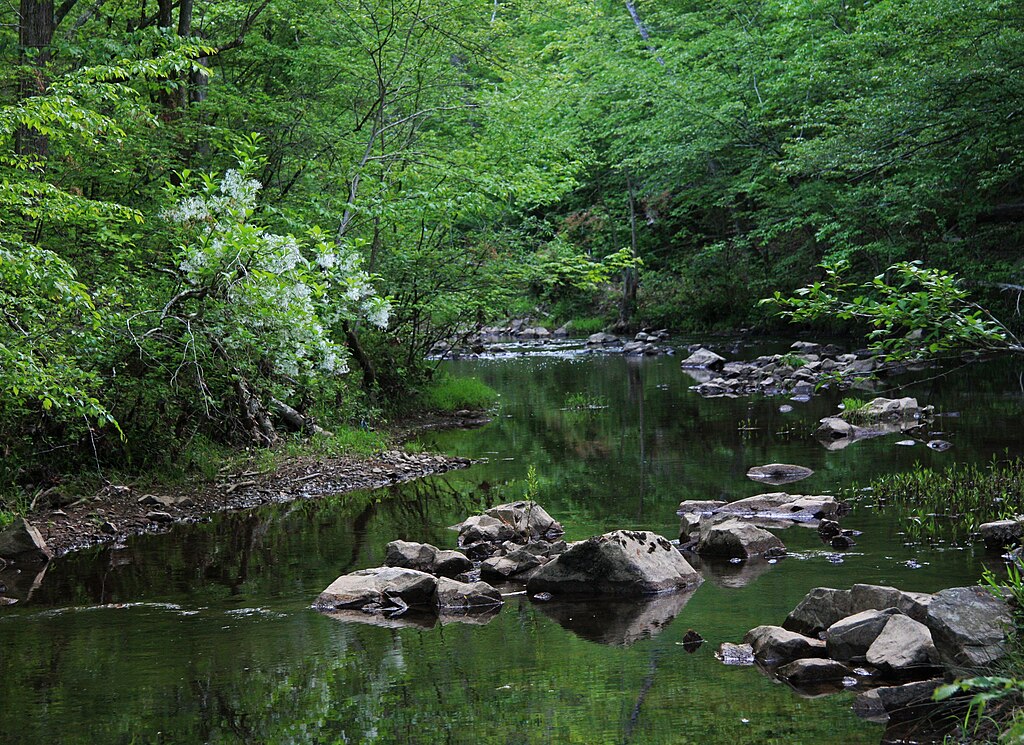
New Hope Creek
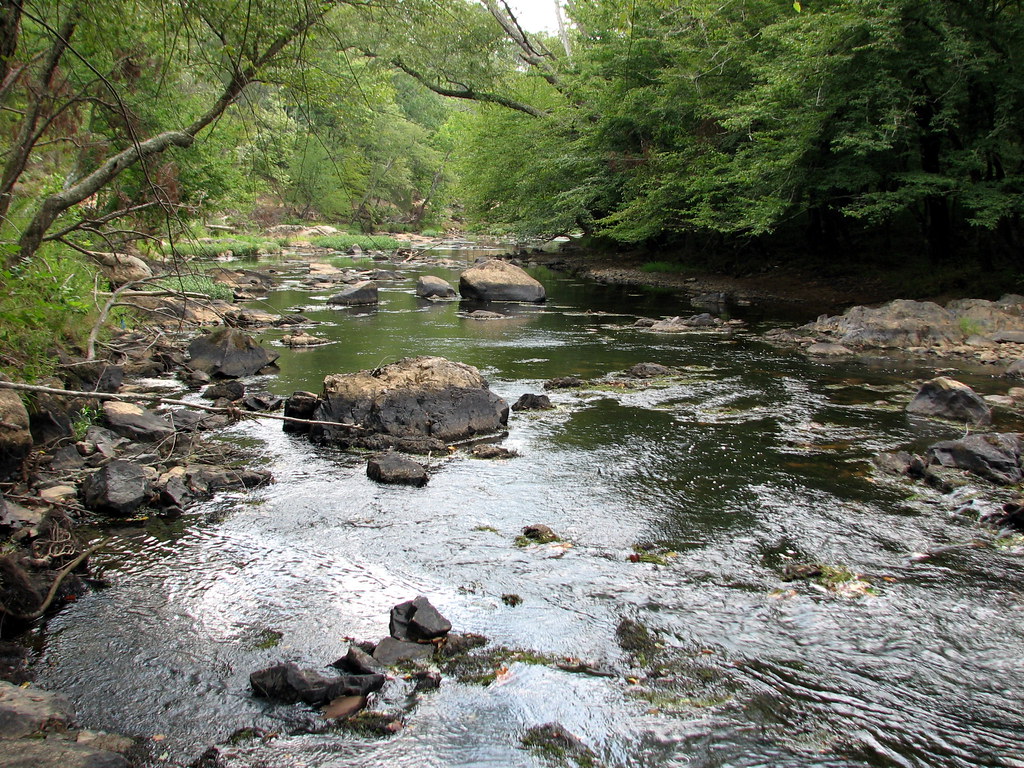
Eno River
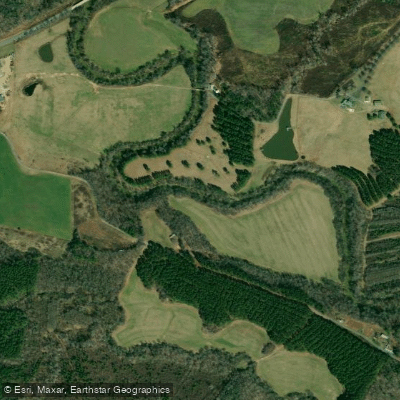
Uwharrie River
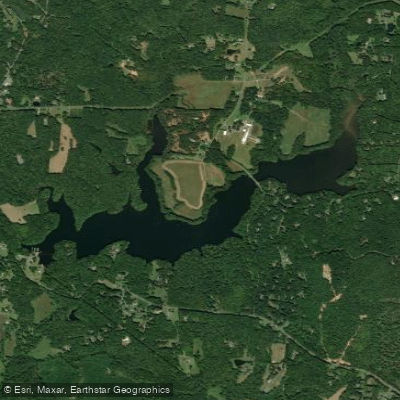
Back Creek Lake
What to know
Habitat Distribution
They prefer deeper waters than other buffalo species, inhabiting pools and backwaters of medium to large rivers, reservoirs, and lakes with strong currents.Key Locations
French Broad River system where reintroduction efforts have occurred, and Lake Gaston.Specific Spots
Target areas with muddy or sandy bottoms near aquatic vegetation, current breaks, and deeper pools.Black Buffalo FAQ
Answers from onWater's species guide.
What are the best lures and bait for Black Buffalo in North Carolina?
Effective baits include corn, dough balls, earthworms, and plant-based attractants that mimic their herbivorous diet. Pack baits made from oats, cream corn, and calf manna can attract and hold fish in an area.
When is the best time to fish for Black Buffalo in North Carolina?
Fish during warmer months from late spring through early fall when they're most active, avoiding April-May spawning periods. Water temperatures between 60-75°F provide optimal fishing conditions.
How do you catch Black Buffalo in North Carolina?
Bottom-fishing with heavy weights is essential. Hair rigs and blowback rigs work well to accommodate their subtle feeding style where they investigate baits thoroughly before committing.
What do Black Buffalo eat?
Black Buffalo are bottom-feeders with a primarily benthic diet, consuming algae, diatoms, small crustaceans, native mollusks, insects, aquatic plants including duckweed, and notably large quantities of introduced Asiatic clams.
Where do Black Buffalo live in North Carolina?
They prefer deeper waters than other buffalo species, inhabiting pools and backwaters of medium to large rivers, reservoirs, and lakes with strong currents.
Fish smarter with real-time insights
Whether you're en route and conditions shift or you're looking for the best spot based on current flows, we enable you to make informed decisions on the fly.




See it in the app
Most maps show you water.
onWater shows you Black Buffalo.



- 01 · Species map filter
Map every Black Buffalo water
Pick Black Buffalo and the map zeroes in on the waters they call home. No more guessing which lake holds them.
- 02 · Waterbody species
Tap any water. See what lives there.
Species, behavior and seasonal patterns for every lake, river and pond, before you leave the driveway.
- 03 · Angler Intelligence
Ask how to catch Black Buffalo
Tactics, gear and timing from onWater's AI fishing guide, tuned to the species and the water you're on.
Stop guessing where Black Buffalo are.
Open the map, filter by Black Buffalo, and head to water that holds them. Download onWater and plan your next trip in minutes.
- Species map filter
- Angler Intelligence
- Fishing journal
Explore other species
Trout, bass, salmon, panfish and everything in between. Each guide unpacks the behavior, seasons, and tactics that put fish in the net.
No species information available.
North Carolina licenses and regulations
Explore nearby waters
Explore North Carolina waters
Top fishing waters
Popular Cities
Loading popular cities...

Smarter Fishing Starts in the App.
onWater Fish gives you everything you need to plan smarter, fish better, and own every trip from first cast to last.