Rainbow Trout

Rainbow Trout are non-native to North Carolina, having been introduced from western North America in the late 1800s and early 1900s by logging companies.
They've since become well-established throughout western North Carolina's mountain streams, lakes, and rivers, comprising about 40% of current stocking efforts by the North Carolina Wildlife Resources Commission.
Scientific Name: Oncorhynchus mykiss
- Rainbow Trout are distinguished by their broad lateral stripe ranging from pink to red, olive-green backs, whitish bellies, and heavy black speckling on all fins and body.
- They typically range 10-16 inches in mountain streams, weighing 2-6 pounds, though North Carolina's state record is an impressive 20 pounds, 3 ounces caught in the Horsepasture River.
Fishing in North Carolina
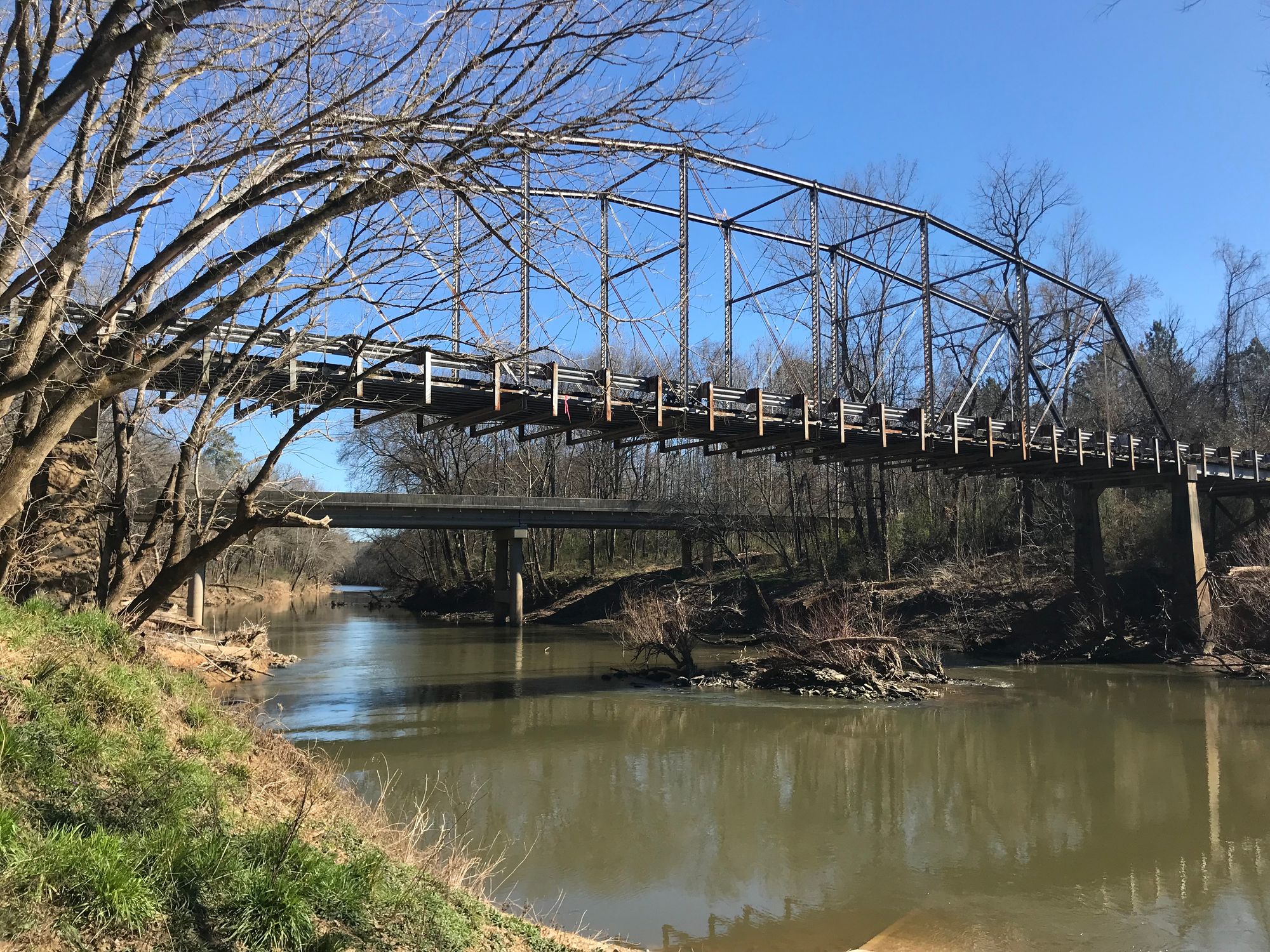
Deep River

Badin Lake

Lake Tillery
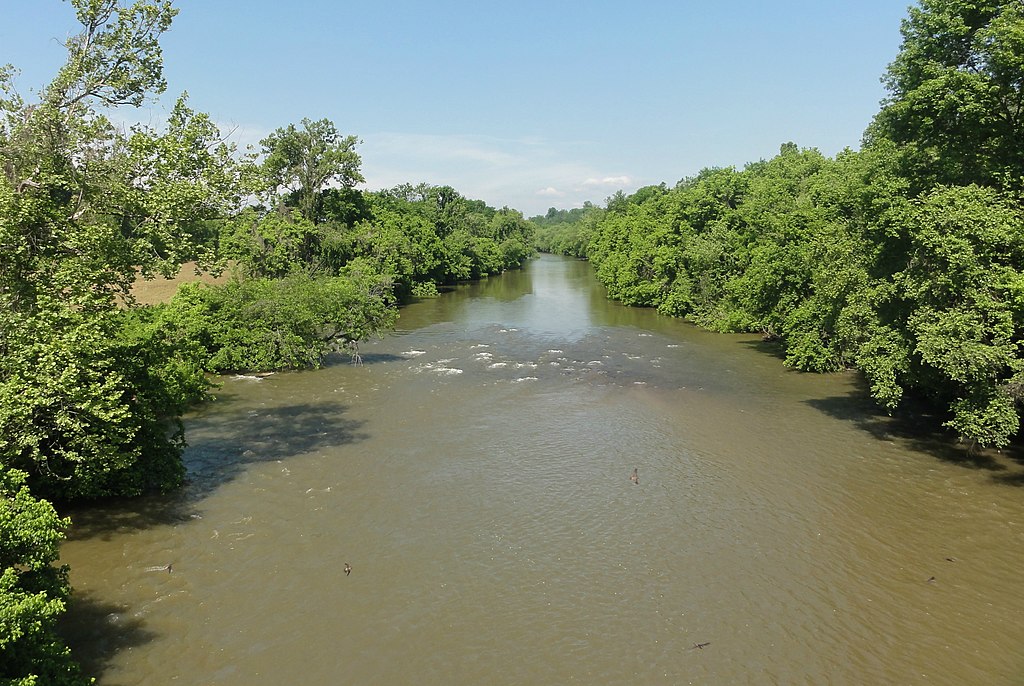
Yadkin River
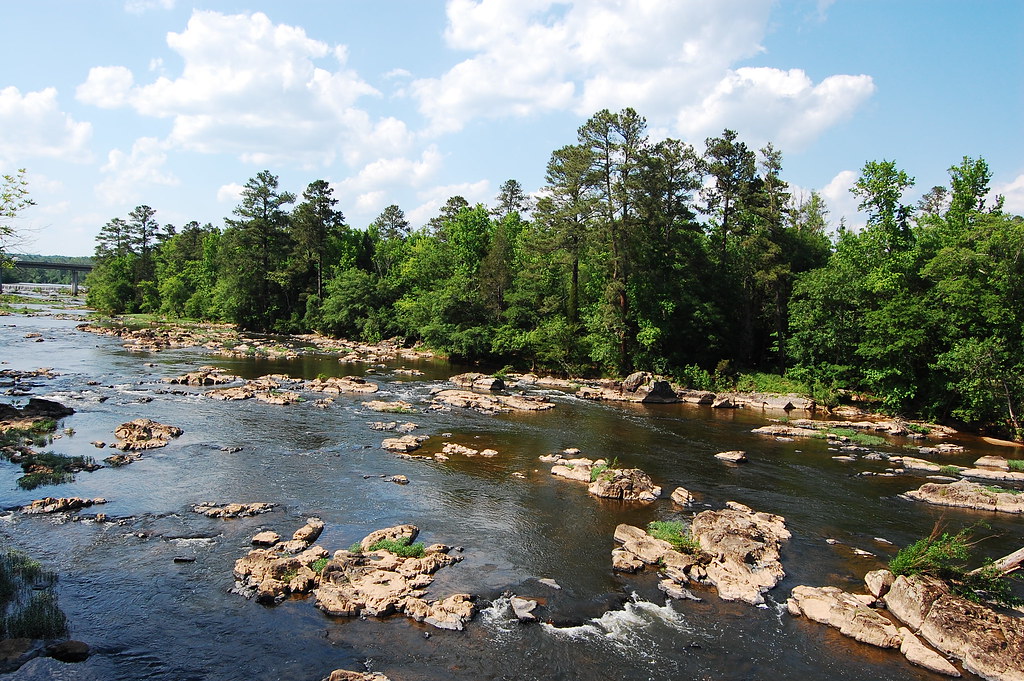
Haw River

Cape Fear River

New Hope Creek
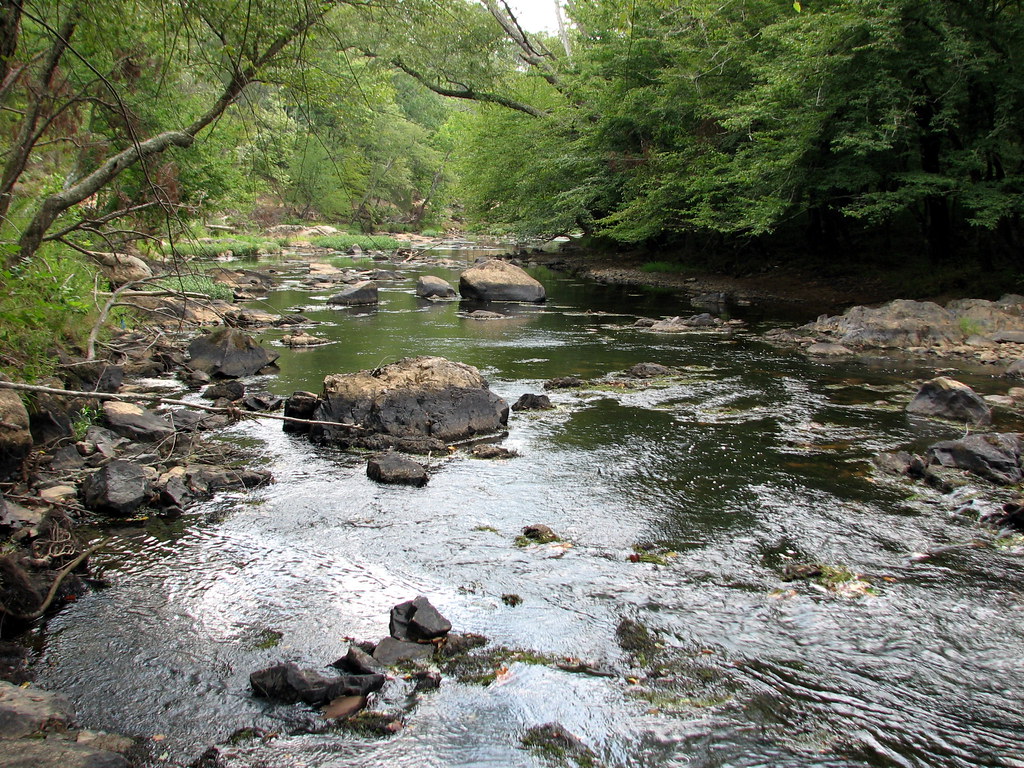
Eno River
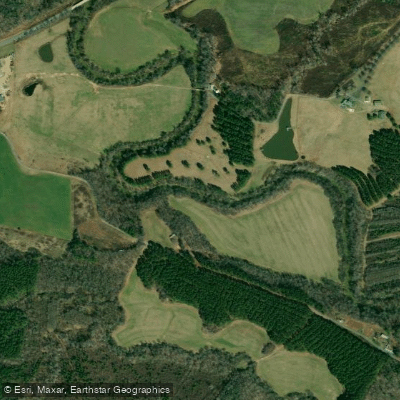
Uwharrie River
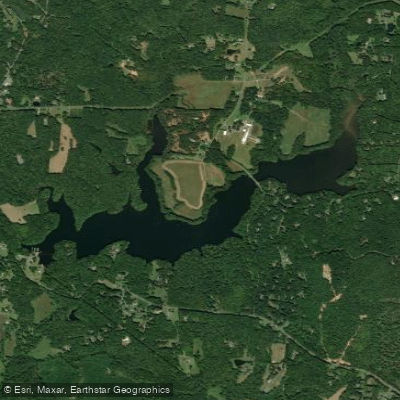
Back Creek Lake
What to know
Habitat Distribution
- They favor faster currents like riffles and swift runs more than Brook or Brown Trout.
- Rainbow Trout can tolerate warmer waters and higher pollution levels than Brook Trout, allowing them to inhabit lower stream reaches.
- North Carolina supports both wild reproducing populations and extensive hatchery stocking programs across over 3,000 miles of suitable trout waters in the western mountain region.
Key Locations
- Prime locations include the Davidson River, Tuckasegee River, Nantahala River, Cullasaja River, East Fork of the French Broad River, and numerous streams throughout the Great Smoky Mountains and Appalachian regions.
- Cherokee's managed fishery offers exceptional opportunities with 30 miles of accessible water and high fish density.
Specific Spots
- Target areas behind large rocks and structures that break current, overhanging bushes and trees, slow-moving deep waters behind structures, drop-offs near riffles, and partially submerged objects.
- Rainbow Trout prefer moving water that delivers food.
Rainbow Trout FAQ
Answers from onWater's species guide.
What are the best lures and bait for Rainbow Trout in North Carolina?
Small spinners and spoons in silver colors. Natural baits like worms (hooked once or twice at the thickest section, not balled up), corn, crayfish, grasshoppers, and small baitfish work well, particularly for hatchery-reared fish.
What flies work for Rainbow Trout in North Carolina?
Productive fly patterns include dry flies like size 18 Adams, Neversink caddis, nymphs such as Pheasant Tail, streamers, and soft-hackle flies that can represent various stages of locally hatching insects.
When is the best time to fish for Rainbow Trout in North Carolina?
The prime fishing seasons for Rainbow Trout in North Carolina are April-June and October-December, with spring and fall offering the best combination of fish activity and comfortable conditions.
How do you catch Rainbow Trout in North Carolina?
Cast 45 degrees upstream and work lures across suspected feeding lanes. Retrieve at the slowest speed that maintains proper blade rotation. Match the hatch by selecting flies that imitate insects on or in the water.
What do Rainbow Trout eat?
These fish are opportunistic feeders, consuming aquatic and terrestrial insects, crustaceans, snails, leeches, crayfish, grasshoppers, worms, and small fish. Young Rainbow Trout focus primarily on small insects.
Fish smarter with real-time insights
Whether you're en route and conditions shift or you're looking for the best spot based on current flows, we enable you to make informed decisions on the fly.




See it in the app
Most maps show you water.
onWater shows you Rainbow Trout.



- 01 · Species map filter
Map every Rainbow Trout water
Pick Rainbow Trout and the map zeroes in on the waters they call home. No more guessing which lake holds them.
- 02 · Waterbody species
Tap any water. See what lives there.
Species, behavior and seasonal patterns for every lake, river and pond, before you leave the driveway.
- 03 · Angler Intelligence
Ask how to catch Rainbow Trout
Tactics, gear and timing from onWater's AI fishing guide, tuned to the species and the water you're on.
Stop guessing where Rainbow Trout are.
Open the map, filter by Rainbow Trout, and head to water that holds them. Download onWater and plan your next trip in minutes.
- Species map filter
- Angler Intelligence
- Fishing journal
Explore other species
Trout, bass, salmon, panfish and everything in between. Each guide unpacks the behavior, seasons, and tactics that put fish in the net.
No species information available.
North Carolina licenses and regulations
Explore nearby waters
Explore North Carolina waters
Top fishing waters
Popular Cities
Loading popular cities...

Smarter Fishing Starts in the App.
onWater Fish gives you everything you need to plan smarter, fish better, and own every trip from first cast to last.