Hickory Shad

Hickory Shad are anadromous fish native to the Atlantic Coast that spend most of their adult lives at sea but enter North Carolina's freshwater rivers each spring to spawn.
North Carolina hosts some of the largest Hickory Shad populations along the Atlantic Coast, particularly in coastal rivers and Albemarle Sound.
These fish are highly sought by recreational anglers for their acrobatic fighting ability, often leaping like miniature tarpon when hooked.
Scientific Name: Alosa mediocris
- Distinguished from American Shad by their protruding lower jaw and smaller size, typically weighing 1-2 pounds with occasional 3-pound trophies.
- Hickory Shad are grayish-green on top fading to silvery sides with a dark shoulder spot often followed by several fainter spots.
Fishing in North Carolina
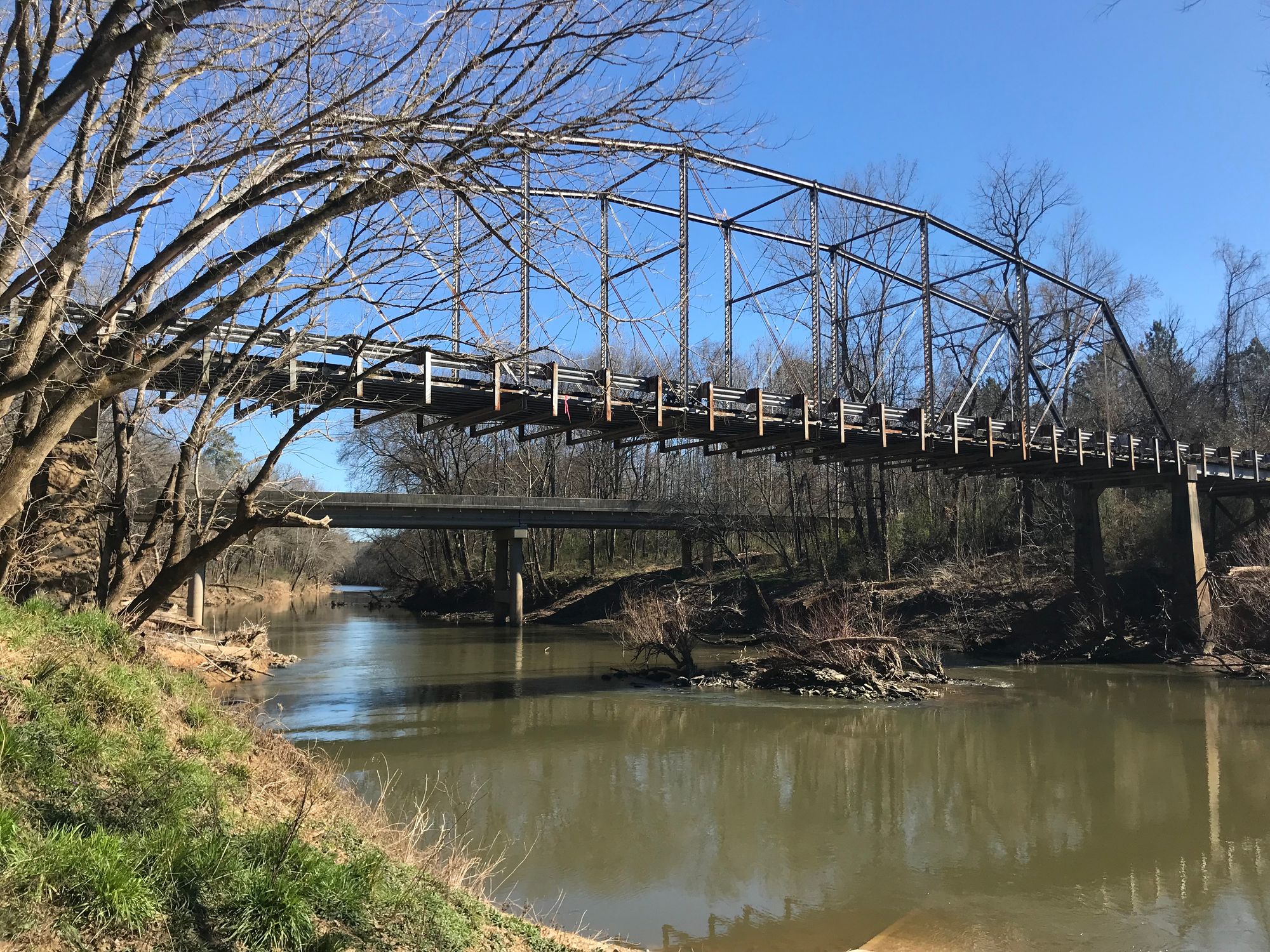
Deep River
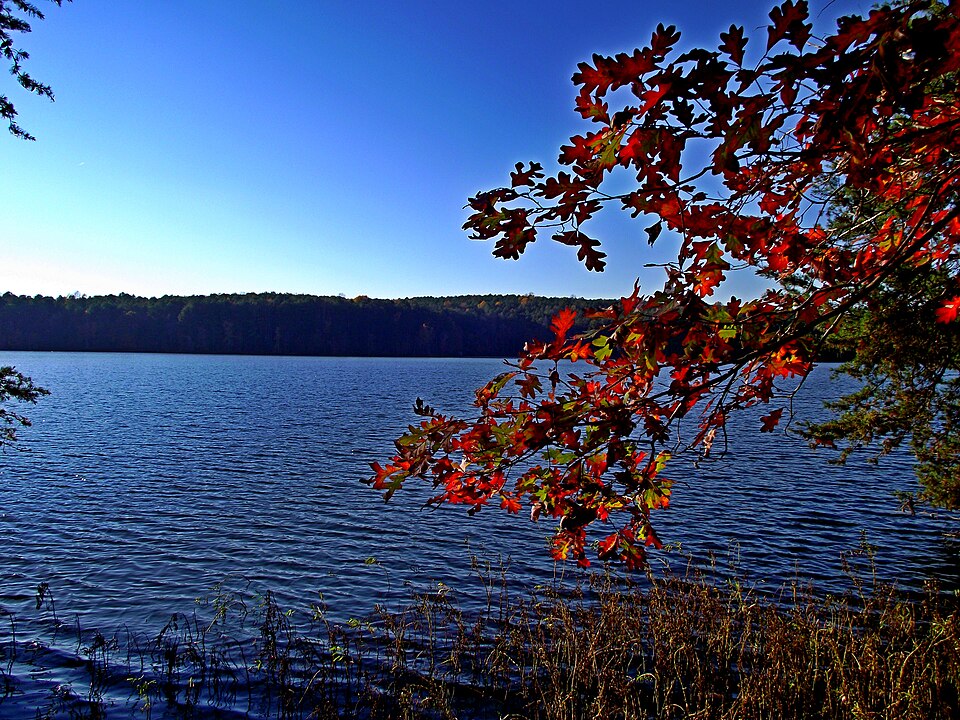
Badin Lake
Lake Tillery
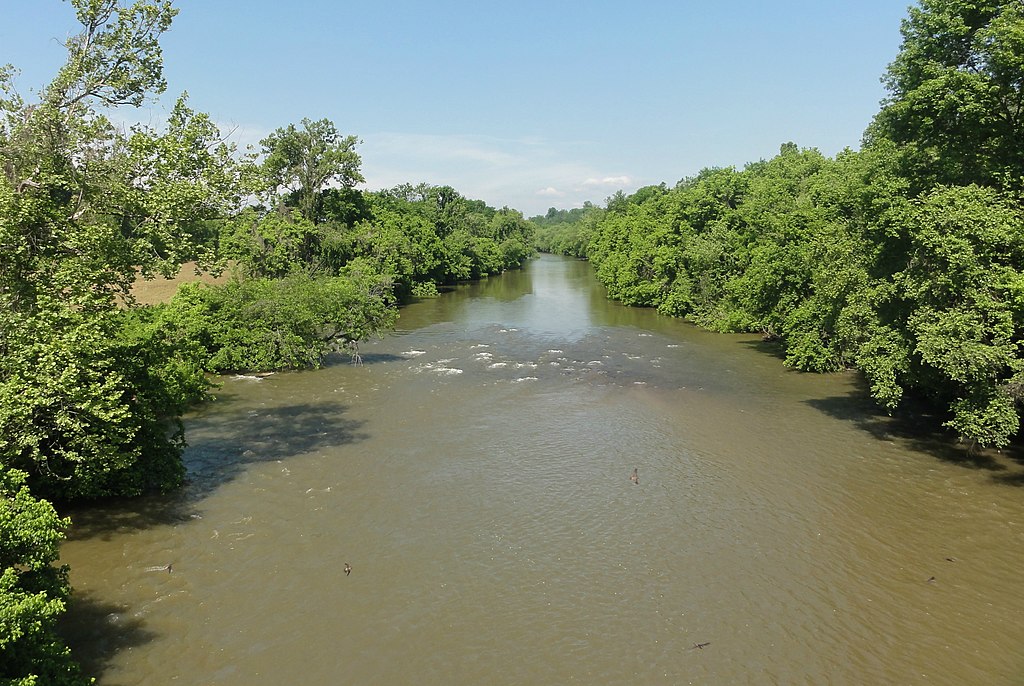
Yadkin River
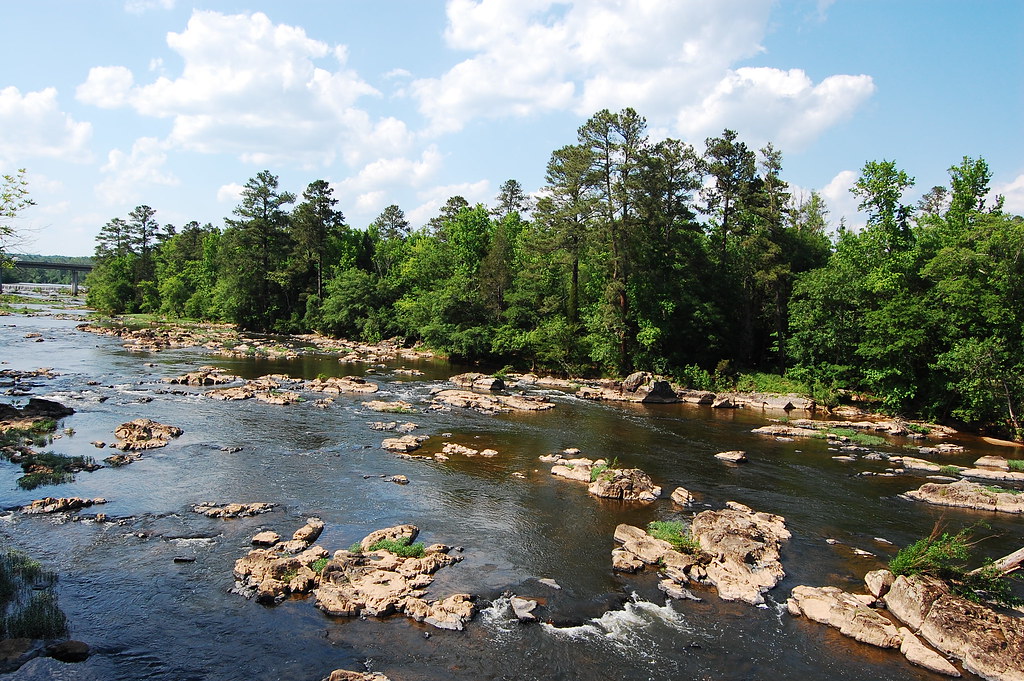
Haw River
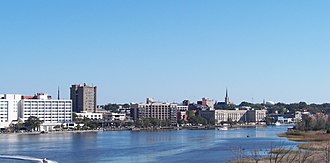
Cape Fear River
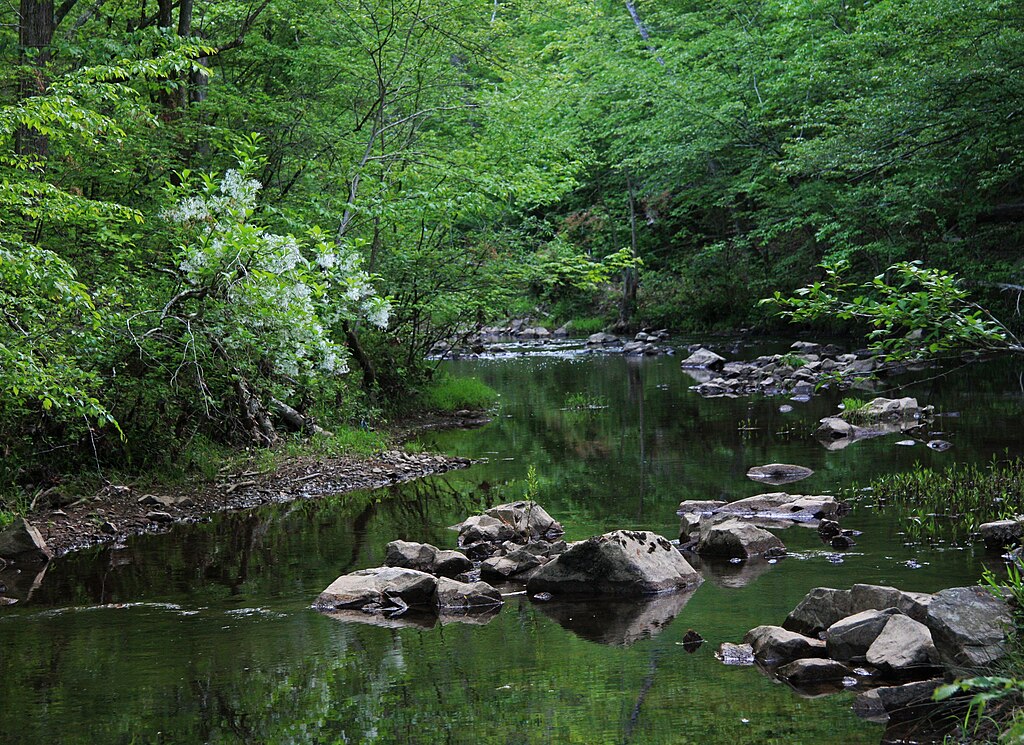
New Hope Creek
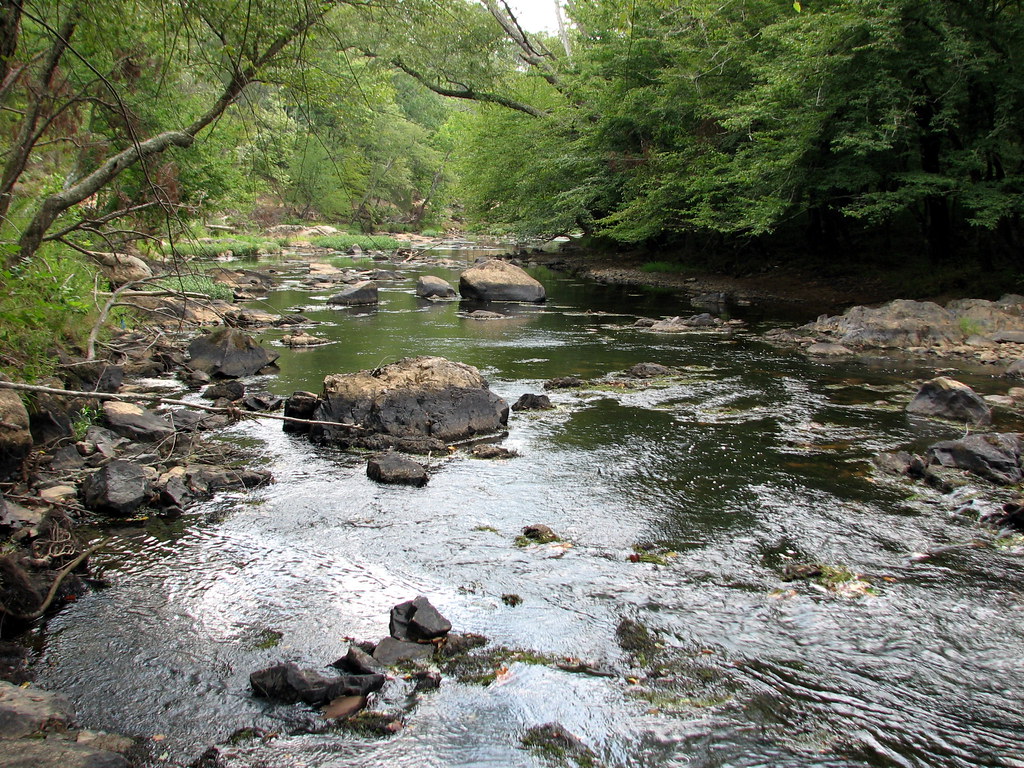
Eno River
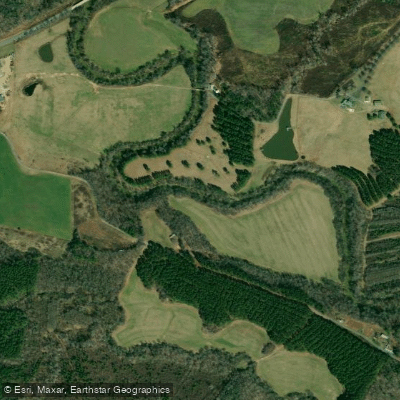
Uwharrie River
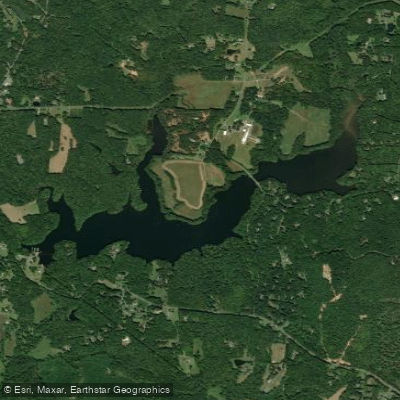
Back Creek Lake
What to know
Habitat Distribution
- Albemarle Sound and coastal rivers.
- They prefer deep, dark tributaries and areas with moderate to high water velocity over gravel, sand, and cobble substrates.
Key Locations
- Roanoke River near Weldon (premier destination), Cashie River at Windsor, Tar River at Bell's Bridge near Tarboro and Battle Park in Rocky Mount, Neuse River at Pitchkettle Creek, mouth of Contentnea Creek near Grifton, and Bear Creek near LaGrange.
- They ascend the Roanoke, Chowan, Neuse, Tar, and Cape Fear rivers each spring.
Specific Spots
- Fish in 5-15 feet of water with current.
- Target areas with moderate current near ledges, fallen trees, drop-offs, and creek mouths.
Hickory Shad FAQ
Answers from onWater's species guide.
What are the best lures and bait for Hickory Shad in North Carolina?
Shad darts (preferred lure), small spoons, or 1/16-ounce jigs with white or chartreuse grubs.
What flies work for Hickory Shad in North Carolina?
Small Clouser minnows, Crazy Charlies, and marabou streamers in bright colors like pink, white, chartreuse, red, and yellow.
When is the best time to fish for Hickory Shad in North Carolina?
Peak fishing from late February through April, with optimal timing mid-March to early April. Fish appear in lower sections near Plymouth in late February/early March and reach upper areas near Weldon by mid-March.
How do you catch Hickory Shad in North Carolina?
Casting upstream and retrieving as the lure sinks and drifts downstream. Fish by anchoring near structure or drifting, counting down to desired depth before retrieving.
What do Hickory Shad eat?
Piscivorous, feeding primarily on small fish, squid, fish e.g.gs, small crabs and crustaceans, though feeding is limited during freshwater migration as they rely on fat reserves.
Fish smarter with real-time insights
Whether you're en route and conditions shift or you're looking for the best spot based on current flows, we enable you to make informed decisions on the fly.




See it in the app
Most maps show you water.
onWater shows you Hickory Shad.



- 01 · Species map filter
Map every Hickory Shad water
Pick Hickory Shad and the map zeroes in on the waters they call home. No more guessing which lake holds them.
- 02 · Waterbody species
Tap any water. See what lives there.
Species, behavior and seasonal patterns for every lake, river and pond, before you leave the driveway.
- 03 · Angler Intelligence
Ask how to catch Hickory Shad
Tactics, gear and timing from onWater's AI fishing guide, tuned to the species and the water you're on.
Stop guessing where Hickory Shad are.
Open the map, filter by Hickory Shad, and head to water that holds them. Download onWater and plan your next trip in minutes.
- Species map filter
- Angler Intelligence
- Fishing journal
Explore other species
Trout, bass, salmon, panfish and everything in between. Each guide unpacks the behavior, seasons, and tactics that put fish in the net.
No species information available.
North Carolina licenses and regulations
Explore nearby waters
Explore North Carolina waters
Top fishing waters
Popular Cities
Loading popular cities...

Smarter Fishing Starts in the App.
onWater Fish gives you everything you need to plan smarter, fish better, and own every trip from first cast to last.