Brook Trout

Brook Trout are North Carolina's only native trout species and the state's official freshwater fish. Known locally as 'specks,' 'speckled trout,' or 'brookies.'
North Carolina has two strains: the genetically unique Southern Appalachian brook trout native to the state's mountains, and the northern strain.
Scientific Name: Salvelinus fontinalis
Also known as specks, speckled trout, brookies
- Distinguished by olive-green coloration with mottled dark green 'worm-like' markings on their backs and tails.
- The lower sides are lighter with yellow spots interspersed with bright red spots surrounded by blue halos, and orange lower fins with a narrow black band next to a leading white edge.
- Adults typically live 2-4 years and rarely exceed 10 inches in North Carolina mountain streams.
Fishing in North Carolina
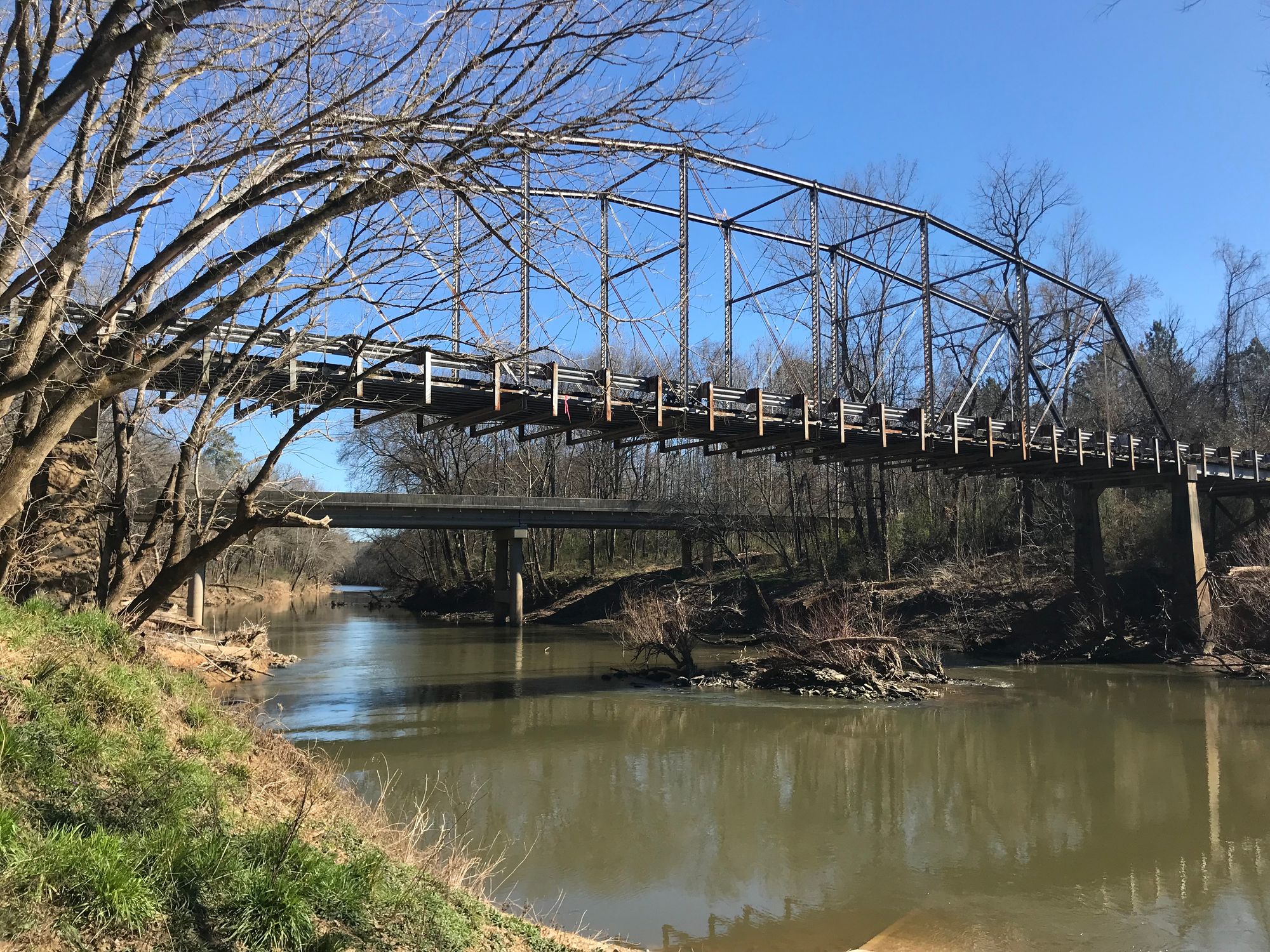
Deep River
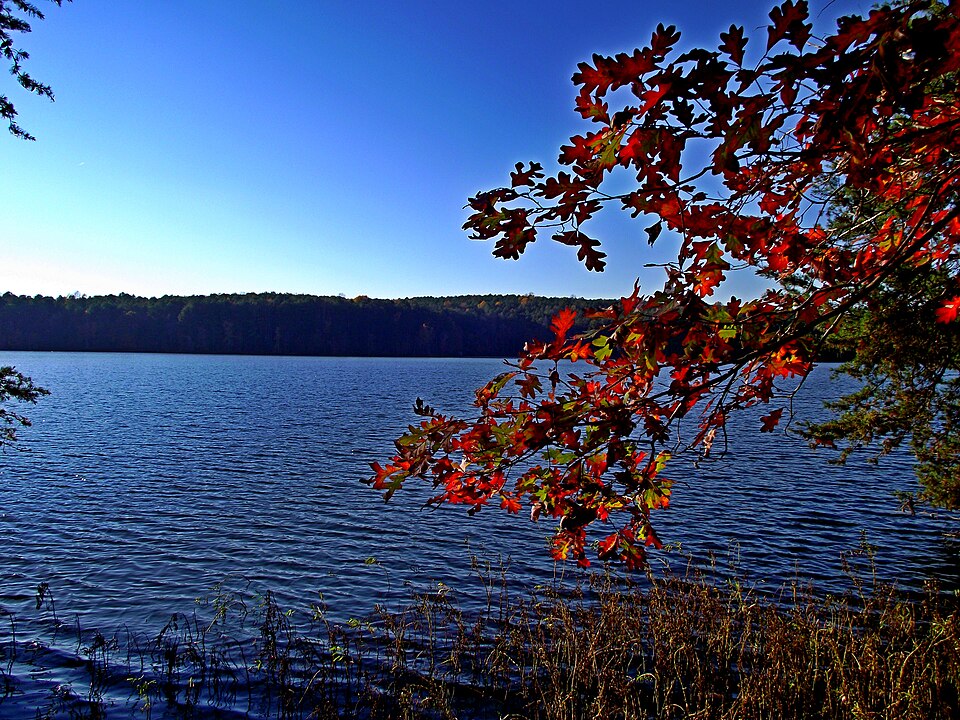
Badin Lake
Lake Tillery
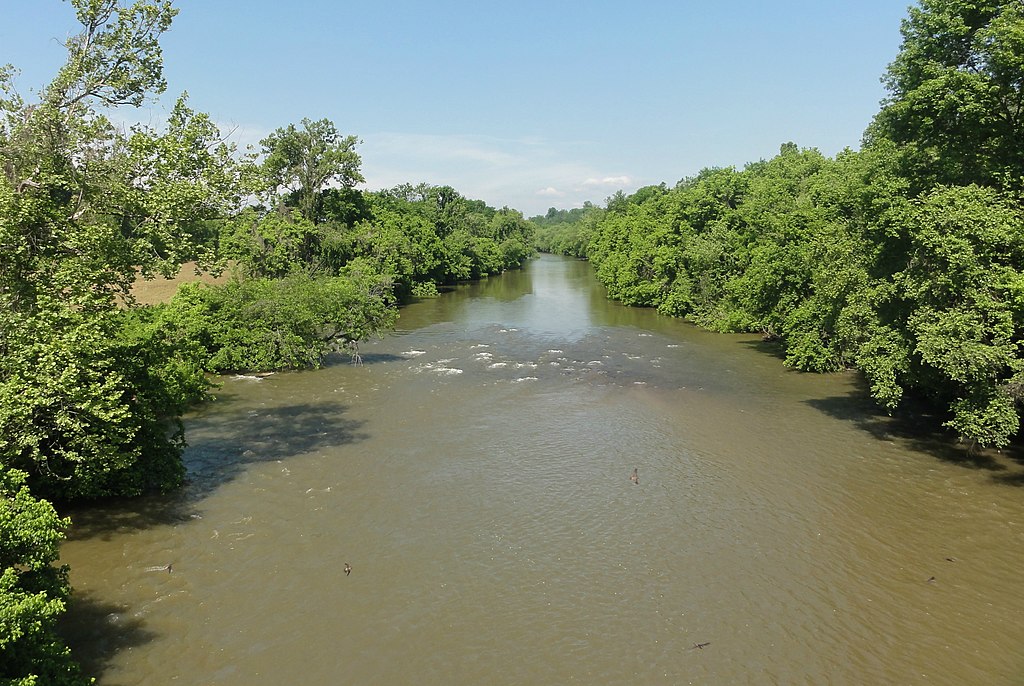
Yadkin River
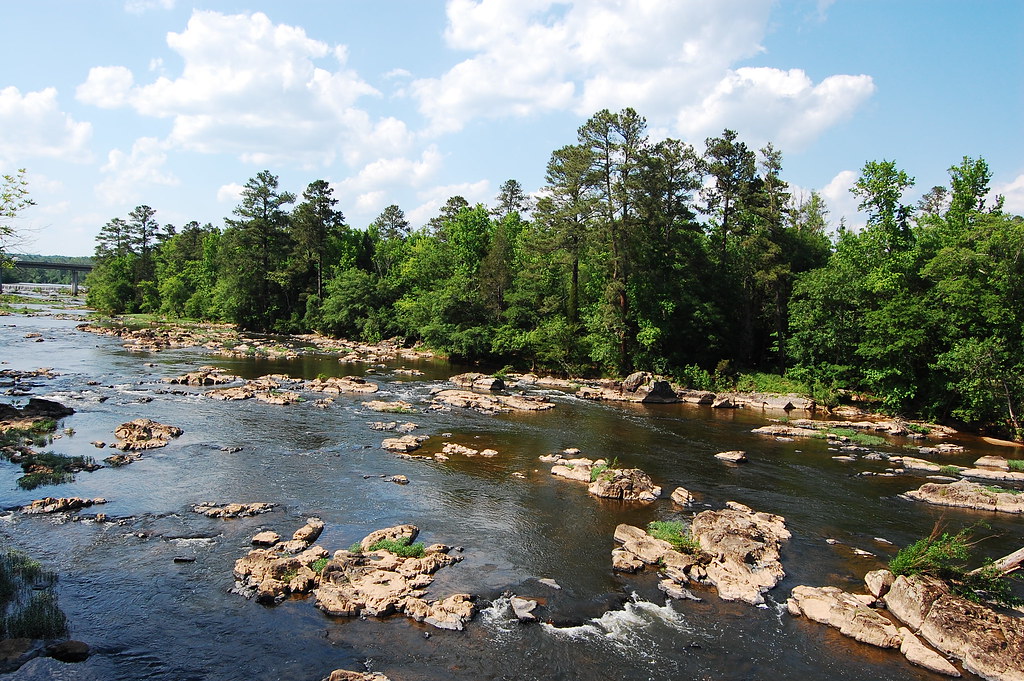
Haw River
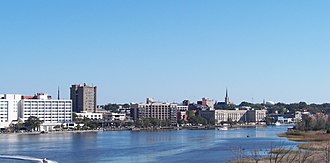
Cape Fear River
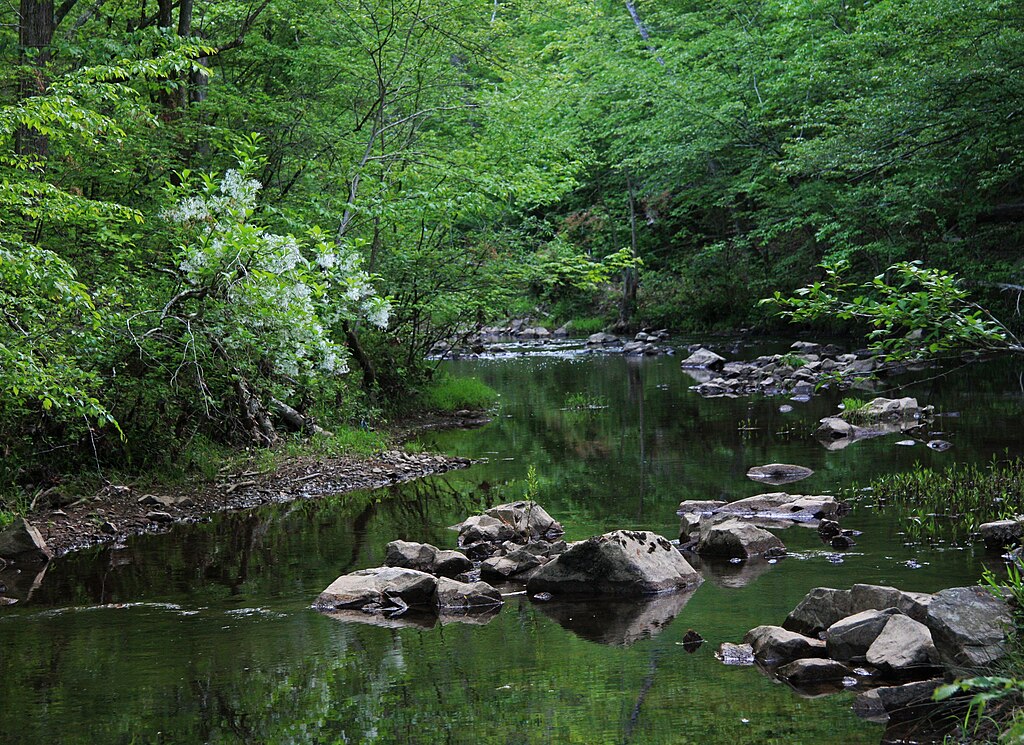
New Hope Creek
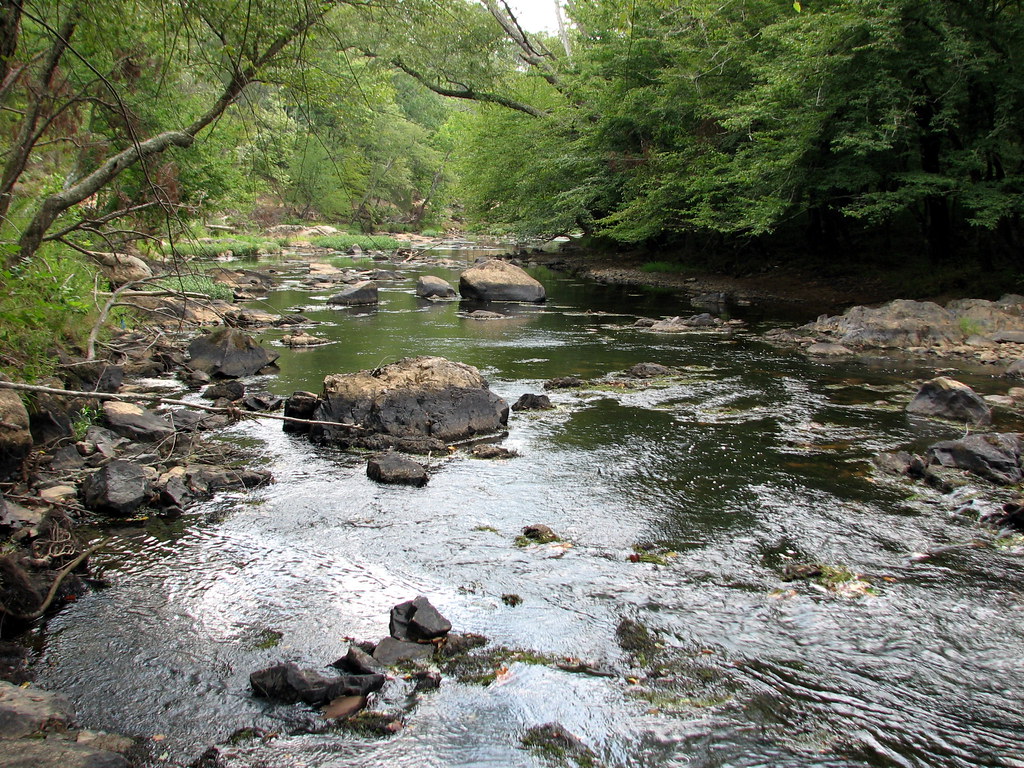
Eno River
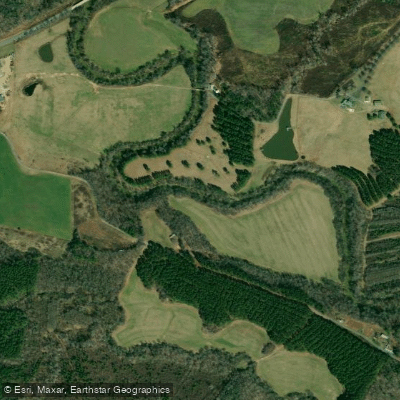
Uwharrie River
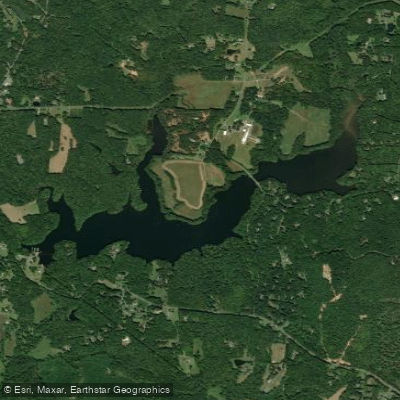
Back Creek Lake
What to know
Habitat Distribution
- Found in isolated, high-altitude headwater streams in western North Carolina's mountain region, preferring water temperatures between 40-68°F and requiring clean, oxygen-rich water free of pollution.
- Most abundant in streams with stable flows, pools and riffles, and sufficient cover like logs and boulders.
Key Locations
- Davidson River near Brevard, East Fork of the Pigeon River's rhododendron-lined headwaters in Shining Rock Wilderness, high-altitude streams in the Great Smoky Mountains, and Wilson Creek in Grandfather Mountain area.
Specific Spots
- Fish behind large rocks, near overhanging vegetation, in pools below riffles, and around submerged structure.
Brook Trout FAQ
Answers from onWater's species guide.
What are the best lures and bait for Brook Trout in North Carolina?
Small spinners (Rooster Tail, Panther Martin) and spoons in 1/16-1/8 ounce sizes, particularly gold and silver colors. Live bait including worms and corn work well for hatchery-reared fish.
What flies work for Brook Trout in North Carolina?
Elk Hair Caddis, Adams, Parachute Adams, Royal Wulff, Blue Wing Olive, Pheasant Tail, Prince Nymph, Hare's Ear, Woolly Buggers, and traditional Southern Appalachian patterns like Thunderhead.
When is the best time to fish for Brook Trout in North Carolina?
Best fishing seasons are April through June and October through December, with prime fly fishing from May through July. Avoid September through November during spawning. Summer requires fishing before 10 AM or in high-elevation streams that stay cool.
How do you catch Brook Trout in North Carolina?
Effective techniques include dry flies, streamers, and nymphs that imitate natural food items. Match the hatch by selecting flies that imitate insects on or in the water. For spin fishing, use small spinners and spoons. Cast to structure where fish use cover to break current.
What do Brook Trout eat?
Opportunistic feeders eating aquatic and terrestrial insects (mayflies, caddisflies, stoneflies), crustaceans, small fish, and other small vertebrates. Young feed primarily on small insects.
Fish smarter with real-time insights
Whether you're en route and conditions shift or you're looking for the best spot based on current flows, we enable you to make informed decisions on the fly.




See it in the app
Most maps show you water.
onWater shows you Brook Trout.



- 01 · Species map filter
Map every Brook Trout water
Pick Brook Trout and the map zeroes in on the waters they call home. No more guessing which lake holds them.
- 02 · Waterbody species
Tap any water. See what lives there.
Species, behavior and seasonal patterns for every lake, river and pond, before you leave the driveway.
- 03 · Angler Intelligence
Ask how to catch Brook Trout
Tactics, gear and timing from onWater's AI fishing guide, tuned to the species and the water you're on.
Stop guessing where Brook Trout are.
Open the map, filter by Brook Trout, and head to water that holds them. Download onWater and plan your next trip in minutes.
- Species map filter
- Angler Intelligence
- Fishing journal
Explore other species
Trout, bass, salmon, panfish and everything in between. Each guide unpacks the behavior, seasons, and tactics that put fish in the net.
No species information available.
North Carolina licenses and regulations
Explore nearby waters
Explore North Carolina waters
Top fishing waters
Popular Cities
Loading popular cities...

Smarter Fishing Starts in the App.
onWater Fish gives you everything you need to plan smarter, fish better, and own every trip from first cast to last.