Black Drum

Black Drum are the largest members of the drum family found in North Carolina waters, growing up to 5 feet and 146 pounds with lifespans reaching 60+ years.
They're distinguished by their short, deep bodies, conspicuous chin barbels, and ability to make loud grunting noises when excited.
Scientific Name: Pogonias cromis
Adults are silver with a brassy luster when alive, turning dark gray after death, while juveniles display 4-6 distinctive black vertical bars. They have short, deep bodies and conspicuous chin barbels.
Fishing in North Carolina
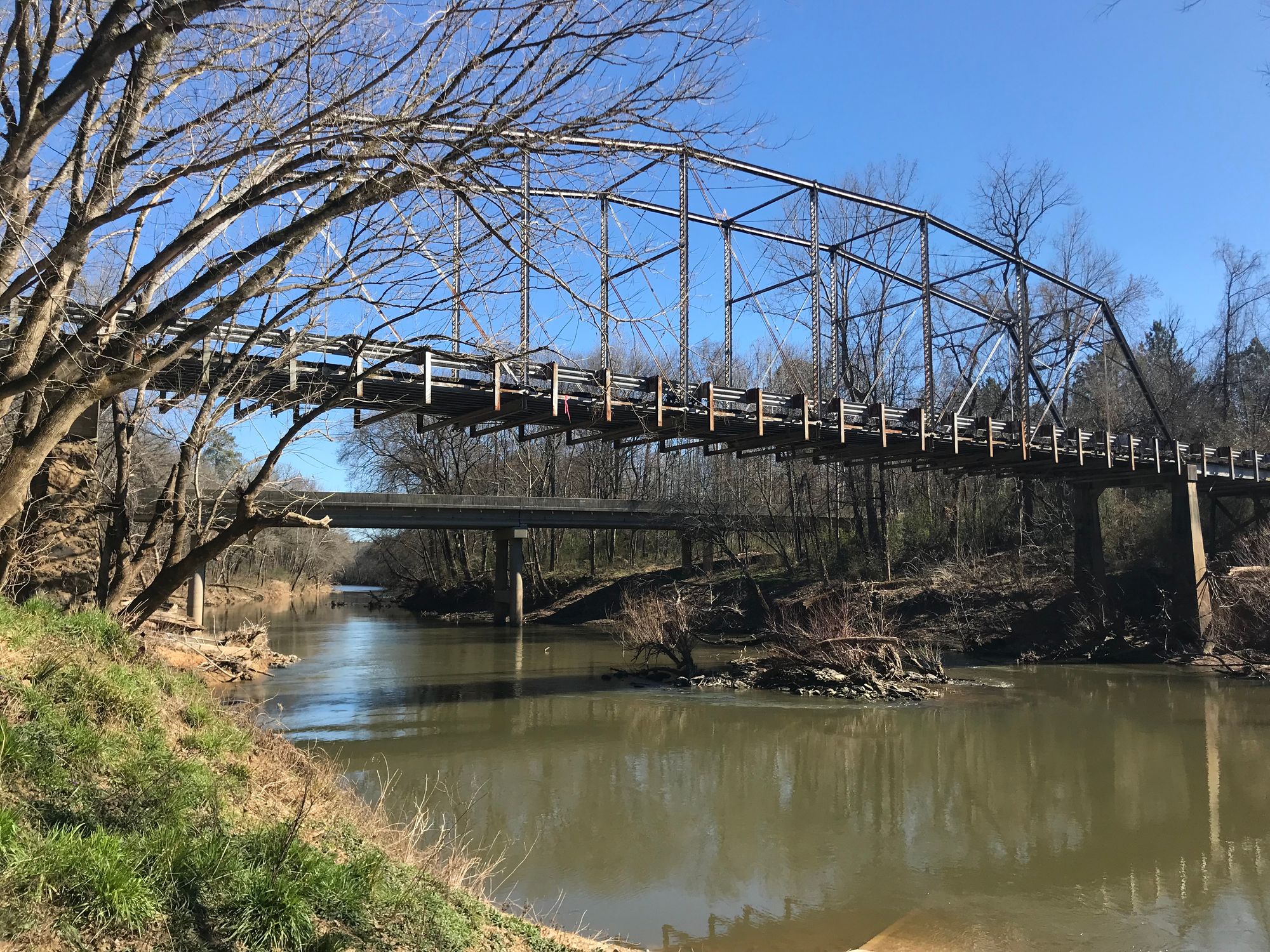
Deep River
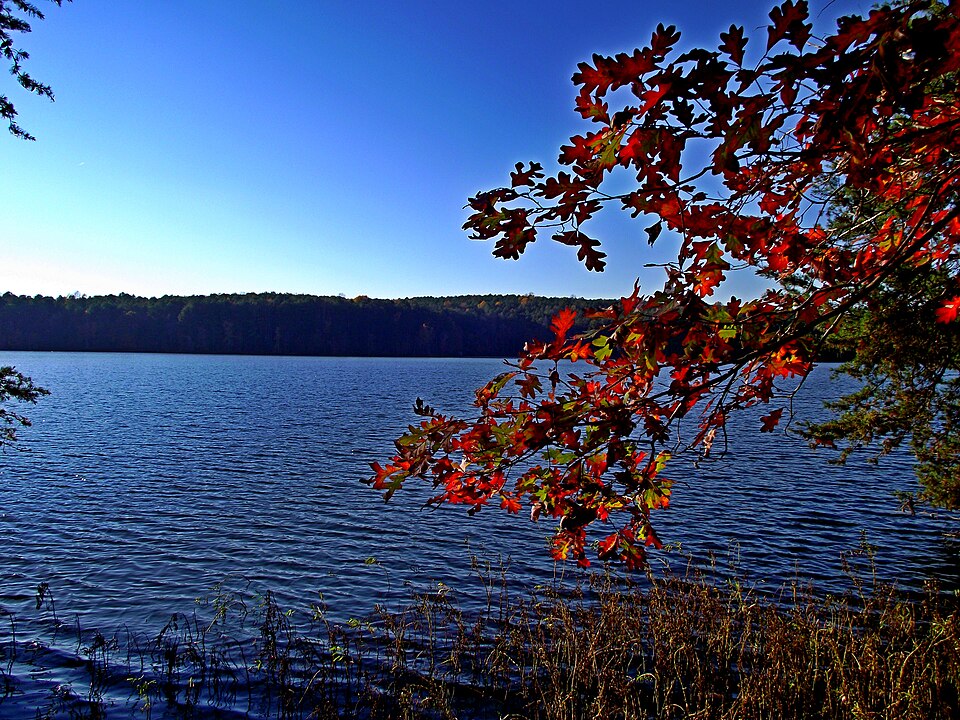
Badin Lake
Lake Tillery
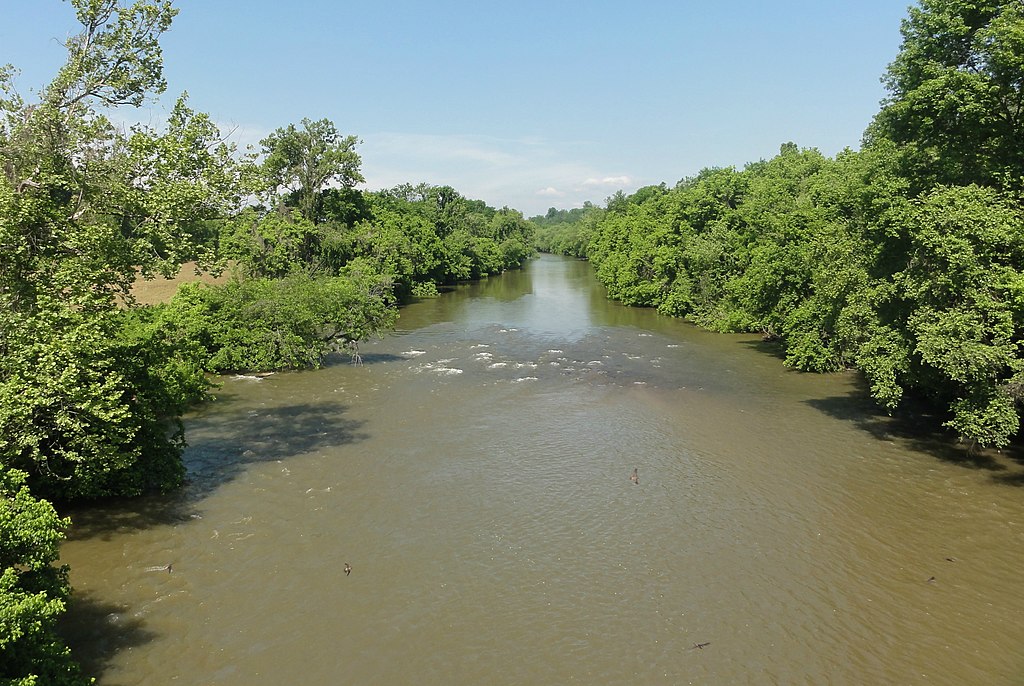
Yadkin River
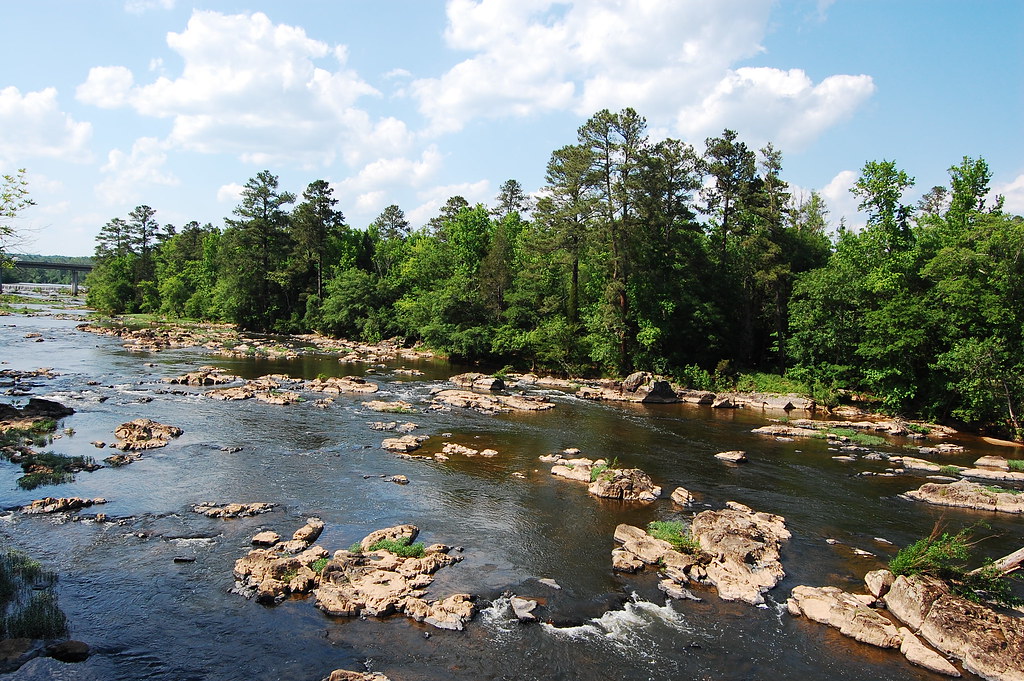
Haw River
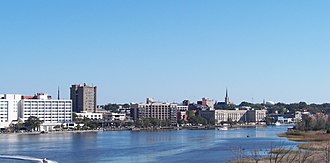
Cape Fear River
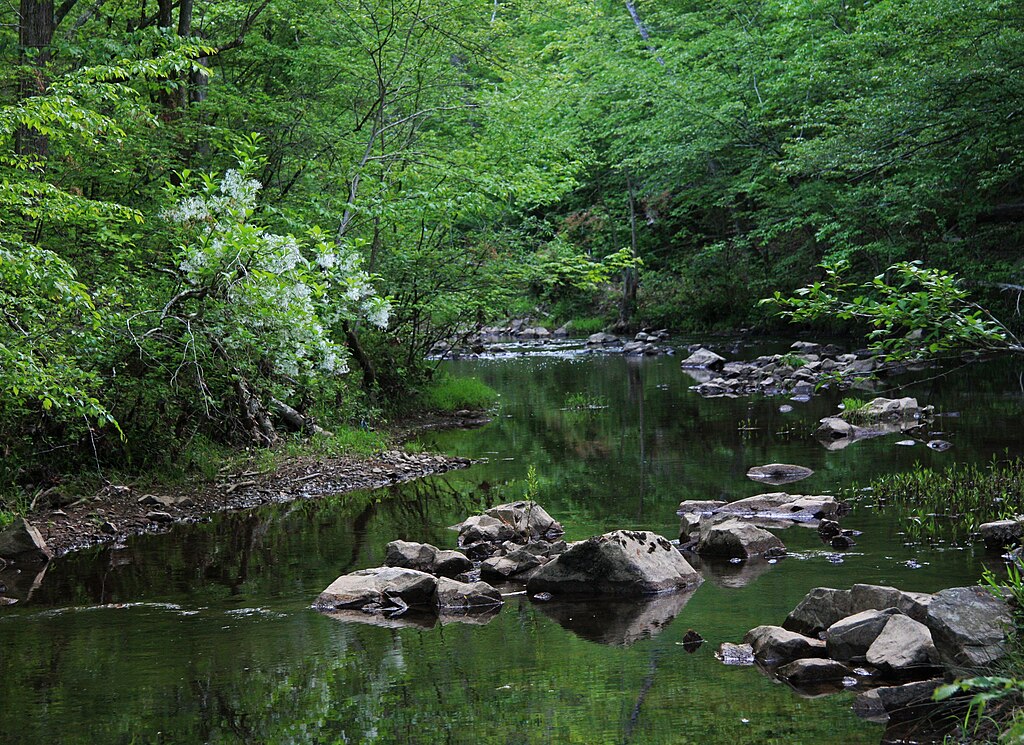
New Hope Creek
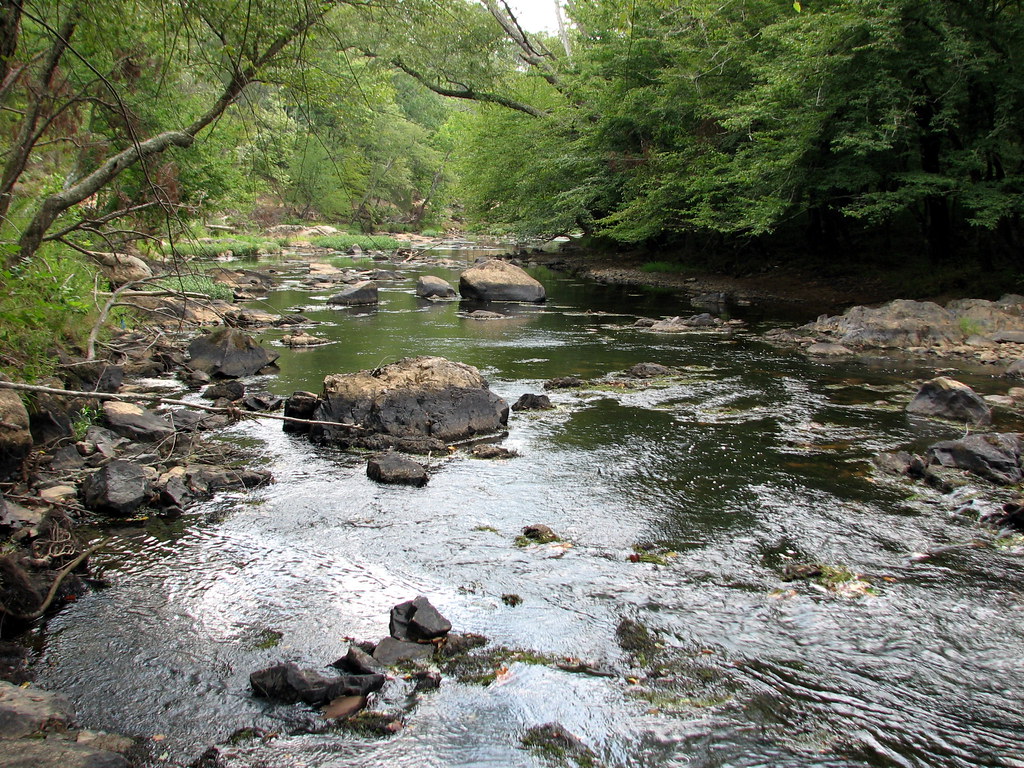
Eno River
Uwharrie River
Back Creek Lake
What to know
Habitat Distribution
Black Drum are found throughout North Carolina's coastal waters from sounds and inlets to nearshore Atlantic waters, with populations extending from New England to Mexico but most abundant from New Jersey southward.Key Locations
North Carolina's coastal waters from sounds and inlets to nearshore Atlantic waters. Target structure-rich areas including bridges, docks, jetties, oyster bars, and pilings along the ICW. Prime locations include passes and inlets on outgoing tides, tidal creeks with oyster bars (fish the edges during lower tides), river mouths, and surf zones.Specific Spots
Prime North Carolina habitats include oyster bars, jetties, bridges, docks, mud flats, grass flats, river mouths, and hard bottom areas around structures.Black Drum FAQ
Answers from onWater's species guide.
What are the best lures and bait for Black Drum in North Carolina?
Top natural baits include blue crab (cut in halves or quarters), live or fresh dead shrimp (pinch tail for extra scent), clams, fiddler crabs, and cut mullet or menhaden.
When is the best time to fish for Black Drum in North Carolina?
Black Drum fishing in North Carolina is productive year-round, with spring (April-June) being peak season when fish gather in spawning aggregations near inlets and bays, though these spawning fish should be avoided. Fall through winter also provides excellent opportunities.
How do you catch Black Drum in North Carolina?
Present baits on or near the bottom, keeping them stationary to allow scent dispersal. Black Drum often 'mouth' baits before committing, so wait for a steady pull before setting the hook. Night fishing around lighted bridges and piers can be extremely productive, especially in passes and inlets.
What do Black Drum eat?
These bottom feeders use their sensitive chin barbels and strong throat teeth to crush mollusks, clams, mussels, oysters, and crabs. Their diet also includes shrimp, worms, and some fish.
Where do Black Drum live in North Carolina?
Black Drum are found throughout North Carolina's coastal waters from sounds and inlets to nearshore Atlantic waters, with populations extending from New England to Mexico but most abundant from New Jersey southward.
Fish smarter with real-time insights
Whether you're en route and conditions shift or you're looking for the best spot based on current flows, we enable you to make informed decisions on the fly.




See it in the app
Most maps show you water.
onWater shows you Black Drum.



- 01 · Species map filter
Map every Black Drum water
Pick Black Drum and the map zeroes in on the waters they call home. No more guessing which lake holds them.
- 02 · Waterbody species
Tap any water. See what lives there.
Species, behavior and seasonal patterns for every lake, river and pond, before you leave the driveway.
- 03 · Angler Intelligence
Ask how to catch Black Drum
Tactics, gear and timing from onWater's AI fishing guide, tuned to the species and the water you're on.
Stop guessing where Black Drum are.
Open the map, filter by Black Drum, and head to water that holds them. Download onWater and plan your next trip in minutes.
- Species map filter
- Angler Intelligence
- Fishing journal
Explore other species
Trout, bass, salmon, panfish and everything in between. Each guide unpacks the behavior, seasons, and tactics that put fish in the net.
No species information available.
North Carolina licenses and regulations
Explore nearby waters
Explore North Carolina waters
Top fishing waters
Popular Cities
Loading popular cities...

Smarter Fishing Starts in the App.
onWater Fish gives you everything you need to plan smarter, fish better, and own every trip from first cast to last.