Black Crappie

Black Crappie are native to North Carolina and among the most popular freshwater game fish in the state.
Scientific Name: Pomoxis nigromaculatus
- They're distinguished from White Crappie by having 7-8 spiny dorsal fin rays and irregularly spaced black blotches on silvery-green to yellowish sides.
Fishing in North Carolina
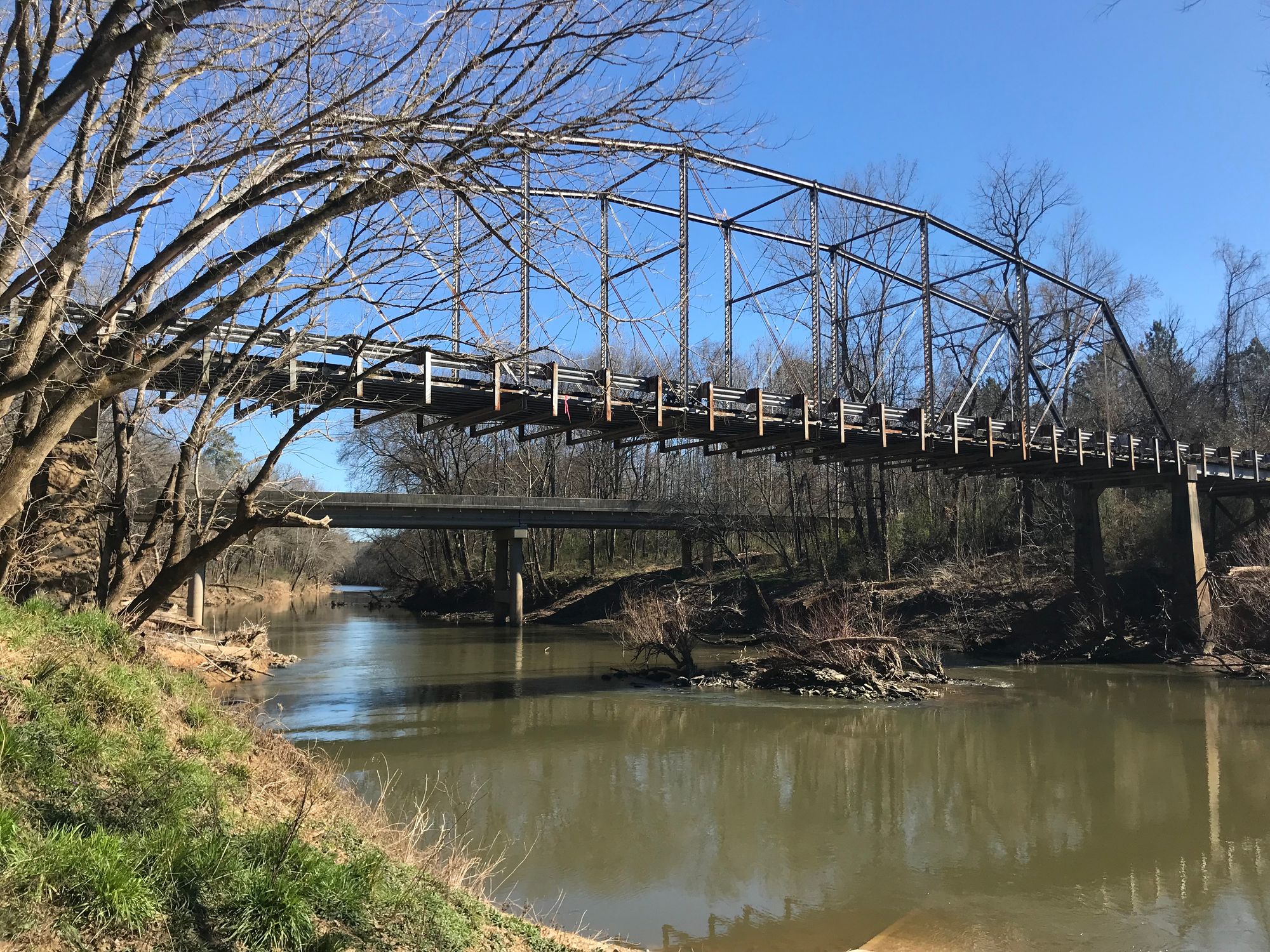
Deep River
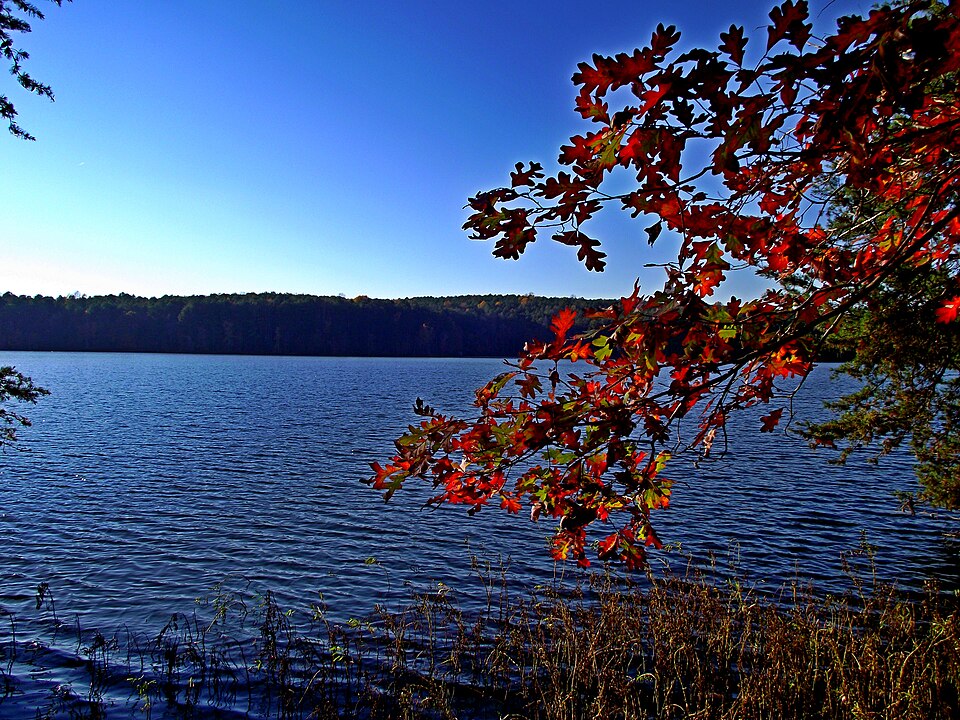
Badin Lake
Lake Tillery
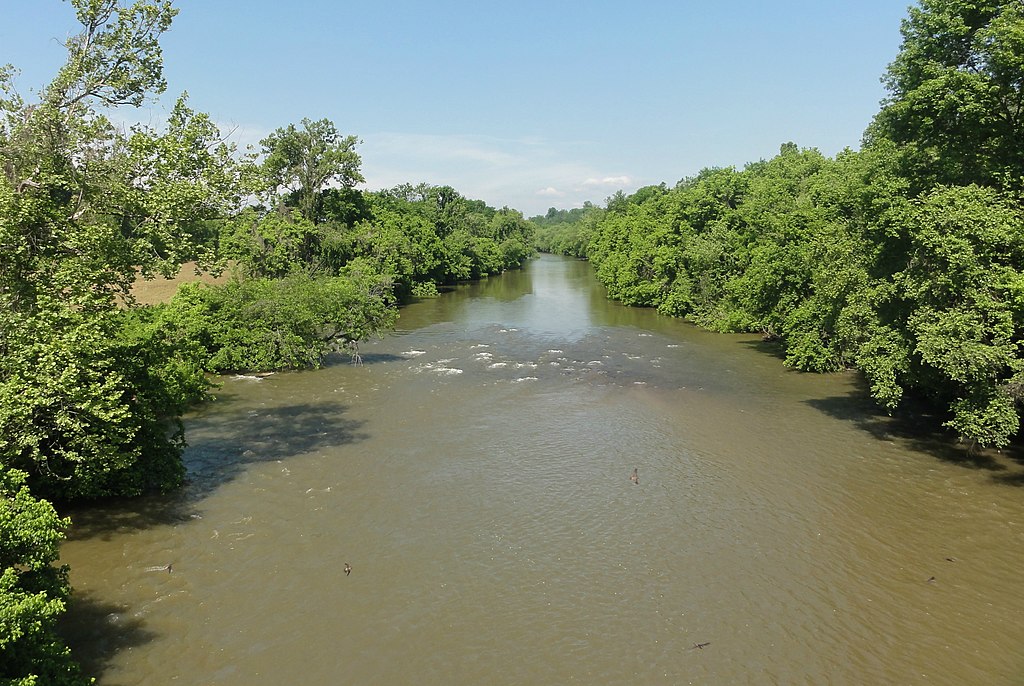
Yadkin River
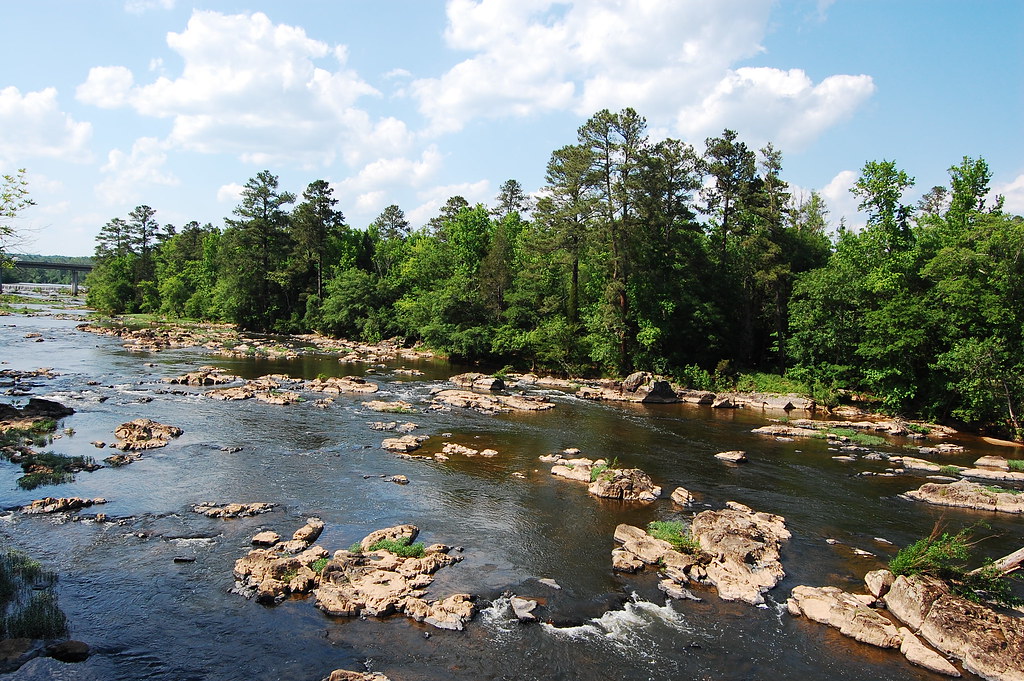
Haw River
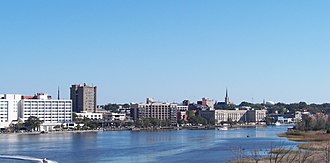
Cape Fear River
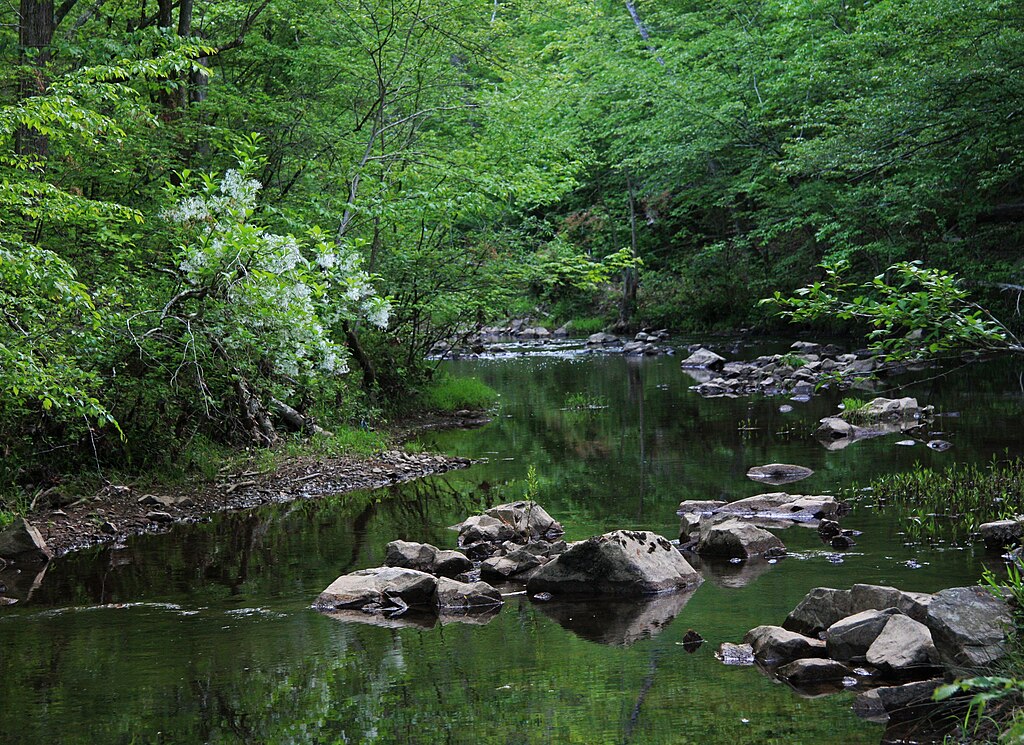
New Hope Creek
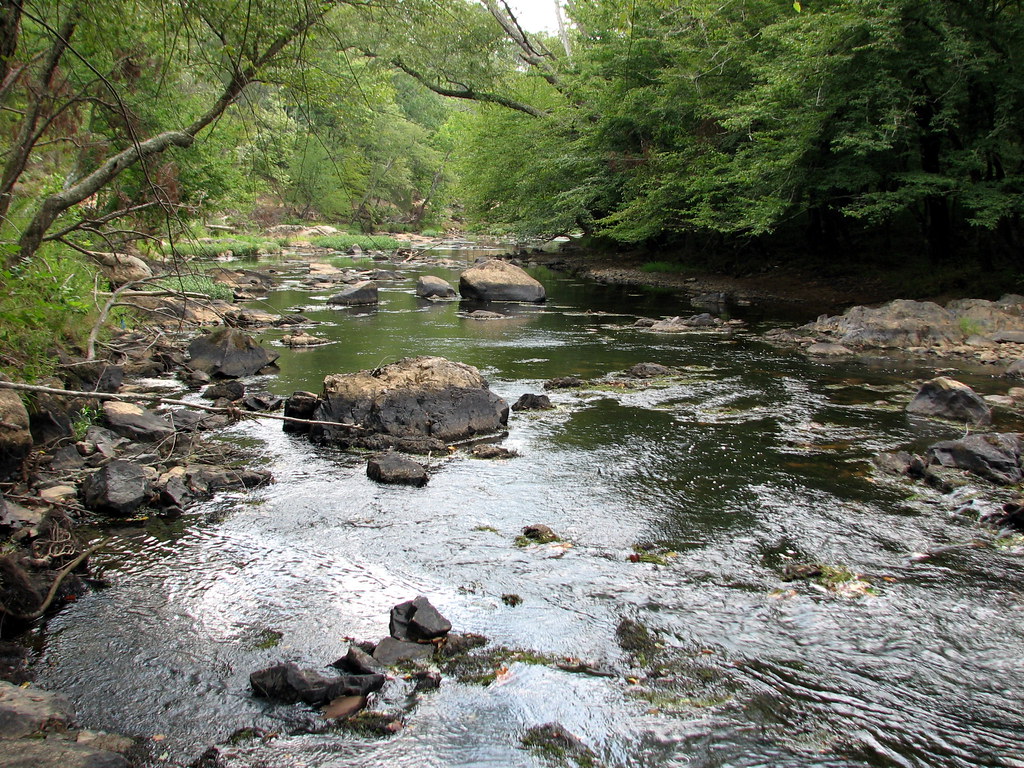
Eno River
Uwharrie River
Back Creek Lake
What to know
Habitat Distribution
- In North Carolina, Black Crappie flourish in Piedmont reservoirs and Coastal Plain rivers, preferring cool, clear ponds, reservoirs, and slow-moving rivers over the more turbid waters favored by White Crappie.
- They're commonly found throughout the state.
Key Locations
- B.
- Everett Jordan Reservoir, Lake Norman, Lake Wylie, High Rock Lake, Shearon Harris Reservoir, Falls of the Neuse Reservoir, Lake Gaston, Lake Mattamuskeet, Chowan River, Roanoke River, and the Neuse River downstream of Pelican Landing.
Specific Spots
- Target structure like brush piles, fallen timber, docks, and areas with aquatic vegetation.
- They congregate around areas with abundant aquatic vegetation, brush piles, fallen trees, and other cover.
- Prime locations include the transition zones where banks change from shallow to steep at 45-degree angles with stair-stepping rocky structure.
- Christmas trees and brush piles are often sunk to attract crappie, making these artificial structures prime targets.
Black Crappie FAQ
Answers from onWater's species guide.
What are the best lures and bait for Black Crappie in North Carolina?
Effective baits include small jigs (1/16 to 1/8 ounce), live minnows, small spinners, silver spoons, and flies. For jigs, use soft plastics with swimming tails like 2-3 inch grubs, or hair jigs which excel in colder water as the marabou 'breathes' and looks alive when pulsed.
When is the best time to fish for Black Crappie in North Carolina?
The best time to fish for Black Crappie in North Carolina is during spring (March-May) when they're most active and accessible. In summer when water warms above 74°F, fish early morning or late evening as crappie move to deeper, cooler water.
How do you catch Black Crappie in North Carolina?
Fish these vertically when crappie are deep enough to tolerate a boat overhead, or cast and retrieve along shorelines around submerged brush piles and fallen trees.
What do Black Crappie eat?
Black Crappie undergo dietary shifts throughout their lives - juveniles feed primarily on zooplankton and insects, while adults primarily consume fish including threadfin and gizzard shad, though they'll also eat insects, crustaceans, and anything that fits in their mouths, including their own young.
Where do Black Crappie live in North Carolina?
In North Carolina, Black Crappie flourish in Piedmont reservoirs and Coastal Plain rivers, preferring cool, clear ponds, reservoirs, and slow-moving rivers over the more turbid waters favored by White Crappie. They're commonly found throughout the state.
Fish smarter with real-time insights
Whether you're en route and conditions shift or you're looking for the best spot based on current flows, we enable you to make informed decisions on the fly.




See it in the app
Most maps show you water.
onWater shows you Black Crappie.



- 01 · Species map filter
Map every Black Crappie water
Pick Black Crappie and the map zeroes in on the waters they call home. No more guessing which lake holds them.
- 02 · Waterbody species
Tap any water. See what lives there.
Species, behavior and seasonal patterns for every lake, river and pond, before you leave the driveway.
- 03 · Angler Intelligence
Ask how to catch Black Crappie
Tactics, gear and timing from onWater's AI fishing guide, tuned to the species and the water you're on.
Stop guessing where Black Crappie are.
Open the map, filter by Black Crappie, and head to water that holds them. Download onWater and plan your next trip in minutes.
- Species map filter
- Angler Intelligence
- Fishing journal
Explore other species
Trout, bass, salmon, panfish and everything in between. Each guide unpacks the behavior, seasons, and tactics that put fish in the net.
No species information available.
North Carolina licenses and regulations
Explore nearby waters
Explore North Carolina waters
Top fishing waters
Popular Cities
Loading popular cities...

Smarter Fishing Starts in the App.
onWater Fish gives you everything you need to plan smarter, fish better, and own every trip from first cast to last.