Warmouth
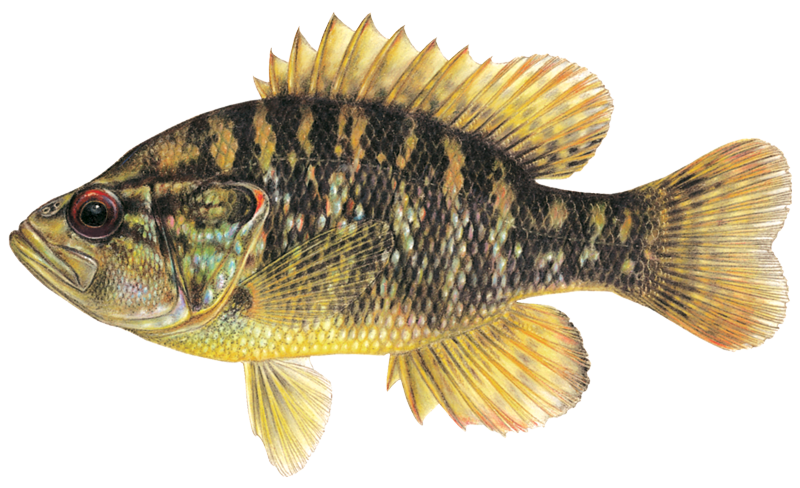
Warmouth are native sunfish found throughout North Carolina, particularly common in the Piedmont and Coastal regions. These distinctive panfish are hardy fish with exceptional tolerance for muddy water compared to other sunfish species.
Scientific Name: Lepomis gulosus
- Thick, oblong bodies with brassy to dark olive-green coloration and broad, irregular dark bars that create a mottled appearance.
- Easily identified by their bright red eyes, large bass-like mouth that extends to or beyond the middle of the eyes, and three to four conspicuous dark stripes radiating back from the eyes across the cheek and gill cover.
- The anal fin has three spines (compared to six on rock bass), and soft-rayed portions of dorsal and anal fins are marked with rows of dark spots.
- Average size in the Carolinas is 6-8 inches.
Fishing in North Carolina
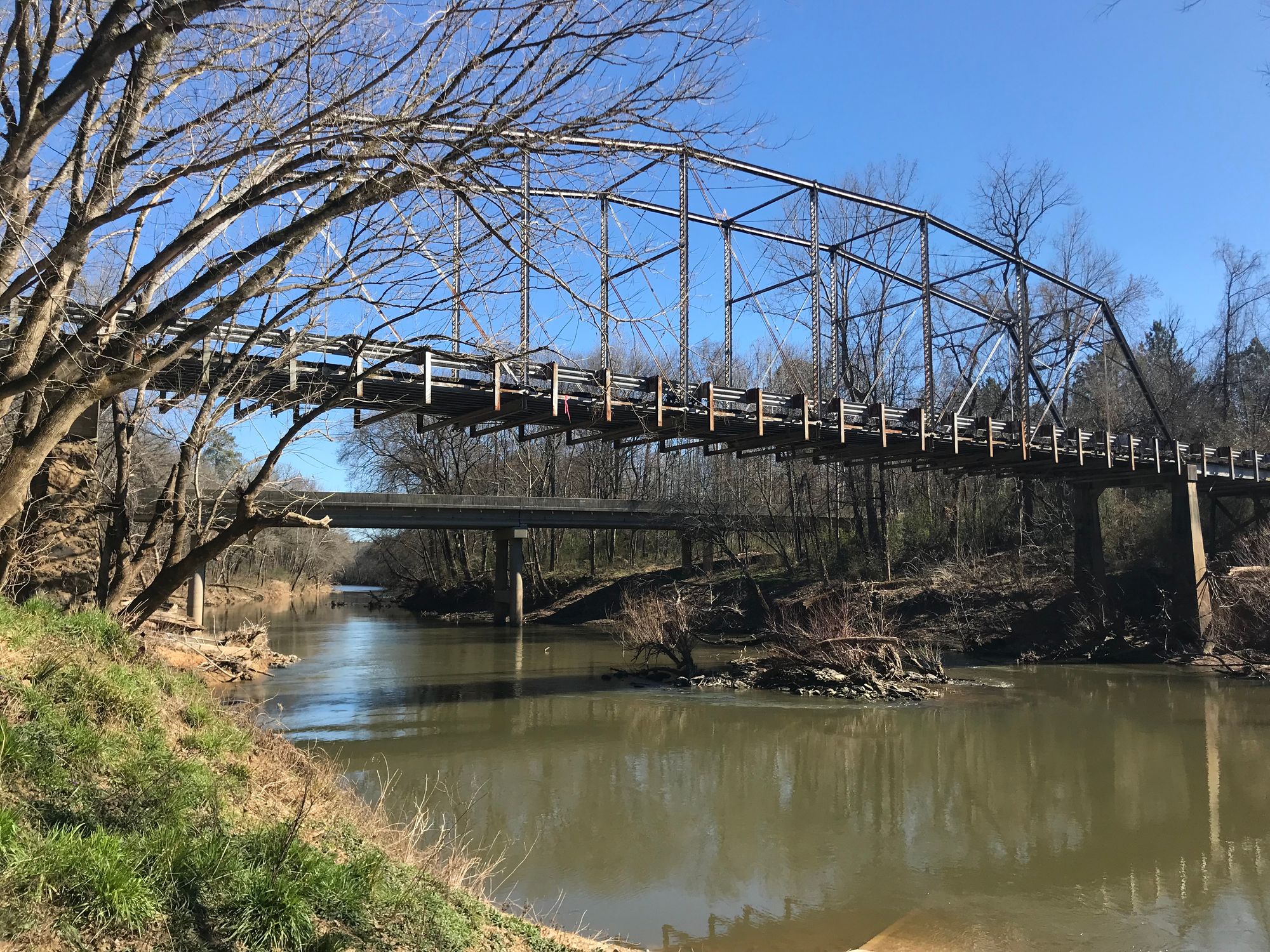
Deep River
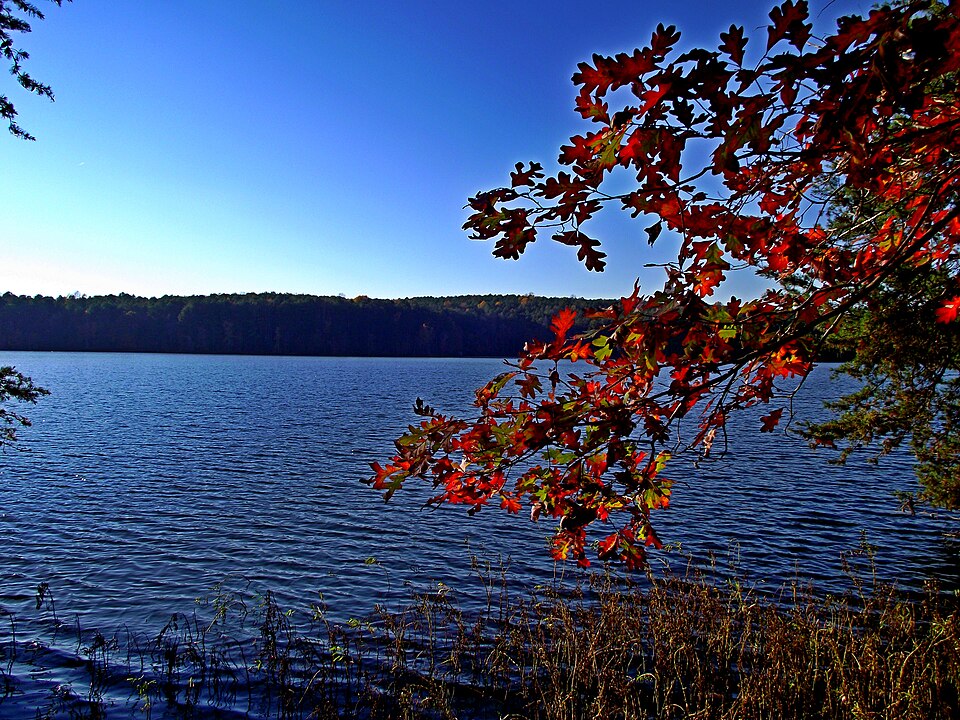
Badin Lake
Lake Tillery
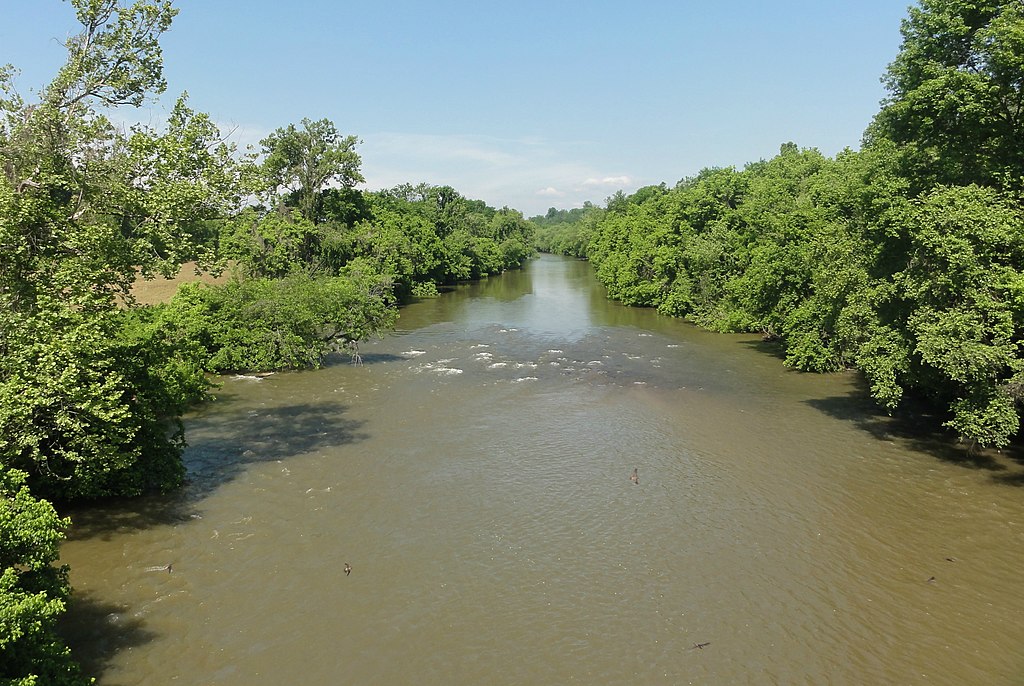
Yadkin River
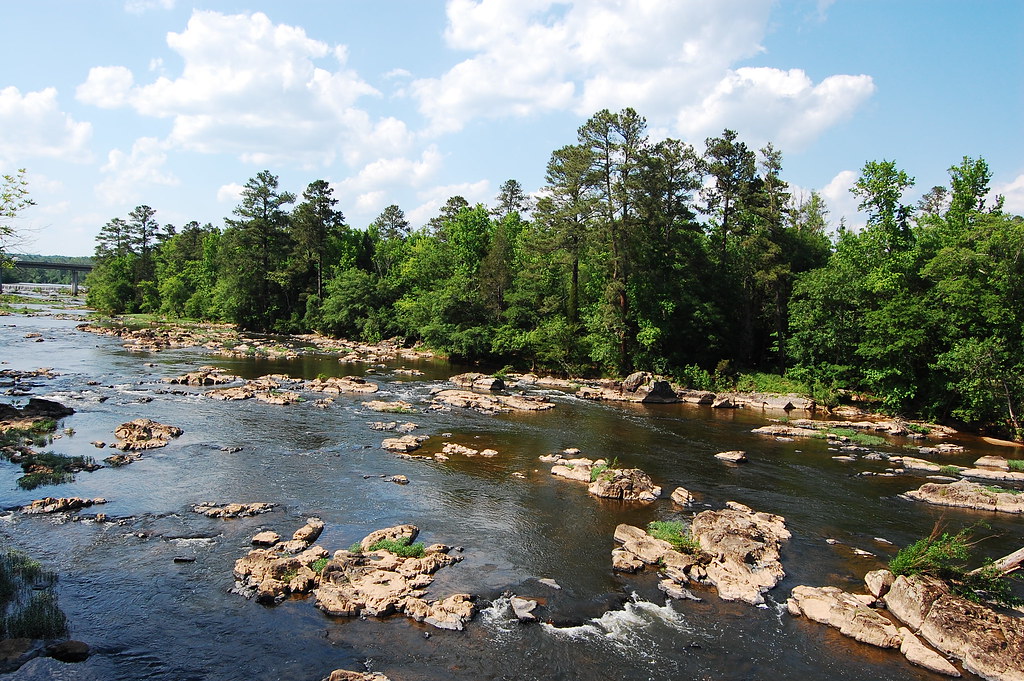
Haw River
Cape Fear River
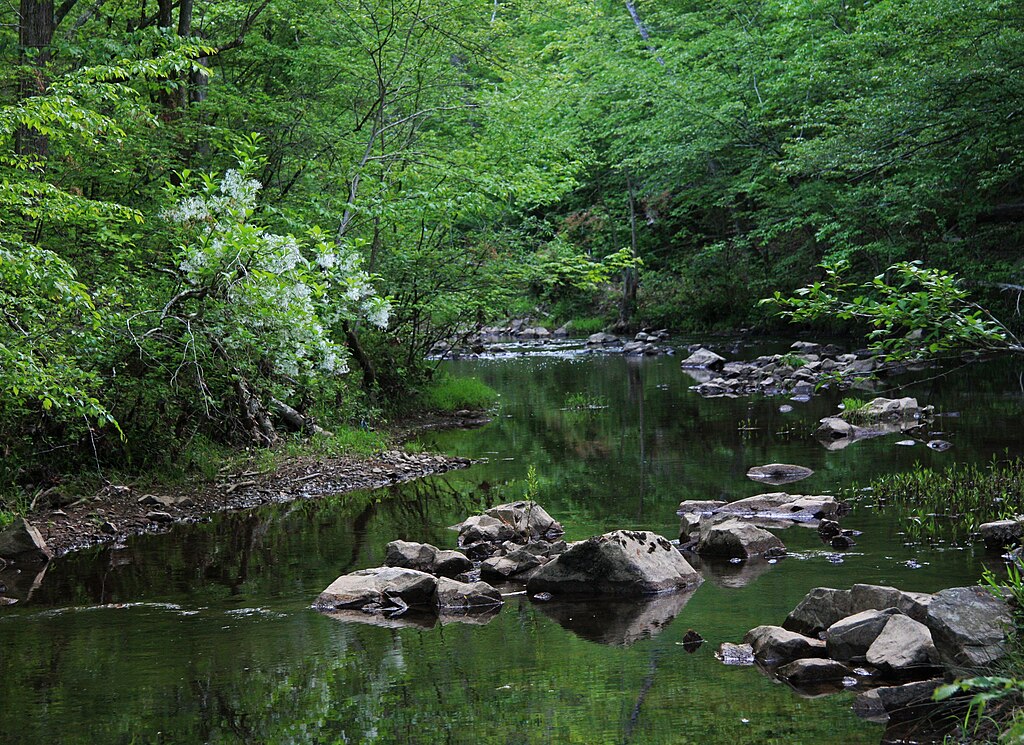
New Hope Creek
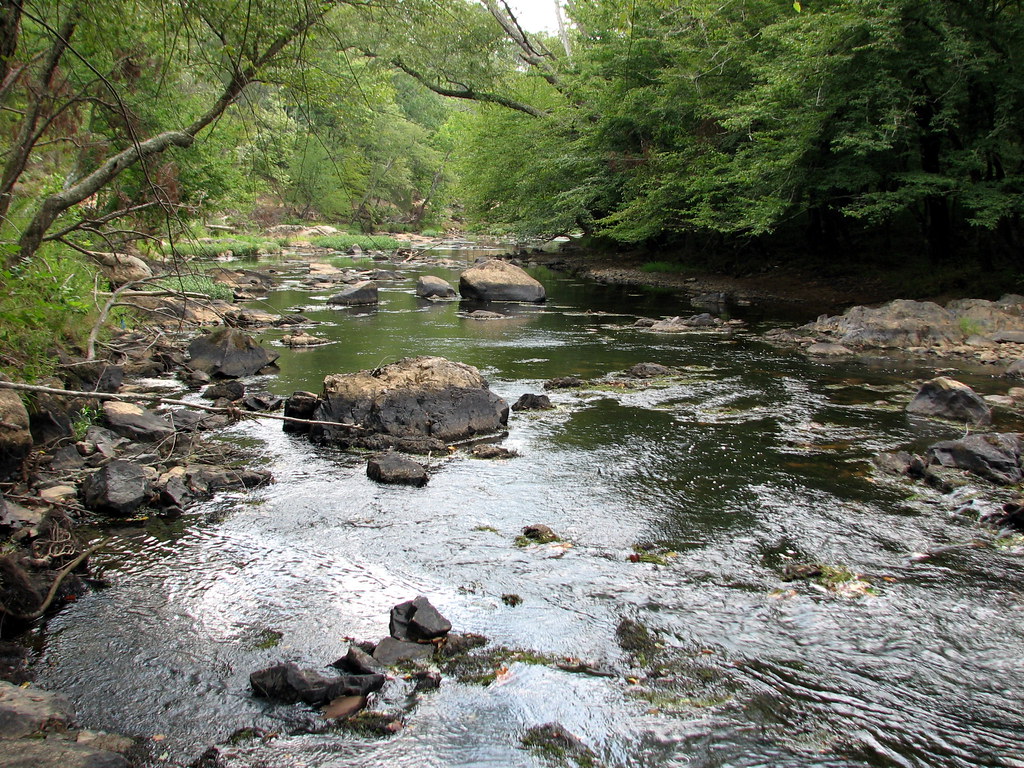
Eno River
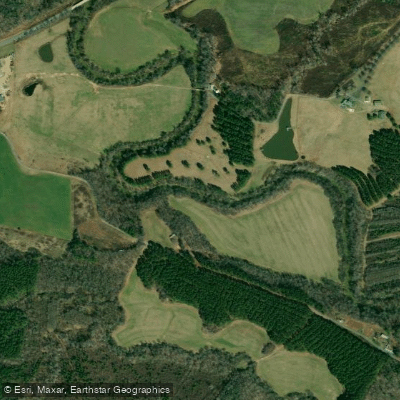
Uwharrie River
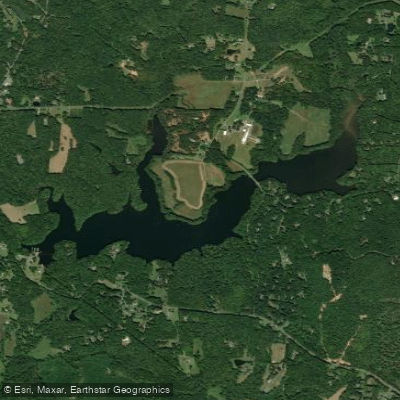
Back Creek Lake
What to know
Habitat Distribution
- Inhabit swamps, marshes, shallow lakes, slow-moving streams, and canals with soft, muddy bottoms.
- Target slow-moving waters like swamps, small streams, brown and black water tributaries, ponds, and shallow lakes.
Key Locations
- Most prevalent from the middle of the state eastward, found in the southern parts of the Catawba and Yadkin-Pee Dee basins and throughout the Lumber, Cape Fear, Roanoke, Neuse, Tar-Pamlico, Chowan, Pasquotank, and White Oak river basins.
- Scattered in very limited numbers in western parts of the state.
Specific Spots
- Prefer areas around aquatic vegetation, stumps, snags, and undercut banks.
- Focus on structure including stumps, logs, aquatic vegetation, undercut banks, incoming waterways from smaller creeks, and rainwater runoff areas.
Warmouth FAQ
Answers from onWater's species guide.
What are the best lures and bait for Warmouth in North Carolina?
Live baits including worms, crickets, small crayfish, minnows, and grass shrimp. Small artificial lures including Mepps Aglias, Beetlespins, Roostertails, and small spinning lures. Ultralight crankbaits such as Rebel Wee Craw and Crickhopper lures.
When is the best time to fish for Warmouth in North Carolina?
Spring through summer provides the best warmouth fishing in North Carolina, with spring being optimal. Avoid fishing directly on spawning beds when water temperatures reach 70°F.
How do you catch Warmouth in North Carolina?
Bank fishing and fly fishing are both productive techniques. Fish tight to cover and structure.
What do Warmouth eat?
Opportunistic carnivores feeding primarily in the morning on crayfish, shrimp, insects, and small fishes.
Where do Warmouth live in North Carolina?
Inhabit swamps, marshes, shallow lakes, slow-moving streams, and canals with soft, muddy bottoms. Target slow-moving waters like swamps, small streams, brown and black water tributaries, ponds, and shallow lakes.
Fish smarter with real-time insights
Whether you're en route and conditions shift or you're looking for the best spot based on current flows, we enable you to make informed decisions on the fly.







See it in the app
Most maps show you water.
onWater shows you Warmouth.



- 01 · Species map filter
Map every Warmouth water
Pick Warmouth and the map zeroes in on the waters they call home. No more guessing which lake holds them.
- 02 · Waterbody species
Tap any water. See what lives there.
Species, behavior and seasonal patterns for every lake, river and pond, before you leave the driveway.
- 03 · Angler Intelligence
Ask how to catch Warmouth
Tactics, gear and timing from onWater's AI fishing guide, tuned to the species and the water you're on.
Stop guessing where Warmouth are.
Open the map, filter by Warmouth, and head to water that holds them. Download onWater and plan your next trip in minutes.
- Species map filter
- Angler Intelligence
- Fishing journal
Explore other species
Trout, bass, salmon, panfish and everything in between. Each guide unpacks the behavior, seasons, and tactics that put fish in the net.

Find which waters have the species you want to catch

Largemouth Bass
Micropterus salmoides

Smallmouth Bass
Micropterus dolomieu

Rainbow Trout
Oncorhynchus mykiss

Brown Trout

Brook Trout
Salvelinus fontinalis

Muskellunge

Walleye

Black Crappie
Pomoxis nigromaculatus

Alewife
Alosa pseudoharengus

American Eel
Anguilla rostrata

American Shad
Alosa sapidissima

Atlantic Croaker
Micropogonias undulatus

Atlantic Sturgeon

Bighead Carp
Hypophthalmichthys nobilis

Bigmouth Buffalo
Ictiobus cyprinellus

Black Buffalo
Ictiobus niger

Black Bullhead
Ameiurus melas

Black Drum
Pogonias cromis

Blacknose Dace
Rhinichthys atratulus, Rhinichthys obtusus
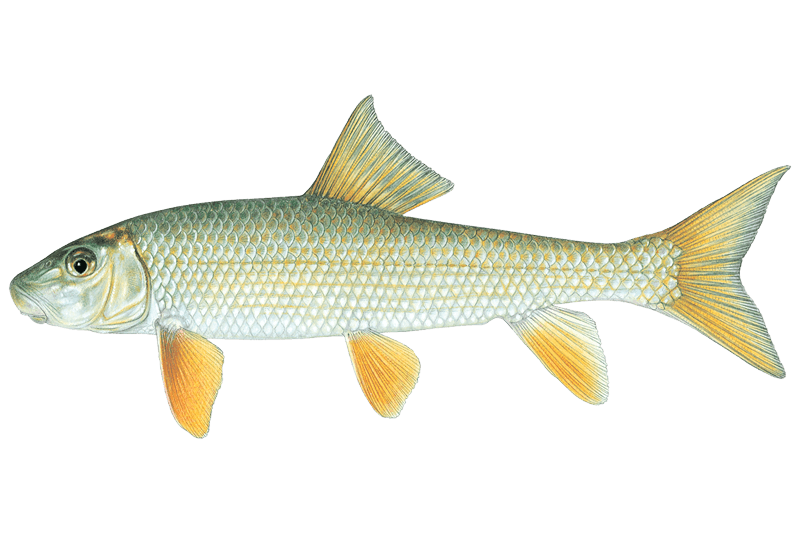
Black Redhorse
Moxostoma duquesnei

Blue Catfish
Ictalurus furcatus

Bluefish
Pomatomus saltatrix
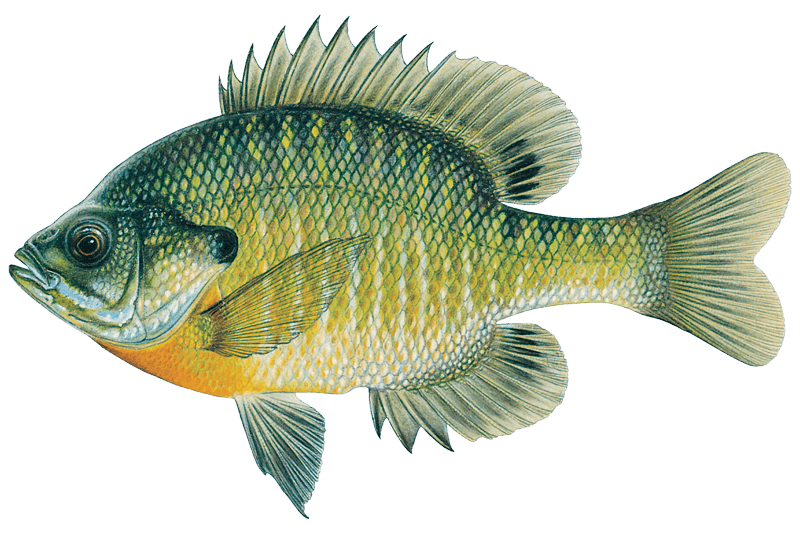
Bluegill Sunfish

Bowfin
Amia calva

Brown Bullhead
Ameiurus nebulosus

Chain Pickerel
Esox niger

Channel Catfish
Ictalurus punctatus

Common Carp
Cyprinus carpio

Creek Chub
Semotilus atromaculatus
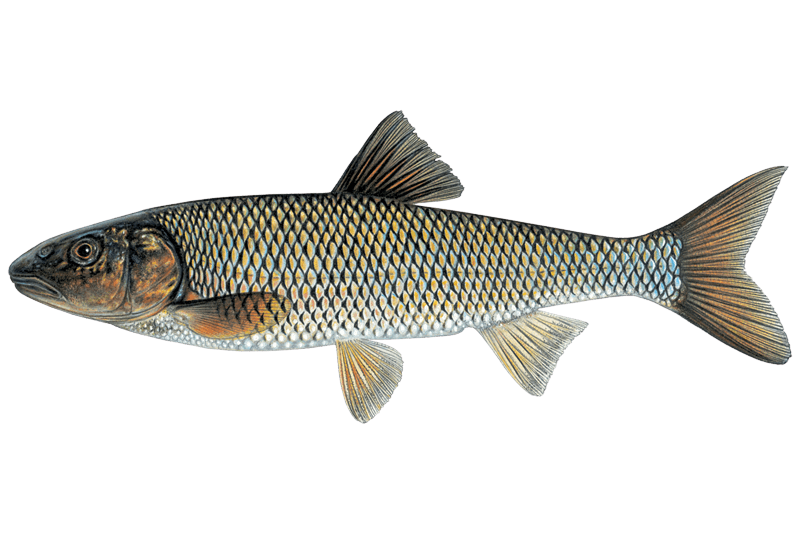
Fallfish
Semotilus corporalis

Flathead Catfish
Pylodictis olivaris

Flier
Centrarchus macropterus

Freshwater Drum
Aplodinotus grunniens

Gizzard Shad
Dorosoma cepedianum

Golden Redhorse
Moxostoma erythrurum

Grass Carp
Ctenopharyngodon idella

Green Sunfish
Lepomis cyanellus

Hickory Shad
Alosa mediocris

King Mackerel
Scomberomorus cavalla

Longear Sunfish
Lepomis megalotis
North Carolina licenses and regulations

North Carolina Boating Regulations
When using any type of watercraft to access a body of water, it is important to follow all federal, state, and local rules and regulations. These rules and regulations include boat permitting and licensing, invasive species inspections and stamps, life jacket and PFD rules, motor size and horsepower restrictions, noise limitations, restrictions on personal watercraft, and many more. Visit the web link below for the most current rules and regulations for this body of water.

North Carolina Fishing License
Youth under age 16 are exempt from the requirements of any fishing license and trout privilege license.

North Carolina Fishing Regulations
This river has a variety of species and regulations, including potential floating and/or watercraft restrictions. Because this river is specially managed for species, seasons, angling methods, and watercraft, it is strongly encouraged you check all federal, state, and local regulations before fishing. Visit any of the links below, inquire locally, or contact a local fly shop to learn current regulations and restrictions.

North Carolina Stream Access Laws
If a boater can float the water, it is navigable and can be used for recreation. Navigable waters are in the public trust, including streambeds. If the navigable water is tidal, public use extends to all waters that cover an average high tide.
Explore nearby waters
Explore North Carolina waters
Top fishing waters
Popular Cities
Loading popular cities...
Smarter Fishing Starts in the App.
onWater Fish gives you everything you need to plan smarter, fish better, and own every trip from first cast to last.