Eastern Mudminnow

Eastern Mudminnow is a small, stout freshwater fish making it the sole representative of the mudminnow family (Umbridae) in North Carolina.
This secretive species is extremely tolerant of stagnant, low-oxygenated waters and can survive in conditions that would be fatal to most other species, with documented survival in waters with pH ranging from 3.5 to 8.1.
Scientific Name: Umbra pygmaea
Small, stout freshwater fish reaching only 2-4.3 inches in length. Has a cylindrical body with a broad head, short snout, and distinctive brown coloration featuring 10-14 thin dark-brown lateral stripes and a black bar just before the caudal fin base
Fishing in North Carolina
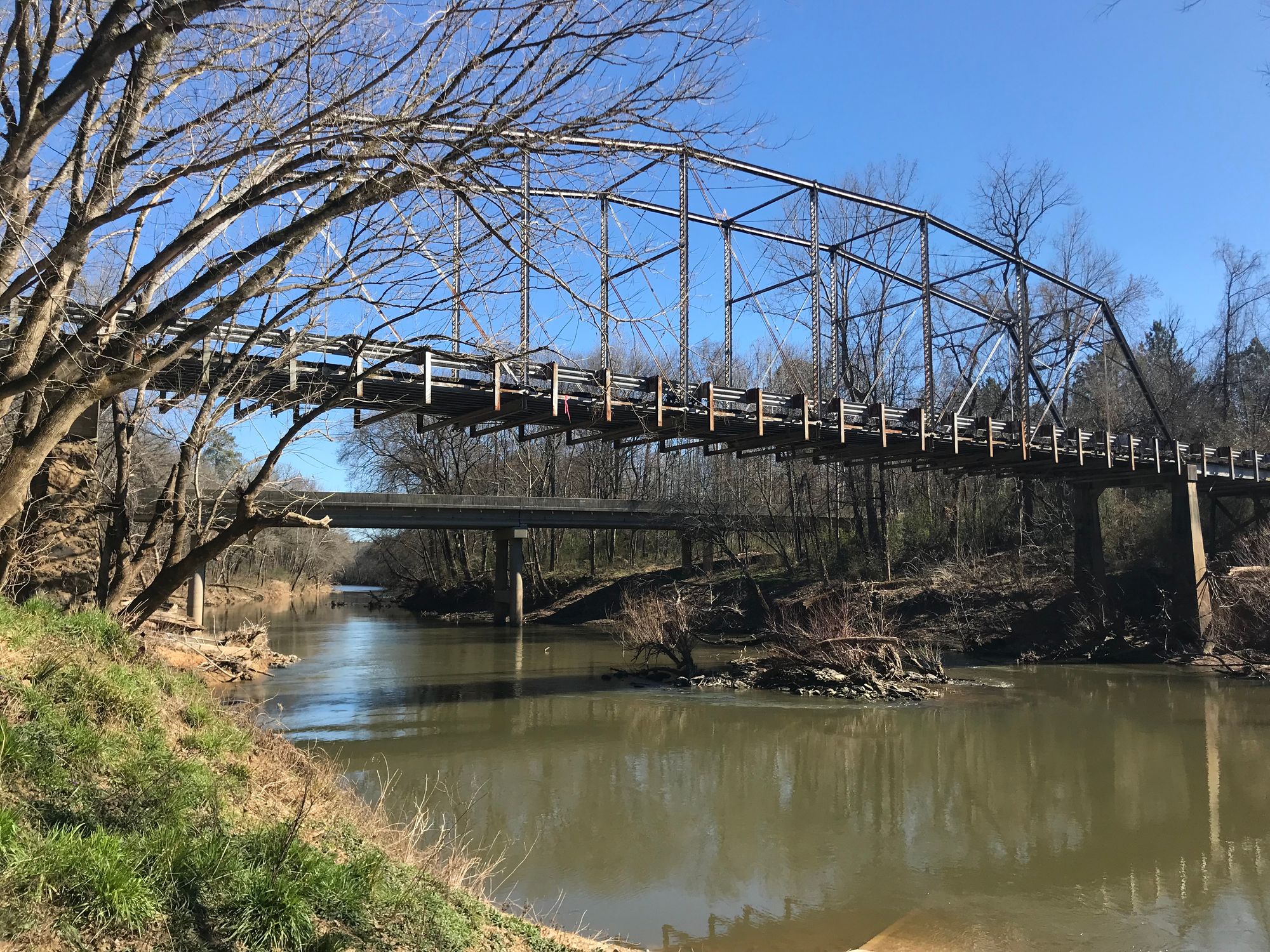
Deep River
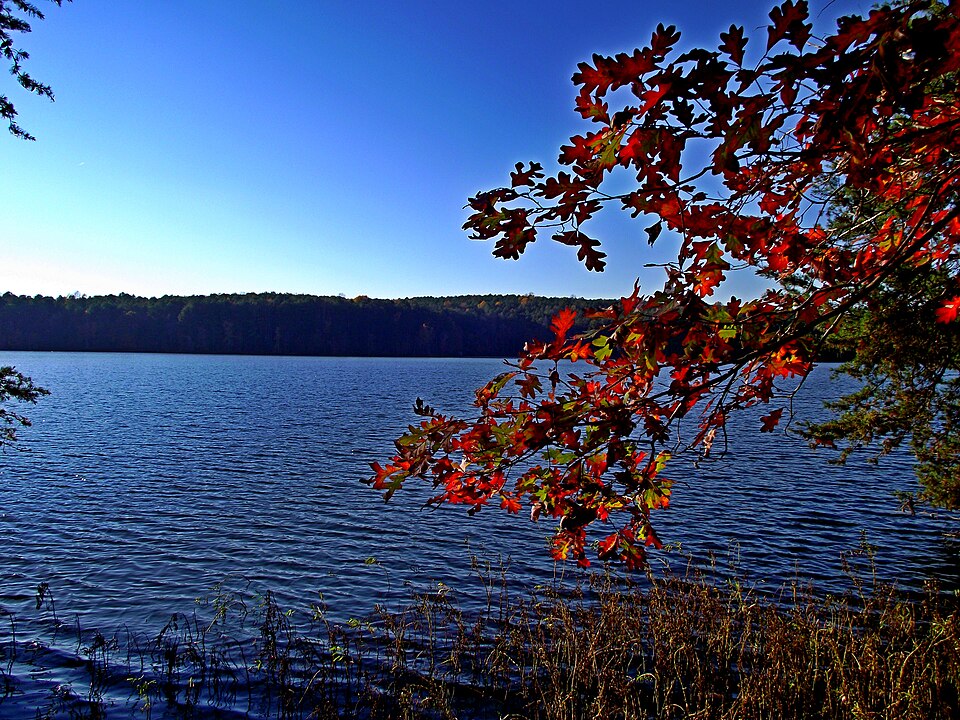
Badin Lake
Lake Tillery
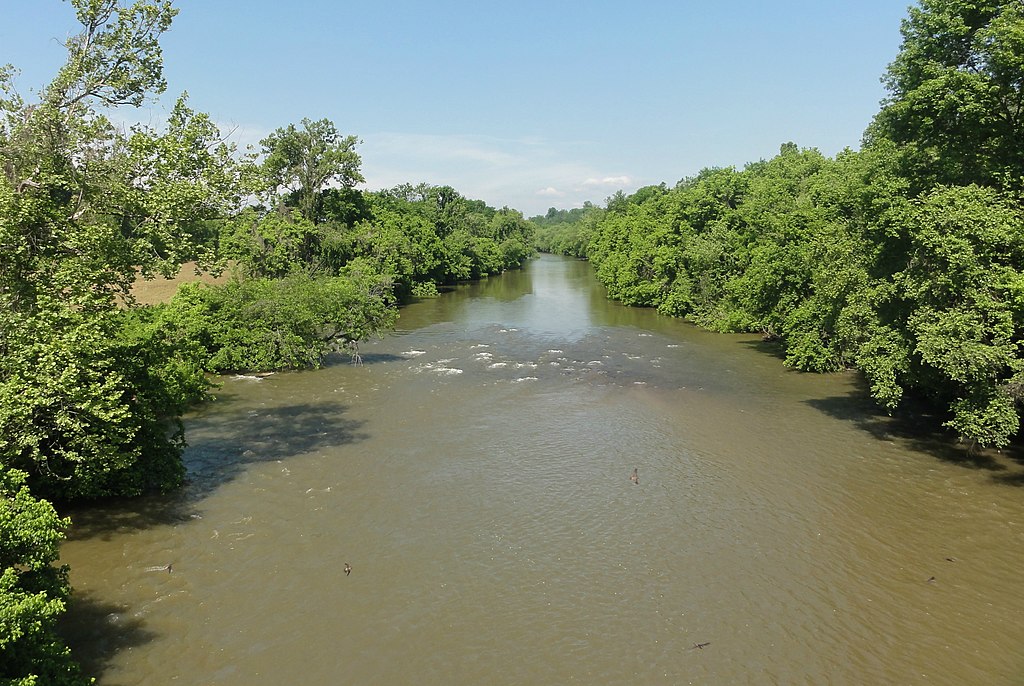
Yadkin River
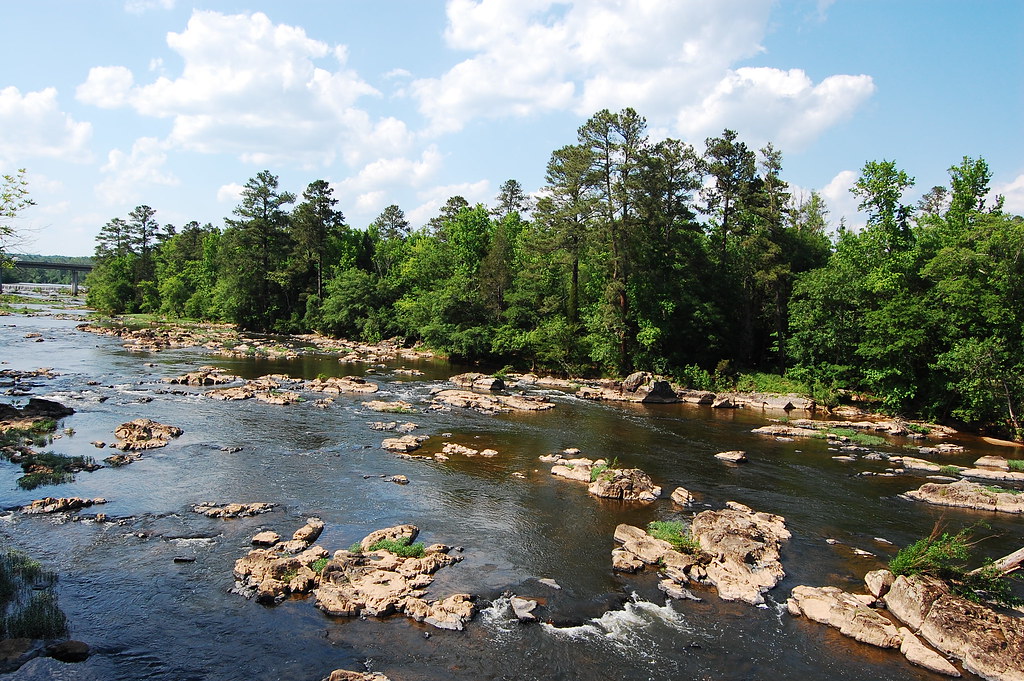
Haw River
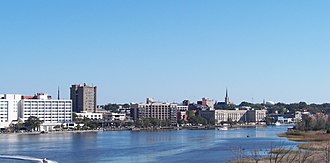
Cape Fear River
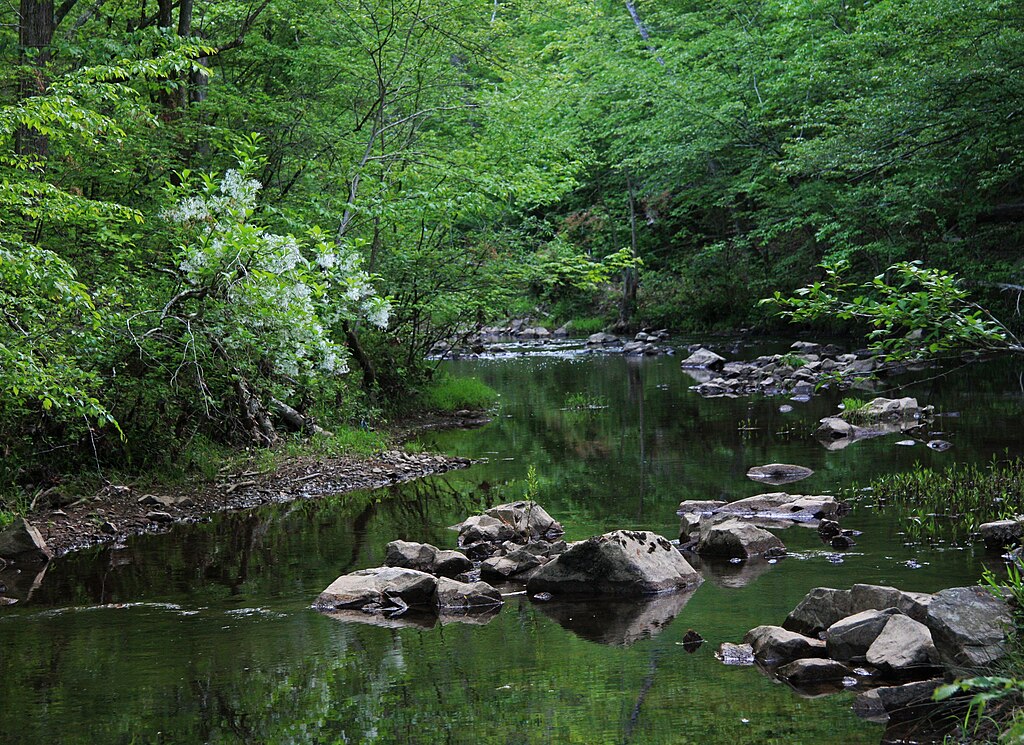
New Hope Creek
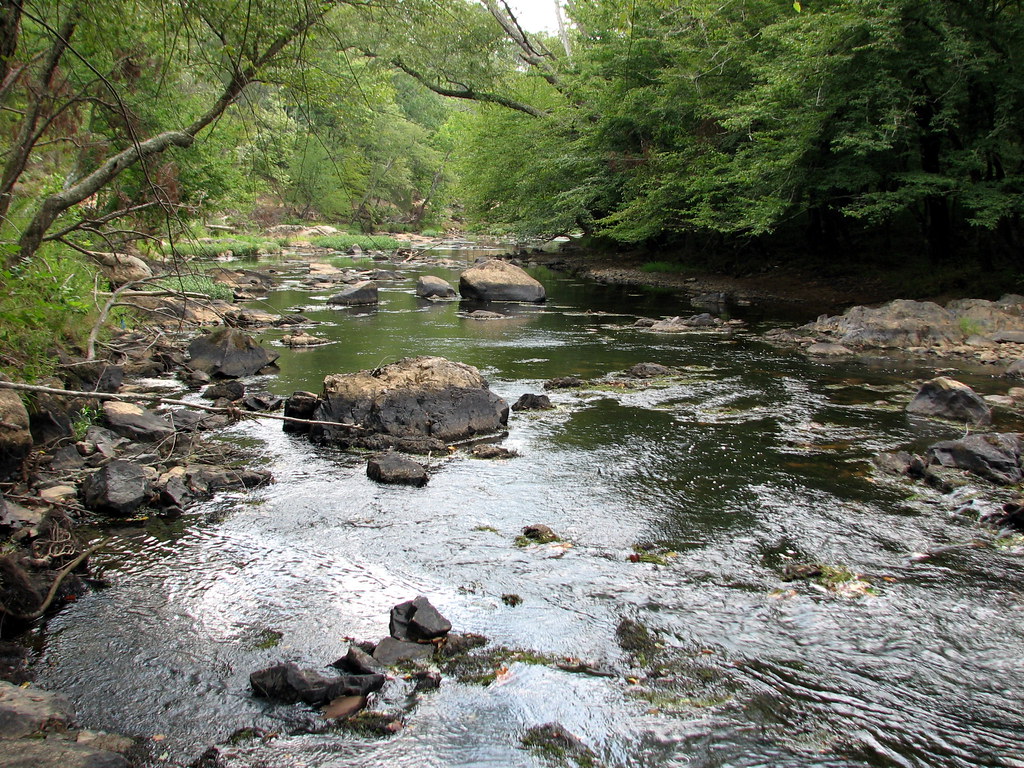
Eno River
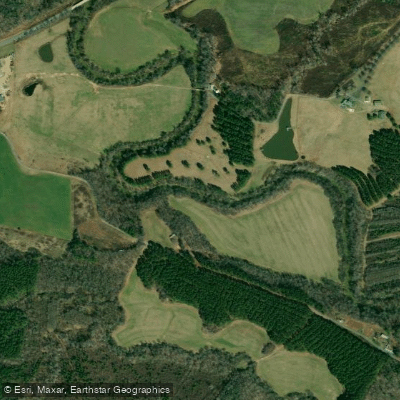
Uwharrie River
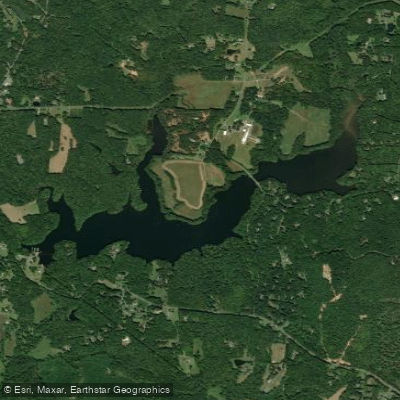
Back Creek Lake
What to know
Habitat Distribution
Primarily distributed throughout Atlantic slope Coastal Plain basins east of the Fall Zone. They avoid brackish waters along the Outer Banks and are absent from the Catawba, Broad, and Savannah basins. They inhabit small sluggish streams, roadside ditches, sloughs, swamps, creeks, blackwater habitats, and canal systemsKey Locations
Canals around Lake Waccamaw, roadside ditches along Catfish Lake Road (SR 1100) in Craven County, the Lower Little River system, vegetated creeks throughout the Inner Coastal Plain, Black Swamp Creek, Swift Creek near Vanceboro, and various tributary systems to the Neuse River. Documented populations in the Tar River, Cape Fear River, Neuse River drainage, Lower Little River, Waccamaw River basin, and numerous locations in Craven CountySpecific Spots
Areas with dense vegetation where they seek cover, particularly in cypress swamps and slow-moving streams with abundant debris. Look for them in undercut banks, thick aquatic vegetation, root systems, and around fallen logs during the day. Target shallow areas with mud substrates, ditches, sloughs, and backwater areas with heavy vegetation cover. Preferring areas with mud bottoms and abundant vegetationEastern Mudminnow FAQ
Answers from onWater's species guide.
What are the best lures and bait for Eastern Mudminnow in North Carolina?
Small Tanago hooks baited with small chunks of worm. They readily respond to worm bits presented near vegetation, debris, and along muddy bottoms
How do you catch Eastern Mudminnow in North Carolina?
Use micro-fishing techniques presenting small baits slowly along the bottom near structure. Focus on areas with stagnant or very slow-moving water
What do Eastern Mudminnow eat?
Diet consists primarily of bottom-dwelling organisms including cladocerans, ostracods, chironomid larvae, coleopteran larvae, insect larvae, worms, mollusks, and crustaceans. Detritus forms a major component of their diet year-round
Where do Eastern Mudminnow live in North Carolina?
Primarily distributed throughout Atlantic slope Coastal Plain basins east of the Fall Zone. They avoid brackish waters along the Outer Banks and are absent from the Catawba, Broad, and Savannah basins. They inhabit small sluggish streams, roadside ditches, sloughs, swamps, creeks, blackwater habitats, and canal systems
Fish smarter with real-time insights
Whether you're en route and conditions shift or you're looking for the best spot based on current flows, we enable you to make informed decisions on the fly.







See it in the app
Most maps show you water.
onWater shows you Eastern Mudminnow.



- 01 · Species map filter
Map every Eastern Mudminnow water
Pick Eastern Mudminnow and the map zeroes in on the waters they call home. No more guessing which lake holds them.
- 02 · Waterbody species
Tap any water. See what lives there.
Species, behavior and seasonal patterns for every lake, river and pond, before you leave the driveway.
- 03 · Angler Intelligence
Ask how to catch Eastern Mudminnow
Tactics, gear and timing from onWater's AI fishing guide, tuned to the species and the water you're on.
Stop guessing where Eastern Mudminnow are.
Open the map, filter by Eastern Mudminnow, and head to water that holds them. Download onWater and plan your next trip in minutes.
- Species map filter
- Angler Intelligence
- Fishing journal
Explore other species
Trout, bass, salmon, panfish and everything in between. Each guide unpacks the behavior, seasons, and tactics that put fish in the net.

Find which waters have the species you want to catch

Largemouth Bass
Micropterus salmoides

Smallmouth Bass
Micropterus dolomieu

Rainbow Trout
Oncorhynchus mykiss

Brown Trout

Brook Trout
Salvelinus fontinalis

Muskellunge

Walleye

Black Crappie
Pomoxis nigromaculatus

Alewife
Alosa pseudoharengus

American Eel
Anguilla rostrata

American Shad
Alosa sapidissima

Atlantic Croaker
Micropogonias undulatus

Atlantic Sturgeon

Bighead Carp
Hypophthalmichthys nobilis

Bigmouth Buffalo
Ictiobus cyprinellus

Black Buffalo
Ictiobus niger

Black Bullhead
Ameiurus melas

Black Drum
Pogonias cromis

Blacknose Dace
Rhinichthys atratulus, Rhinichthys obtusus
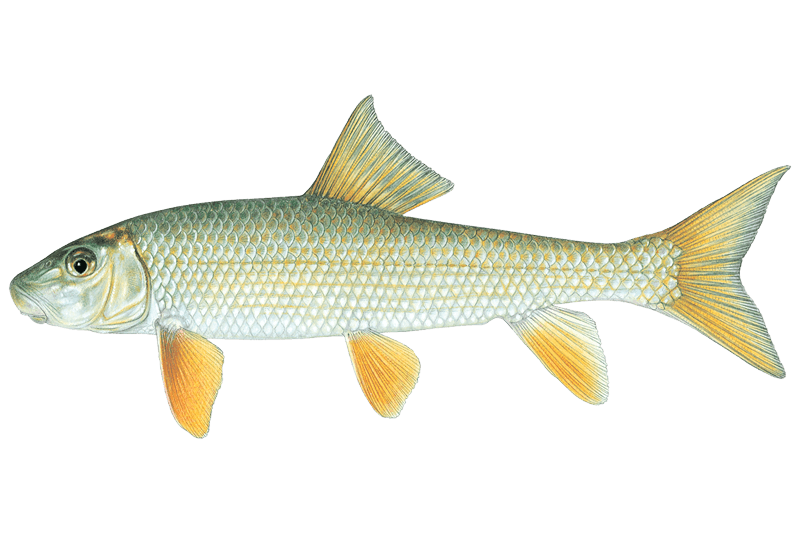
Black Redhorse
Moxostoma duquesnei

Blue Catfish
Ictalurus furcatus

Bluefish
Pomatomus saltatrix
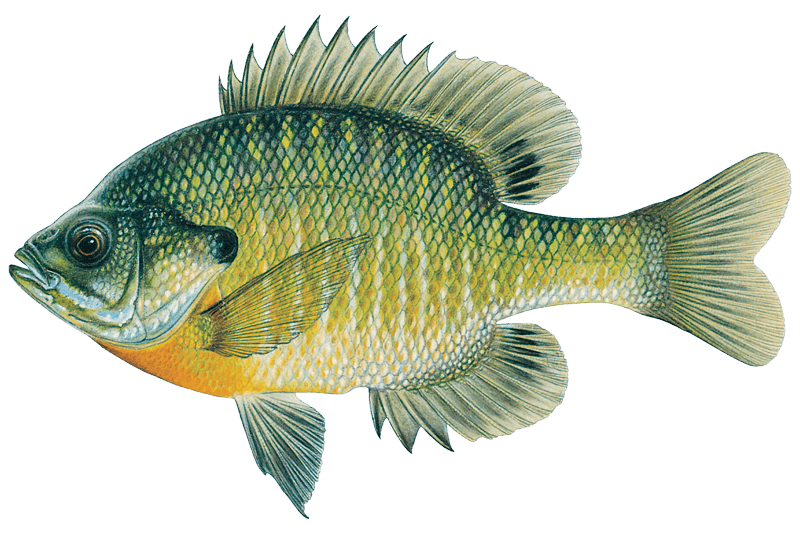
Bluegill Sunfish

Bowfin
Amia calva

Brown Bullhead
Ameiurus nebulosus

Chain Pickerel
Esox niger

Channel Catfish
Ictalurus punctatus

Common Carp
Cyprinus carpio

Creek Chub
Semotilus atromaculatus

Fallfish
Semotilus corporalis

Flathead Catfish
Pylodictis olivaris

Flier
Centrarchus macropterus

Freshwater Drum
Aplodinotus grunniens

Gizzard Shad
Dorosoma cepedianum

Golden Redhorse
Moxostoma erythrurum

Grass Carp
Ctenopharyngodon idella

Green Sunfish
Lepomis cyanellus

Hickory Shad
Alosa mediocris

King Mackerel
Scomberomorus cavalla

Longear Sunfish
Lepomis megalotis
North Carolina licenses and regulations

North Carolina Boating Regulations
When using any type of watercraft to access a body of water, it is important to follow all federal, state, and local rules and regulations. These rules and regulations include boat permitting and licensing, invasive species inspections and stamps, life jacket and PFD rules, motor size and horsepower restrictions, noise limitations, restrictions on personal watercraft, and many more. Visit the web link below for the most current rules and regulations for this body of water.

North Carolina Fishing License
Youth under age 16 are exempt from the requirements of any fishing license and trout privilege license.

North Carolina Fishing Regulations
This river has a variety of species and regulations, including potential floating and/or watercraft restrictions. Because this river is specially managed for species, seasons, angling methods, and watercraft, it is strongly encouraged you check all federal, state, and local regulations before fishing. Visit any of the links below, inquire locally, or contact a local fly shop to learn current regulations and restrictions.

North Carolina Stream Access Laws
If a boater can float the water, it is navigable and can be used for recreation. Navigable waters are in the public trust, including streambeds. If the navigable water is tidal, public use extends to all waters that cover an average high tide.
Explore nearby waters
Explore North Carolina waters
Top fishing waters
Popular Cities
Loading popular cities...

Smarter Fishing Starts in the App.
onWater Fish gives you everything you need to plan smarter, fish better, and own every trip from first cast to last.