Blueback Herring

Blueback Herring are anadromous fish native to North Carolina's Atlantic coastal waters, ranging from Nova Scotia to Florida. In North Carolina, they're most abundant in waters from the Chesapeake Bay south.
These fish form schools and migrate extensively, wintering offshore and moving into coastal rivers for spawning. The species was historically valuable in commercial fisheries and supported recreational fishing.
Scientific Name: Alosa aestivalis
- Silvery fish characterized by deep bluish-green backs and a distinctive black to dusky peritoneum (abdominal lining), reaching maximum lengths of 12 inches in North Carolina waters and living up to 8 years.
Fishing in North Carolina
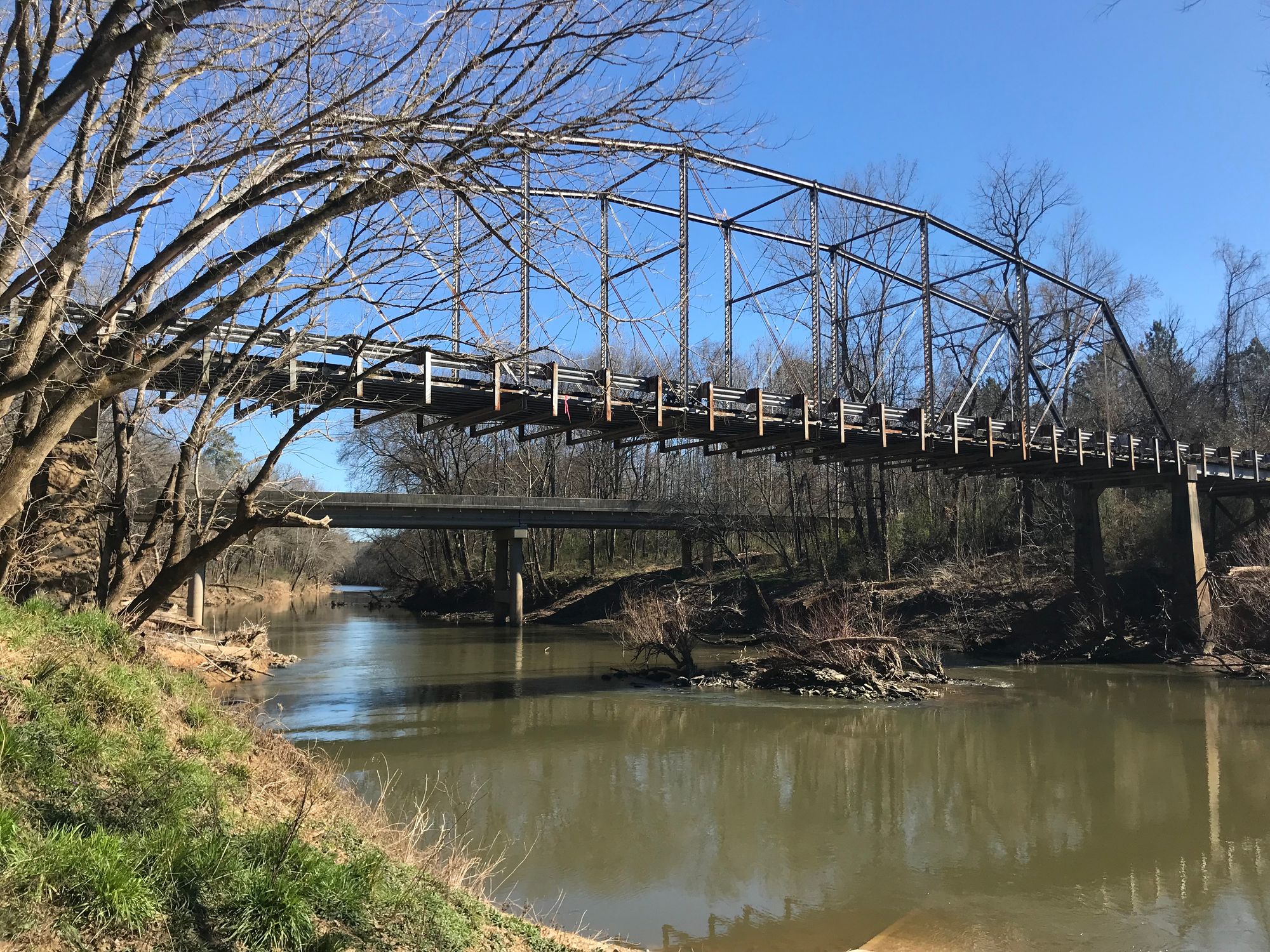
Deep River
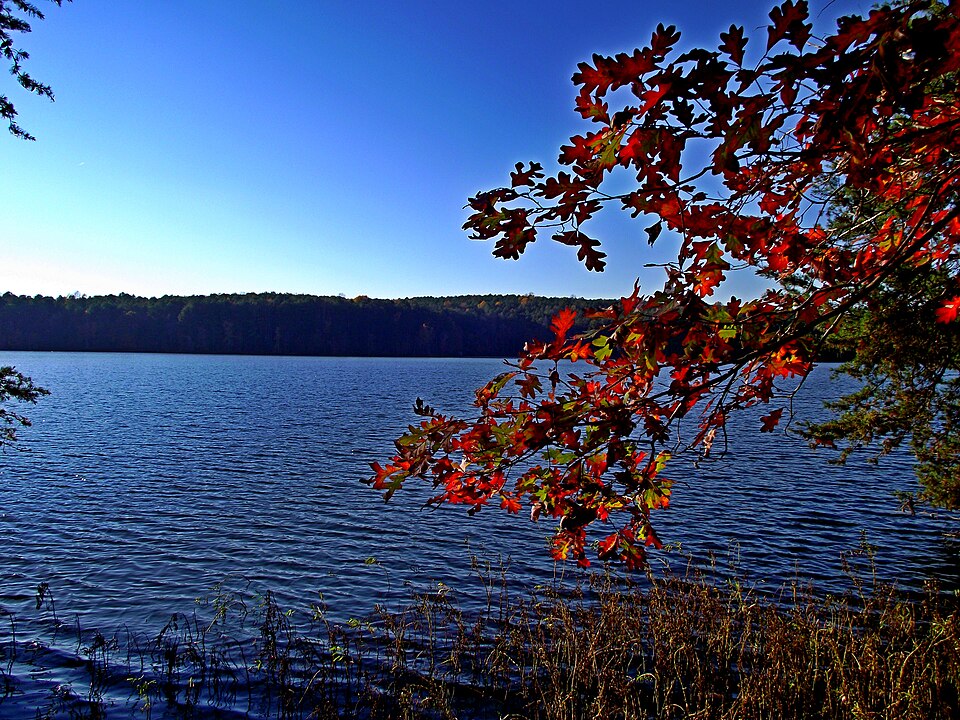
Badin Lake
Lake Tillery
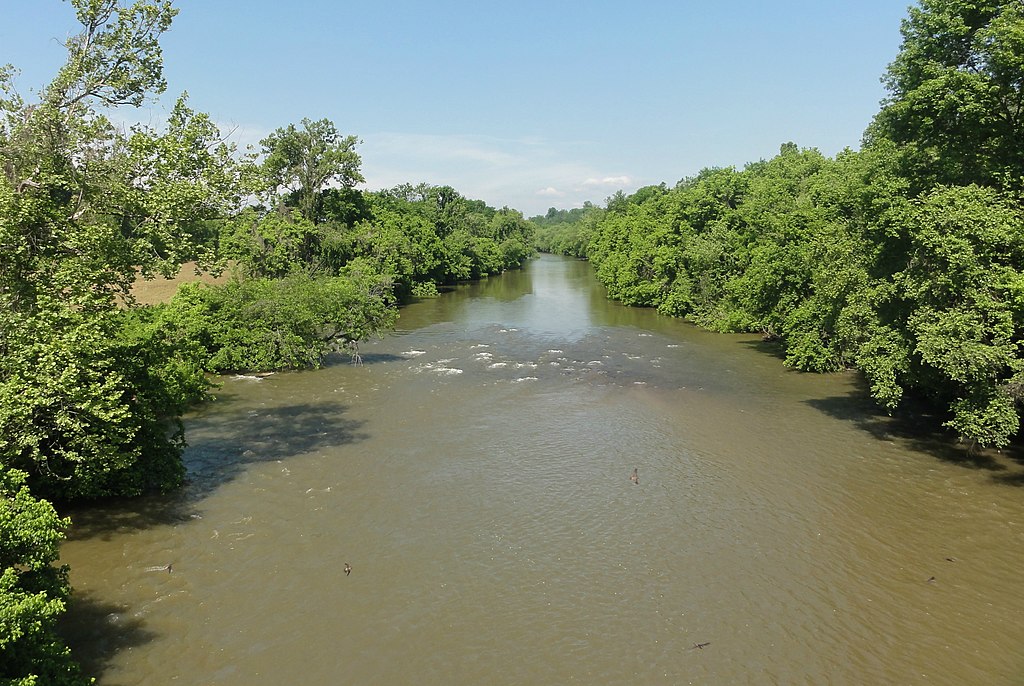
Yadkin River
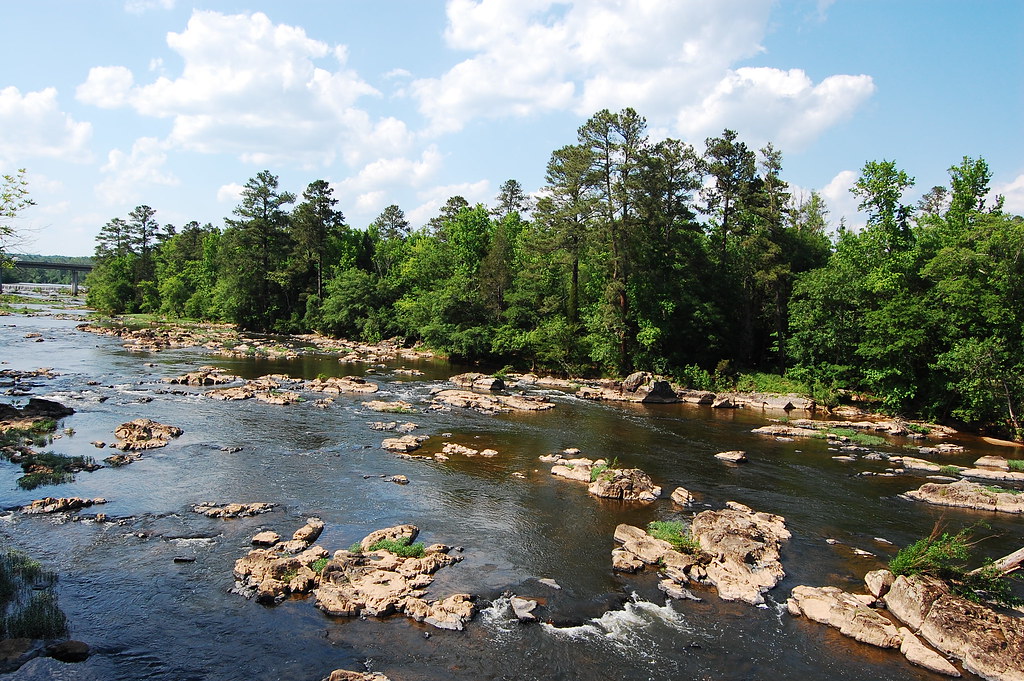
Haw River
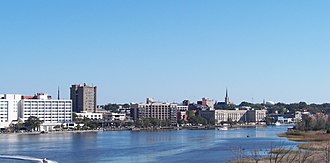
Cape Fear River
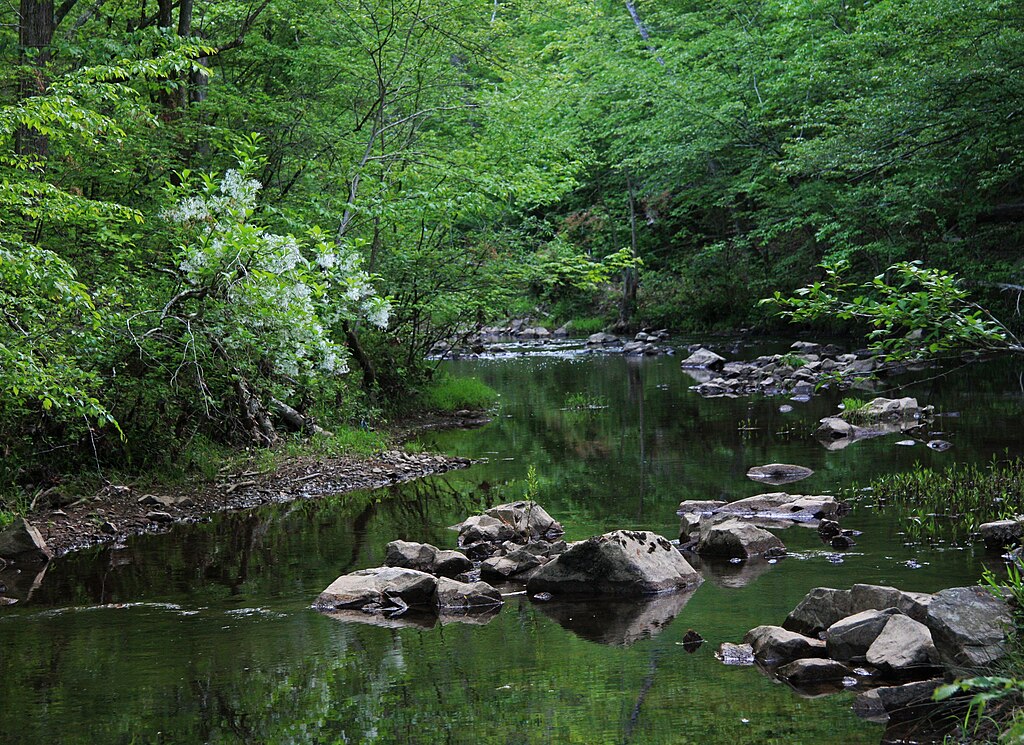
New Hope Creek
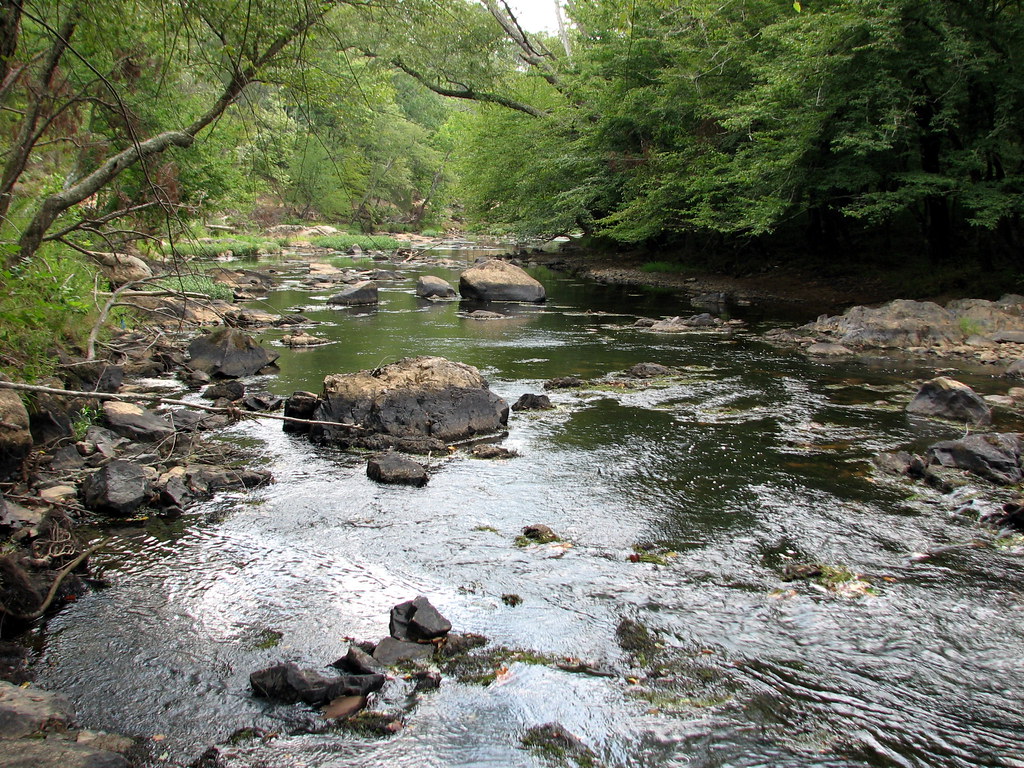
Eno River
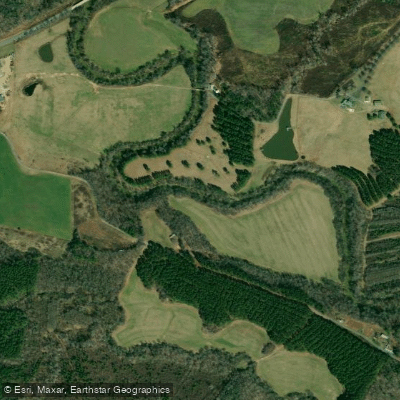
Uwharrie River
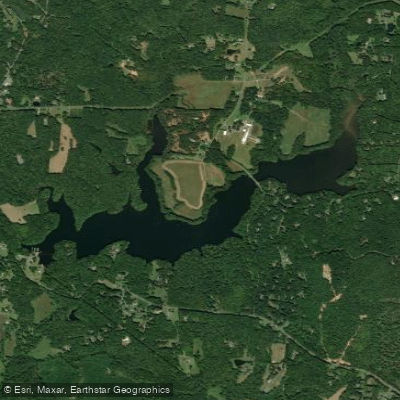
Back Creek Lake
What to know
Habitat Distribution
- Prefer swift-flowing rivers and tributaries for spawning.
- Their preferred habitats include riverine, estuarine, and Atlantic coastal waters.
- Nursery areas in the Neuse River characterized by deep, black water draining hardwood swamps with mud or detritus bottoms.
Key Locations
- Roanoke River downstream of Roanoke Rapids Dam, Tar River downstream of Rocky Mount Mill Dam, Neuse River downstream of Falls Lake Dam, Cape Fear River downstream of Buckhorn Dam, and Pee Dee River downstream of Blewett Falls Dam.
- They've been introduced into non-native drainages including the Savannah, Broad, Yadkin, Cape Fear, and Roanoke river systems.
Specific Spots
- Shallow, constricted stream areas during upstream migrations.
Blueback Herring FAQ
Answers from onWater's species guide.
When is the best time to fish for Blueback Herring in North Carolina?
Spring coastal migrations were historically the best time. Spawning period from late February through early May when water temperatures are 58-81°F should be avoided entirely.
How do you catch Blueback Herring in North Carolina?
Traditional methods included using large dip nets during upstream migrations in shallow, constricted stream areas.
What do Blueback Herring eat?
Primarily planktivorous, feeding on zooplankton including cladocerans (particularly Daphnia and Bosmina), copepods, and small shrimps, though adults also consume fish e.g.gs, crustacean e.g.gs, insects, and small fish.
Where do Blueback Herring live in North Carolina?
Prefer swift-flowing rivers and tributaries for spawning. Their preferred habitats include riverine, estuarine, and Atlantic coastal waters. Nursery areas in the Neuse River characterized by deep, black water draining hardwood swamps with mud or detritus bottoms.
Fish smarter with real-time insights
Whether you're en route and conditions shift or you're looking for the best spot based on current flows, we enable you to make informed decisions on the fly.







See it in the app
Most maps show you water.
onWater shows you Blueback Herring.



- 01 · Species map filter
Map every Blueback Herring water
Pick Blueback Herring and the map zeroes in on the waters they call home. No more guessing which lake holds them.
- 02 · Waterbody species
Tap any water. See what lives there.
Species, behavior and seasonal patterns for every lake, river and pond, before you leave the driveway.
- 03 · Angler Intelligence
Ask how to catch Blueback Herring
Tactics, gear and timing from onWater's AI fishing guide, tuned to the species and the water you're on.
Stop guessing where Blueback Herring are.
Open the map, filter by Blueback Herring, and head to water that holds them. Download onWater and plan your next trip in minutes.
- Species map filter
- Angler Intelligence
- Fishing journal
Explore other species
Trout, bass, salmon, panfish and everything in between. Each guide unpacks the behavior, seasons, and tactics that put fish in the net.

Find which waters have the species you want to catch

Largemouth Bass
Micropterus salmoides

Smallmouth Bass
Micropterus dolomieu

Rainbow Trout
Oncorhynchus mykiss

Brown Trout

Brook Trout
Salvelinus fontinalis

Muskellunge

Walleye

Black Crappie
Pomoxis nigromaculatus

Alewife
Alosa pseudoharengus

American Eel
Anguilla rostrata

American Shad
Alosa sapidissima

Atlantic Croaker
Micropogonias undulatus

Atlantic Sturgeon

Bighead Carp
Hypophthalmichthys nobilis

Bigmouth Buffalo
Ictiobus cyprinellus

Black Buffalo
Ictiobus niger

Black Bullhead
Ameiurus melas

Black Drum
Pogonias cromis

Blacknose Dace
Rhinichthys atratulus, Rhinichthys obtusus
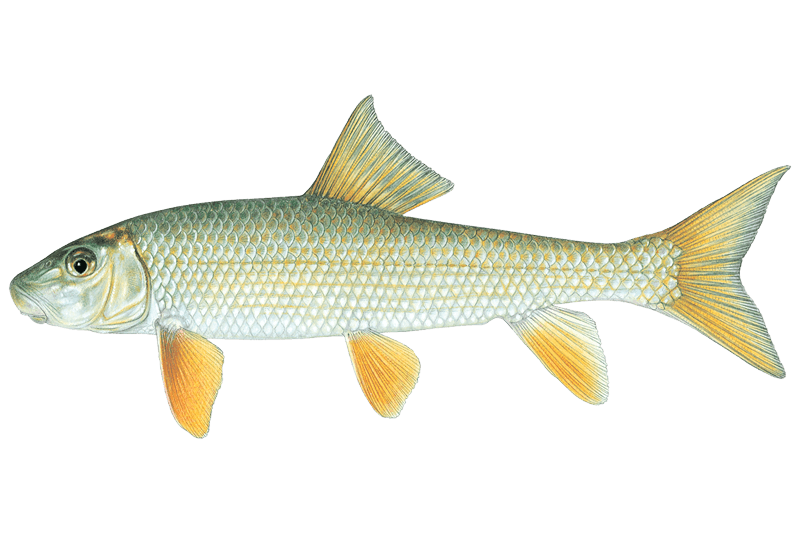
Black Redhorse
Moxostoma duquesnei

Blue Catfish
Ictalurus furcatus

Bluefish
Pomatomus saltatrix
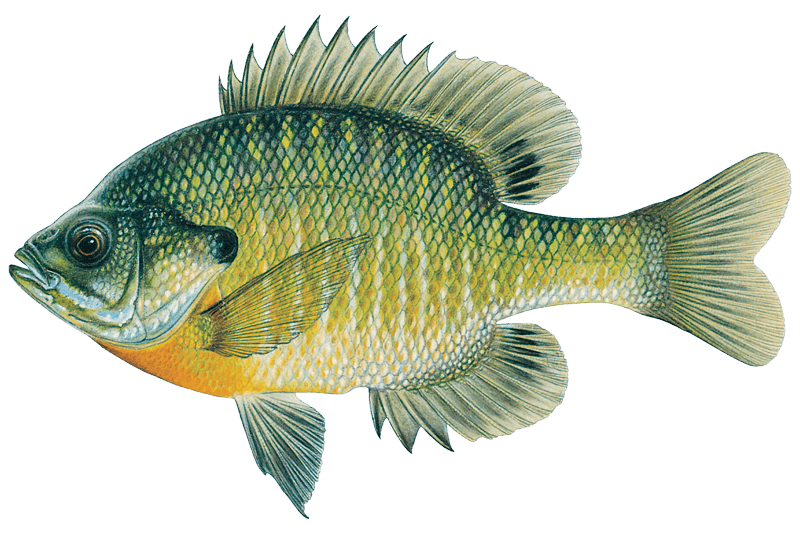
Bluegill Sunfish

Bowfin
Amia calva

Brown Bullhead
Ameiurus nebulosus

Chain Pickerel
Esox niger

Channel Catfish
Ictalurus punctatus

Common Carp
Cyprinus carpio

Creek Chub
Semotilus atromaculatus

Fallfish
Semotilus corporalis

Flathead Catfish
Pylodictis olivaris

Flier
Centrarchus macropterus

Freshwater Drum
Aplodinotus grunniens

Gizzard Shad
Dorosoma cepedianum

Golden Redhorse
Moxostoma erythrurum

Grass Carp
Ctenopharyngodon idella

Green Sunfish
Lepomis cyanellus

Hickory Shad
Alosa mediocris

King Mackerel
Scomberomorus cavalla

Longear Sunfish
Lepomis megalotis
North Carolina licenses and regulations

North Carolina Boating Regulations
When using any type of watercraft to access a body of water, it is important to follow all federal, state, and local rules and regulations. These rules and regulations include boat permitting and licensing, invasive species inspections and stamps, life jacket and PFD rules, motor size and horsepower restrictions, noise limitations, restrictions on personal watercraft, and many more. Visit the web link below for the most current rules and regulations for this body of water.

North Carolina Fishing License
Youth under age 16 are exempt from the requirements of any fishing license and trout privilege license.

North Carolina Fishing Regulations
This river has a variety of species and regulations, including potential floating and/or watercraft restrictions. Because this river is specially managed for species, seasons, angling methods, and watercraft, it is strongly encouraged you check all federal, state, and local regulations before fishing. Visit any of the links below, inquire locally, or contact a local fly shop to learn current regulations and restrictions.

North Carolina Stream Access Laws
If a boater can float the water, it is navigable and can be used for recreation. Navigable waters are in the public trust, including streambeds. If the navigable water is tidal, public use extends to all waters that cover an average high tide.
Explore nearby waters
Explore North Carolina waters
Top fishing waters
Popular Cities
Loading popular cities...
Smarter Fishing Starts in the App.
onWater Fish gives you everything you need to plan smarter, fish better, and own every trip from first cast to last.