Fishing in Brazil
- Lakes
- 7,705
- Rivers
- 22,257
- Access
- 606
- Boat Ramps
- 114
- Shops
- 0
Brazil is a continent-sized country with more freshwater than almost anywhere on earth, and that fact shapes everything about fishing here.
The Amazon basin alone drains roughly a third of the world's freshwater, and its river systems reach from the Colombian border to the Atlantic coast.
Then there's the Pantanal — the world's largest tropical wetland — and a long Atlantic coastline that adds saltwater to the mix. Most visiting anglers come for the rivers, and for good reason. The Amazon and its tributaries are the main draw.
Manaus sits at the confluence of the Rio Negro and the Amazon proper and serves as the practical hub for most expeditions — it has an international airport, a famous fish market, and decades of outfitter infrastructure.
From there, anglers fan out across a river system holding over 2,200 species.
The tucunaré-açu, known internationally as the giant peacock bass, is the fish most people come for: aggressive surface strikes, strong runs, and a size that can reach 30 pounds in the more remote reaches.
The Rio Negro watershed — including tributaries like the Rio Marié and the Uatumã — holds some of the healthiest populations.
The Rio Marié in particular sits more than 500 miles northwest of Manaus inside indigenous territory, and the operation there runs under a fly-fishing-only, catch-and-release-only mandate. Since 2014 it has produced 15 IGFA world records for peacock bass.
Access is by floatplane, and the indigenous community fee is part of the cost — a direct link between the fishery and the people who steward it.
Other species worth knowing: arapaima, one of the largest freshwater fish in the world, lurk in the flooded forests and oxbow lakes of the Amazon basin.
Payara, sardinata, redtail catfish, and bicuda round out what anglers encounter on a typical jungle expedition. The Xingu river system adds more variety, and the Tocantins holds its own peacock bass populations.
The Pantanal is a different world entirely — open floodplains rather than dense jungle, with over 320 fish species and a wildlife density that makes non-anglers want to come along.
Golden dorado are the signature target here, and the seasonal flooding cycle drives everything. The Pantanal's wet and dry seasons shift fish location dramatically, so timing matters.
Brazil requires a recreational fishing license, issued through IBAMA (Instituto Brasileiro do Meio Ambiente e dos Recursos Naturais Renováveis) or the Ministry of Fisheries.
Fishing licenses are not included in most package trips, so sort that out before you go. Closed seasons vary by state and change annually — check current rules with IBAMA or your local guide before booking dates around them.
The Amazon's peak fishing season runs during the dry months, roughly September through March, when water levels drop and fish concentrate in predictable areas. The Pantanal follows its own flood cycle.
Either way, the logistics here are real — remote access, long travel days, and genuine wilderness. That's not a warning, it's the point.
Species & education
Learn what type of fish are in Brazil and what's needed to catch them.
Find which waters have the species you want to catch
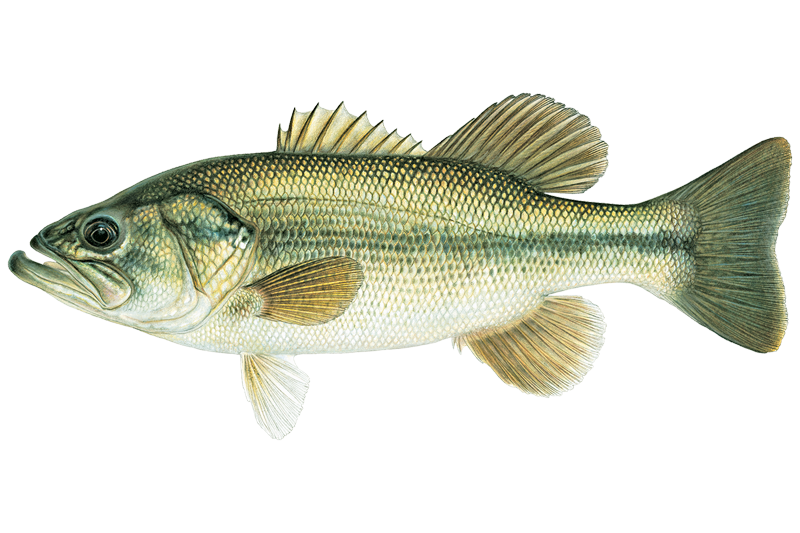
Largemouth Bass
Micropterus salmoides
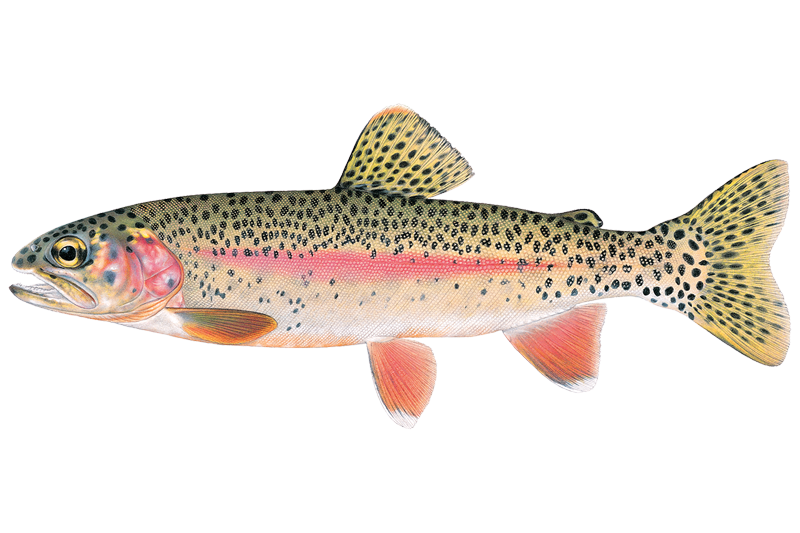
Rainbow Trout
Oncorhynchus mykiss

Acoupa Weakfish
Cynoscion acoupa

Albacore
Thunnus alalunga

Aracu
Leporinus guttatus

Aracu branco
Leporinus brunneus

Aracu cabeça gorda
Leporinus friderici

Aracu-flamengo
Leporinus fasciatus

Aracu pinima
Leporinus affinis

Arapaima gigas
Arapaima gigas

Astronotus crassipinnis
Astronotus crassipinnis

Atlantic Bonito
Sarda sarda

Baboso
Brachyplatystoma platynemum

Bagre-africano
Clarias gariepinus

Bagre-amarelo
Brachyplatystoma filamentosum

Barred Grunt
Conodon nobilis

Beiradeira
Brycon pesu

Bico-de-pato
Sorubim trigonocephalus

Black Drum
Pogonias courbina

Black Grouper
Mycteroperca bonaci

Bluefish
Pomatomus saltatrix

Blue Marlin
Makaira nigricans

Bonefish
Albula vulpes

Brazilian Sardine
Sardinella brasiliensis

Broadbill Swordfish
Xiphias gladius

Brycon dulcis
Brycon dulcis

Cachorra
Hydrolycus tatauaia

Caíca
Mugil curema

Cambriaçu
Centropomus parallelus

Camuripema
Centropomus undecimalis

Carpa-cabeça-grande
Hypophthalmichthys nobilis

Carpa-comum
Cyprinus rubrofuscus
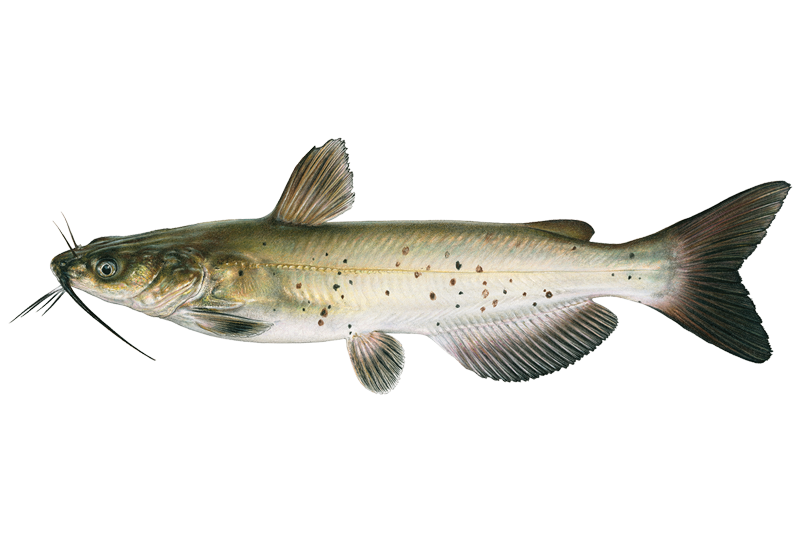
Channel Catfish
Ictalurus punctatus

Chicote
Sorubimichthys planiceps

Cíclido pavorreal de kelber
Cichla kelberi

Cobia
Rachycentron canadum
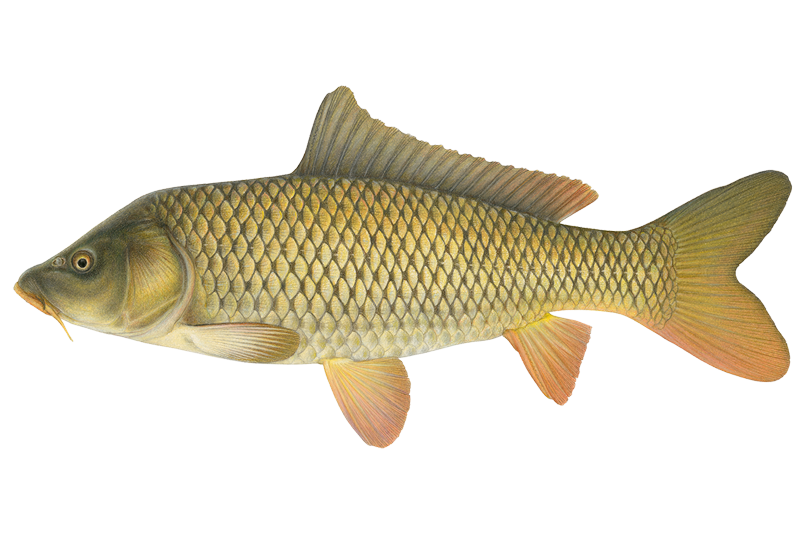
Common Carp
Cyprinus carpio

Common Snook
Centropomus undecimalis

Corimbatá
Prochilodus vimboides

Corvina de río
Plagioscion ternetzi
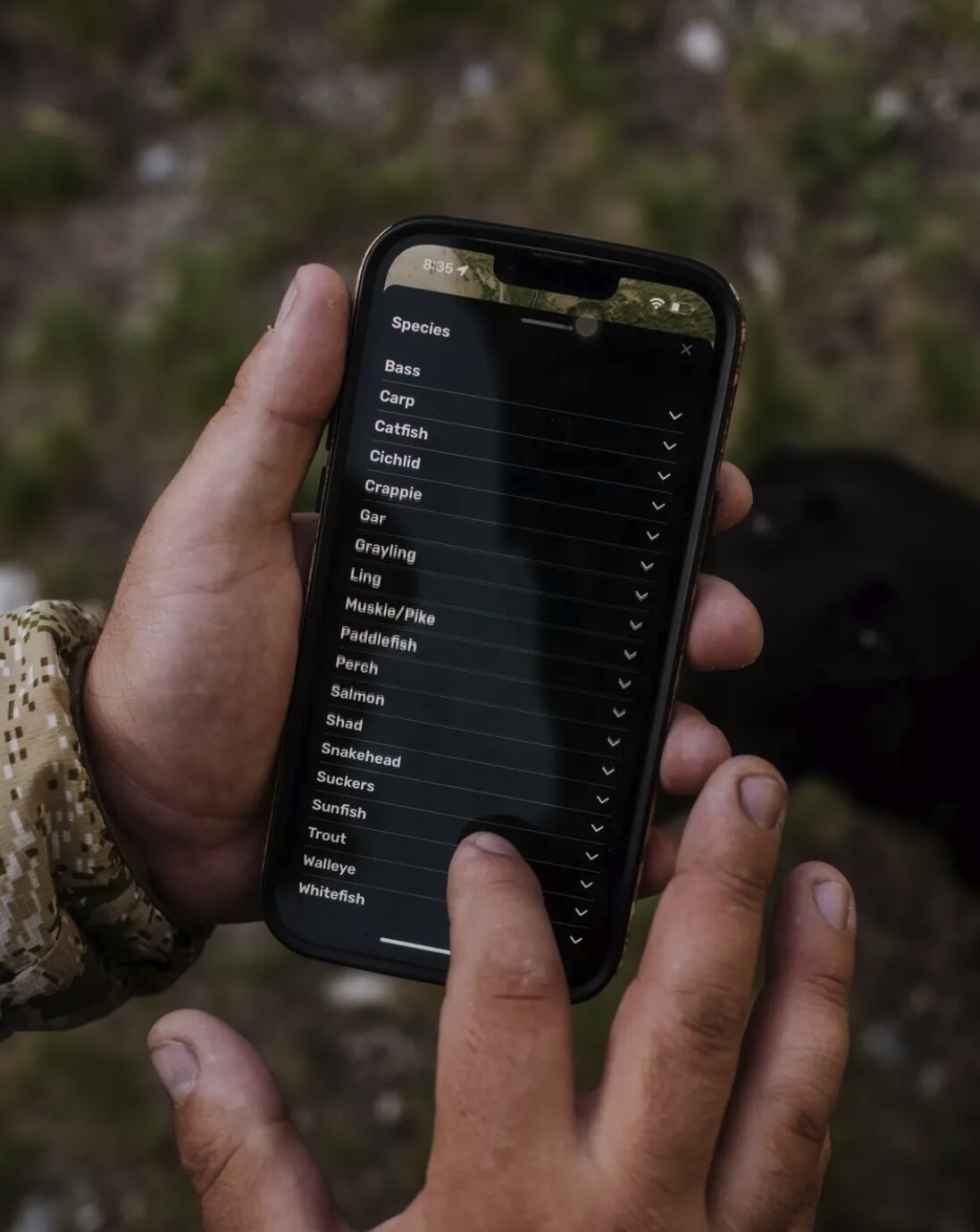
Fish smarter with real-time insights
Whether you're en route and conditions shift or you're looking for the best spot based on current flows, we enable you to make informed decisions on the fly.
Cities in Brazil
- Abaetetuba, Pará
- Açailândia, Maranhão
- Açu, Rio Grande do Norte
- Águas Claras, Distrito Federal
- Águas Lindas de Goiás, Goiás
- Altamira, Pará
- Alto Alegre, Roraima
- Altos, Piauí
- Amajari, Roraima
- Ananindeua, Pará
- Anápolis, Goiás
- Aparecida de Goiânia, Goiás
- Aquidauana, Mato Grosso do Sul
- Aracaju, Sergipe
- Aracruz, Espírito Santo
- Araguaína, Tocantins
- Araguatins, Tocantins
- Arapiraca, Alagoas
- Araucária, Paraná
- Ariquemes, Rondônia
- Bacabal, Maranhão
- Balsas, Maranhão
- Barcarena, Pará
- Barra do Garças, Mato Grosso
- Barra dos Coqueiros, Sergipe
- Barras, Piauí
- Barreiras, Bahia
- Bayeux, Paraíba
- Belém, Pará
- Belford Roxo, Rio de Janeiro
- Belo Horizonte, Minas Gerais
- Betim, Minas Gerais
- Blumenau, Santa Catarina
- Boa Vista, Roraima
- Bonfim, Roraima
- Brasiléia, Acre
- Brasília, Distrito Federal
- Buritis, Rondônia
- Cabedelo, Paraíba
- Cabo de Santo Agostinho, Pernambuco
- Cáceres, Mato Grosso
- Cachoeiro de Itapemirim, Espírito Santo
- Cacoal, Rondônia
- Caicó, Rio Grande do Norte
- Cajazeiras, Paraíba
- Calçoene, Amapá
- Camaçari, Bahia
- Camaragibe, Pernambuco
- Campina Grande, Paraíba
- Campinas, São Paulo
- Campo Grande, Mato Grosso do Sul
- Campo Maior, Piauí
- Campos dos Goytacazes, Rio de Janeiro
- Canoas, Rio Grande do Sul
- Cantá, Roraima
- Caracaraí, Roraima
- Cariacica, Espírito Santo
- Caruaru, Pernambuco
- Cascavel, Paraná
- Castanhal, Pará
- Caucaia, Ceará
- Caxias do Sul, Rio Grande do Sul
- Caxias, Maranhão
- Ceará-Mirim, Rio Grande do Norte
- Ceilândia, Distrito Federal
- Chapecó, Santa Catarina
- Coari, Amazonas
- Codó, Maranhão
- Colatina, Espírito Santo
- Colinas do Tocantins, Tocantins
- Colombo, Paraná
- Contagem, Minas Gerais
- Corumbá, Mato Grosso do Sul
- Coruripe, Alagoas
- Crato, Ceará
- Criciúma, Santa Catarina
- Cruzeiro do Sul, Acre
- Cuiabá, Mato Grosso
- Curitiba, Paraná
- Delmiro Gouveia, Alagoas
- Dianópolis, Tocantins
- Dourados, Mato Grosso do Sul
- Duque de Caxias, Rio de Janeiro
- Esperantina, Piauí
- Estância, Sergipe
- Extremoz, Rio Grande do Norte
- Feijó, Acre
- Feira de Santana, Bahia
- Floriano, Piauí
- Florianópolis, Santa Catarina
- Formosa, Goiás
- Fortaleza, Ceará
- Foz do Iguaçu, Paraná
- Gama, Distrito Federal
- Garanhuns, Pernambuco
- Goiânia, Goiás
- Governador Valadares, Minas Gerais
- Gravataí, Rio Grande do Sul
- Guajará Mirim, Rondônia
- Guará, Distrito Federal
- Guarabira, Paraíba
- Guaraí, Tocantins
- Guarapari, Espírito Santo
- Guarapuava, Paraná
- Guarulhos, São Paulo
- Gurupi, Tocantins
- Humaitá, Amazonas
- Iguatu, Ceará
- Ilhéus, Bahia
- Imperatriz, Maranhão
- Itabaiana, Sergipe
- Itabaianinha, Sergipe
- Itabuna, Bahia
- Itacoatiara, Amazonas
- Itaituba, Pará
- Itajaí, Santa Catarina
- Itapipoca, Ceará
- Jaboatão dos Guararapes, Pernambuco
- Jaraguá do Sul, Santa Catarina
- Jaru, Rondônia
- Ji Paraná, Rondônia
- João Pessoa, Paraíba
- Joinville, Santa Catarina
- Juazeiro do Norte, Ceará
- Juazeiro, Bahia
- Juiz de Fora, Minas Gerais
- Lagarto, Sergipe
- Lages, Santa Catarina
- Laranjal do Jari, Amapá
- Lauro de Freitas, Bahia
- Linhares, Espírito Santo
- Londrina, Paraná
- Lucas do Rio Verde, Mato Grosso
- Luziânia, Goiás
- Macaíba, Rio Grande do Norte
- Macapá, Amapá
- Maceió, Alagoas
- Machadinho d'Oeste, Rondônia
- Manacapuru, Amazonas
- Manaus, Amazonas
- Mâncio Lima, Acre
- Manicoré, Amazonas
- Marabá, Pará
- Maracaju, Mato Grosso do Sul
- Maracanaú, Ceará
- Maranguape, Ceará
- Marechal Deodoro, Alagoas
- Marechal Thaumaturgo, Acre
- Maringá, Paraná
- Maués, Amazonas
- Mazagão, Amapá
- Montes Claros, Minas Gerais
- Mossoró, Rio Grande do Norte
- Mucajaí, Roraima
- Natal, Rio Grande do Norte
- Naviraí, Mato Grosso do Sul
- Niterói, Rio de Janeiro
- Normandia, Roraima
- Nossa Senhora do Socorro, Sergipe
- Nova Andradina, Mato Grosso do Sul
- Nova Iguaçu, Rio de Janeiro
- Nova Mutum, Mato Grosso
- Novo Hamburgo, Rio Grande do Sul
- Oiapoque, Amapá
- Olinda, Pernambuco
- Osasco, São Paulo
- Pacaraima, Roraima
- Paço do Lumiar, Maranhão
- Palhoça, Santa Catarina
- Palmas, Tocantins
- Paraíso do Tocantins, Tocantins
- Parauapebas, Pará
- Parintins, Amazonas
- Parnaíba, Piauí
- Parnamirim, Rio Grande do Norte
- Passo Fundo, Rio Grande do Sul
- Patos, Paraíba
- Paulista, Pernambuco
- Pedra Branca do Amapari, Amapá
- Pelotas, Rio Grande do Sul
- Penedo, Alagoas
- Petrolina, Pernambuco
- Petrópolis, Rio de Janeiro
- Picos, Piauí
- Piripiri, Piauí
- Planaltina, Distrito Federal
- Plano Piloto, Distrito Federal
- Ponta Grossa, Paraná
- Ponta Porã, Mato Grosso do Sul
- Porto Acre, Acre
- Porto Alegre, Rio Grande do Sul
- Porto Grande, Amapá
- Porto Nacional, Tocantins
- Porto Seguro, Bahia
- Porto Velho, Rondônia
- Quixadá, Ceará
- Recanto das Emas, Distrito Federal
- Recife, Pernambuco
- Ribeirão das Neves, Minas Gerais
- Ribeirão Preto, São Paulo
- Rio Branco, Acre
- Rio de Janeiro, Rio de Janeiro
- Rio Largo, Alagoas
- Rio Verde, Goiás
- Rolim de Moura, Rondônia
- Rondonópolis, Mato Grosso
- Rorainópolis, Roraima
- Salvador, Bahia
- Samambaia, Distrito Federal
- Santa Maria, Distrito Federal
- Santa Maria, Rio Grande do Sul
- Santa Rita, Paraíba
- Santana do Ipanema, Alagoas
- Santana, Amapá
- Santarém, Pará
- Santo André, São Paulo
- São Bernardo do Campo, São Paulo
- São Cristóvão, Sergipe
- São Gonçalo do Amarante, Rio Grande do Norte
- São Gonçalo, Rio de Janeiro
- São João de Meriti, Rio de Janeiro
- São José de Mipibu, Rio Grande do Norte
- São José de Ribamar, Maranhão
- São José do Rio Preto, São Paulo
- São José dos Campos, São Paulo
- São José dos Pinhais, Paraná
- São José, Santa Catarina
- São Leopoldo, Rio Grande do Sul
- São Luís, Maranhão
- São Mateus, Espírito Santo
- São Miguel dos Campos, Alagoas
- São Paulo, São Paulo
- Sapé, Paraíba
- Sena Madureira, Acre
- Senador Canedo, Goiás
- Senador Guiomard, Acre
- Serra, Espírito Santo
- Sete Lagoas, Minas Gerais
- Sidrolândia, Mato Grosso do Sul
- Simão Dias, Sergipe
- Sinop, Mato Grosso
- Sobral, Ceará
- Sorocaba, São Paulo
- Sorriso, Mato Grosso
- Sousa, Paraíba
- Tabatinga, Amazonas
- Tangará da Serra, Mato Grosso
- Tarauacá, Acre
- Tartarugalzinho, Amapá
- Tefé, Amazonas
- Teresina, Piauí
- Timon, Maranhão
- Tobias Barreto, Sergipe
- Tocantinópolis, Tocantins
- Três Lagoas, Mato Grosso do Sul
- Trindade, Goiás
- Uberaba, Minas Gerais
- Uberlândia, Minas Gerais
- União dos Palmares, Alagoas
- União, Piauí
- Valparaíso de Goiás, Goiás
- Várzea Grande, Mato Grosso
- Viamão, Rio Grande do Sul
- Vila Velha, Espírito Santo
- Vilhena, Rondônia
- Vitória da Conquista, Bahia
- Vitória de Santo Antão, Pernambuco
- Vitória do Jari, Amapá
- Vitória, Espírito Santo
National parks in Brazil
- Acari National Park
- Anavilhanas National Park
- Araucárias National Park
- Campos Amazônicos National Park
- Guaricana National Park
- Ilha Grande National Park
- Jamanxim National Park
- Pantanal Matogrossense National Park
- Parque Nacional da Amazônia
- Parque Nacional da Chapada Diamantina
- Parque Nacional da Restinga de Jurubatiba
- Parque Nacional da Serra da Bocaina
- Parque Nacional da Serra da Canastra
- Parque Nacional da Serra do Pardo
- Parque Nacional das Sempre-Vivas
- Parque Nacional do Araguaia
- Parque Nacional do Cabo Orange
- Parque Nacional do Itatiaia
- Parque Nacional do Jaú
- Parque Nacional do Juruena
- Parque Nacional do Pico da Neblina
- Parque Nacional do Superagui
- Parque Nacional Montanhas do Tumucumaque
- Parque Nacional Serra da Mocidade
- Rio Novo National Park
- Serra da Cutia National Park
- Serra do Divisor National Park
- Serra dos Orgãos National Park
- Viruá National Park
Explore Brazil waters
Top fishing waters
Popular Cities
Loading popular cities...
Smarter Fishing Starts in the App.
onWater Fish gives you everything you need to plan smarter, fish better, and own every trip from first cast to last.