Fishing in Parque Nacional da Restinga de Jurubatiba
- National Park
- Lakes
- 13
- Rivers
- 0
- Access
- 0
- Boat Ramps
- 0
- Shops
- 0
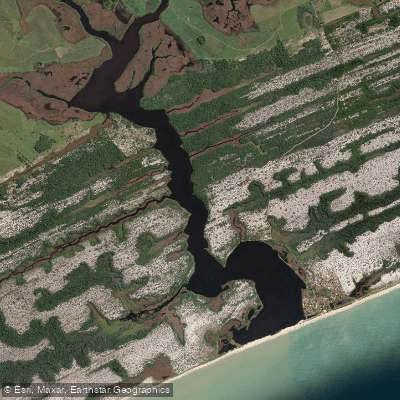
Parque Nacional da Restinga de Jurubatiba sits along the northern coast of Rio de Janeiro state, stretching across the municipalities of Macaé, Carapebus, and Quissamã.
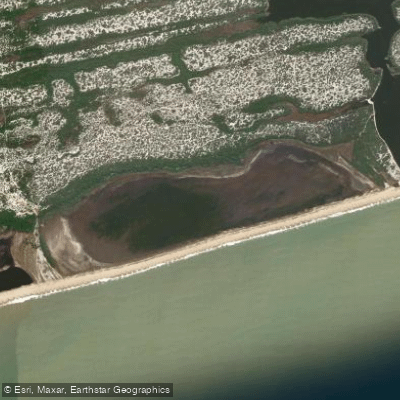
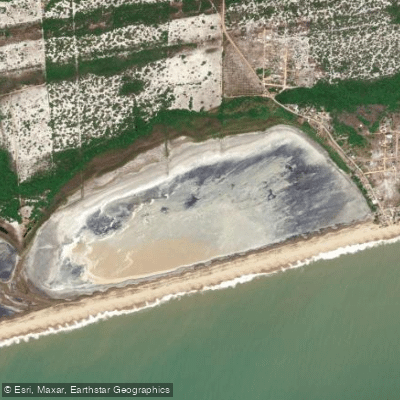
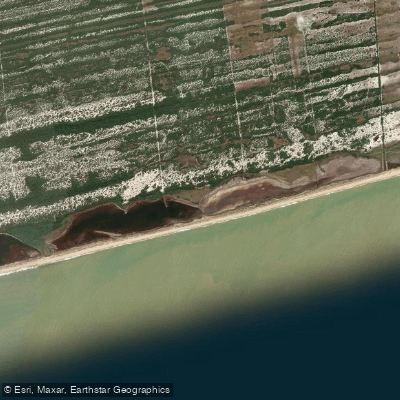
The park protects 14,922 hectares of restinga — a coastal ecosystem of sandy soils, dense scrub, and shallow lagoons — and holds 18 coastal lagoons of varying salinity.
That salinity gradient is what shapes the fishing here: brackish and semi-connected lagoons hold robalo and tainha, while the freshwater lagoons hold traíra. Before planning a trip, understand the access situation.
The park's management plan explicitly prohibits fishing in all lagoons except one — Lagoa de Carapebus. That single exception makes Lagoa de Carapebus the anchor of any legal fishing visit.
It is one of the larger water bodies in the park, accessible via paved road from the town of Carapebus, roughly 240 km north of Rio de Janeiro on the BR-101.
Check current regulations and permitted access points with ICMBio before going; the rules here are not flexible, and the park is actively managed. In Lagoa de Carapebus, robalo is the main target.
Early morning — roughly 6h to 10h — and the late afternoon are the productive windows. The fish hold close to vegetated margins, and surface lures or live shrimp both draw strikes.
A medium rod in the 12–20 lb range with a 30 lb fluorocarbon leader is the standard local setup. The takes are aggressive and shallow, so keeping the line tight and moving the fish away from structure quickly matters.
Traíra occupy the freshwater end of the lagoon system. They are ambush predators that sit tight in aquatic vegetation, most active in the early morning from around 5h to 9h.
A short steel leader is essential — traíra have serious teeth — and weedless surface lures worked slowly with pauses are the most effective presentation. The strike is explosive, but anglers here wait a beat before setting the hook.
The broader lagoon complex — including Lagoa do Piripiri, Lagoa Preta, and Lagoa do Pires — holds fish, but fishing outside the permitted areas is prohibited. The park was created specifically to protect restinga ecosystems, and enforcement reflects that.
Go in knowing where you're allowed to be, and the fishing in Lagoa de Carapebus will hold its own.
Top waters to fish near Parque Nacional Da Restinga De Jurubatiba
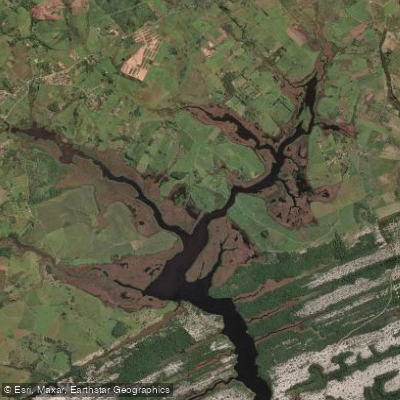
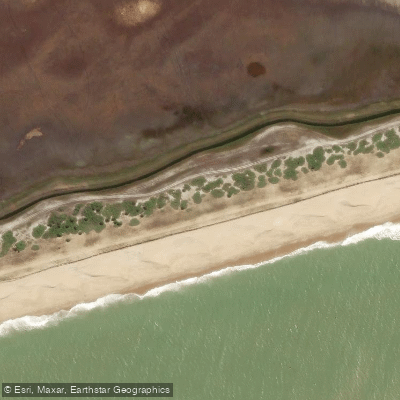
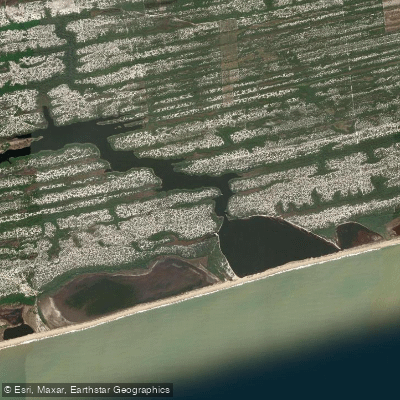
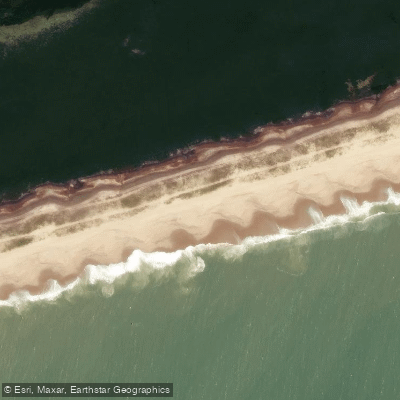
Species & education
Learn what type of fish are in Parque Nacional da Restinga de Jurubatiba and what's needed to catch them.
No species information available.
Water and weather conditions (10 day forecast)
See the best times to fish Parque Nacional da Restinga de Jurubatiba and check the forecast before you go.
No forecast data available.
Fish smarter with real-time insights
Whether you're en route and conditions shift or you're looking for the best spot based on current flows, we enable you to make informed decisions on the fly.




Fishing near Parque Nacional da Restinga de Jurubatiba
Loading...
Gateway towns
Where to base yourself for fishing in Parque Nacional da Restinga de Jurubatiba.
- CarapebusRJ
Gateway town sitting within the park's boundaries, with access to lagoons and the main visitor entry points.
- QuissamãRJ
Hosts the largest share of the park and serves as a base for accessing the restinga coast and interior lagoons.
- MacaéRJ
Largest nearby city with lodging, services, and the TripAdvisor-listed park access point on the park's southern edge.
Explore Parque Nacional da Restinga de Jurubatiba
Top fishing waters
Popular Cities
Loading popular cities...

Smarter Fishing Starts in the App.
onWater Fish gives you everything you need to plan smarter, fish better, and own every trip from first cast to last.