Fishing in Pará
- Lakes
- 253
- Rivers
- 2,824
- Access
- 8
- Boat Ramps
- 2
- Shops
- 0
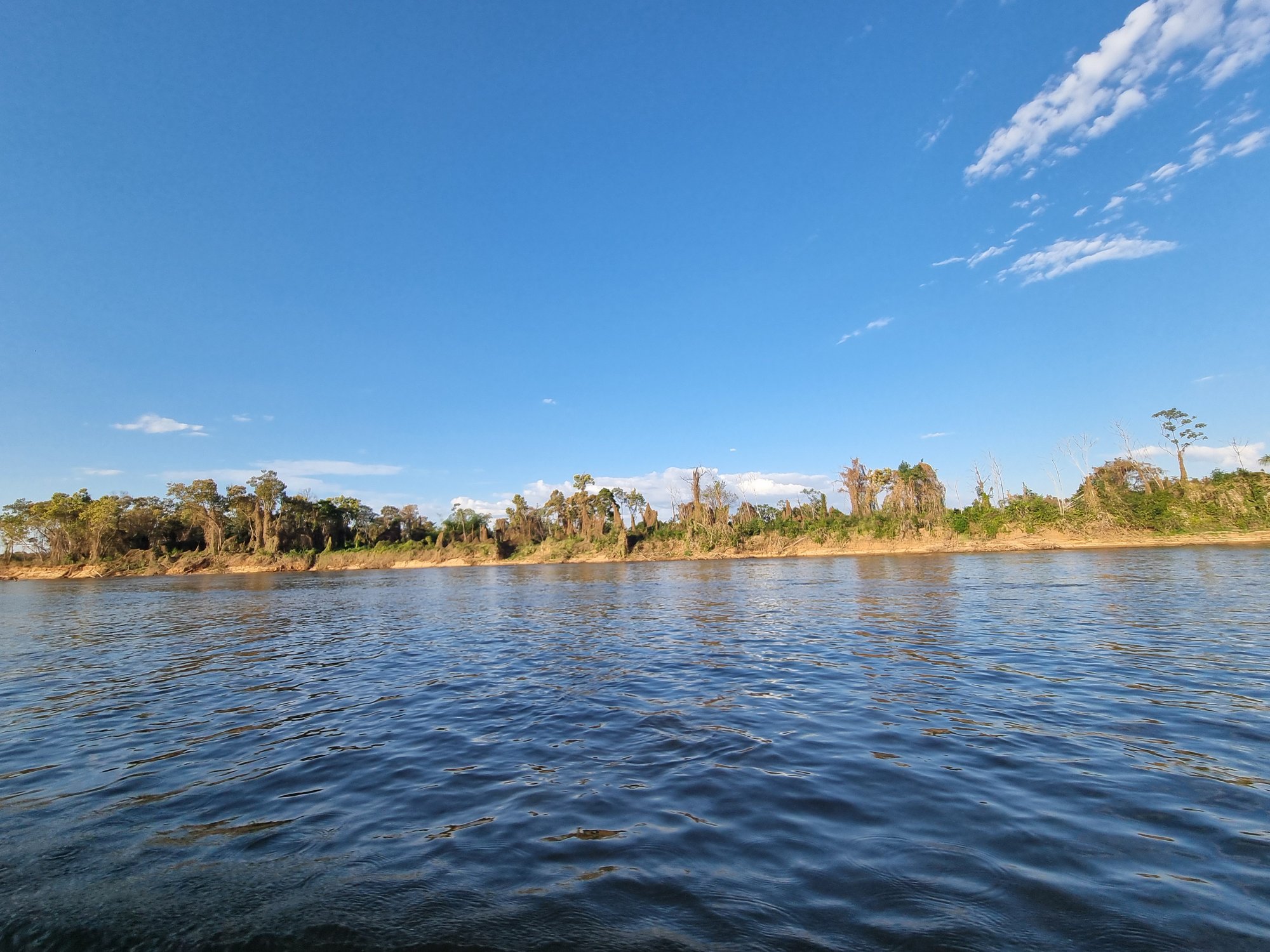
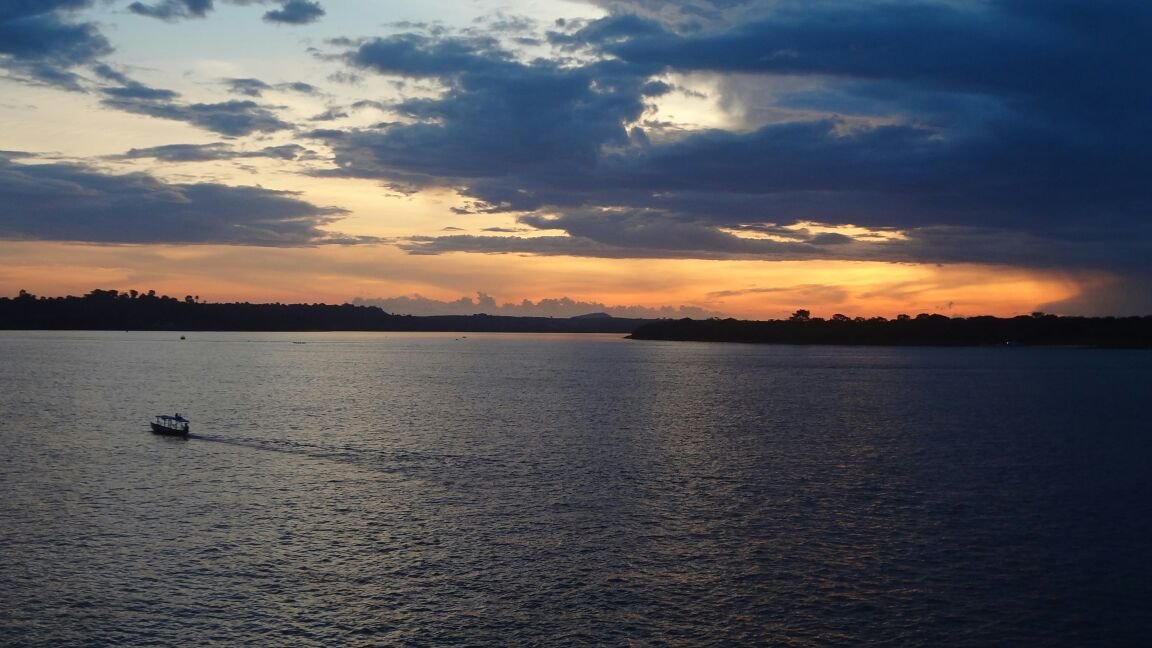
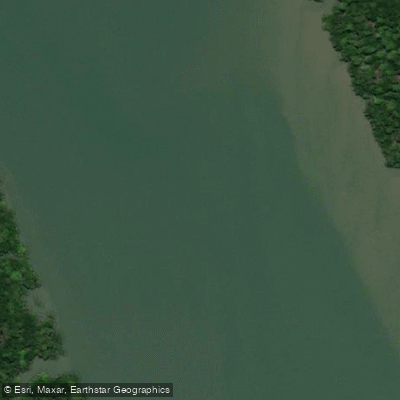
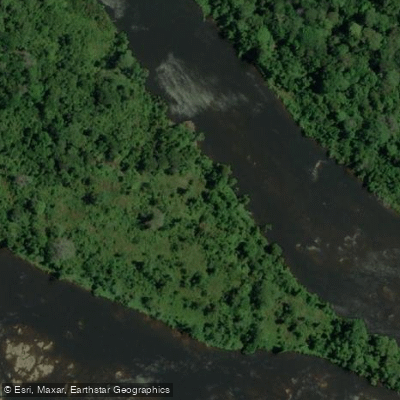
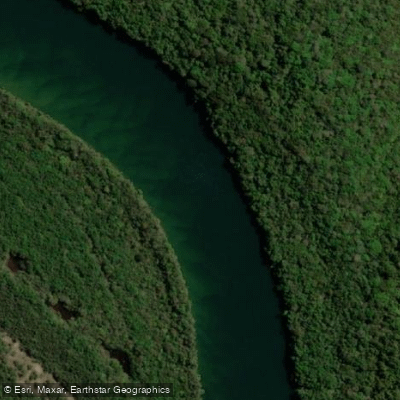
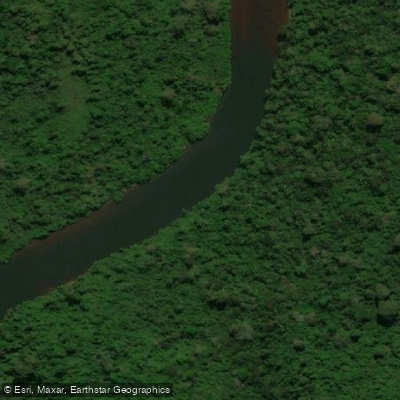
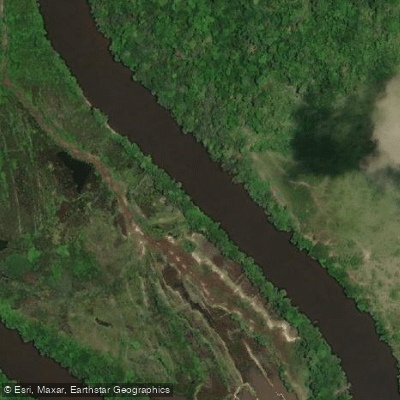
Pará is Amazon country — a vast lowland state in northern Brazil where the river system dominates everything.
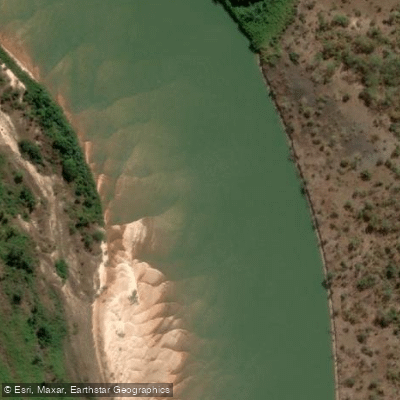
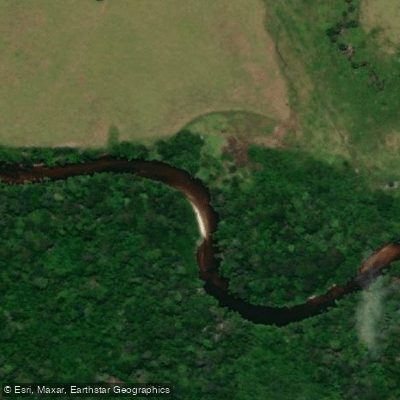
The Amazon itself runs along the state's northern edge, but it's the tributaries that define most of the fishing here: the Rio Xingu cutting south through dense forest, the Rio Tocantins draining the state's eastern flank, the Rio Araguaia along the western border, and the Rio Itacaiúnas threading through the mineral-rich southeast.
Add to that the enormous estuary where the Amazon meets the Atlantic, and you have a state where water is simply the landscape. The freshwater fishing centers on species that have made the Amazon famous.
Peacock bass draw most of the visiting anglers — the fish are aggressive, visual hunters that respond well to surface lures and flies, and the remote lake systems off the main channels hold some of the largest individuals.
Arapaima, known locally as pirarucu, are present too, one of the largest freshwater fish anywhere. Tambaqui round out the list of species that locals and visitors both target seriously.
Mid-June, just after the rainy season, the rivers run high and the fish are spread across flooded forest; by the dry months the water drops and fish concentrate, making them easier to locate but also more pressured.
The Rio Xingu and the waters around it have drawn fly anglers in recent years, with lodge operations running multi-day trips into areas that require small aircraft to reach.
The Amazon Eden Lodge in Pará, accessible by Cessna from Manaus, sits within a system of more than 100 lakes connected to the main river channels — the kind of water where a day's fishing might not repeat itself twice.
Down at the coast, the picture shifts entirely. The Amazon estuary is one of the most significant penaeid shrimp fishing zones in the western Atlantic, a belt that runs from Venezuela to the mouth of the Parnaíba.
Commercial trawlers — steel-hulled vessels between 19 and 25 metres, rigged with double trawls and satellite navigation — have worked these waters since the late 1950s.
The fishery is industrial in scale, with catches processed and exported through plants along the coast. Artisanal fishing in the inner bays and estuaries runs alongside it, using everything from canoes to smaller motorized boats.
Pará isn't a place you drift into casually. The distances are real, the logistics take planning, and the best freshwater fishing sits well away from any road.
But for anglers willing to commit to the journey, the Xingu, the Tocantins, and the lake systems off the main Amazon channel offer fishing that's genuinely hard to replicate anywhere else.

Species & education
Learn what type of fish are in Pará and what's needed to catch them.
Find which waters have the species you want to catch

Largemouth Bass
Micropterus salmoides

Rainbow Trout
Oncorhynchus mykiss

Acoupa Weakfish
Cynoscion acoupa

Albacore
Thunnus alalunga

Aracu
Leporinus guttatus

Aracu branco
Leporinus brunneus

Aracu cabeça gorda
Leporinus friderici

Aracu-flamengo
Leporinus fasciatus

Aracu pinima
Leporinus affinis

Arapaima gigas
Arapaima gigas

Astronotus crassipinnis
Astronotus crassipinnis

Atlantic Bonito
Sarda sarda

Baboso
Brachyplatystoma platynemum

Bagre-africano
Clarias gariepinus

Bagre-amarelo
Brachyplatystoma filamentosum

Barred Grunt
Conodon nobilis

Beiradeira
Brycon pesu

Bico-de-pato
Sorubim trigonocephalus

Black Drum
Pogonias courbina

Black Grouper
Mycteroperca bonaci

Bluefish
Pomatomus saltatrix

Blue Marlin
Makaira nigricans

Bonefish
Albula vulpes

Brazilian Sardine
Sardinella brasiliensis

Broadbill Swordfish
Xiphias gladius

Brycon dulcis
Brycon dulcis

Cachorra
Hydrolycus tatauaia

Caíca
Mugil curema

Cambriaçu
Centropomus parallelus

Camuripema
Centropomus undecimalis

Carpa-cabeça-grande
Hypophthalmichthys nobilis

Carpa-comum
Cyprinus rubrofuscus

Channel Catfish
Ictalurus punctatus

Chicote
Sorubimichthys planiceps

Cíclido pavorreal de kelber
Cichla kelberi

Cobia
Rachycentron canadum

Common Carp
Cyprinus carpio

Common Snook
Centropomus undecimalis

Corimbatá
Prochilodus vimboides

Corvina de río
Plagioscion ternetzi
Fish smarter with real-time insights
Whether you're en route and conditions shift or you're looking for the best spot based on current flows, we enable you to make informed decisions on the fly.




Pará licenses and regulations
Explore Pará waters
Top fishing waters
Popular Cities
Loading popular cities...
Smarter Fishing Starts in the App.
onWater Fish gives you everything you need to plan smarter, fish better, and own every trip from first cast to last.