Fishing in Amapá
- Lakes
- 6
- Rivers
- 184
- Access
- 3
- Boat Ramps
- 2
- Shops
- 0
Amapá sits at the northeastern edge of Brazil, where the Amazon basin meets the Atlantic and the Guiana Shield pushes down from the north.
It is overwhelmingly a freshwater state — a dense network of rivers, igarapés, and floodplain lakes draining toward the river mouth — but the coast matters too, and the two fisheries feel like different worlds.
The inland rivers are where most visiting anglers focus.
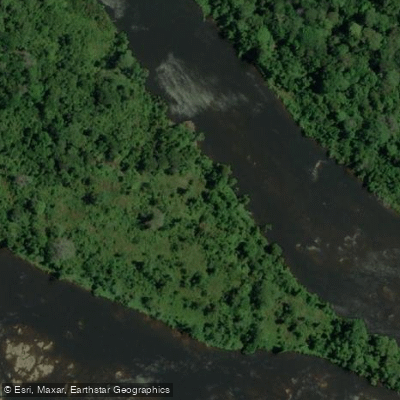
The Rio Jari, running along Amapá's western border, and the Rio Amapari in the interior hold the species that define Amazonian sport fishing: tucunaré (peacock bass) above all, alongside bicuda, pescada, and the various catfish that move through these systems.
The Rio Araguari cuts across the state's midsection and feeds into the estuary zone, carrying both freshwater and estuarine species depending on where you are on it.
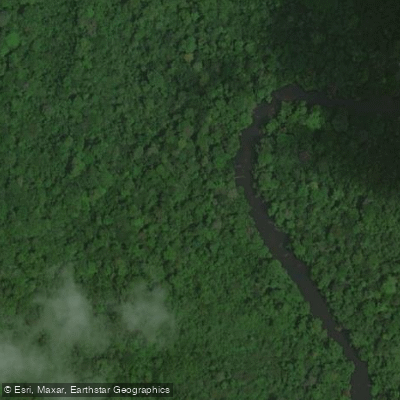
Further north and east, rivers like the Rio Uaçá, Rio Cassiporé, and Rio Anotaié drain toward the coast through territory that remains genuinely remote — access is slow and logistics matter more than gear choices.
The estuarine and coastal fishery around Macapá is a working fishery first and a sport fishery second. Freshwater catfish dominate the landings, and the mix of species shifts as you move between the river mouth, inland lakes along the coast, and open water.
The Rio Matapi, closer to Macapá, sees butterfly peacock bass, trahira, and leporinus alongside estuarine species like gafftopsail sea catfish — a good example of how quickly the species composition changes as fresh and salt water mix in this region.
That coastal zone is also where the pressures are most visible.
A local fleet of small artisanal boats works these waters, but larger vessels from Pará and other states operate here too, and the tension between them shapes the fishery as much as any seasonal pattern.
Proposed offshore oil exploration adds another layer of uncertainty for anyone thinking about the long-term health of the coast. Seasons here follow the Amazon flood cycle.
High water pushes fish into flooded forest and makes them harder to concentrate; falling and low water pulls them back into channels and lakes where they're more accessible.
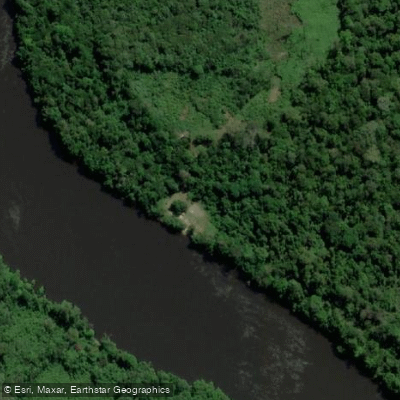
For most sport fishing, the drier months are more productive, but the specific timing shifts by river and by species. Amapá rewards anglers who treat logistics as part of the trip. The rivers that hold the most interesting fishing are not roadside waters.
Species & education
Learn what type of fish are in Amapá and what's needed to catch them.
Find which waters have the species you want to catch

Largemouth Bass
Micropterus salmoides

Rainbow Trout
Oncorhynchus mykiss

Acoupa Weakfish
Cynoscion acoupa

Albacore
Thunnus alalunga

Aracu
Leporinus guttatus

Aracu branco
Leporinus brunneus

Aracu cabeça gorda
Leporinus friderici

Aracu-flamengo
Leporinus fasciatus

Aracu pinima
Leporinus affinis

Arapaima gigas
Arapaima gigas

Astronotus crassipinnis
Astronotus crassipinnis

Atlantic Bonito
Sarda sarda

Baboso
Brachyplatystoma platynemum

Bagre-africano
Clarias gariepinus

Bagre-amarelo
Brachyplatystoma filamentosum

Barred Grunt
Conodon nobilis

Beiradeira
Brycon pesu

Bico-de-pato
Sorubim trigonocephalus

Black Drum
Pogonias courbina

Black Grouper
Mycteroperca bonaci

Bluefish
Pomatomus saltatrix

Blue Marlin
Makaira nigricans

Bonefish
Albula vulpes

Brazilian Sardine
Sardinella brasiliensis

Broadbill Swordfish
Xiphias gladius

Brycon dulcis
Brycon dulcis

Cachorra
Hydrolycus tatauaia

Caíca
Mugil curema

Cambriaçu
Centropomus parallelus

Camuripema
Centropomus undecimalis

Carpa-cabeça-grande
Hypophthalmichthys nobilis

Carpa-comum
Cyprinus rubrofuscus

Channel Catfish
Ictalurus punctatus

Chicote
Sorubimichthys planiceps

Cíclido pavorreal de kelber
Cichla kelberi

Cobia
Rachycentron canadum

Common Carp
Cyprinus carpio

Common Snook
Centropomus undecimalis

Corimbatá
Prochilodus vimboides

Corvina de río
Plagioscion ternetzi
Fish smarter with real-time insights
Whether you're en route and conditions shift or you're looking for the best spot based on current flows, we enable you to make informed decisions on the fly.




Amapá licenses and regulations
Explore Amapá waters
Top fishing waters
Popular Cities
Loading popular cities...

Smarter Fishing Starts in the App.
onWater Fish gives you everything you need to plan smarter, fish better, and own every trip from first cast to last.