Fishing in Rio Grande do Norte
- Lakes
- 235
- Rivers
- 110
- Access
- 3
- Boat Ramps
- 0
- Shops
- 0
Rio Grande do Norte sits at the northeastern tip of Brazil, where the country's coastline makes its sharpest turn toward the Atlantic.
It's a state defined by two very different kinds of water: a long, sun-hammered coast with estuaries, mangroves, and river mouths pushing into the sea, and a drier interior cut by rivers that slow to a crawl in the dry season.
The fishing here is largely a saltwater and brackish-water story, though the interior rivers hold their own. The Rio Curimataú is the water that draws the most serious attention.
Its mangrove-lined banks hold tarpon year-round, but the large migratory fish tend to show up between October and May, when numbers build and the chances of encountering a heavy fish improve considerably.
The water runs dark and tannic — not the kind of clarity that lets you pick out a fish at distance — so most fishing is blind, working structure and current seams.
Alongside the tarpon, the same mangroves hold snook, permit, and snapper, all feeding on the dense baitfish populations that make this estuary productive. Access is typically by skiff, and the nearest major hub is Natal, a couple of hours north.
The interior rivers — the Rio Apodi, Rio Seridó, Rio Potengi, and Rio Piranhas (also known as the Açu) — run through semi-arid country and carry species like pirara, a large catfish that has produced notable catches in this region.
These rivers fluctuate significantly with rainfall, and the best fishing tends to follow the wet season when water levels and fish activity both rise.
The coast itself, with its reef systems and nearshore structure, holds additional saltwater species, and the estuaries of smaller rivers like the Rio Ceará Mirim and Rio Maxaranguape see local fishing pressure year-round.
Brazil requires a fishing licence for recreational angling; check with IBAMA or the current federal authority for the rules that apply to your target species and method before you go.
The Curimataú tarpon fishery operates on catch-and-release, which is worth respecting — it's the reason the fish are still there in numbers worth traveling for.
This is not a destination with a lot of infrastructure built around visiting anglers, which cuts both ways.
The fishing on the Curimataú in particular is genuinely underrun, and the pace of the northeast — slow afternoons, good food, beaches nearby — suits the kind of trip where the fishing is the point but not the only thing.
Top waters to fish near Rio Grande Do Norte
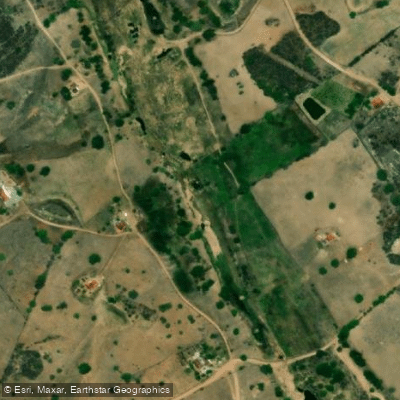
Rio Curimataú
Rio Potengi
Rio Apodi
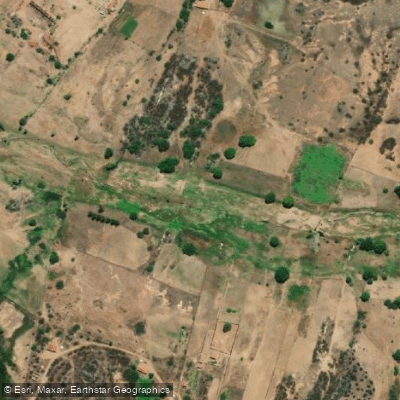
Rio Seridó
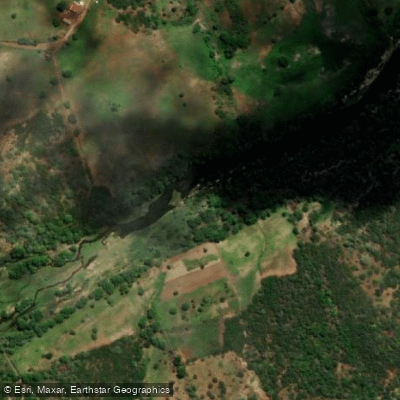
Rio Trairi
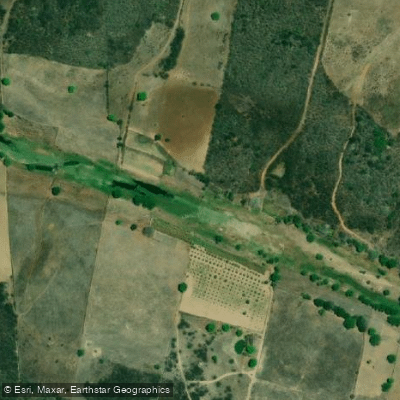
Rio Ceará Mirim
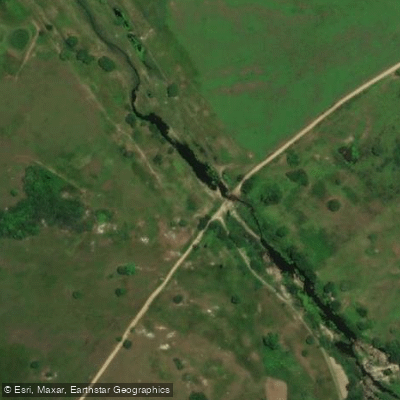
Rio Jacu
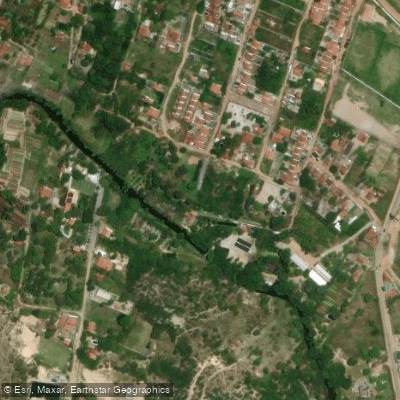
Rio Doce
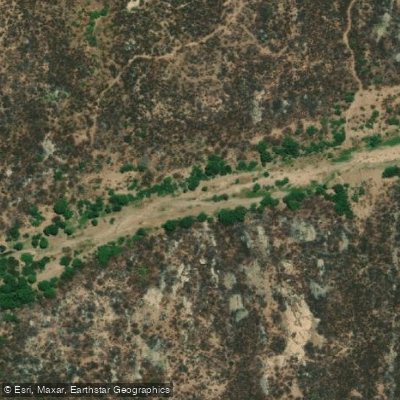
Rio Acauã
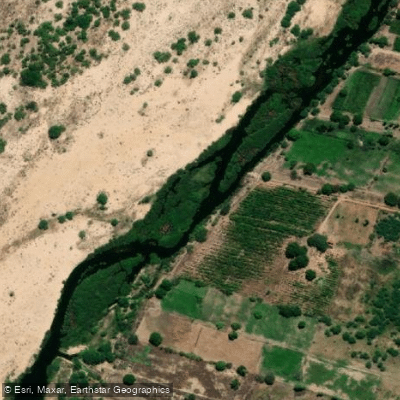
Rio Piranhas ou Açu
Species & education
Learn what type of fish are in Rio Grande do Norte and what's needed to catch them.
Find which waters have the species you want to catch

Largemouth Bass
Micropterus salmoides

Rainbow Trout
Oncorhynchus mykiss

Acoupa Weakfish
Cynoscion acoupa

Albacore
Thunnus alalunga

Aracu
Leporinus guttatus

Aracu branco
Leporinus brunneus

Aracu cabeça gorda
Leporinus friderici

Aracu-flamengo
Leporinus fasciatus

Aracu pinima
Leporinus affinis

Arapaima gigas
Arapaima gigas

Astronotus crassipinnis
Astronotus crassipinnis

Atlantic Bonito
Sarda sarda

Baboso
Brachyplatystoma platynemum

Bagre-africano
Clarias gariepinus

Bagre-amarelo
Brachyplatystoma filamentosum

Barred Grunt
Conodon nobilis

Beiradeira
Brycon pesu

Bico-de-pato
Sorubim trigonocephalus

Black Drum
Pogonias courbina

Black Grouper
Mycteroperca bonaci

Bluefish
Pomatomus saltatrix

Blue Marlin
Makaira nigricans

Bonefish
Albula vulpes

Brazilian Sardine
Sardinella brasiliensis

Broadbill Swordfish
Xiphias gladius

Brycon dulcis
Brycon dulcis

Cachorra
Hydrolycus tatauaia

Caíca
Mugil curema

Cambriaçu
Centropomus parallelus

Camuripema
Centropomus undecimalis

Carpa-cabeça-grande
Hypophthalmichthys nobilis

Carpa-comum
Cyprinus rubrofuscus

Channel Catfish
Ictalurus punctatus

Chicote
Sorubimichthys planiceps

Cíclido pavorreal de kelber
Cichla kelberi

Cobia
Rachycentron canadum

Common Carp
Cyprinus carpio

Common Snook
Centropomus undecimalis

Corimbatá
Prochilodus vimboides

Corvina de río
Plagioscion ternetzi
Fish smarter with real-time insights
Whether you're en route and conditions shift or you're looking for the best spot based on current flows, we enable you to make informed decisions on the fly.




Rio Grande do Norte licenses and regulations
Explore Rio Grande do Norte waters
Top fishing waters
Popular Cities
Loading popular cities...

Smarter Fishing Starts in the App.
onWater Fish gives you everything you need to plan smarter, fish better, and own every trip from first cast to last.