Fishing in Paraná
- Lakes
- 162
- Rivers
- 2,037
- Access
- 99
- Boat Ramps
- 75
- Shops
- 0
Paraná sits in southern Brazil, where the landscape shifts from the Atlantic coastal plain through interior plateaus to one of the continent's great river systems.
The fishing here is overwhelmingly freshwater, shaped by two major drainages — the Rio Iguaçu cutting west across the state and the Rio Paraná forming its western and northern borders — with a short stretch of coast adding a different dimension in the east.
The Rio Paraná is the reason most visiting anglers come. It's the second-longest river in South America, rising in southeastern Brazil before sweeping south toward Argentina and eventually the Río de la Plata.
The stretch along Paraná's borders holds golden dorado — Salminus brasiliensis — and that fish is the main draw.
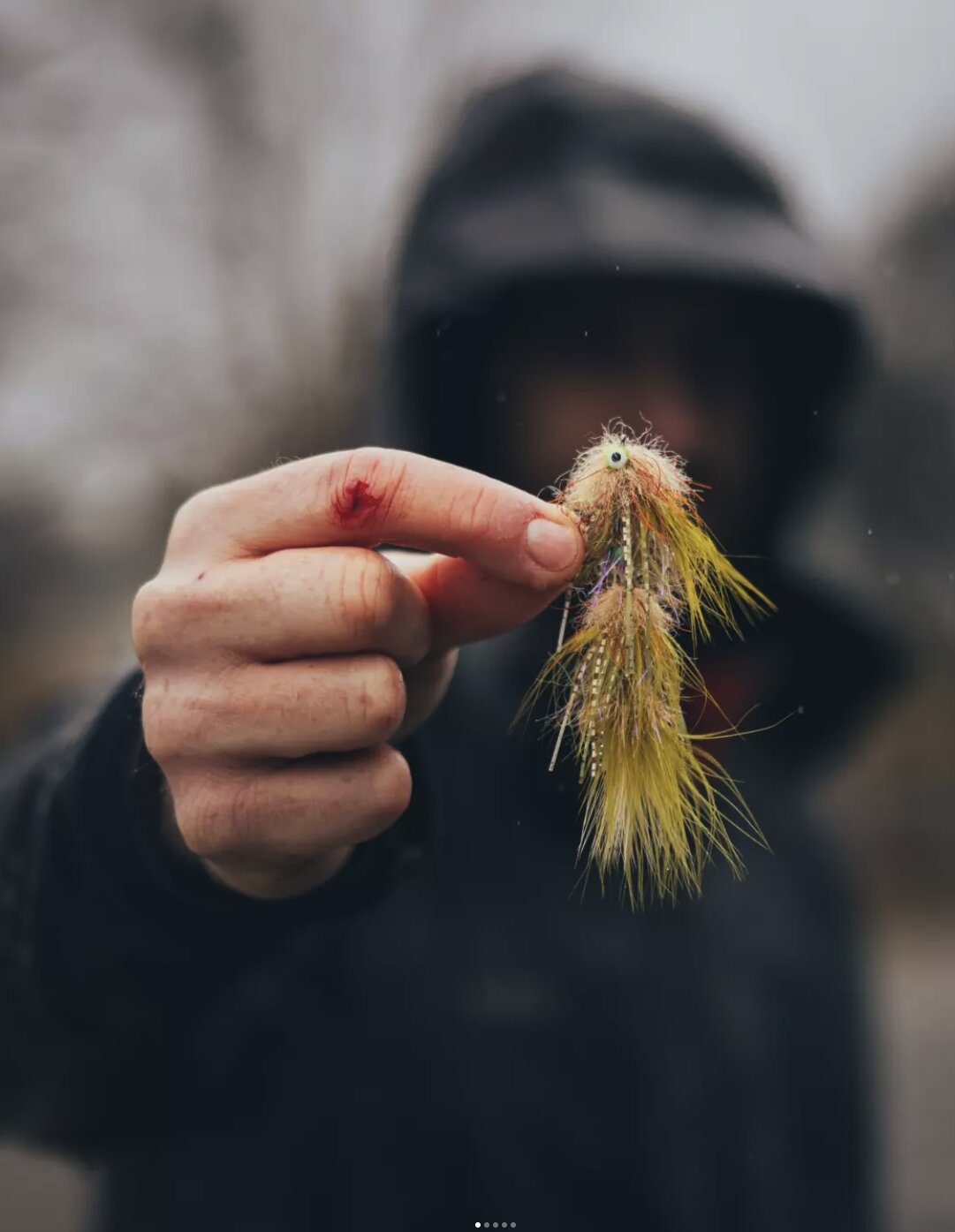
Dorado are aggressive, acrobatic, and built for ambush: they hold between rocks and submerged structure, and a well-placed streamer stripped fast past the right spot can produce a strike that feels nothing like most freshwater fishing.
Average fish run in the 5–6 kg range, with larger individuals showing up regularly.
Fly anglers work floating or intermediate lines, heavy leaders with a short wire bite tippet, and big flies — black has a strong track record, though bright colors produce at other times.
The fishing day typically starts at first light to avoid the worst of the midday heat, with a second session running from late afternoon to dusk. The Rio Paranapanema forms much of the northern border with São Paulo state and adds another productive corridor.
Further into the interior, rivers like the Rio Piquiri and Rio Iguaçu hold a broader mix of native species. The Iguaçu drainage, above the falls, supports species including yacundá and drum alongside other native characins.
Pirá pitá — locally the piraputanga — is a target worth seeking out: pound for pound one of the more combative freshwater species in the system, and receptive to dry flies in the right conditions.
The fall months, roughly April through June, are generally considered the most productive period for dorado across the southern Brazilian river systems, when cooling water and concentrating baitfish bring the bigger fish into feeding range more reliably.
Spring, from September onward, sees spawning sábalo moving through the rivers, which draws aggressive dorado feeding and can produce some of the most active sessions of the year.
On the coast, Guaratuba Bay offers a different kind of fishing — whitemouth croaker and Brazilian menhaden among the species present — and the short rivers draining to the Atlantic, including the Rio Guaraguaçu and Rio São João, provide access to coastal freshwater and estuarine species.
Brazil requires a recreational fishing licence for inland waters; the issuing authority is the Instituto Brasileiro do Meio Ambiente e dos Recursos Naturais Renováveis (IBAMA), and current rules on seasons, permitted species, and any protected areas should be confirmed with them before you go.
The Iguaçu corridor in particular includes protected zones where restrictions apply. Paraná doesn't get the attention of the Pantanal or the Amazon, but the fishing is real and the rivers are largely intact.
The dorado in the upper Paraná are the headline, but the native fish diversity in the interior drainages is worth the time of anyone willing to explore beyond the obvious.
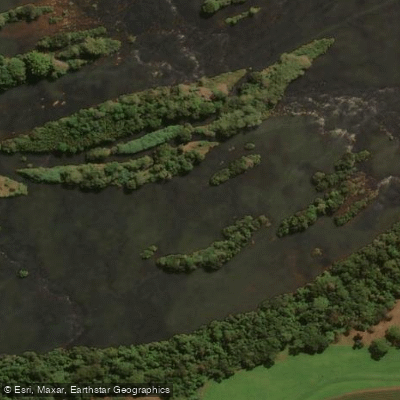
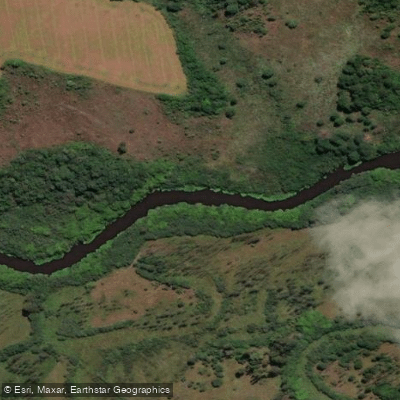
Species & education
Learn what type of fish are in Paraná and what's needed to catch them.
Find which waters have the species you want to catch
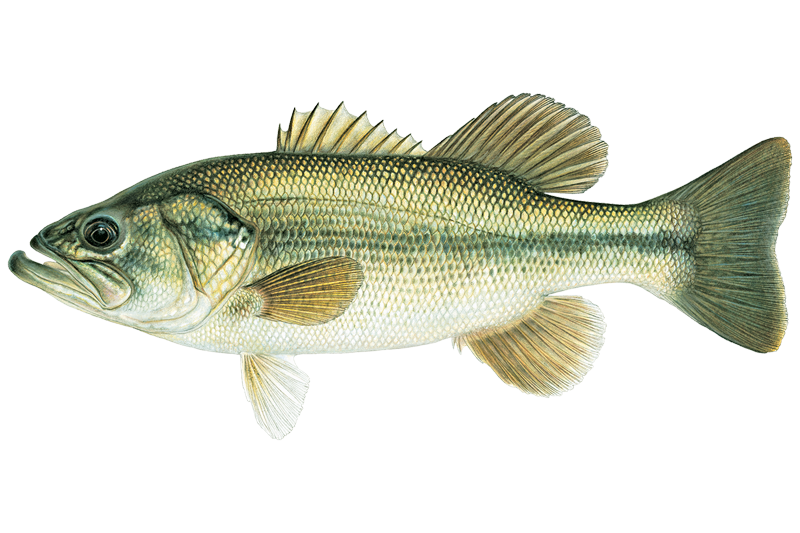
Largemouth Bass
Micropterus salmoides
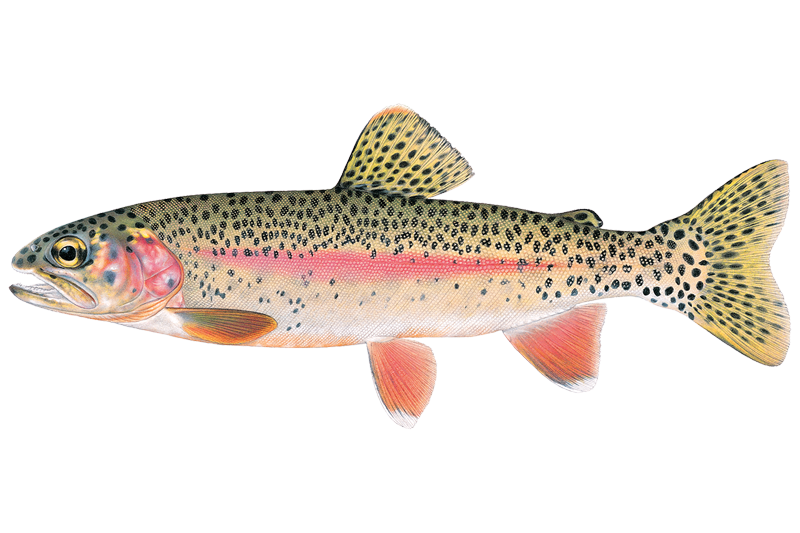
Rainbow Trout
Oncorhynchus mykiss

Acoupa Weakfish
Cynoscion acoupa

Albacore
Thunnus alalunga

Aracu
Leporinus guttatus

Aracu branco
Leporinus brunneus

Aracu cabeça gorda
Leporinus friderici

Aracu-flamengo
Leporinus fasciatus

Aracu pinima
Leporinus affinis

Arapaima gigas
Arapaima gigas

Astronotus crassipinnis
Astronotus crassipinnis

Atlantic Bonito
Sarda sarda

Baboso
Brachyplatystoma platynemum

Bagre-africano
Clarias gariepinus

Bagre-amarelo
Brachyplatystoma filamentosum

Barred Grunt
Conodon nobilis

Beiradeira
Brycon pesu

Bico-de-pato
Sorubim trigonocephalus

Black Drum
Pogonias courbina

Black Grouper
Mycteroperca bonaci

Bluefish
Pomatomus saltatrix

Blue Marlin
Makaira nigricans

Bonefish
Albula vulpes

Brazilian Sardine
Sardinella brasiliensis

Broadbill Swordfish
Xiphias gladius

Brycon dulcis
Brycon dulcis

Cachorra
Hydrolycus tatauaia

Caíca
Mugil curema

Cambriaçu
Centropomus parallelus

Camuripema
Centropomus undecimalis

Carpa-cabeça-grande
Hypophthalmichthys nobilis

Carpa-comum
Cyprinus rubrofuscus
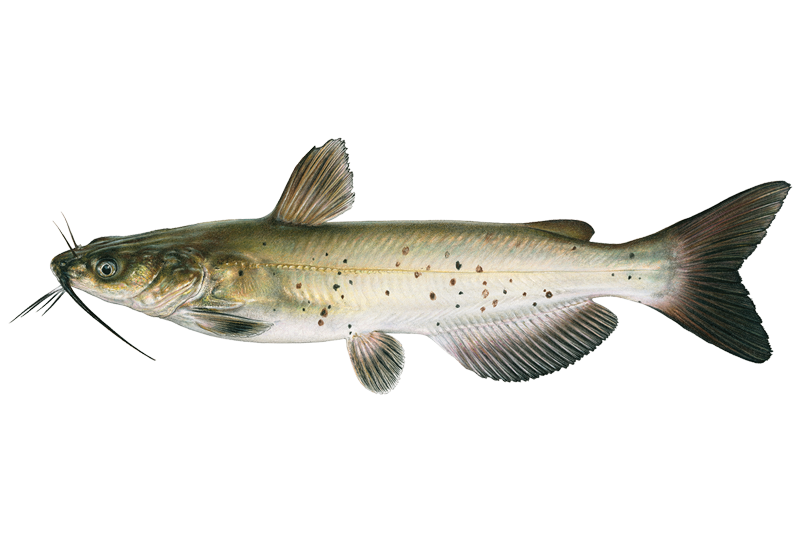
Channel Catfish
Ictalurus punctatus

Chicote
Sorubimichthys planiceps

Cíclido pavorreal de kelber
Cichla kelberi

Cobia
Rachycentron canadum
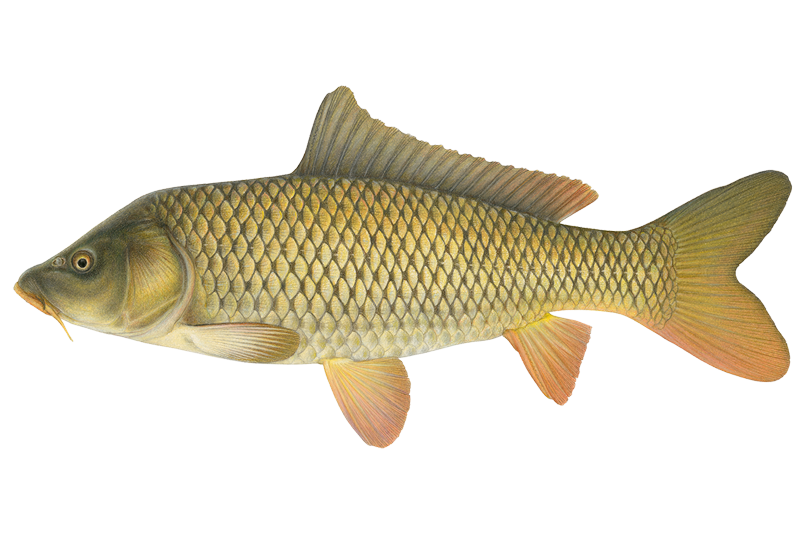
Common Carp
Cyprinus carpio

Common Snook
Centropomus undecimalis

Corimbatá
Prochilodus vimboides

Corvina de río
Plagioscion ternetzi
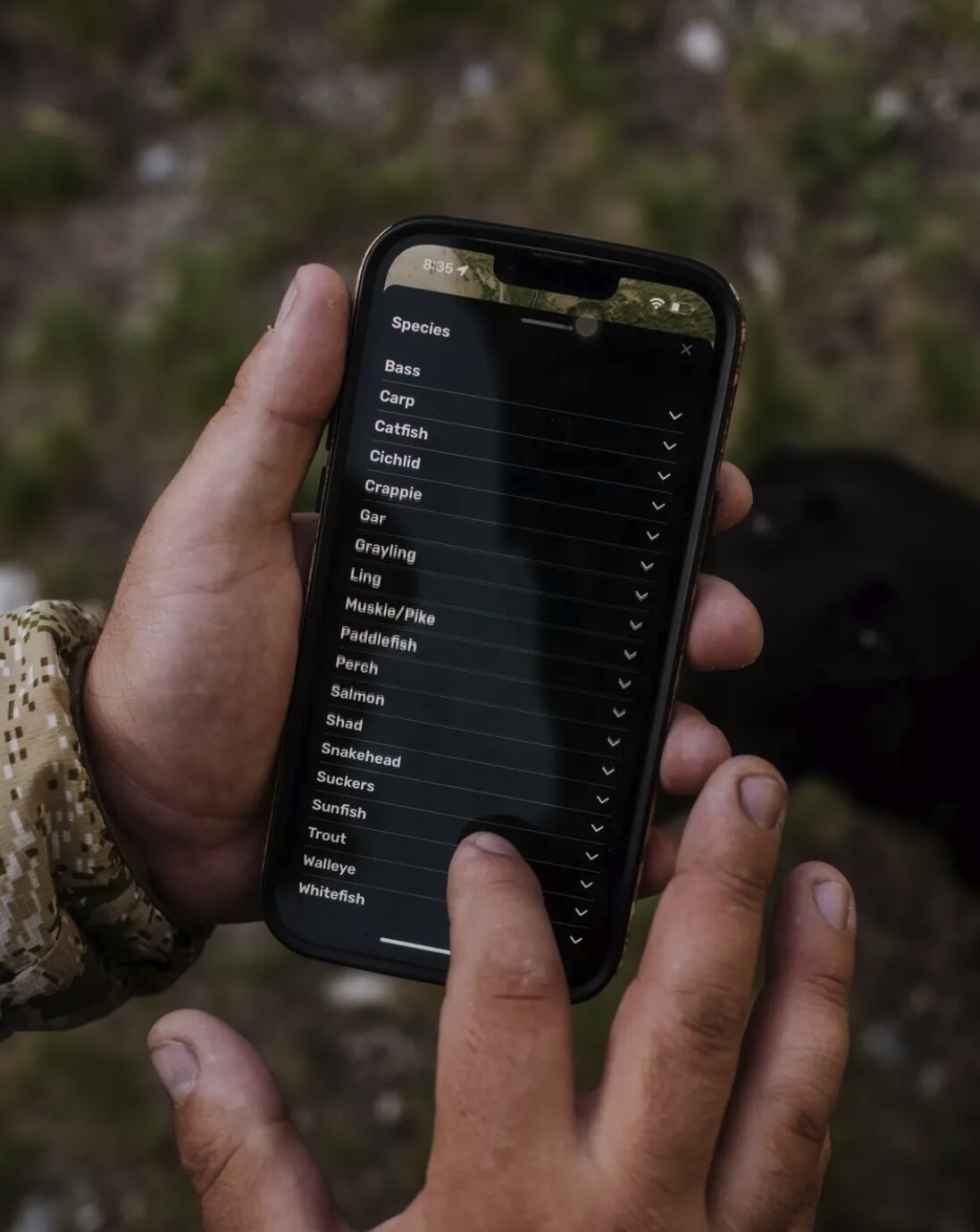
Fish smarter with real-time insights
Whether you're en route and conditions shift or you're looking for the best spot based on current flows, we enable you to make informed decisions on the fly.
Paraná licenses and regulations
Explore Paraná waters
Top fishing waters
Popular Cities
Loading popular cities...
Smarter Fishing Starts in the App.
onWater Fish gives you everything you need to plan smarter, fish better, and own every trip from first cast to last.