Fishing in Amazonas
- Lakes
- 479
- Rivers
- 3,525
- Access
- 9
- Boat Ramps
- 1
- Shops
- 0
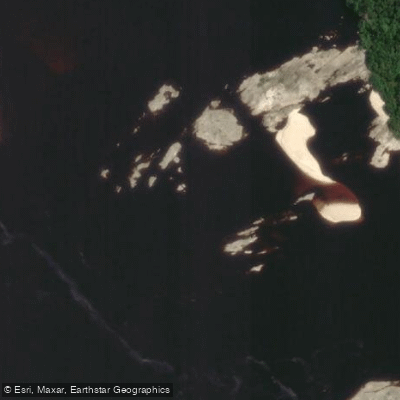
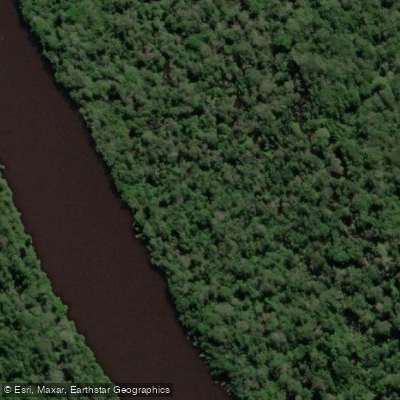
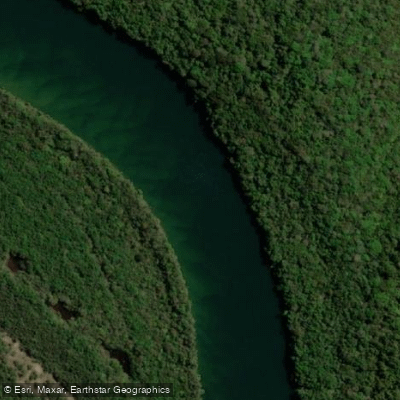
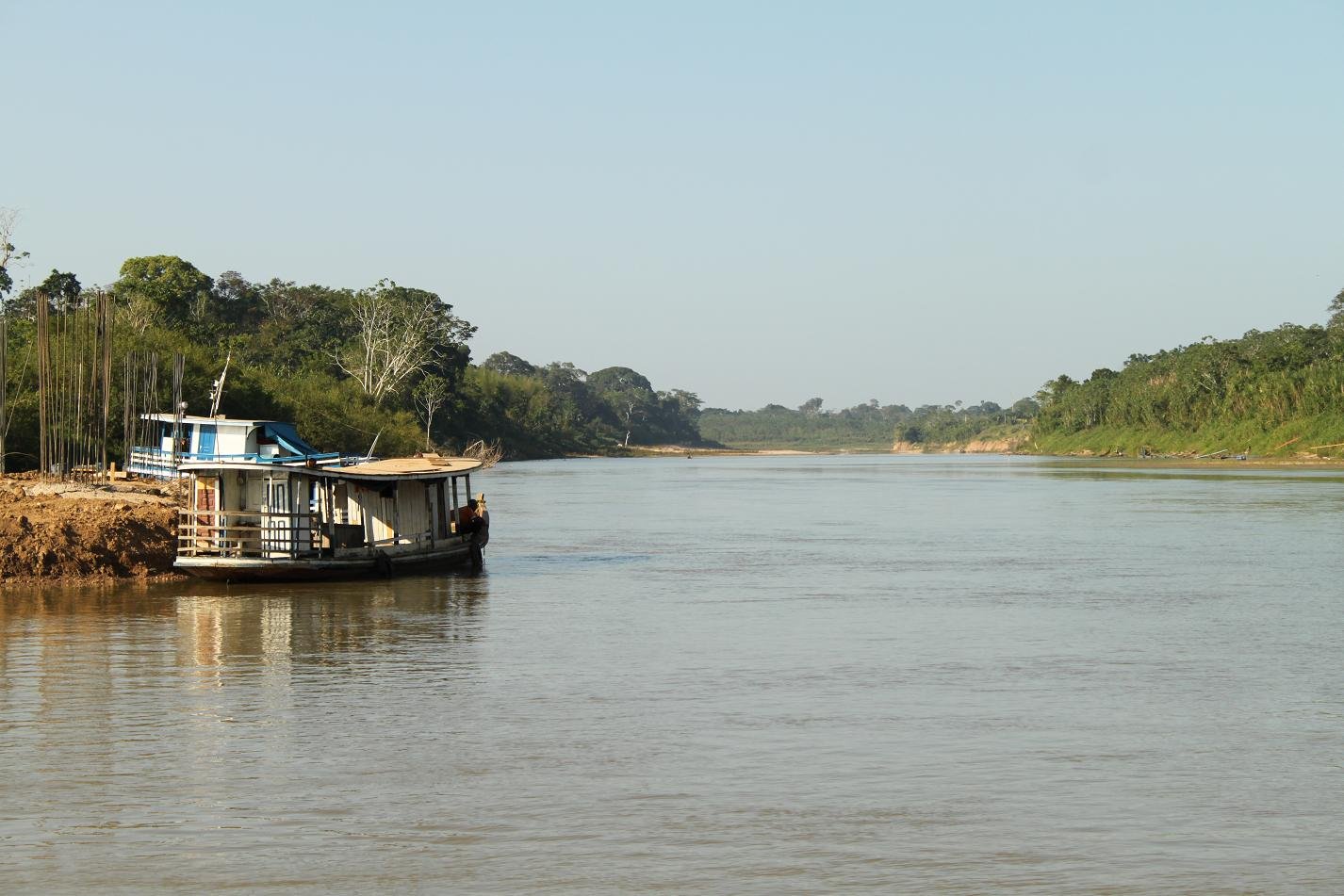
Amazonas is Brazil's largest state, covering most of the western Amazon basin — a vast lowland of blackwater and whitewater rivers, flooded forests, and remote tributaries that stretch from Manaus toward the Colombian and Peruvian borders.
The fishing here is almost entirely freshwater, and the scale of the watershed shapes everything: where you go, how you get there, and what you're likely to catch. Manaus is the practical hub.
It sits at the Meeting of the Waters, where the dark, tannin-stained Rio Negro runs alongside the sediment-heavy Rio Solimões for nearly six kilometres before they finally merge into the Rio Amazonas.
The contrast is visible from a boat — two rivers side by side, refusing to mix because of differences in temperature, speed, and chemistry.
From Manaus you can run day trips on the Rio Solimões targeting catfish, payara, golden pellona, and black piranha, or head upriver into the Rio Negro system for what most visiting anglers come here for: peacock bass.
The tucunaré — specifically the giant temensis — is the fish that defines sport fishing in Amazonas.
On the Rio Negro and its tributaries around Barcelós, fish averaging 10 to 18 pounds are realistic targets in remote stretches, and the species has produced multiple IGFA world records.
The Rio Marié, a tributary of the upper Negro near the Colombian border, has broken 15 IGFA records since 2014, including the all-tackle length record for peacock bass set in 2023 at 94 centimetres.
Access to the Marié requires flying by floatplane from Manaus and fishing within Indigenous territory under a catch-and-release, fly-fishing-only framework — the first permitted sportfishing operation of its kind in Brazilian Indigenous lands. Timing matters.
The Rio Negro system fishes best when water levels drop and fish concentrate — roughly the dry season, when casting topwater lures into flooded forest edges and lagoons becomes productive.
High water disperses fish across the floodplain and makes them harder to find.
Most guided operations run their seasons around these conditions, and local guides are essential: the river system is enormous, Portuguese is the working language, and the productive water changes with the flood cycle.
The Rio Solimões and Rio Amazonas carry a different character — turbid whitewater rivers with deep channels and long-distance migratory catfish from the family Pimelodidae.
These fish move thousands of kilometres through the basin and are the basis of serious commercial and sport fishing out of Manaus. Amazonas rewards patience with logistics.
Getting to the best water usually means a floatplane, a multi-day houseboat, or a remote lodge. The fish are there, but so is the jungle.


Species & education
Learn what type of fish are in Amazonas and what's needed to catch them.
Find which waters have the species you want to catch

Largemouth Bass
Micropterus salmoides

Rainbow Trout
Oncorhynchus mykiss

Acoupa Weakfish
Cynoscion acoupa

Albacore
Thunnus alalunga

Aracu
Leporinus guttatus

Aracu branco
Leporinus brunneus

Aracu cabeça gorda
Leporinus friderici

Aracu-flamengo
Leporinus fasciatus

Aracu pinima
Leporinus affinis

Arapaima gigas
Arapaima gigas

Astronotus crassipinnis
Astronotus crassipinnis

Atlantic Bonito
Sarda sarda

Baboso
Brachyplatystoma platynemum

Bagre-africano
Clarias gariepinus

Bagre-amarelo
Brachyplatystoma filamentosum

Barred Grunt
Conodon nobilis

Beiradeira
Brycon pesu

Bico-de-pato
Sorubim trigonocephalus

Black Drum
Pogonias courbina

Black Grouper
Mycteroperca bonaci

Bluefish
Pomatomus saltatrix

Blue Marlin
Makaira nigricans

Bonefish
Albula vulpes

Brazilian Sardine
Sardinella brasiliensis

Broadbill Swordfish
Xiphias gladius

Brycon dulcis
Brycon dulcis

Cachorra
Hydrolycus tatauaia

Caíca
Mugil curema

Cambriaçu
Centropomus parallelus

Camuripema
Centropomus undecimalis

Carpa-cabeça-grande
Hypophthalmichthys nobilis

Carpa-comum
Cyprinus rubrofuscus

Channel Catfish
Ictalurus punctatus

Chicote
Sorubimichthys planiceps

Cíclido pavorreal de kelber
Cichla kelberi

Cobia
Rachycentron canadum

Common Carp
Cyprinus carpio

Common Snook
Centropomus undecimalis

Corimbatá
Prochilodus vimboides

Corvina de río
Plagioscion ternetzi
Fish smarter with real-time insights
Whether you're en route and conditions shift or you're looking for the best spot based on current flows, we enable you to make informed decisions on the fly.




Amazonas licenses and regulations
Explore Amazonas waters
Top fishing waters
Popular Cities
Loading popular cities...

Smarter Fishing Starts in the App.
onWater Fish gives you everything you need to plan smarter, fish better, and own every trip from first cast to last.