Fishing in Mato Grosso
- Lakes
- 235
- Rivers
- 1,221
- Access
- 10
- Boat Ramps
- 1
- Shops
- 0
Mato Grosso is a vast inland state in central-western Brazil, roughly twice the size of Germany, where three of South America's great biomes converge: the Amazon rainforest in the north, the Cerrado savanna across the center, and the Pantanal wetlands in the south.
That geography means the fishing isn't one thing — it shifts depending on which river system you're on and which season you're in. The southern Pantanal portion of the state draws a lot of attention.
The Rio Cuiabá and Rio São Lourenço are the main arteries here, both known for tucunaré (peacock bass) in clear, vegetation-lined water. These rivers wind through backwaters and deep pools that give the fish plenty of structure to hold in.
Larger catfish — jaú running 40 to 80 pounds, pintado and cachara in the 10 to 16 pound range — share the system, along with pacu, a thick-bodied omnivore that fights hard for its size.
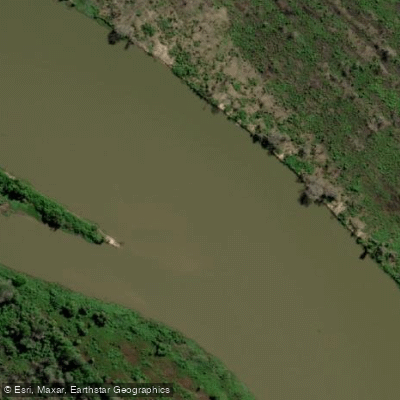
The city of Cáceres, on the Rio Paraguai, sits at the edge of this region and has long been a hub for fishing activity. To the north, the Rio Manso tailwaters are the main destination for golden dorado.
The state of Mato Grosso has protected the species since 2012, and the population has responded — fish in the 6 to 20 pound range are present in these public waters.
May and September are considered the best months for fly fishing, when water clarity and levels align. The lodge-based trips here run out of Cuiabá, a couple of hours away by road.
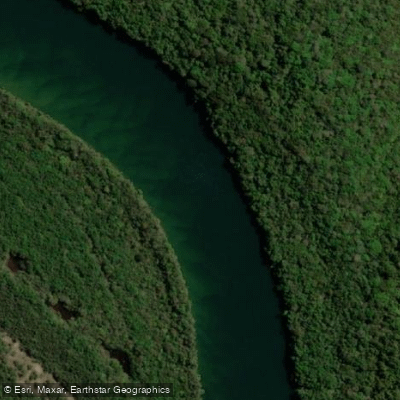
Further north, toward the Amazon fringe, the Rio Juruena and the Serra do Cachimbo region hold trairão — a prehistoric-looking predator that earned the area a "Jurassic Park" nickname among Brazilian anglers — along with peacock bass, payara (vampire fish), and other Amazonian species.
Access to these northern waters is more remote and typically requires more planning. Regulation has been a live issue here.
A state law known as Cota Zero, in effect since January 2024, bans commercial fishing and fish transport across all of Mato Grosso for five years.
Sport fishing and catch-and-release continue, but the law has drawn significant criticism from WWF-Brazil and others who argue it targets artisanal fishers while leaving the actual drivers of stock decline — hydropower dams, deforestation, and unregulated fishing tourism — largely unaddressed.
Anyone planning a trip should check current rules with the relevant state authority before traveling, as the regulatory picture is still evolving. Mato Grosso rewards anglers who do their homework.
The rivers are real, the fish are real, and the distances between them are also very real.
Top waters to fish near Mato Grosso
Rio Cuiabá
Rio Araguaia
Rio Xingu
Rio São Lourenço
Rio Vermelho
Rio Paraguai
Rio Juruena
Rio São João da Barra
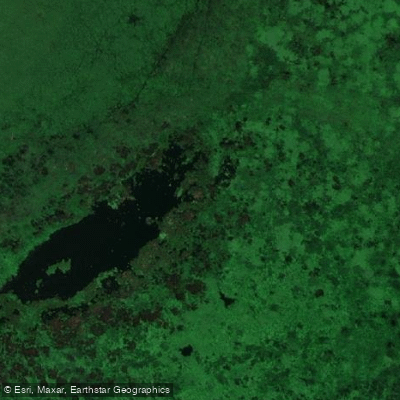
Rio Bento Gomes
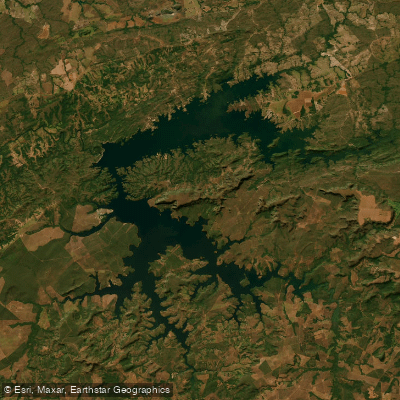
Represa Do Rio Manso
Species & education
Learn what type of fish are in Mato Grosso and what's needed to catch them.
Find which waters have the species you want to catch

Largemouth Bass
Micropterus salmoides

Rainbow Trout
Oncorhynchus mykiss

Acoupa Weakfish
Cynoscion acoupa

Albacore
Thunnus alalunga

Aracu
Leporinus guttatus

Aracu branco
Leporinus brunneus

Aracu cabeça gorda
Leporinus friderici

Aracu-flamengo
Leporinus fasciatus

Aracu pinima
Leporinus affinis

Arapaima gigas
Arapaima gigas

Astronotus crassipinnis
Astronotus crassipinnis

Atlantic Bonito
Sarda sarda

Baboso
Brachyplatystoma platynemum

Bagre-africano
Clarias gariepinus

Bagre-amarelo
Brachyplatystoma filamentosum

Barred Grunt
Conodon nobilis

Beiradeira
Brycon pesu

Bico-de-pato
Sorubim trigonocephalus

Black Drum
Pogonias courbina

Black Grouper
Mycteroperca bonaci

Bluefish
Pomatomus saltatrix

Blue Marlin
Makaira nigricans

Bonefish
Albula vulpes

Brazilian Sardine
Sardinella brasiliensis

Broadbill Swordfish
Xiphias gladius

Brycon dulcis
Brycon dulcis

Cachorra
Hydrolycus tatauaia

Caíca
Mugil curema

Cambriaçu
Centropomus parallelus

Camuripema
Centropomus undecimalis

Carpa-cabeça-grande
Hypophthalmichthys nobilis

Carpa-comum
Cyprinus rubrofuscus

Channel Catfish
Ictalurus punctatus

Chicote
Sorubimichthys planiceps

Cíclido pavorreal de kelber
Cichla kelberi

Cobia
Rachycentron canadum

Common Carp
Cyprinus carpio

Common Snook
Centropomus undecimalis

Corimbatá
Prochilodus vimboides

Corvina de río
Plagioscion ternetzi
Fish smarter with real-time insights
Whether you're en route and conditions shift or you're looking for the best spot based on current flows, we enable you to make informed decisions on the fly.




Mato Grosso licenses and regulations
Explore Mato Grosso waters
Top fishing waters
Popular Cities
Loading popular cities...

Smarter Fishing Starts in the App.
onWater Fish gives you everything you need to plan smarter, fish better, and own every trip from first cast to last.