Fishing in Tocantins
- Lakes
- 126
- Rivers
- 598
- Access
- 0
- Boat Ramps
- 0
- Shops
- 0
Tocantins sits in central Brazil, straddling the transition between the Amazon basin and the cerrado.
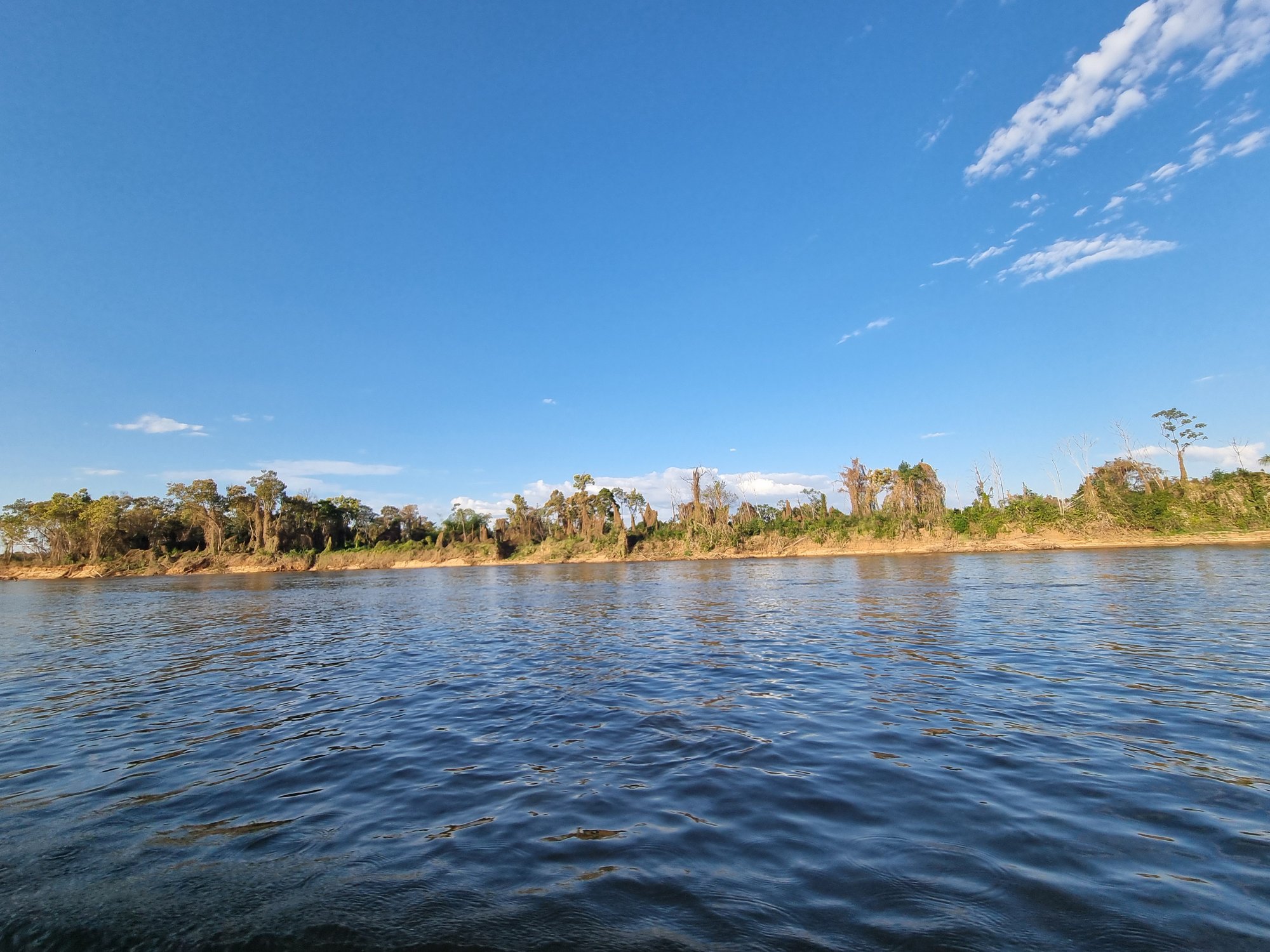
It's a state defined by big rivers — the kind that run wide and fast in the wet season, then drop to expose rocky shelves and clear channels as the dry sets in.
The fishing here is almost entirely freshwater, and the two rivers that shape the scene are the Rio Tocantins and the Rio Araguaia. The Rio Tocantins is the spine of the state.
It runs through a mix of fast and slow water, with rocky stretches that hold payara — locally called cachorra — alongside sardinata (apapá) and bicuda. These are aggressive, fast-water predators, and the rocky runs suit them well.
Fly fishing is viable here, and guides run aluminum jon boats to navigate the currents and the uneven bottom.
The town of Peixe, in the south of the state, sits on the Tocantins and has its own story: in an unusually high flood year, a large fish was trapped in a nearby lagoon when the water dropped, and the place has been called Peixe — fish — ever since.
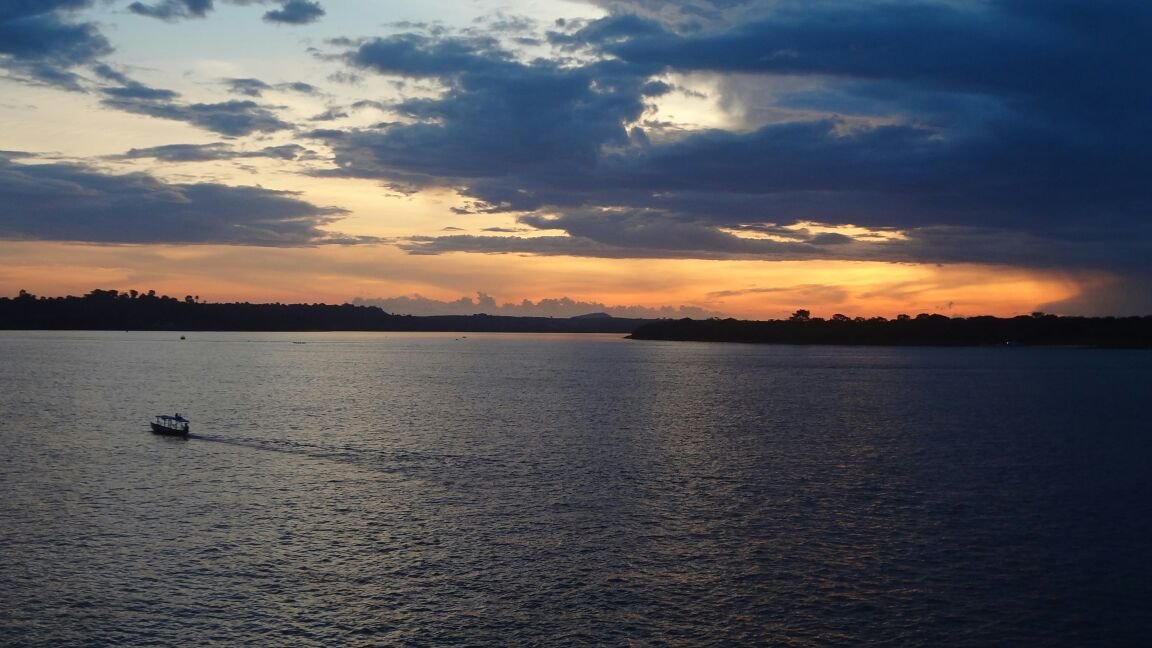
The Lago do Peixe, a protected lake near the town, is where the tucunaré-azul (blue peacock bass) fishing centers. That lake produced the world record for the species: a fish of 4. 99 kg and 64 cm.
The azul doesn't reach the size of the tucunaré-açu, but it fights hard and the average fish runs 30 to 50 cm.
The Rio Araguaia forms the western border of the state and carries its own healthy populations of peacock bass, payara, and other species from the Tocantins-Araguaia basin.
Scientific surveys of the rapids throughout the basin have recorded over 100 species, including 11 under some level of threat — a reminder that this is not just productive water, but ecologically significant water.
The construction of hydroelectric dams over the past four decades has altered the system considerably, and some rapids-dwelling species have contracted their ranges. That context matters when you're planning a trip here. Timing follows the river.
April and November are cited as productive windows for payara, sardinata, and bicuda on the Tocantins, when water levels and clarity align. The wet season pushes fish into flooded margins; the dry concentrates them.
Most guided operations base out of Palmas, the state capital, and drive several hours to reach the fishing. The species list here — payara, bicuda, sardinata, tucunaré-azul, tucunaré-açu — won't overlap much with what most visiting anglers have caught before.
That's the draw. The Rio Tocantins and Lago do Peixe are the places to start asking questions.
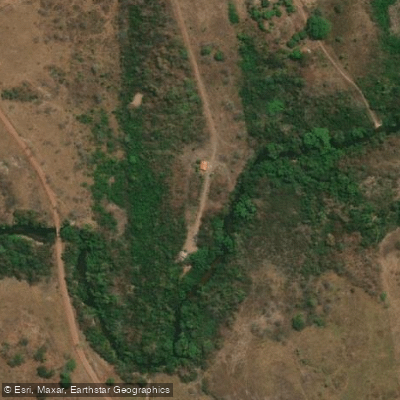
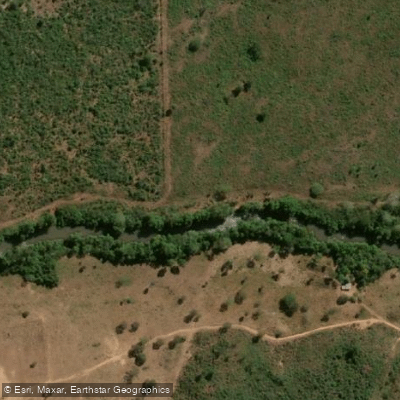
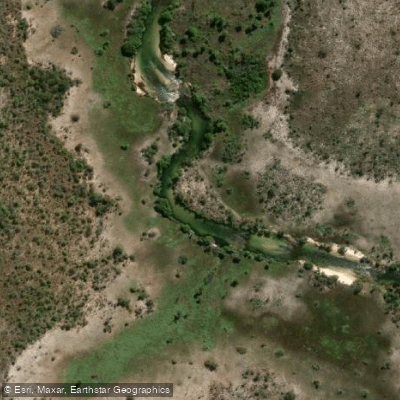
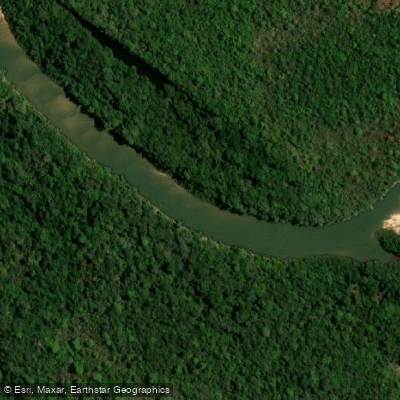
Top waters to fish near Tocantins
Species & education
Learn what type of fish are in Tocantins and what's needed to catch them.
Find which waters have the species you want to catch

Largemouth Bass
Micropterus salmoides

Rainbow Trout
Oncorhynchus mykiss

Acoupa Weakfish
Cynoscion acoupa

Albacore
Thunnus alalunga

Aracu
Leporinus guttatus

Aracu branco
Leporinus brunneus

Aracu cabeça gorda
Leporinus friderici

Aracu-flamengo
Leporinus fasciatus

Aracu pinima
Leporinus affinis

Arapaima gigas
Arapaima gigas

Astronotus crassipinnis
Astronotus crassipinnis

Atlantic Bonito
Sarda sarda

Baboso
Brachyplatystoma platynemum

Bagre-africano
Clarias gariepinus

Bagre-amarelo
Brachyplatystoma filamentosum

Barred Grunt
Conodon nobilis

Beiradeira
Brycon pesu

Bico-de-pato
Sorubim trigonocephalus

Black Drum
Pogonias courbina

Black Grouper
Mycteroperca bonaci

Bluefish
Pomatomus saltatrix

Blue Marlin
Makaira nigricans

Bonefish
Albula vulpes

Brazilian Sardine
Sardinella brasiliensis

Broadbill Swordfish
Xiphias gladius

Brycon dulcis
Brycon dulcis

Cachorra
Hydrolycus tatauaia

Caíca
Mugil curema

Cambriaçu
Centropomus parallelus

Camuripema
Centropomus undecimalis

Carpa-cabeça-grande
Hypophthalmichthys nobilis

Carpa-comum
Cyprinus rubrofuscus

Channel Catfish
Ictalurus punctatus

Chicote
Sorubimichthys planiceps

Cíclido pavorreal de kelber
Cichla kelberi

Cobia
Rachycentron canadum

Common Carp
Cyprinus carpio

Common Snook
Centropomus undecimalis

Corimbatá
Prochilodus vimboides

Corvina de río
Plagioscion ternetzi
Fish smarter with real-time insights
Whether you're en route and conditions shift or you're looking for the best spot based on current flows, we enable you to make informed decisions on the fly.




Tocantins licenses and regulations
Explore Tocantins waters
Top fishing waters
Popular Cities
Loading popular cities...

Smarter Fishing Starts in the App.
onWater Fish gives you everything you need to plan smarter, fish better, and own every trip from first cast to last.