Fishing in Rio Grande do Sul
- Lakes
- 795
- Rivers
- 218
- Access
- 39
- Boat Ramps
- 3
- Shops
- 0
Rio Grande do Sul is Brazil's southernmost state, sharing borders with Argentina and Uruguay.
The landscape runs from the basalt highlands and river canyons of the interior to a vast coastal plain where a complex system of lagoons, barrier islands, and estuaries stretches for hundreds of kilometres before meeting the Atlantic.
The temperate climate here means peacock bass don't survive the winters, which shapes the entire freshwater scene — this is a state where native species and introduced largemouth bass fill the role that tropical gamefish play further north.
The interior rivers are the heart of the freshwater fishing.
The Rio Uruguai and its tributaries — including the Rio Pelotas in the northeast and the Rio Ibicuí — hold dourado (Salminus brasiliensis) and pintado catfish, both of which draw serious sport fishers.
Dourado in particular are prized for their fight, and catch-and-release is widely encouraged.
The piracema (spawning protection period) on the Uruguai basin runs from October through January, so the open season for these species runs roughly February through September — check current rules with IBAMA or the SEMA-RS before you go, as the regulations are updated regularly and the two separate basin calendars can catch visitors off guard.
The jundiá, a native catfish abundant in farm ponds and rivers across the state, is probably the most widely caught fish here. Traíra are everywhere — açudes, banhados, slow river backwaters — and will hit surface lures aggressively.
For anglers looking to sharpen lure technique, the traíra is a reliable teacher. On the coast, Lagoa dos Patos dominates.
It's one of the largest barrier lagoons in the world, and the fishing inside it and along the adjacent coast shifted noticeably after a 2018 state law banned motorized trawling.
Fishers around Marinheiros Island and the municipality of Rio Grande report mullet, sole, Brazilian silversides, kingfish, and species — including grouper — that hadn't been seen in those waters for decades.
Seatrout and South American silver croaker are the main sport targets in the lagoon system. The legal status of the trawling ban has faced challenges at the federal level, so the situation bears watching from a conservation standpoint.
Further north, the "rosário de lagoas" — a string of lagoons running roughly 100 kilometres between Torres and Tramandaí along the northern coast — connects river drainages to the sea through narrow channels.
It's a distinct environment from the open Patos system, quieter and less documented, but worth exploring for coastal species. An amateur fishing licence is required and is issued through IBAMA.
The two-basin calendar system — Uruguai basin on one schedule, Guaíba/Jacuí and coastal drainages on another — means you need to know which watershed you're fishing before you assume the season is open. Get that sorted before you rig up.
What Rio Grande do Sul rewards most is patience with the local knowledge.
The best fishing here isn't loud or obvious — it's a jundiá on a farm pond at dusk, or a dourado turning in the current of the Pelotas, or mullet running thick through a lagoon that's slowly coming back to life.
Top waters to fish near Rio Grande Do Sul

Rio Uruguai
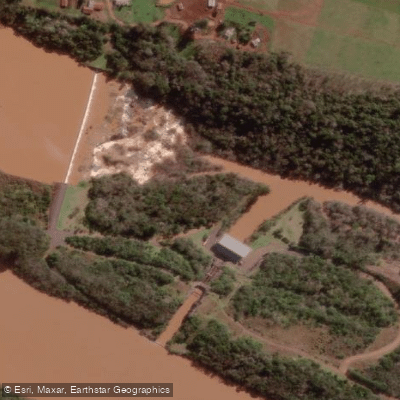
Rio Turvo

Rio Ibicuí-Mirim
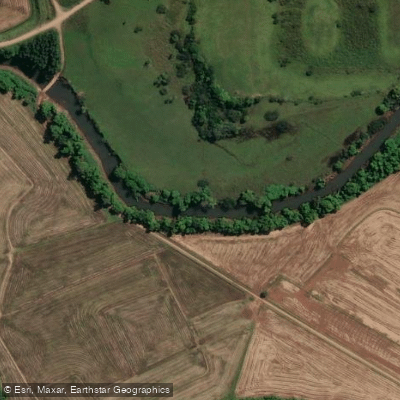
Rio Mampituba
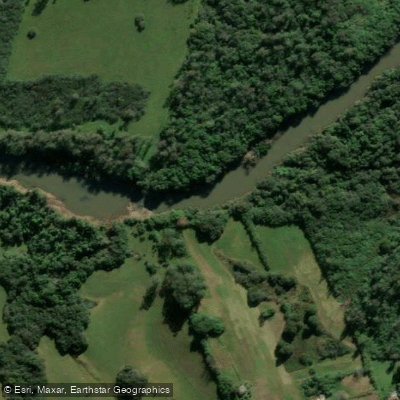
Rio dos Sinos
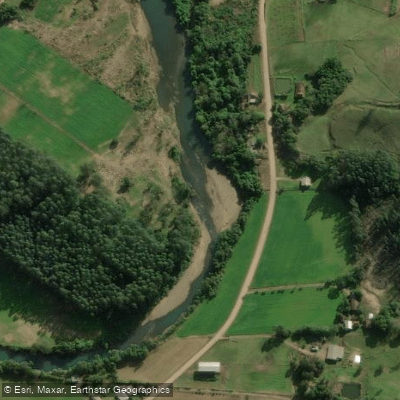
Rio Rolante
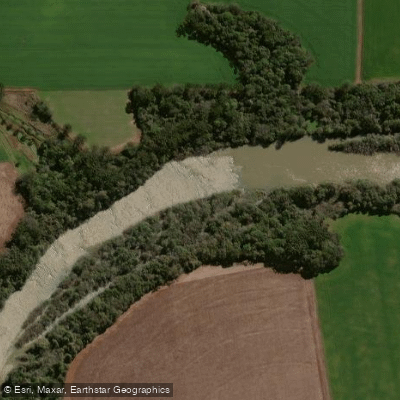
Rio Jacuí
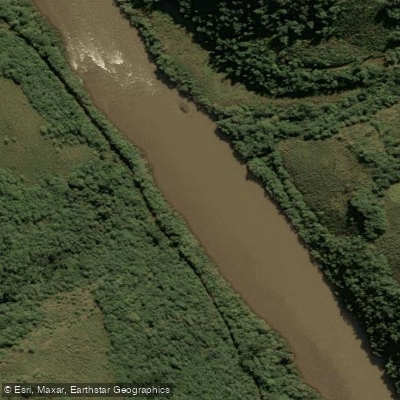
Rio Pelotas
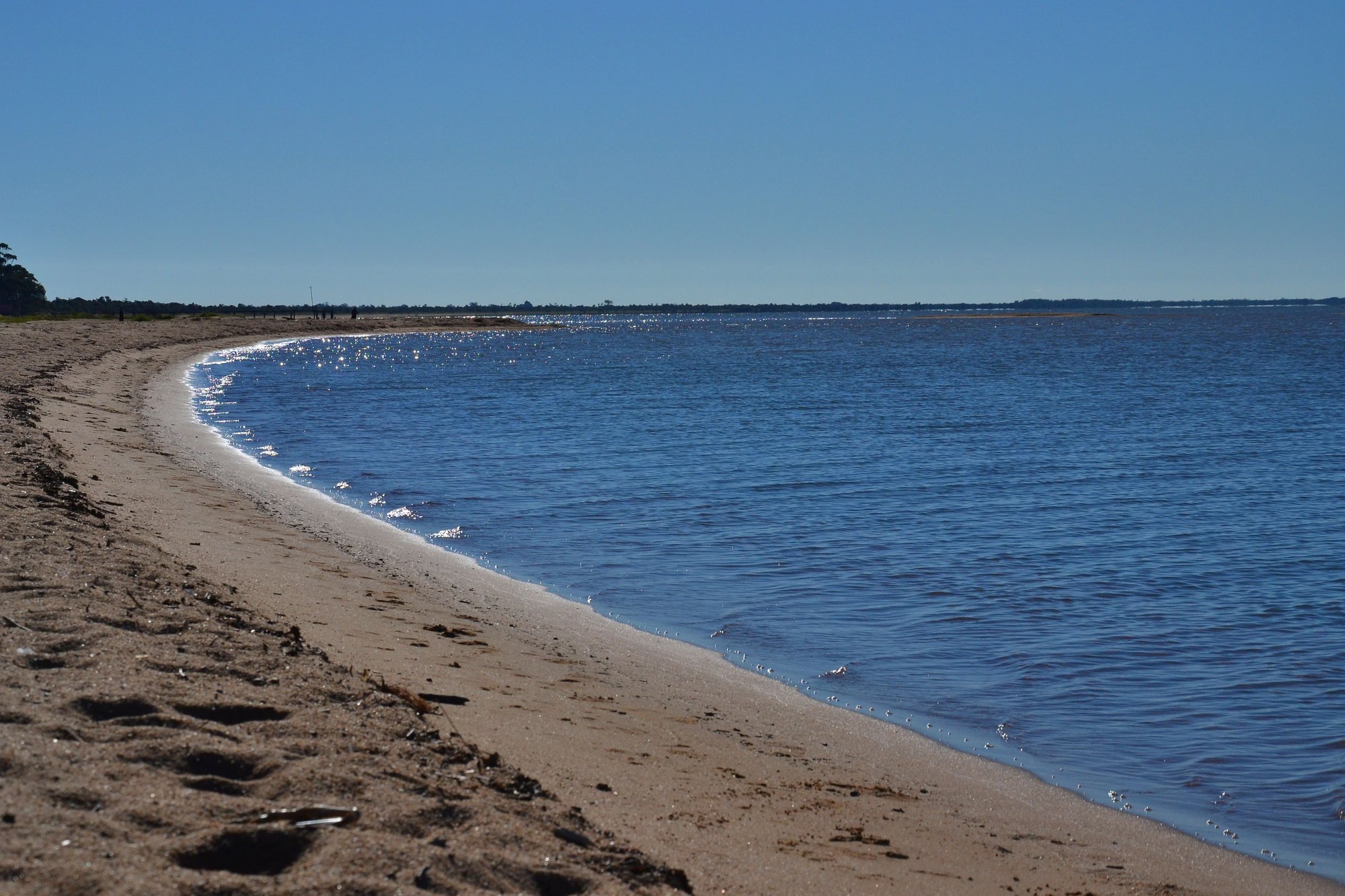
Lagoa Dos Patos
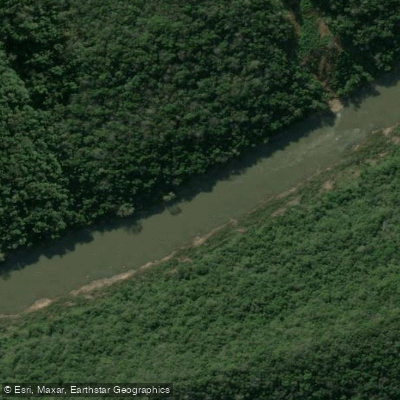
Rio das Antas
Species & education
Learn what type of fish are in Rio Grande do Sul and what's needed to catch them.
Find which waters have the species you want to catch

Largemouth Bass
Micropterus salmoides

Rainbow Trout
Oncorhynchus mykiss

Acoupa Weakfish
Cynoscion acoupa

Albacore
Thunnus alalunga

Aracu
Leporinus guttatus

Aracu branco
Leporinus brunneus

Aracu cabeça gorda
Leporinus friderici

Aracu-flamengo
Leporinus fasciatus

Aracu pinima
Leporinus affinis

Arapaima gigas
Arapaima gigas

Astronotus crassipinnis
Astronotus crassipinnis

Atlantic Bonito
Sarda sarda

Baboso
Brachyplatystoma platynemum

Bagre-africano
Clarias gariepinus

Bagre-amarelo
Brachyplatystoma filamentosum

Barred Grunt
Conodon nobilis

Beiradeira
Brycon pesu

Bico-de-pato
Sorubim trigonocephalus

Black Drum
Pogonias courbina

Black Grouper
Mycteroperca bonaci

Bluefish
Pomatomus saltatrix

Blue Marlin
Makaira nigricans

Bonefish
Albula vulpes

Brazilian Sardine
Sardinella brasiliensis

Broadbill Swordfish
Xiphias gladius

Brycon dulcis
Brycon dulcis

Cachorra
Hydrolycus tatauaia

Caíca
Mugil curema

Cambriaçu
Centropomus parallelus

Camuripema
Centropomus undecimalis

Carpa-cabeça-grande
Hypophthalmichthys nobilis

Carpa-comum
Cyprinus rubrofuscus

Channel Catfish
Ictalurus punctatus

Chicote
Sorubimichthys planiceps

Cíclido pavorreal de kelber
Cichla kelberi

Cobia
Rachycentron canadum

Common Carp
Cyprinus carpio

Common Snook
Centropomus undecimalis

Corimbatá
Prochilodus vimboides

Corvina de río
Plagioscion ternetzi
Fish smarter with real-time insights
Whether you're en route and conditions shift or you're looking for the best spot based on current flows, we enable you to make informed decisions on the fly.




Rio Grande do Sul licenses and regulations
Explore Rio Grande do Sul waters
Top fishing waters
Popular Cities
Loading popular cities...

Smarter Fishing Starts in the App.
onWater Fish gives you everything you need to plan smarter, fish better, and own every trip from first cast to last.