Bluegill
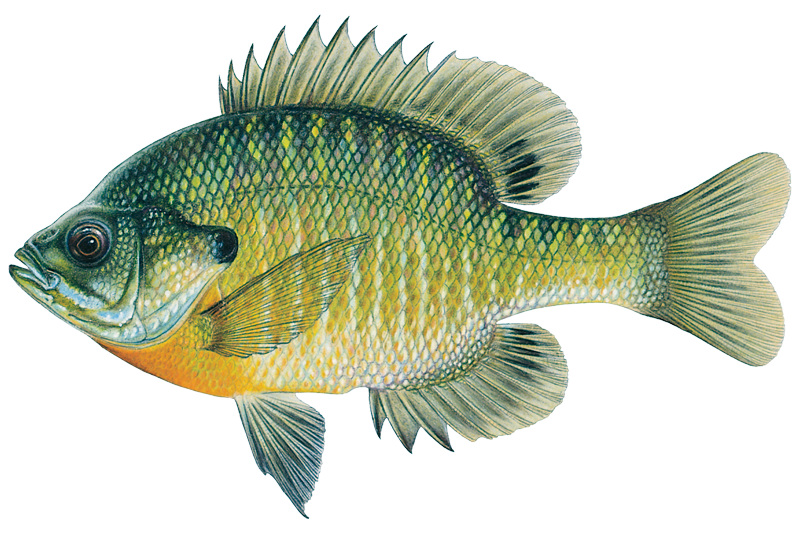
Bluegill are a popular panfish species in Vermont, part of the sunfish family that includes pumpkinseed, rock bass, and crappie.
Scientific Name: Lepomis macrochirus
- These deep-bodied, laterally compressed fish are characterized by their small mouths, bluish region on the cheek and gill cover (giving them their name), and a dark spot on the back of the dorsal fin.
Fishing in Vermont
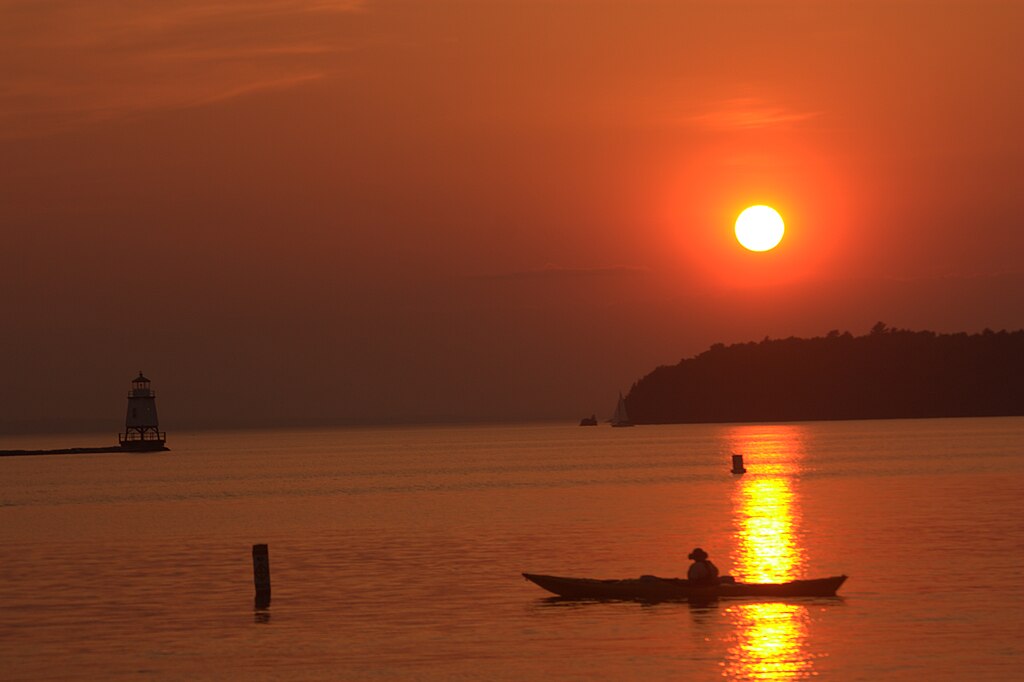
Lake Champlain
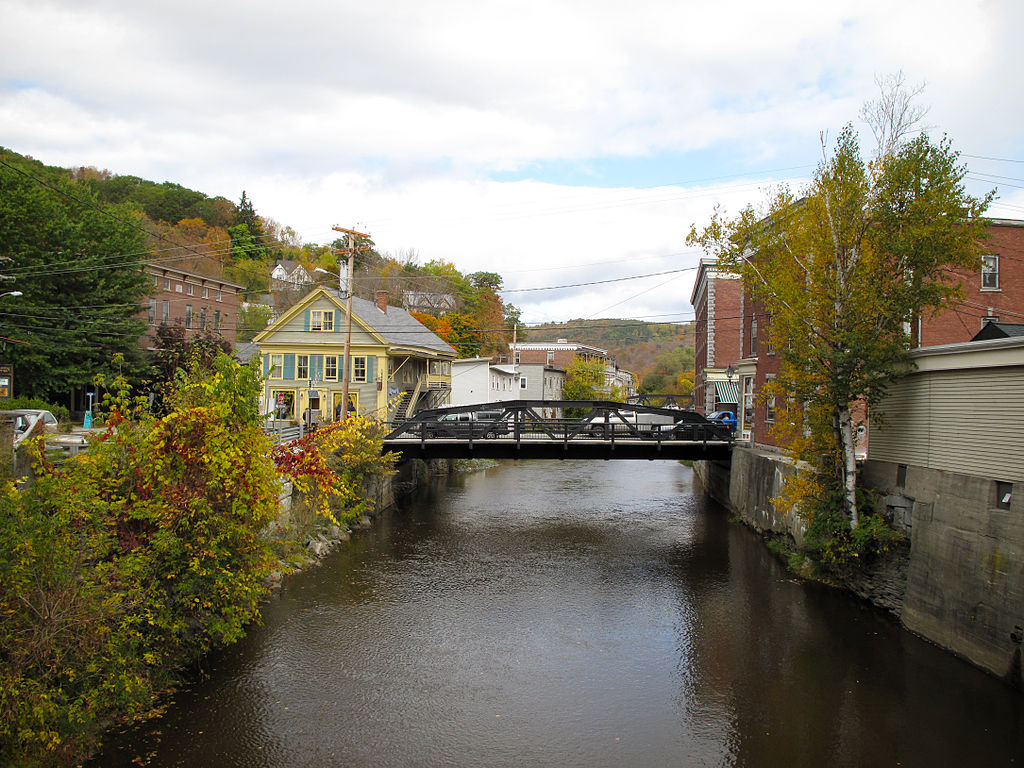
Winooski River
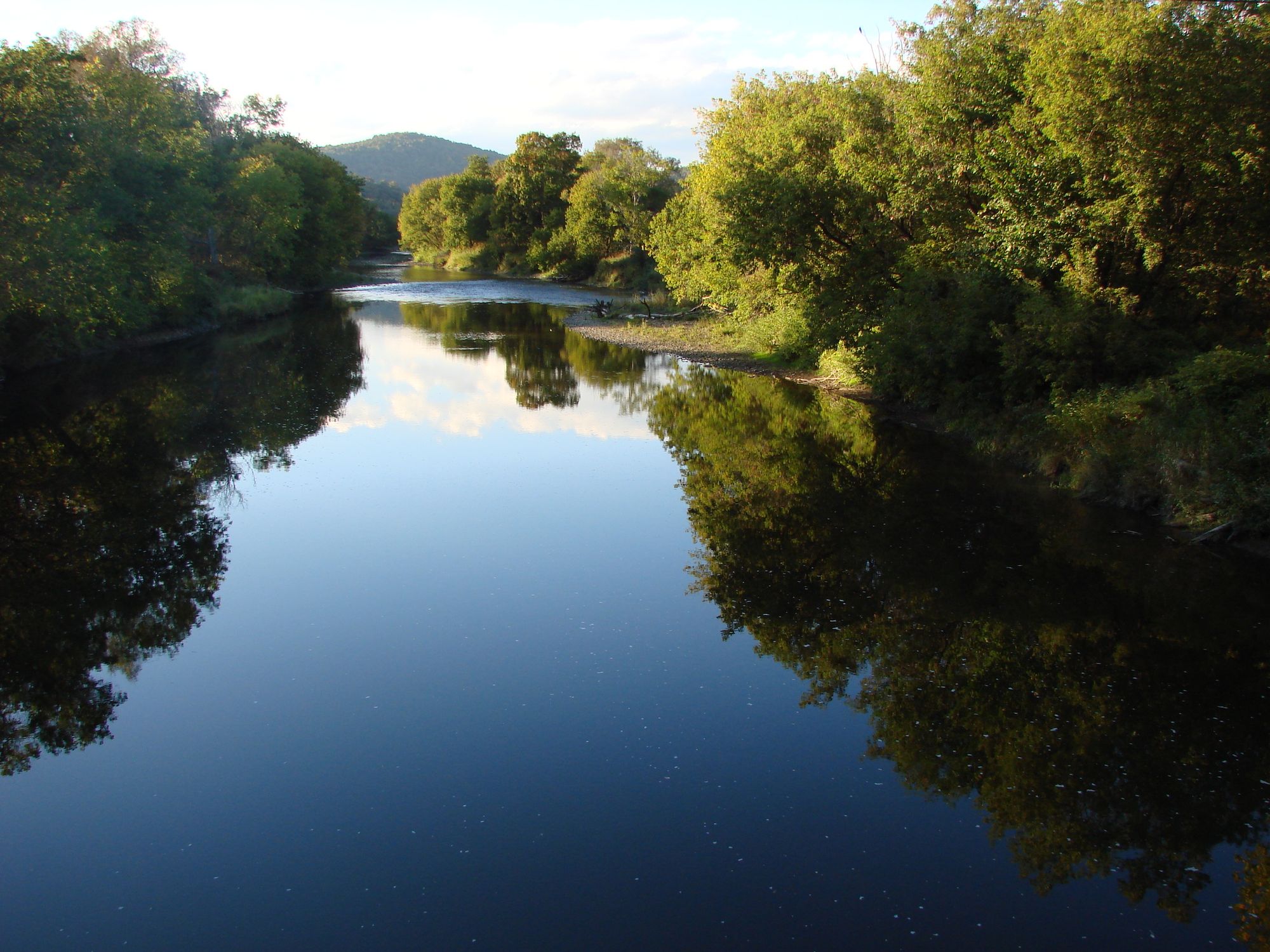
Lamoille River
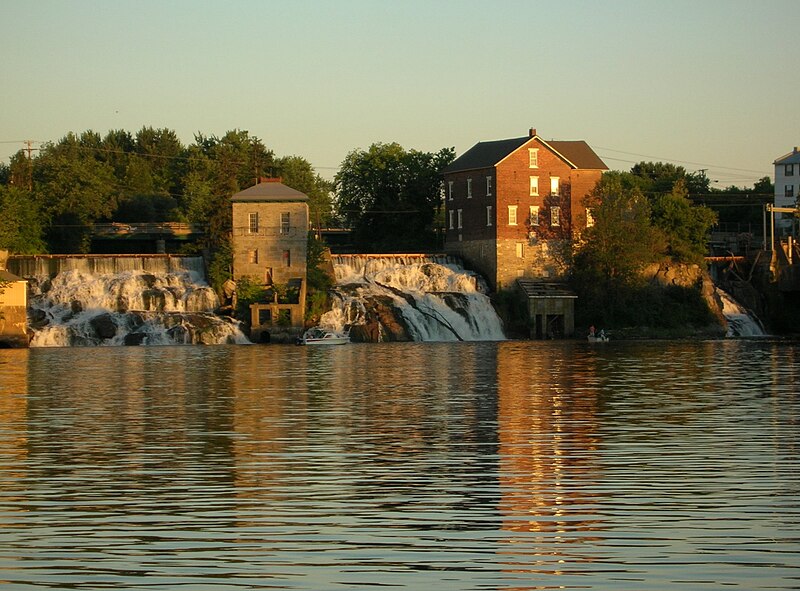
Otter Creek
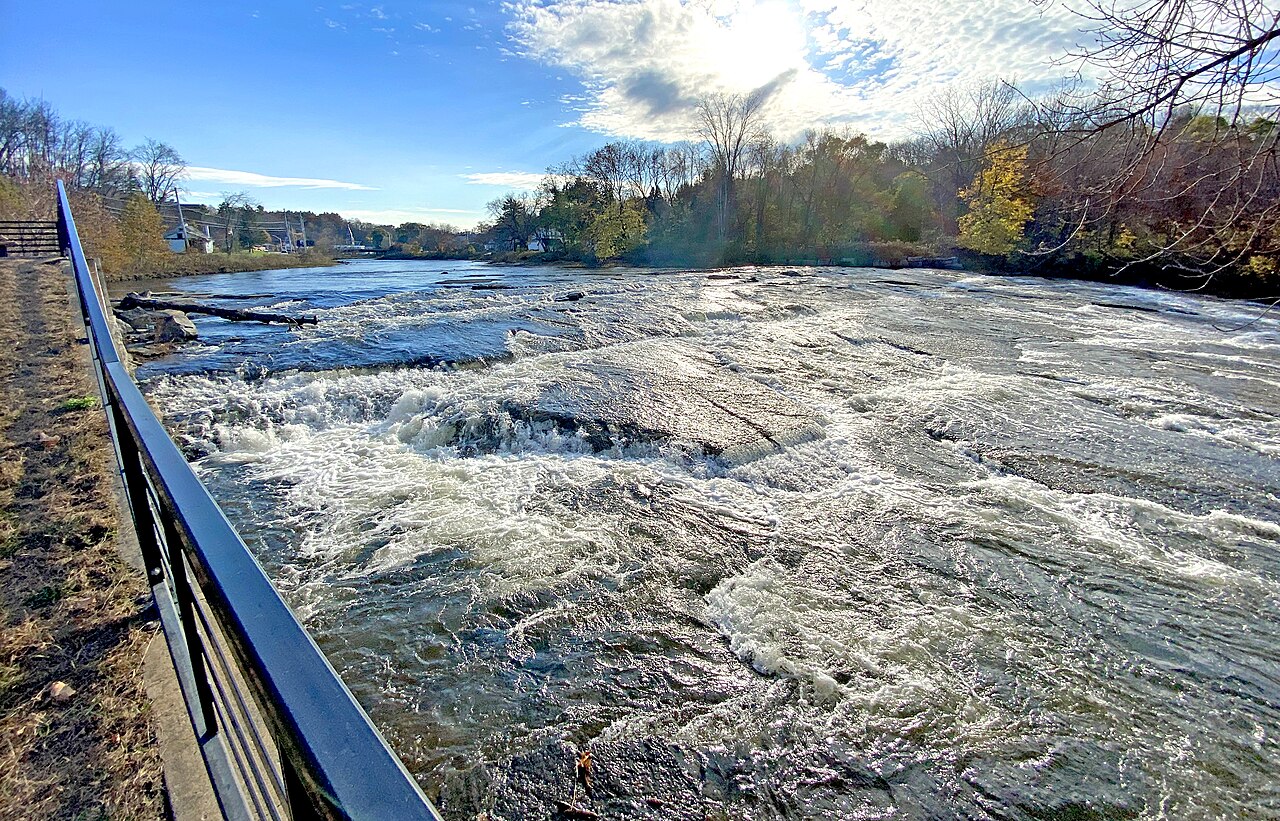
Boquet River
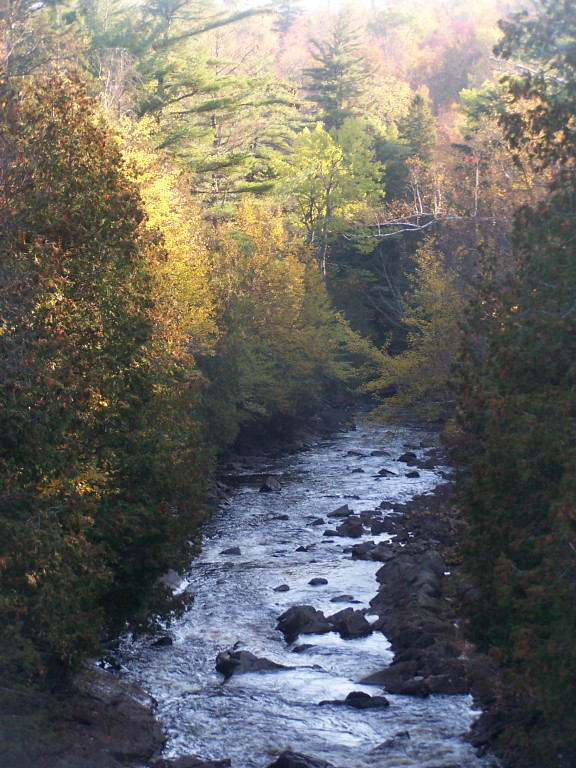
Saranac River
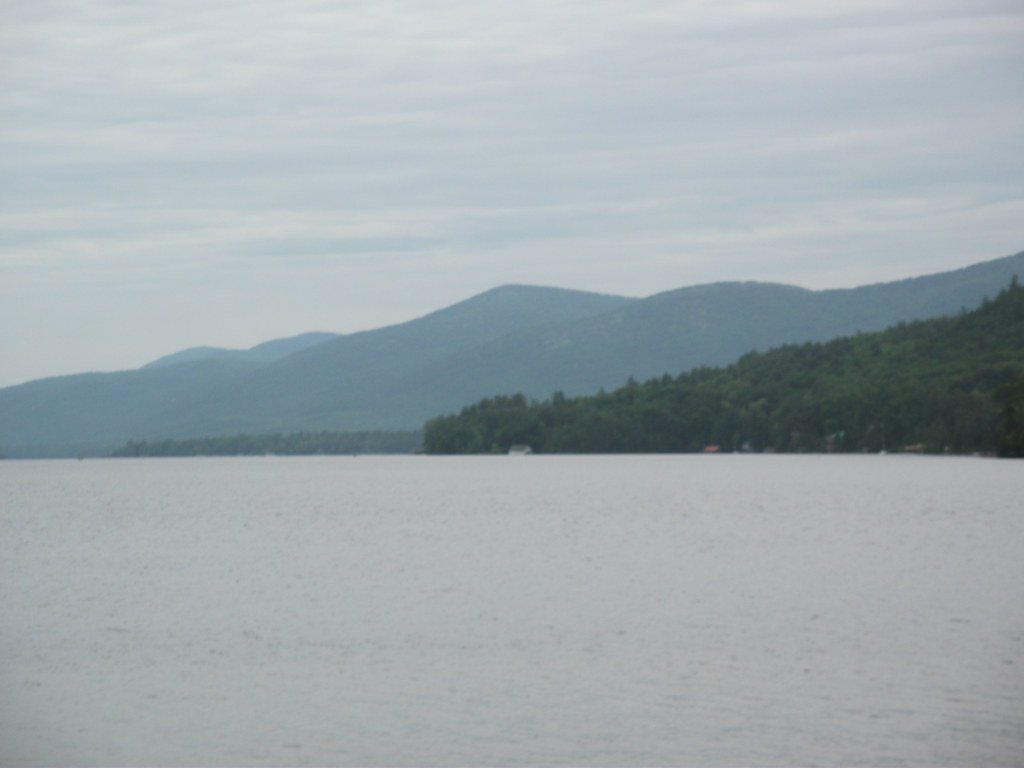
Lake George
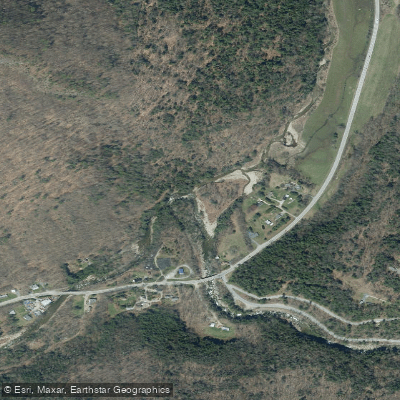
New Haven River
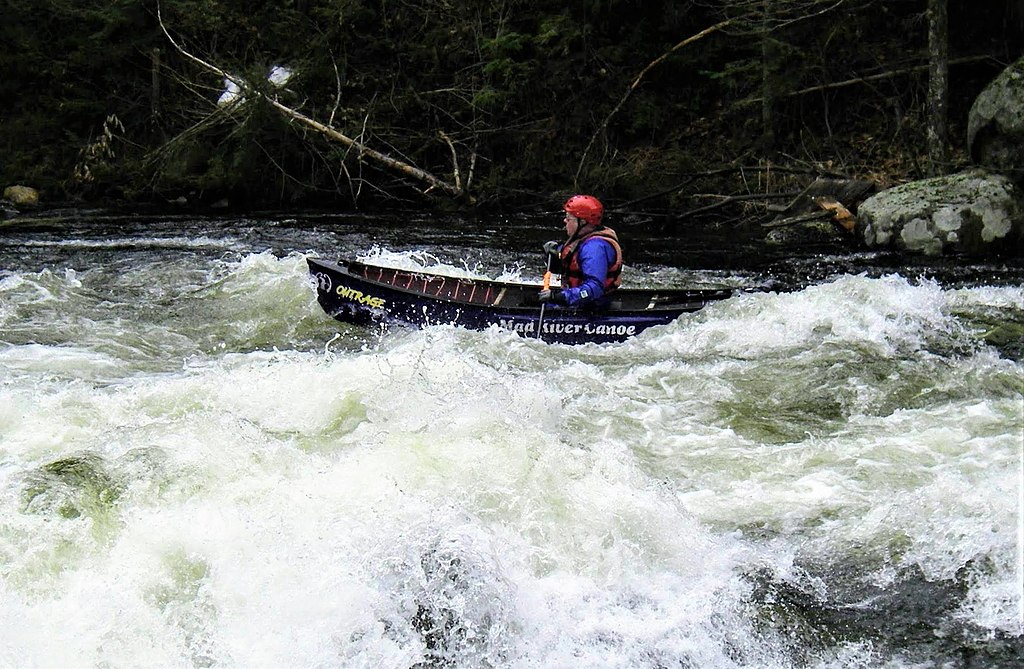
Schroon River
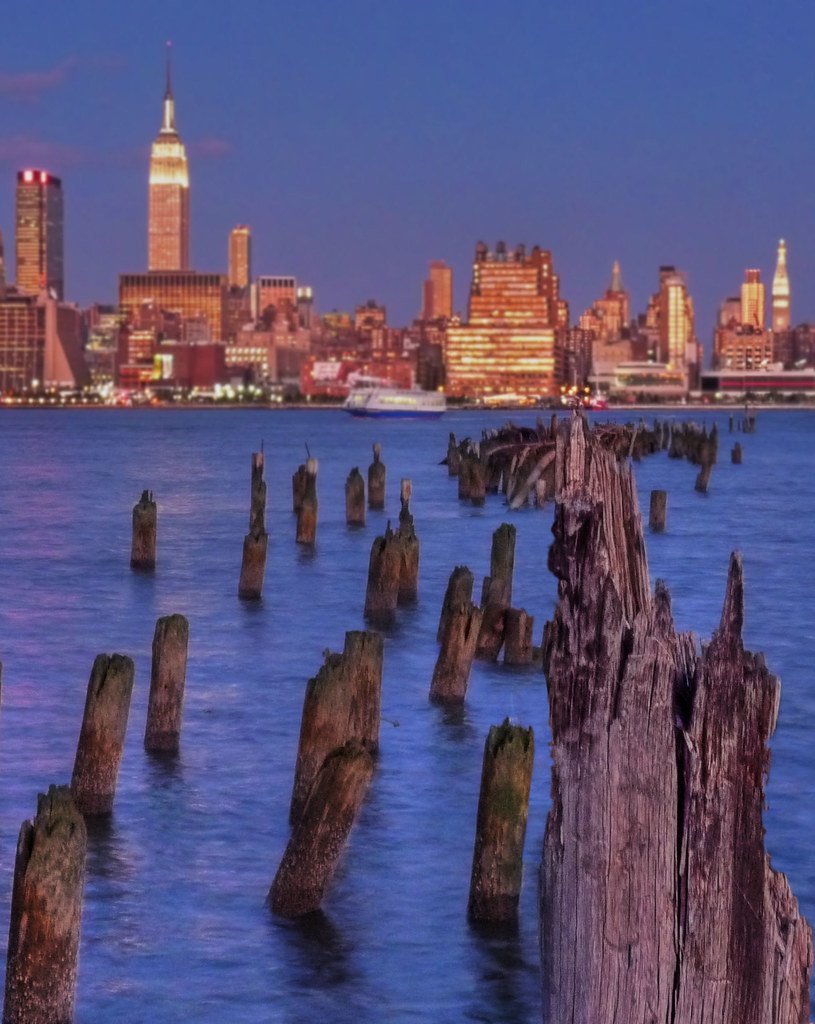
Hudson River
What to know
Habitat Distribution
- Widely distributed throughout Vermont's lakes, ponds, and rivers.
Key Locations
- Lake Champlain, Lake Bomoseen, Lake St.
- Catherine, Lake Dunmore, Lake Morey, Lake Fairlee, Monkton Pond, and the Connecticut River.
Specific Spots
- They prefer shallow, weedy coves and bays of larger lakes, as well as smaller ponds with submerged vegetation, sunken trees, and underwater rock piles.
- Target shallow areas with cover such as submerged vegetation, weed edges, docks, laydowns, brush piles, and flooded grass edges.
- In deeper water (3-8 feet) with vegetation, suspend flies in the zone between weedtops and surface.
Bluegill FAQ
Answers from onWater's species guide.
What are the best lures and bait for Bluegill in Vermont?
Small jigs tipped with worms or crickets, spinners like Mepps Aglia, small spoons, tube jigs, grubs, and poppers. A basic bobber and worm setup.
What flies work for Bluegill in Vermont?
Triangle Bugs, soft hackle wet flies, small poppers (size 8-10), foam spiders, Royal Coachman, Woolly Buggers (size 12 or smaller in olive, black, white), grasshopper patterns, Hare's Ear nymphs, Green Weenies, San Juan Worms, and damselfly/dragonfly nymph imitations.
When is the best time to fish for Bluegill in Vermont?
Best during pre-spawn staging in early spring when water temperatures reach the low 60s, and throughout summer and early fall.
How do you catch Bluegill in Vermont?
Work lures with short strips and pauses, letting flies sink and flutter. Morning fishing can start subsurface with nymphs and streamers, transitioning to topwater action by mid-day when sun warms the water.
What do Bluegill eat?
Bluegill are opportunistic feeders with diverse diets including insect larvae (dragonfly, damselfly, mosquito), water spiders, crickets, grasshoppers, grass shrimp, crayfish, small minnows, fish e.g.gs, snails, zooplankton, and even aquatic vegetation when other foods are scarce.
Fish smarter with real-time insights
Whether you're en route and conditions shift or you're looking for the best spot based on current flows, we enable you to make informed decisions on the fly.







See it in the app
Most maps show you water.
onWater shows you Bluegill.



- 01 · Species map filter
Map every Bluegill water
Pick Bluegill and the map zeroes in on the waters they call home. No more guessing which lake holds them.
- 02 · Waterbody species
Tap any water. See what lives there.
Species, behavior and seasonal patterns for every lake, river and pond, before you leave the driveway.
- 03 · Angler Intelligence
Ask how to catch Bluegill
Tactics, gear and timing from onWater's AI fishing guide, tuned to the species and the water you're on.
Stop guessing where Bluegill are.
Open the map, filter by Bluegill, and head to water that holds them. Download onWater and plan your next trip in minutes.
- Species map filter
- Angler Intelligence
- Fishing journal
Explore other species
Trout, bass, salmon, panfish and everything in between. Each guide unpacks the behavior, seasons, and tactics that put fish in the net.

Find which waters have the species you want to catch

Largemouth Bass
Micropterus salmoides

Smallmouth Bass
Micropterus dolomieu

Rainbow Trout
Oncorhynchus mykiss

Brown Trout
Salmo trutta

Brook Trout
Salvelinus fontinalis

Northern Pike
Esox lucius

Muskellunge

Walleye
Sander vitreus

Black Crappie
Pomoxis nigromaculatus

Alewife
Alosa pseudoharengus

American Eel
Anguilla rostrata

American Shad
Alosa sapidissima

Atlantic Salmon
Salmo salar

Blacknose Dace
Rhinichthys atratulus

Bowfin
Amia calva

Brown Bullhead
Ameiurus nebulosus

Burbot
Lota lota

Chain Pickerel
Esox niger

Channel Catfish
Ictalurus punctatus

Cisco
Coregonus artedi

Common Carp
Cyprinus carpio

Creek Chub
Semotilus atromaculatus

Fallfish
Semotilus corporalis

Freshwater Drum
Aplodinotus grunniens

Lake Sturgeon

Lake Trout
Salvelinus namaycush
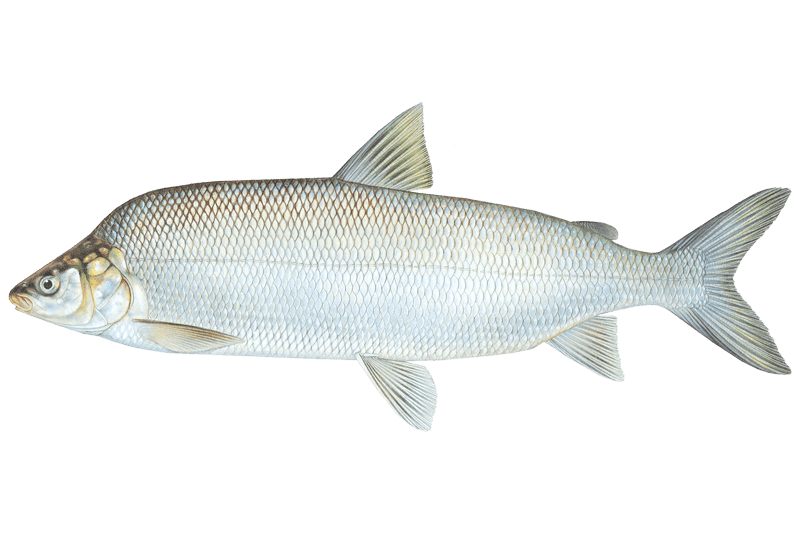
Lake Whitefish
Coregonus clupeaformis

Longnose Gar
Lepisosteus osseus

Longnose Sucker
Catostomus catostomus

Pumpkinseed
Lepomis gibbosus

Rainbow Smelt
Osmerus mordax
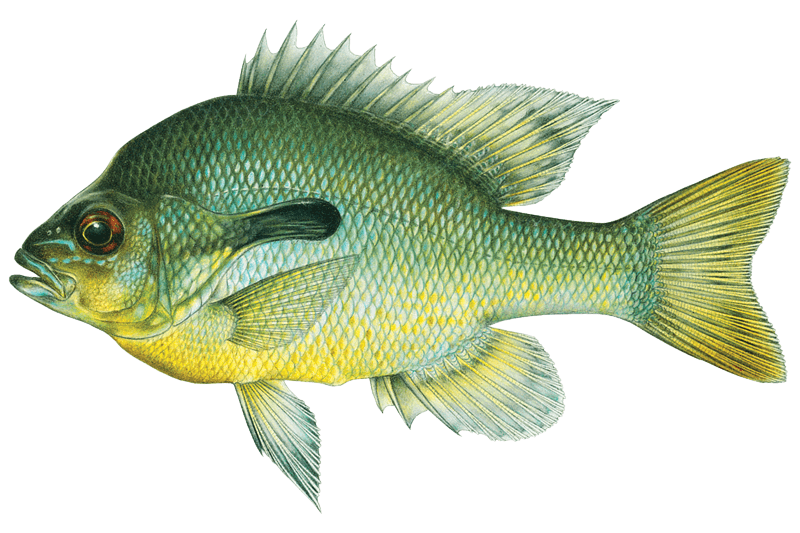
Redbreast Sunfish
Lepomis auritus

Redear Sunfish
Lepomis microlophus

Rock Bass
Ambloplites rupestris

Steelhead
Oncorhynchus mykiss

Tench
Tinca tinca
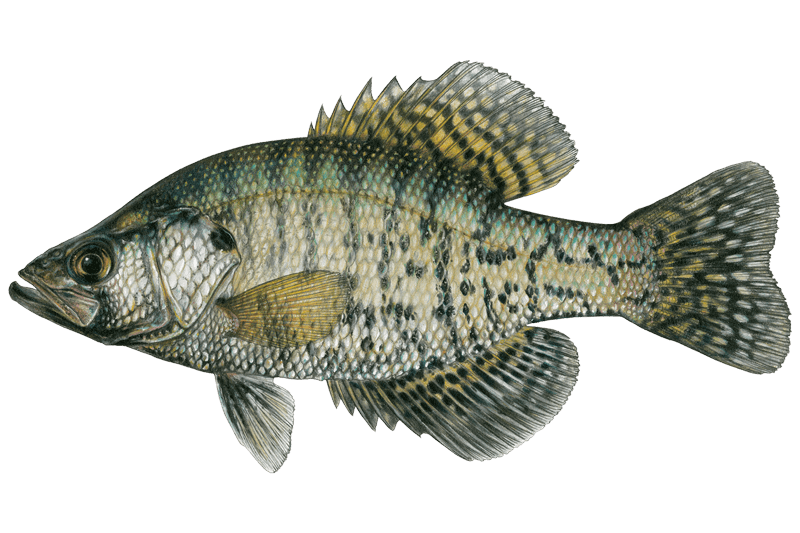
White Crappie
Pomoxis annularis
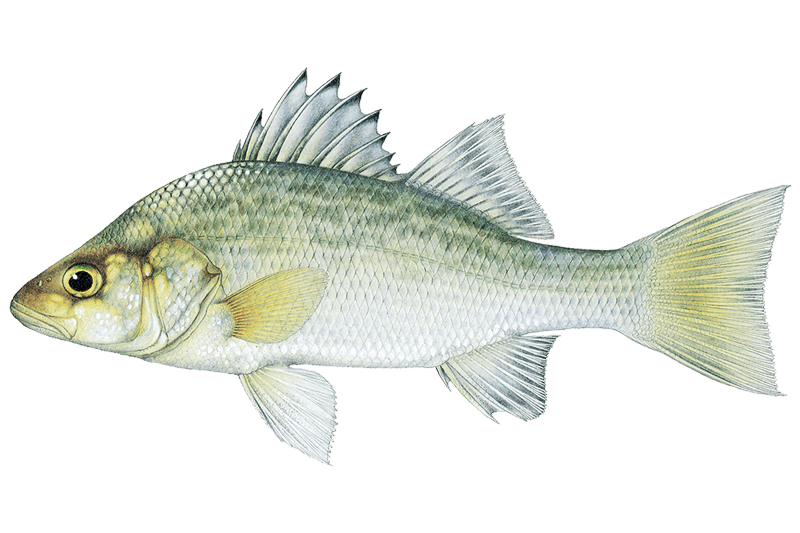
White Perch
Morone americana
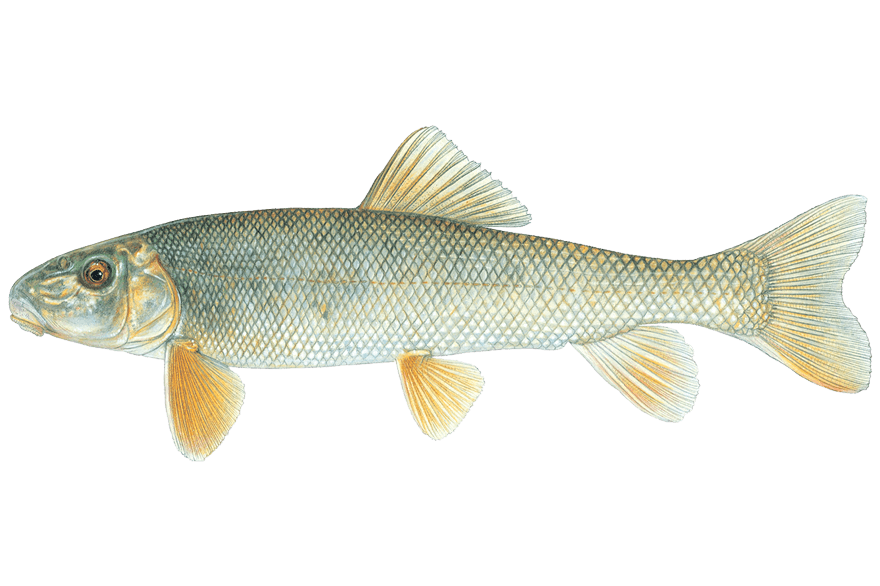
White Sucker
Catostomus commersonii
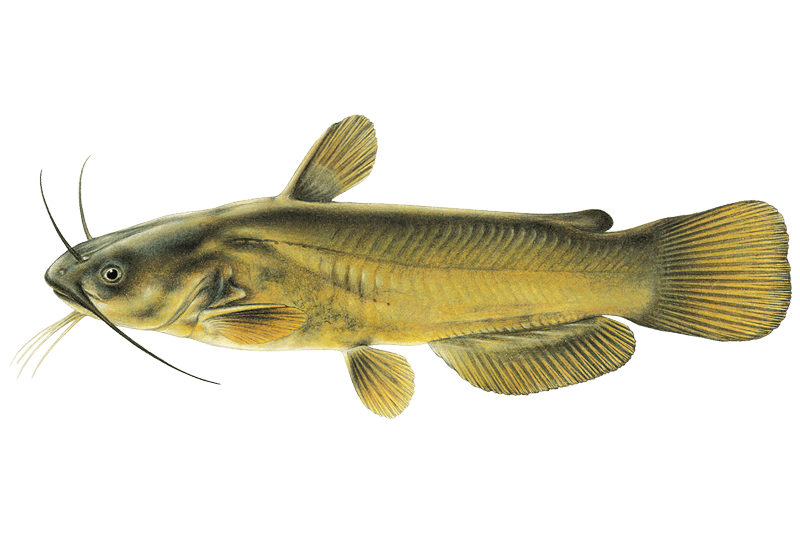
Yellow Bullhead
Ameiurus natalis
Vermont licenses and regulations

Vermont Boating Regulations
When using any type of watercraft to access a body of water, it is important to follow all federal, state, and local rules and regulations. These rules and regulations include boat permitting and licensing, invasive species inspections and stamps, life jacket and PFD rules, motor size and horsepower restrictions, noise limitations, restrictions on personal watercraft, and many more. Visit the web link below for the most current rules and regulations for this body of water.

Vermont Fishing License
No Fishing License Needed If: You are under 15 years of age (resident or nonresident).

Vermont Fishing Regulations
This river has a variety of species and regulations, including potential floating and/or watercraft restrictions. Because this river is specially managed for species, seasons, angling methods, and watercraft, it is strongly encouraged you check all federal, state, and local regulations before fishing. Visit any of the links below, inquire locally, or contact a local fly shop to learn current regulations and restrictions.

Vermont Stream Access Laws
Vermont recognizes a recreation extension of the federal navigability test. Non-navigable waters have a public easement for navigation but owners of land under non-tidal waters own it up the the low-water mark.
Explore nearby waters
Explore Vermont waters
Top fishing waters
Popular Cities
Loading popular cities...

Smarter Fishing Starts in the App.
onWater Fish gives you everything you need to plan smarter, fish better, and own every trip from first cast to last.