Brook Trout

Brook Trout are Vermont's only native stream-dwelling trout and the state's official fish, though technically they're a char rather than a true trout.
Wild Brook Trout populations are found throughout Vermont in nearly every small, cold stream, with over 3,800 miles of streams and rivers managed for trout.
Scientific Name: Salvelinus fontinalis
Also known as squaretail
- These beautiful fish have dark olive-green backs with distinctive worm-like markings called vermiculation, red spots surrounded by blue halos, and brilliant orange bellies that become especially vibrant in spawning males.
- Their fins are pink or reddish with white leading edges, and they lack the forked tail of other trout species.
- In Vermont, Brook Trout are typically slow-growing and short-lived, rarely exceeding 3-4 years of age.
- Most headwater mountain streams produce fish of only 6-7 inches, though in more productive waters like lakes and ponds, they can reach over 20 inches and weigh more than 5 pounds.
Fishing in Vermont

Lake Champlain
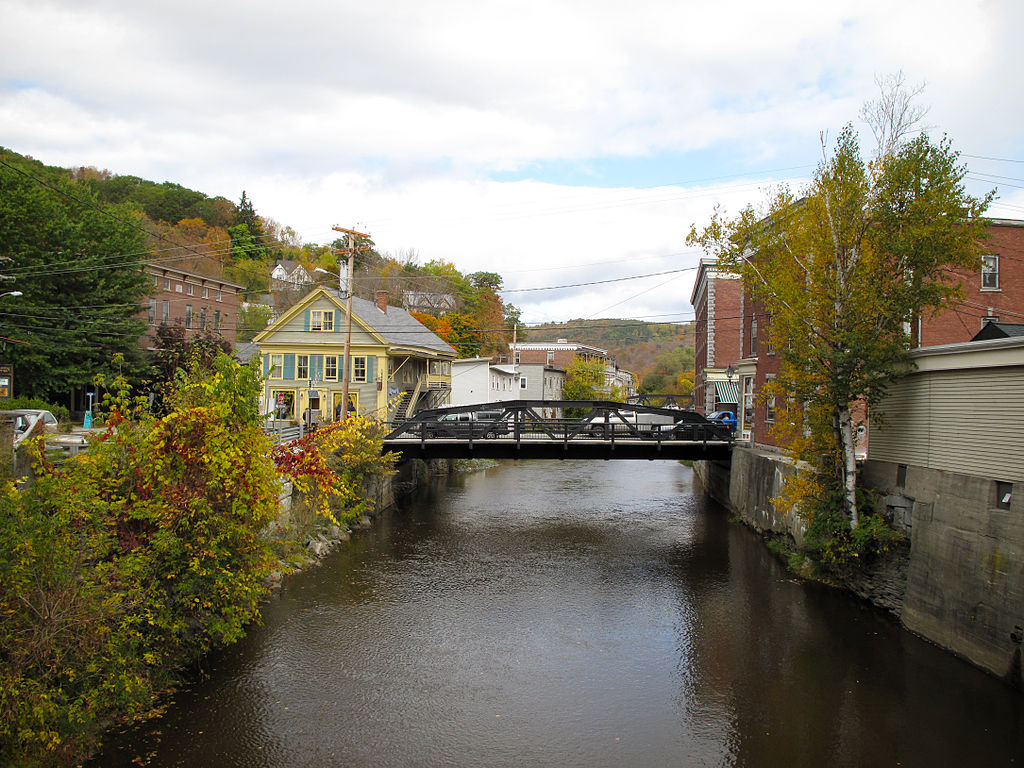
Winooski River
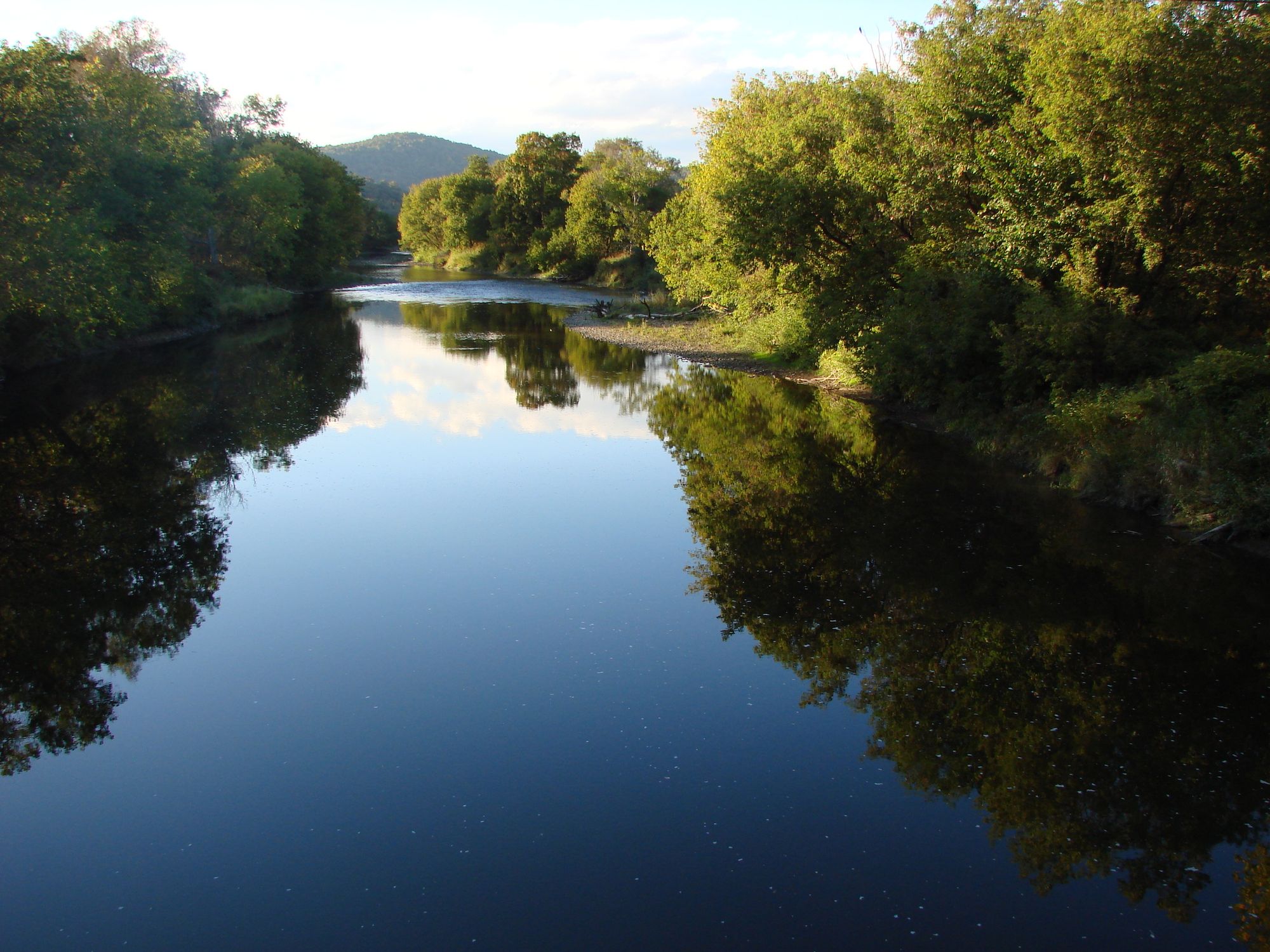
Lamoille River

Otter Creek
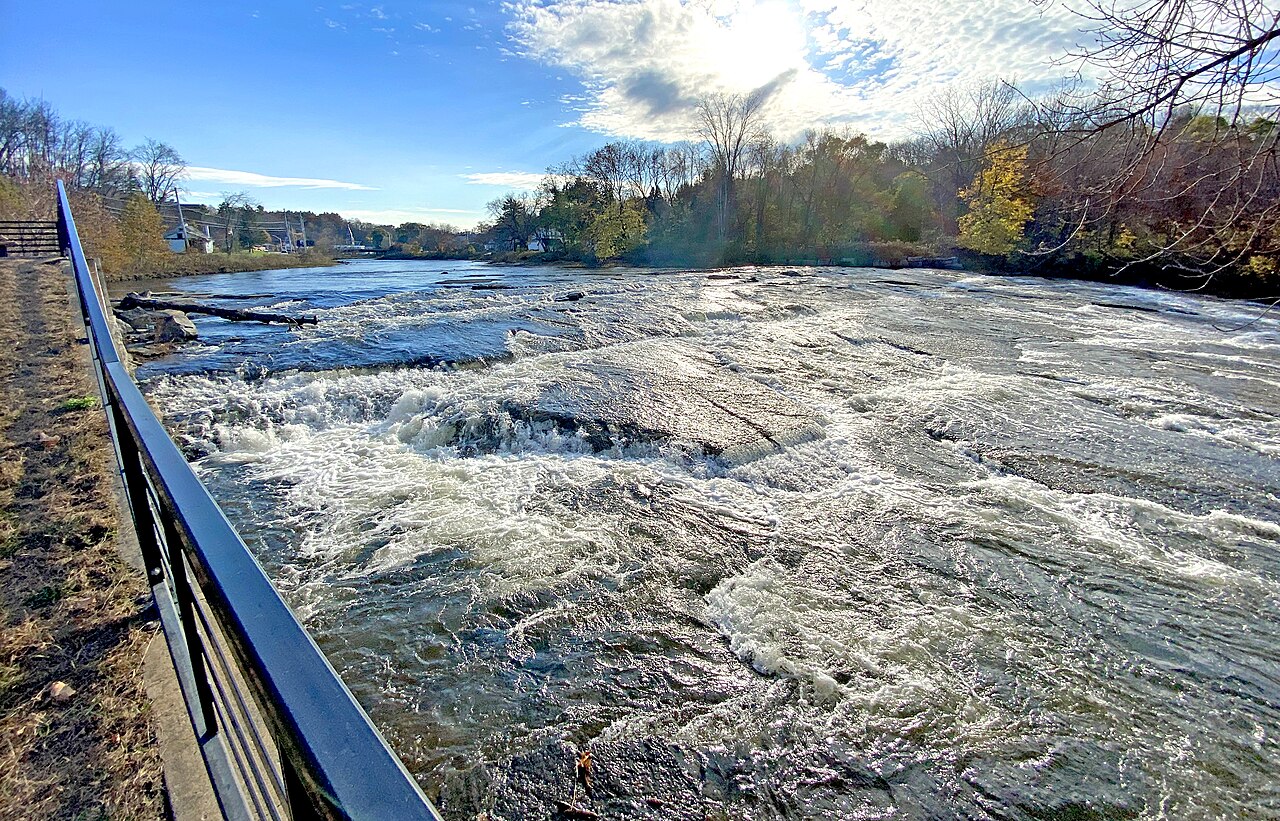
Boquet River
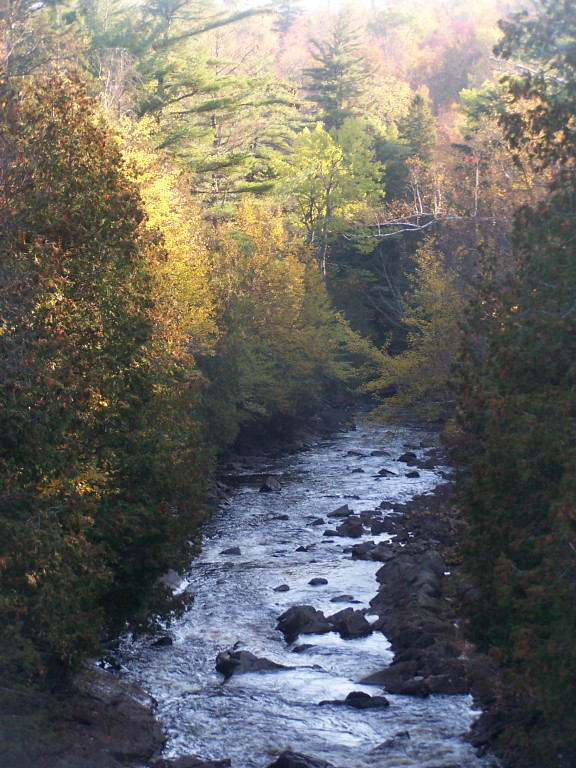
Saranac River
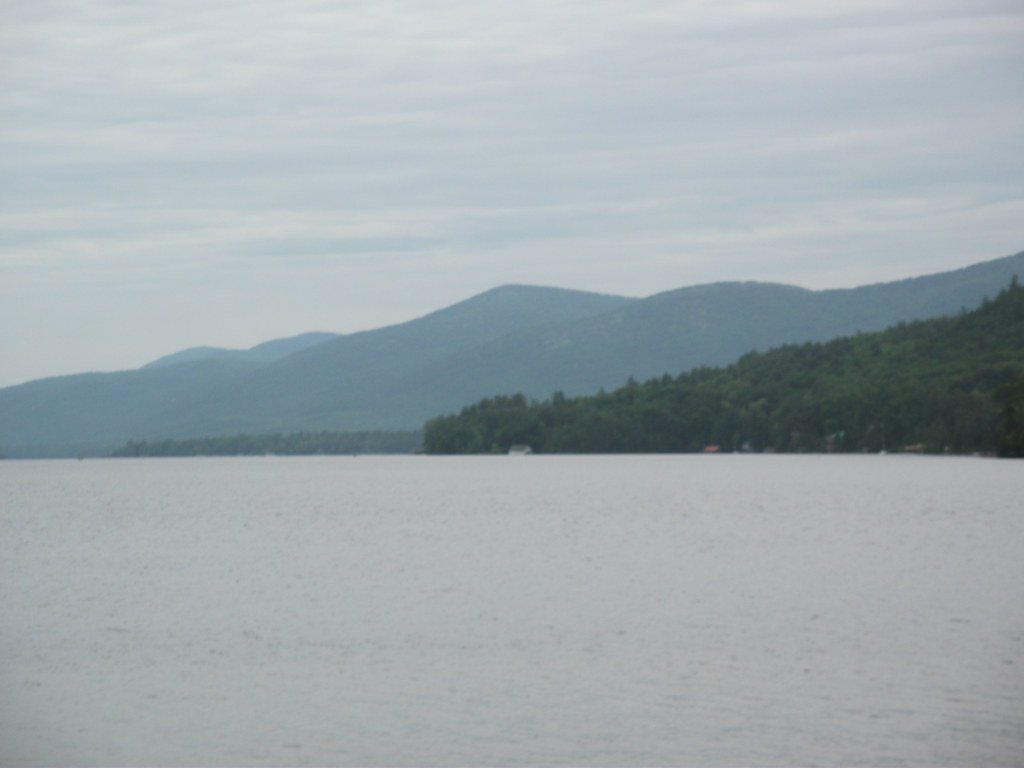
Lake George
New Haven River
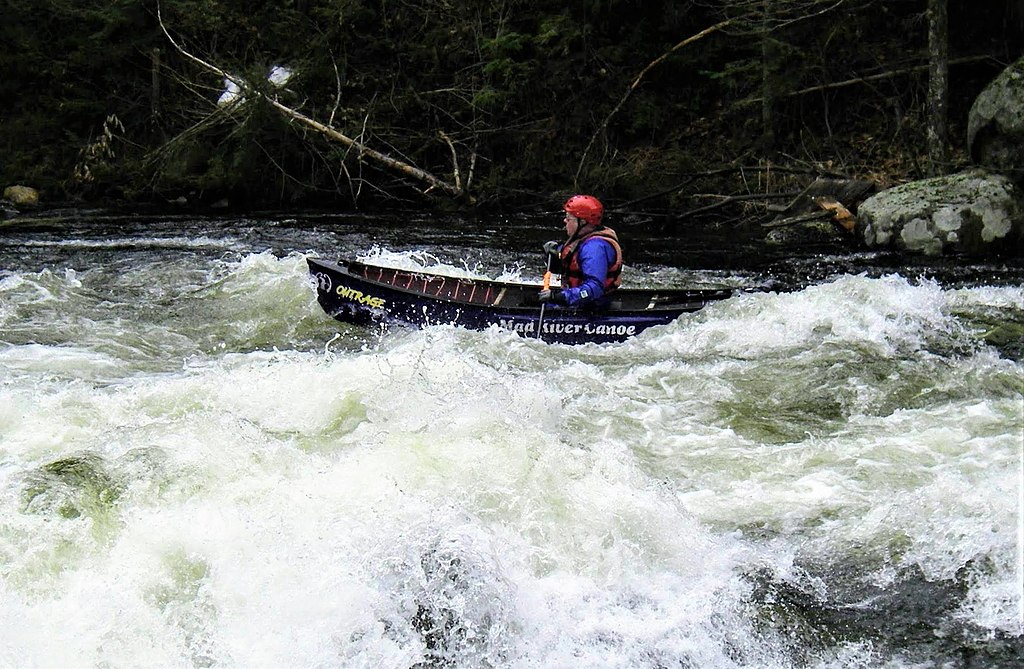
Schroon River

Hudson River
What to know
Habitat Distribution
- Nearly every small, cold stream supports populations.
- In larger waters, they often coexist with non-native brown and rainbow trout.
Key Locations
- Productive Vermont waters include the White, Cold, Mill, Mettawee, Deerfield, and Ottauquechee rivers.
- They're most commonly encountered in small headwater streams and beaver ponds, particularly in the Green Mountains and Northeast Kingdom.
Specific Spots
- In streams, focus on deeper pools, areas with surface turbulence, undercut banks, and spots with overhead cover like boulders, vegetation, or fallen trees.
- Look for areas out of the main current with water speeds around 0.5 feet per second.
- In lakes, target shallow, spring-fed areas less than 15-20 feet deep.
Brook Trout FAQ
Answers from onWater's species guide.
What are the best lures and bait for Brook Trout in Vermont?
Live bait options include earthworms, wax worms, crickets, small minnows, grasshoppers, and fish e.g.gs. For artificials, small spinners, minnow plugs, spoons are proven effective.
What flies work for Brook Trout in Vermont?
Various floating and sinking flies are proven effective. Effective fly patterns include Adams, Elk Hair Caddis, Pheasant Tail nymphs, Woolly Buggers, and Muddler Minnows.
When is the best time to fish for Brook Trout in Vermont?
Brook Trout season in Vermont runs from the second Saturday in April through October 31st for rivers and streams, with an additional winter season from January 1st to March 15th for lakes and ponds.
How do you catch Brook Trout in Vermont?
Keep presentations natural since Brook Trout have excellent eyesight and can be easily spooked. In small streams require stealth and short, underhand casts due to limited space.
What do Brook Trout eat?
Brook Trout prefer drifting aquatic macroinvertebrates like stoneflies, mayflies, and caddisflies over bottom-dwelling organisms, and larger individuals may feed on smaller fish, especially in lakes.
Fish smarter with real-time insights
Whether you're en route and conditions shift or you're looking for the best spot based on current flows, we enable you to make informed decisions on the fly.




See it in the app
Most maps show you water.
onWater shows you Brook Trout.



- 01 · Species map filter
Map every Brook Trout water
Pick Brook Trout and the map zeroes in on the waters they call home. No more guessing which lake holds them.
- 02 · Waterbody species
Tap any water. See what lives there.
Species, behavior and seasonal patterns for every lake, river and pond, before you leave the driveway.
- 03 · Angler Intelligence
Ask how to catch Brook Trout
Tactics, gear and timing from onWater's AI fishing guide, tuned to the species and the water you're on.
Stop guessing where Brook Trout are.
Open the map, filter by Brook Trout, and head to water that holds them. Download onWater and plan your next trip in minutes.
- Species map filter
- Angler Intelligence
- Fishing journal
Explore other species
Trout, bass, salmon, panfish and everything in between. Each guide unpacks the behavior, seasons, and tactics that put fish in the net.
No species information available.
Vermont licenses and regulations
Explore nearby waters
Explore Vermont waters
Top fishing waters
Popular Cities
Loading popular cities...

Smarter Fishing Starts in the App.
onWater Fish gives you everything you need to plan smarter, fish better, and own every trip from first cast to last.