Longnose Gar
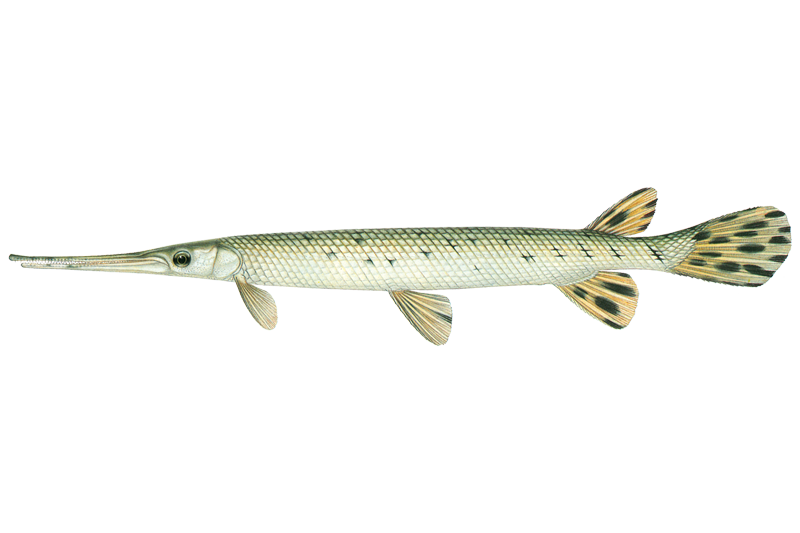
The Longnose Gar is a distinctive prehistoric fish native to Vermont's Lake Champlain and a few of its lower tributaries. Often called a 'living fossil,' this ancient species has remained relatively unchanged for over 100 million years.
Scientific Name: Lepisosteus osseus
- The most distinguishable feature is their long, bluntly pointed snout filled with sharp needle-point teeth - the snout is over twice the length of their head.
- They have a very long, narrow, torpedo-shaped body with olive brown to dark green coloring on the back, white underside, and brown or black stripes running along either side.
- Their body is armored with interlocking, diamond-shaped ganoid scales that form a nearly impenetrable suit of protection.
Fishing in Vermont

Lake Champlain
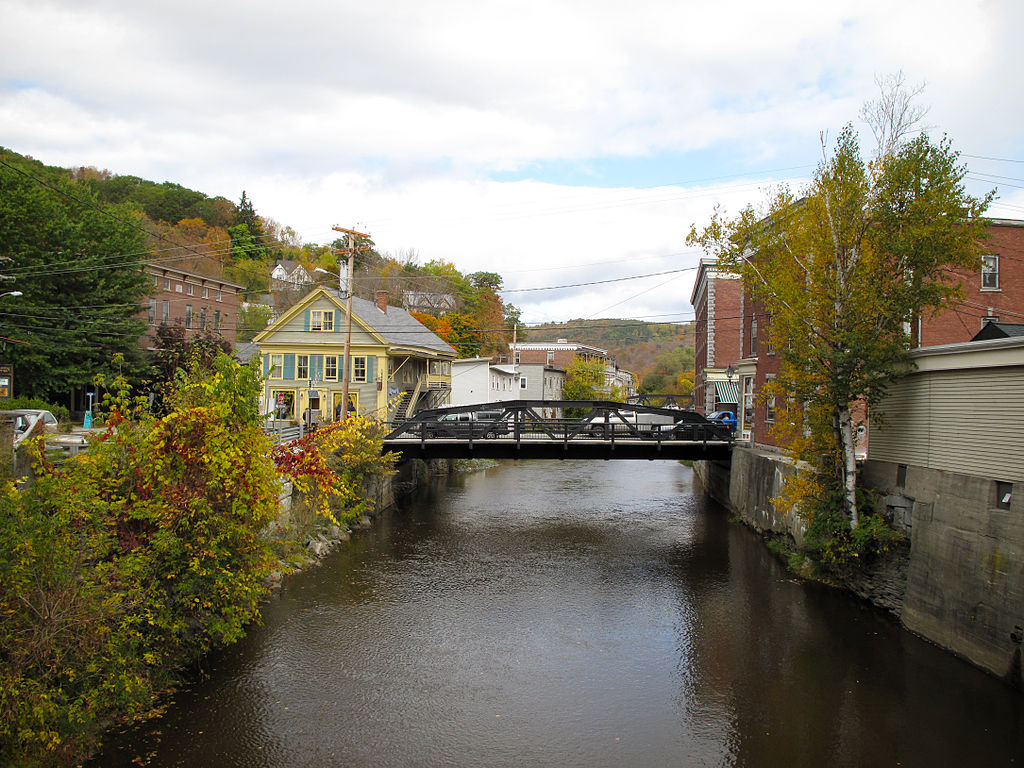
Winooski River
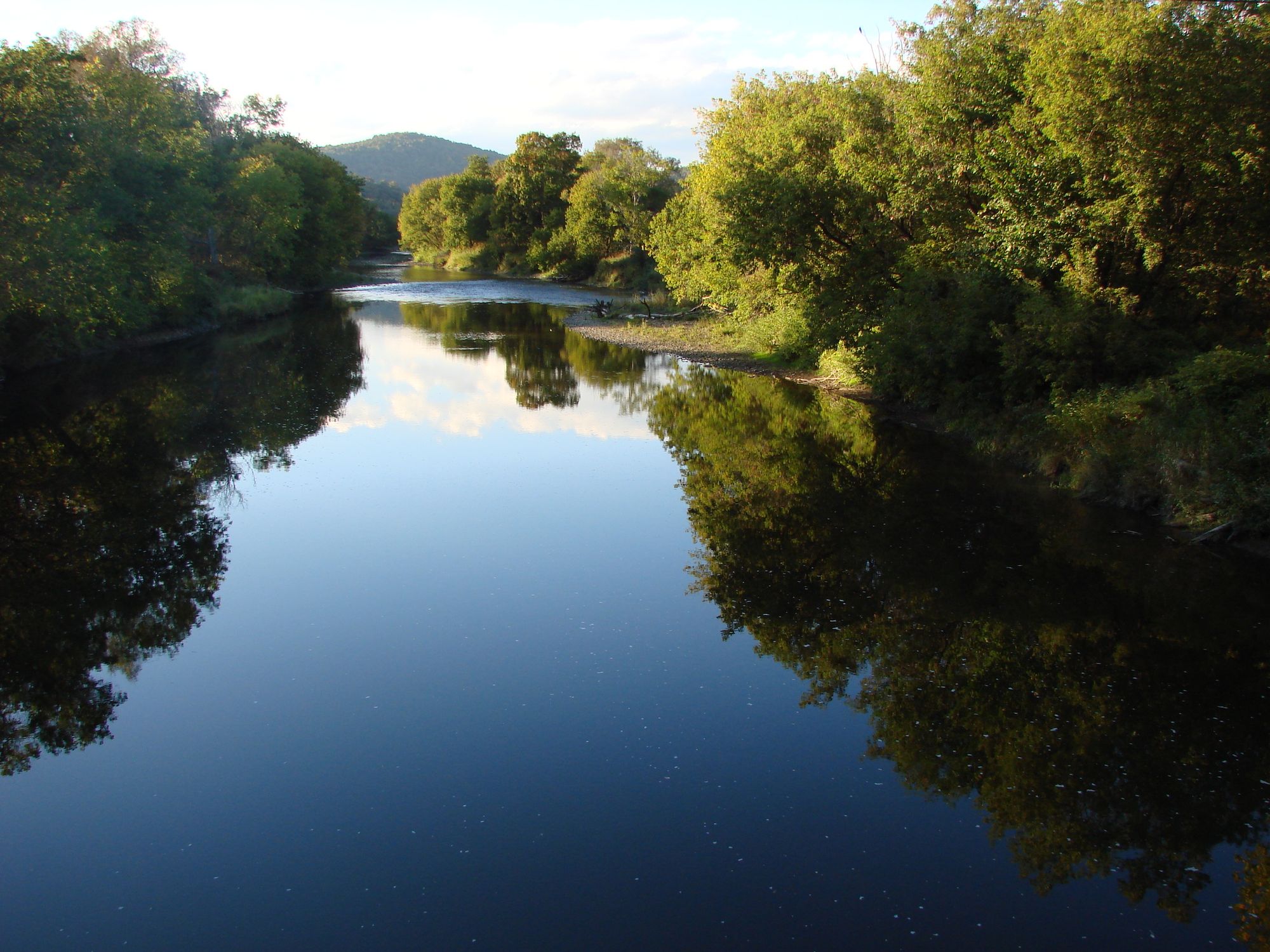
Lamoille River
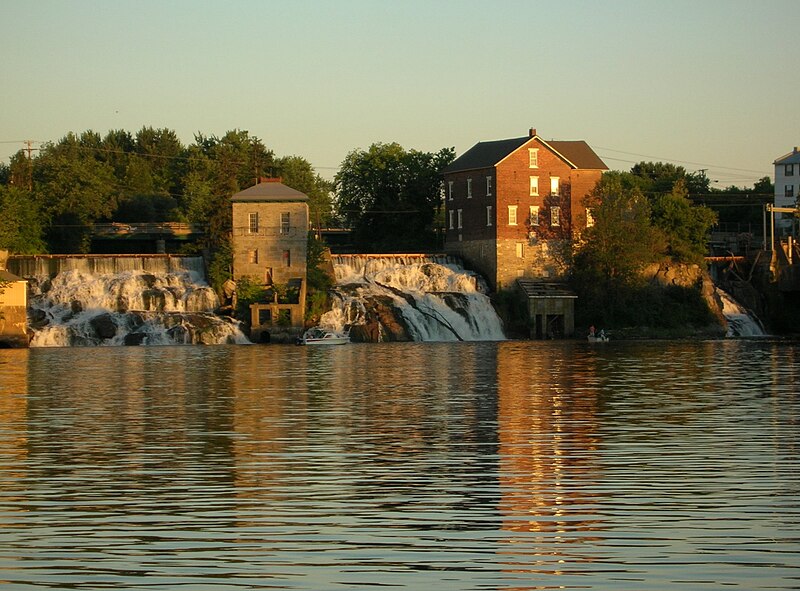
Otter Creek
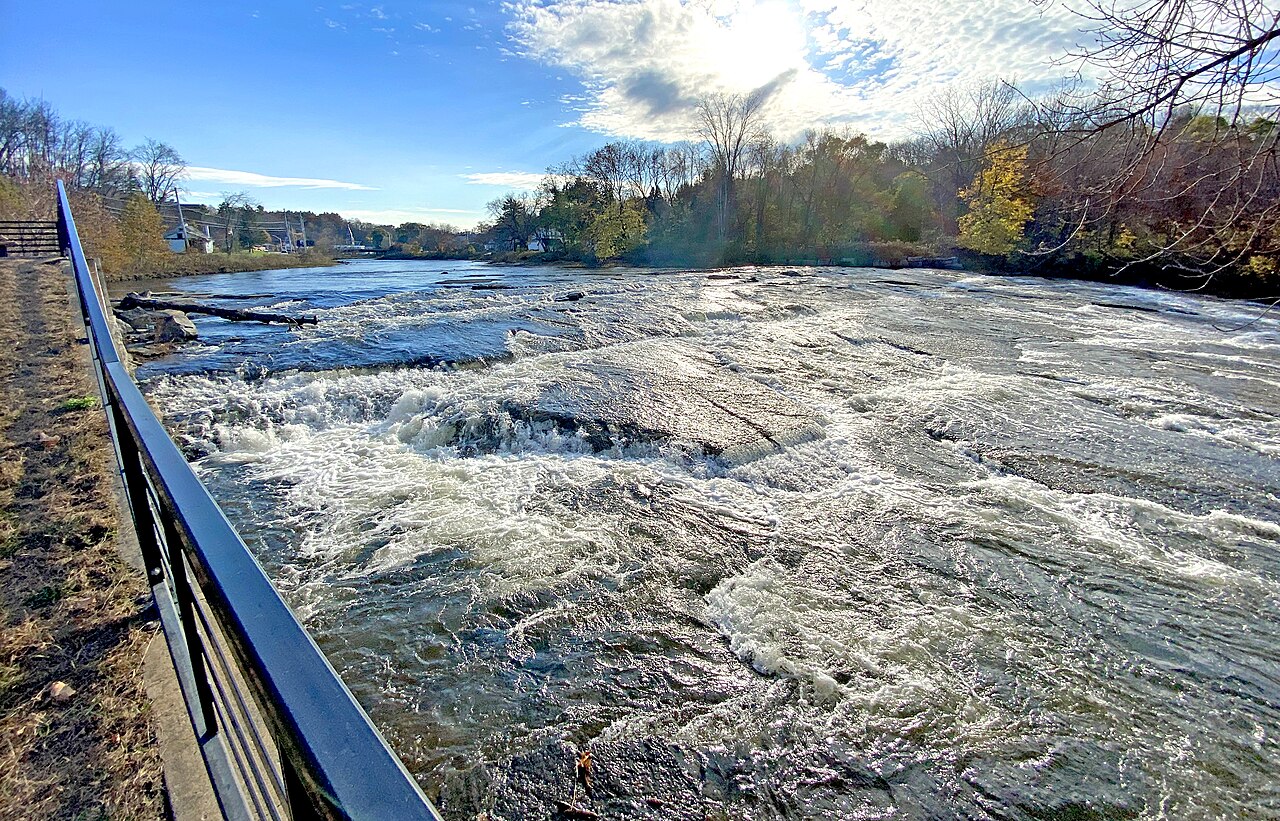
Boquet River
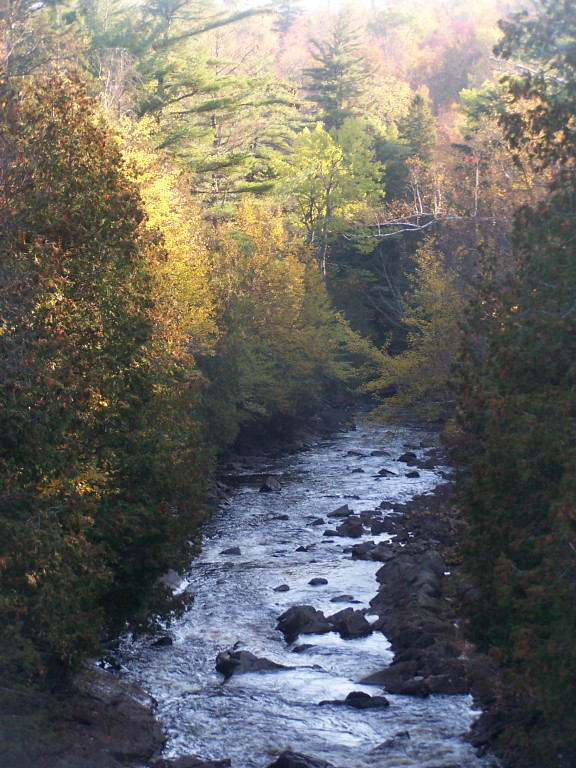
Saranac River
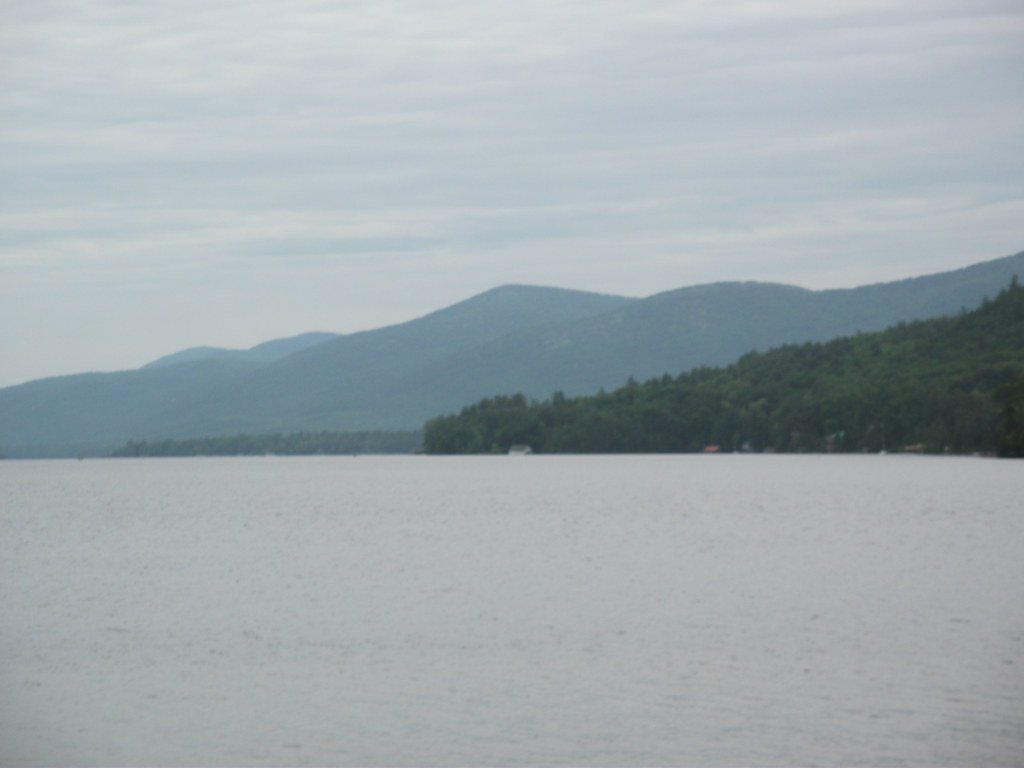
Lake George
New Haven River
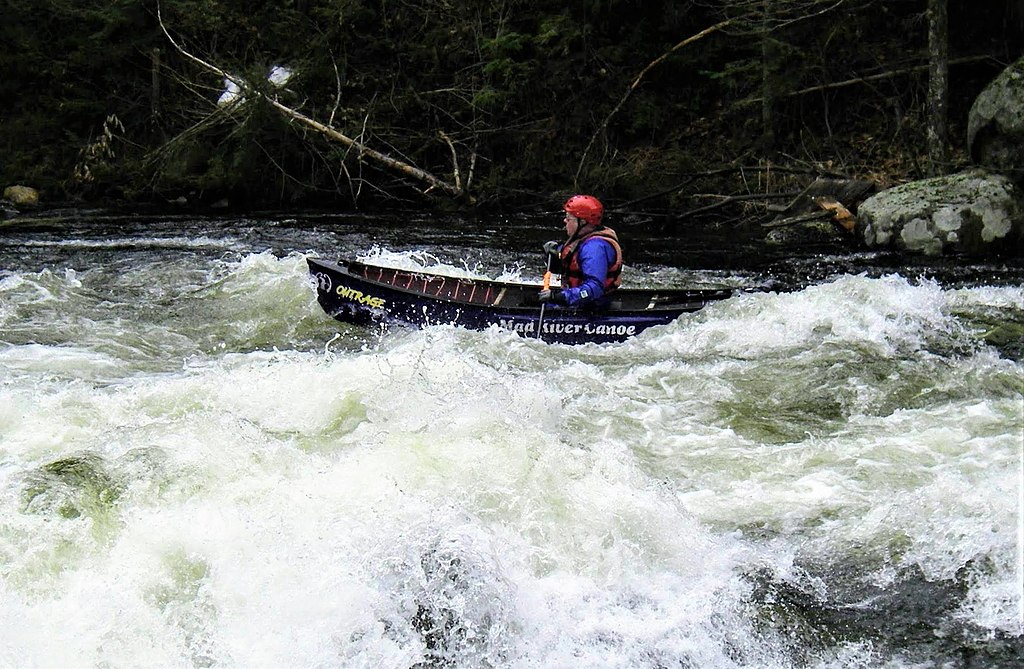
Schroon River
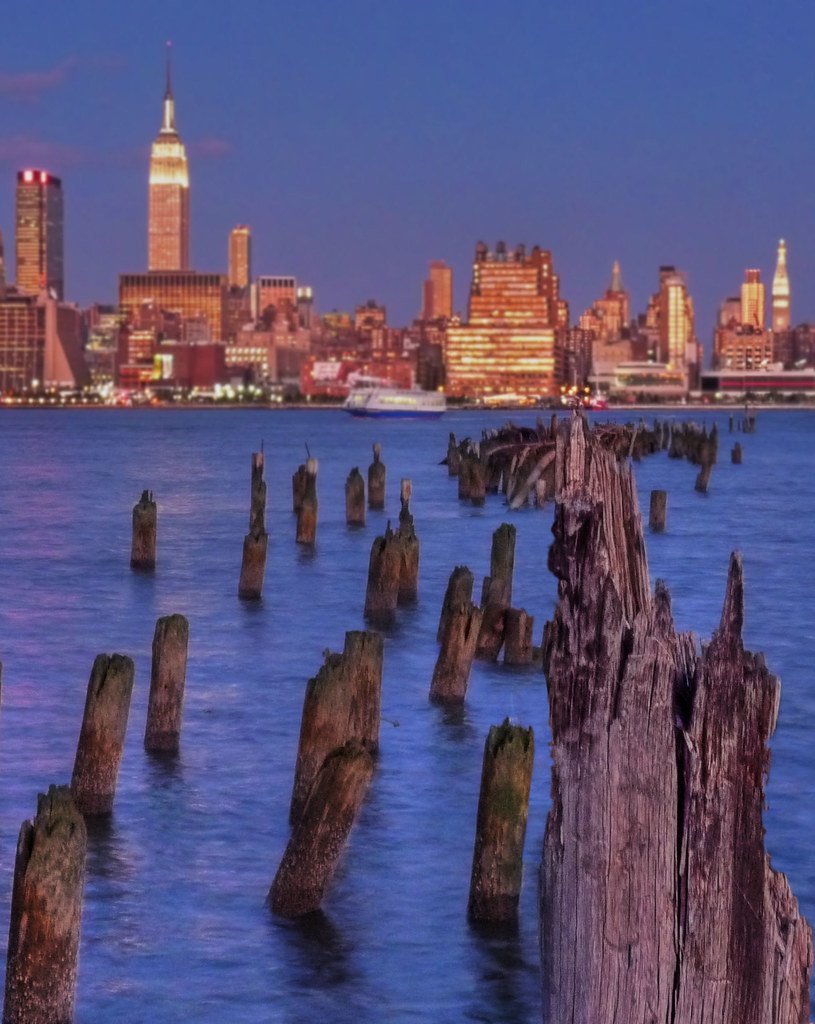
Hudson River
What to know
Habitat Distribution
- In Vermont waters, they typically inhabit highly vegetated sections of lake shores and slower river sections.
Key Locations
- Lake Champlain and a few of its lower tributaries.
Specific Spots
- Target Lake Champlain's shallow, marshy bays and vegetated shoreline areas, particularly back eddies and deep-water pockets off the main channel.
- Often found in shallow, marshy bays around vegetation where they can be spotted sunning themselves on the surface or lying in wait to ambush prey.
Longnose Gar FAQ
Answers from onWater's species guide.
What flies work for Longnose Gar in Vermont?
The most effective approach uses hookless rope flies made from unbraided nylon rope, 6-9 inches long. In Vermont, flies must legally have a hook point, so attach a size 16-20 hook to the shank. Spring fish respond well to smaller patterns like Woolly Buggers.
When is the best time to fish for Longnose Gar in Vermont?
In Vermont, Longnose Gar are available to anglers from May through September, with the warmest months being optimal fishing time. They spawn in late spring to early summer (avoid fishing during this period).
How do you catch Longnose Gar in Vermont?
Cast the fly a few feet beyond and in front of the fish - never set the hook immediately when the gar strikes. Instead, let the gar chew on the rope fly for several seconds to allow their teeth to become entangled, then apply steady pressure. Gar will readily chase lures out of curiosity and strike aggressively.
What do Longnose Gar eat?
As opportunistic predators, young gar start by eating invertebrates until around 2 inches long, then switch to consuming fish. Adults feed voraciously on small fish species, crayfish, frogs, and even small rodents, using quick burst speeds to ambush prey with impressive sideways neck-snapping strikes.
Where do Longnose Gar live in Vermont?
In Vermont waters, they typically inhabit highly vegetated sections of lake shores and slower river sections.
Fish smarter with real-time insights
Whether you're en route and conditions shift or you're looking for the best spot based on current flows, we enable you to make informed decisions on the fly.




See it in the app
Most maps show you water.
onWater shows you Longnose Gar.



- 01 · Species map filter
Map every Longnose Gar water
Pick Longnose Gar and the map zeroes in on the waters they call home. No more guessing which lake holds them.
- 02 · Waterbody species
Tap any water. See what lives there.
Species, behavior and seasonal patterns for every lake, river and pond, before you leave the driveway.
- 03 · Angler Intelligence
Ask how to catch Longnose Gar
Tactics, gear and timing from onWater's AI fishing guide, tuned to the species and the water you're on.
Stop guessing where Longnose Gar are.
Open the map, filter by Longnose Gar, and head to water that holds them. Download onWater and plan your next trip in minutes.
- Species map filter
- Angler Intelligence
- Fishing journal
Explore other species
Trout, bass, salmon, panfish and everything in between. Each guide unpacks the behavior, seasons, and tactics that put fish in the net.
No species information available.
Vermont licenses and regulations
Explore nearby waters
Explore Vermont waters
Top fishing waters
Popular Cities
Loading popular cities...

Smarter Fishing Starts in the App.
onWater Fish gives you everything you need to plan smarter, fish better, and own every trip from first cast to last.