White Sucker

White Sucker are widely distributed throughout Vermont lakes and rivers, representing a valuable native species despite being often dismissed as 'trash fish.'
Scientific Name: Catostomus commersonii
- These elongated, cylindrical fish have large heads with distinctive 'sucker' shaped mouths featuring fleshy lips on the underside for bottom feeding.
- They can live up to 17 years and reach lengths up to 25 inches.
Fishing in Vermont

Lake Champlain
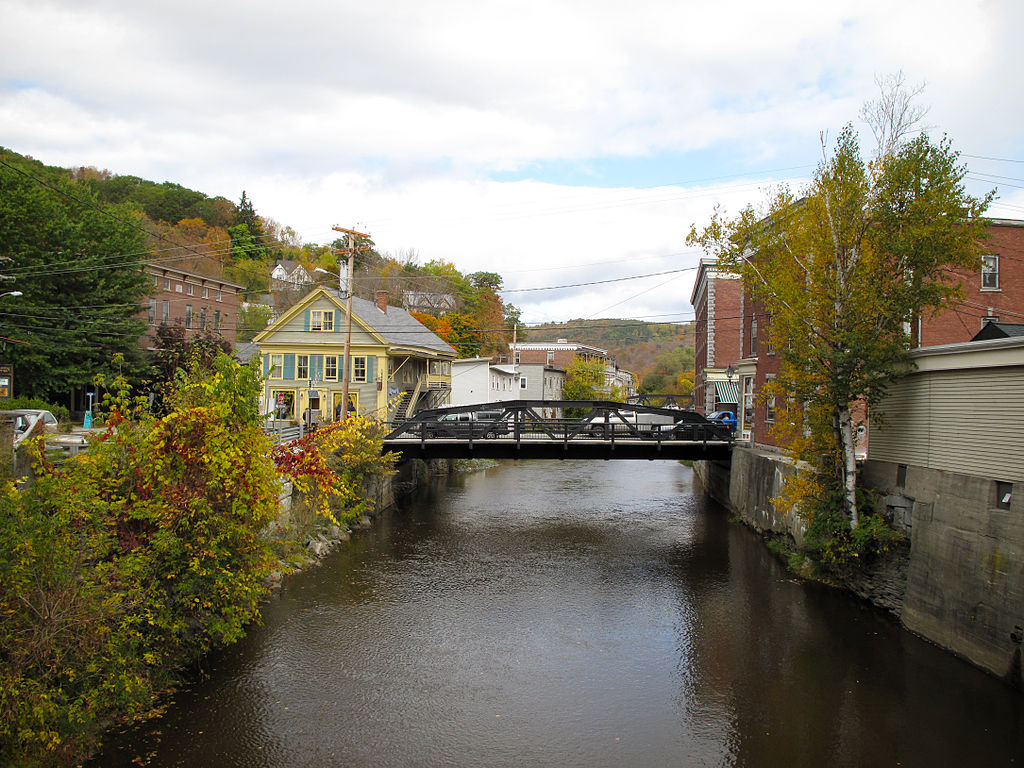
Winooski River
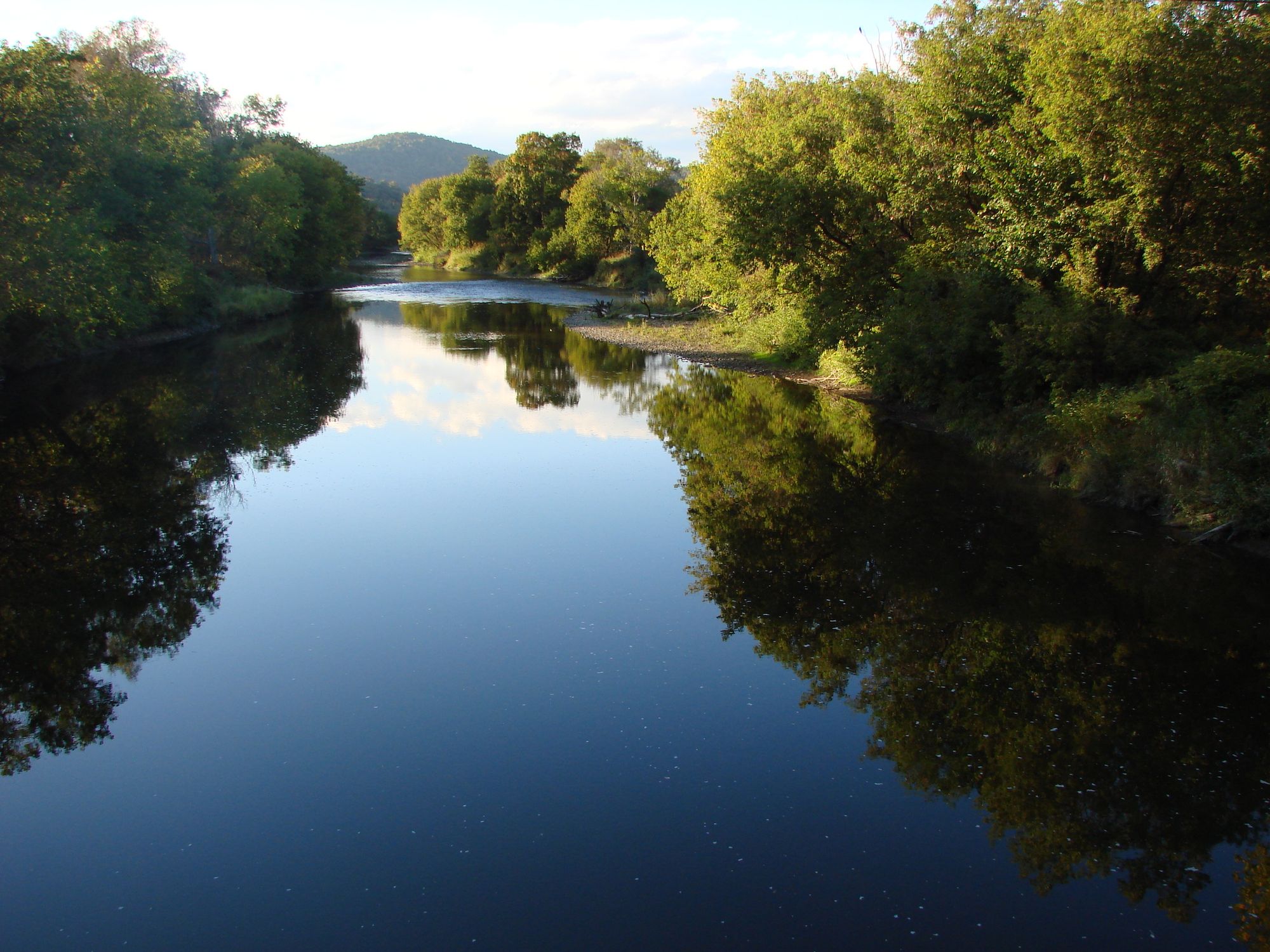
Lamoille River

Otter Creek
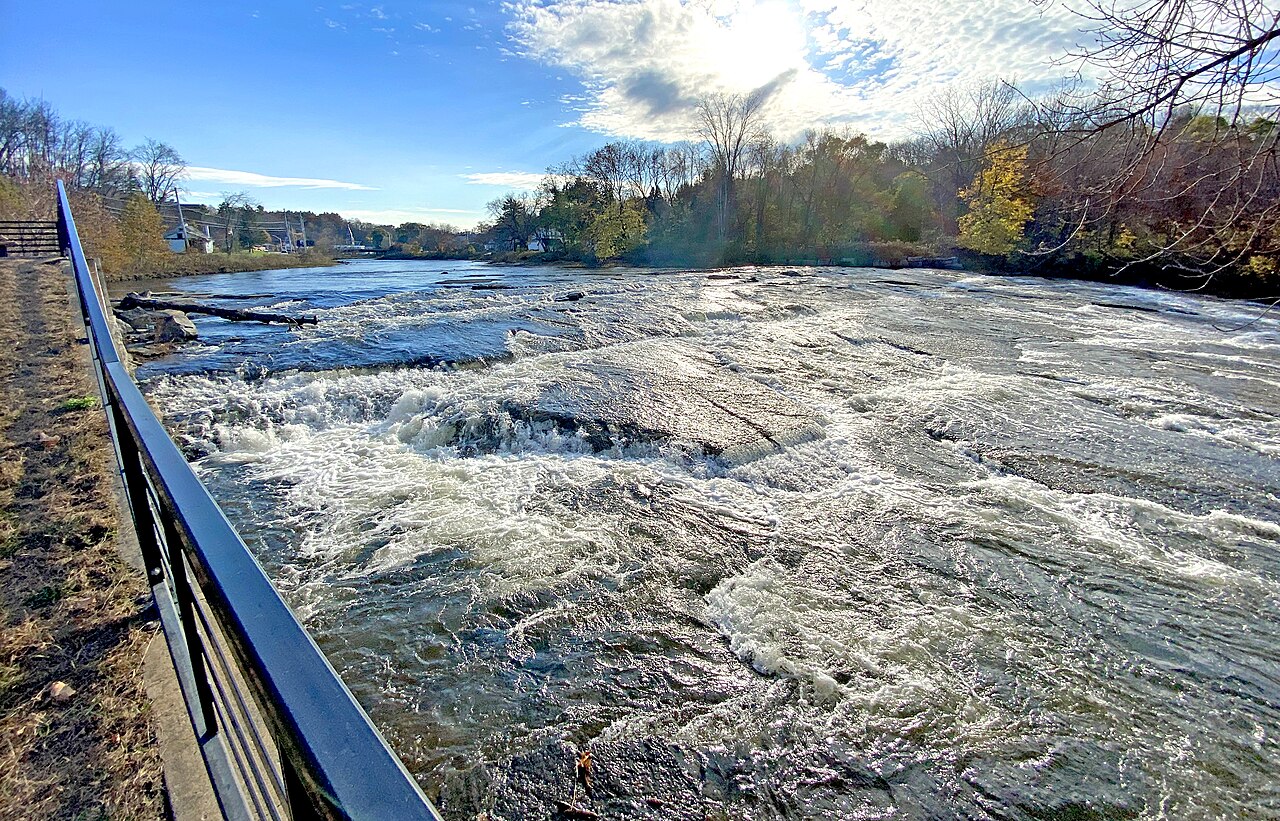
Boquet River
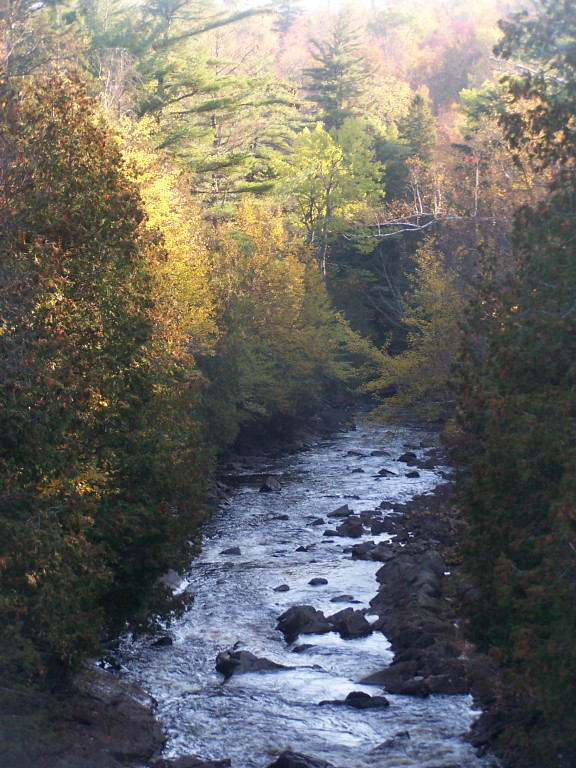
Saranac River

Lake George
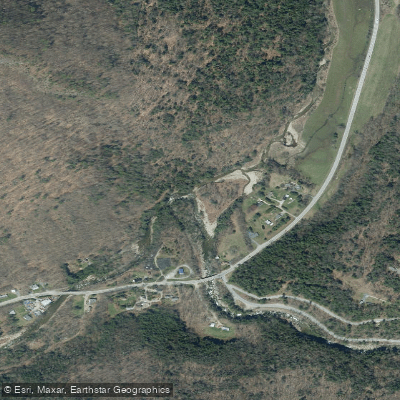
New Haven River
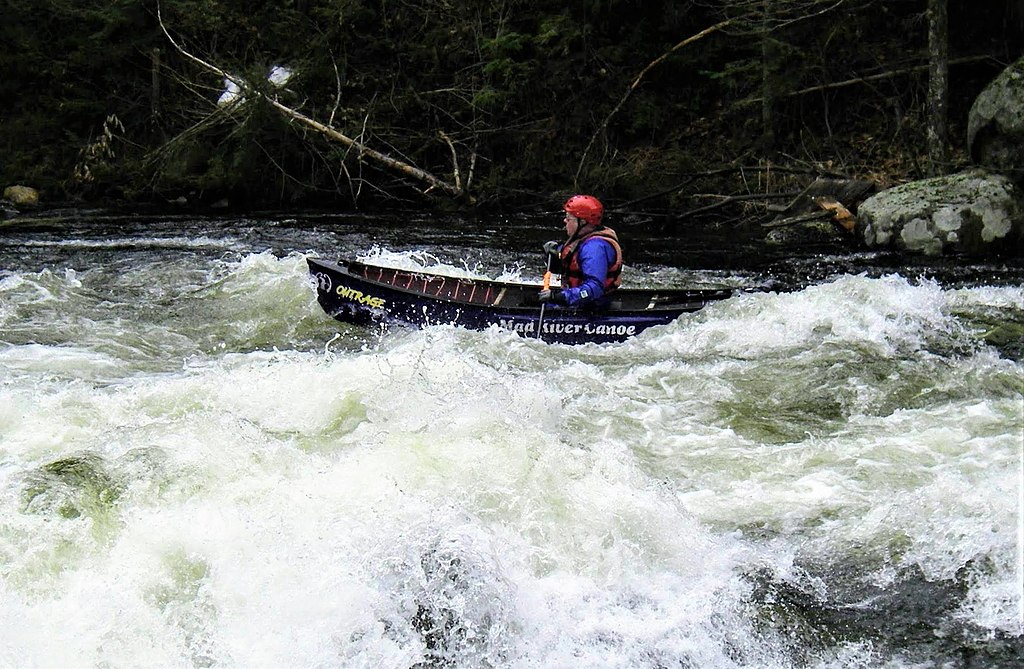
Schroon River

Hudson River
What to know
Habitat Distribution
- Inhabit diverse Vermont waters from warm shallow ponds to deep large lakes, small cold rivers to large low-gradient rivers, staying close to bottom substrates ranging from silt and mud to cobble and gravel.
Key Locations
- Mill Brook in Chittenden County has documented catches.
Specific Spots
- Look for them near bottom structures, in deep pools of streams, shallow waters during evening hours, and areas with moderate current.
- They're often visible in shallow water with tails moving in current.
- Productive spots include inlets where current empties into streams, areas near waterfalls, dams, and overflows.
White Sucker FAQ
Answers from onWater's species guide.
What are the best lures and bait for White Sucker in Vermont?
Garden worms, nightcrawlers, and 'pack bait' (softened grains formed into dough).
What flies work for White Sucker in Vermont?
Small Prince Nymphs (size 14), Pheasant Tail nymphs, small Wooly Buggers, traditional bucktails, Thundercreek-style flies, and sparse smelt imitations tied with bucktail and marabou. Classic streamers work particularly well in low, clear water conditions.
When is the best time to fish for White Sucker in Vermont?
Year-round fishing available. Spring offers excellent opportunities as they're more active before spawning (but avoid the April-June spawning period itself).
How do you catch White Sucker in Vermont?
White Suckers can be targeted year-round in Vermont. Spring offers excellent opportunities as they're more active before spawning (but avoid the April-June spawning period itself). Fish are more active at night when they move into shallower water, making evening fishing particularly effective.
What do White Sucker eat?
Young suckers feed on plankton and small invertebrates with terminal mouths, but as they grow beyond an inch, their mouths move to subterminal positions and they become bottom feeders. Adult diet includes mollusks, aquatic insect larvae (mostly midges), algae, crustaceans, and decayed organic materials.
Fish smarter with real-time insights
Whether you're en route and conditions shift or you're looking for the best spot based on current flows, we enable you to make informed decisions on the fly.




See it in the app
Most maps show you water.
onWater shows you White Sucker.



- 01 · Species map filter
Map every White Sucker water
Pick White Sucker and the map zeroes in on the waters they call home. No more guessing which lake holds them.
- 02 · Waterbody species
Tap any water. See what lives there.
Species, behavior and seasonal patterns for every lake, river and pond, before you leave the driveway.
- 03 · Angler Intelligence
Ask how to catch White Sucker
Tactics, gear and timing from onWater's AI fishing guide, tuned to the species and the water you're on.
Stop guessing where White Sucker are.
Open the map, filter by White Sucker, and head to water that holds them. Download onWater and plan your next trip in minutes.
- Species map filter
- Angler Intelligence
- Fishing journal
Explore other species
Trout, bass, salmon, panfish and everything in between. Each guide unpacks the behavior, seasons, and tactics that put fish in the net.
No species information available.
Vermont licenses and regulations
Explore nearby waters
Explore Vermont waters
Top fishing waters
Popular Cities
Loading popular cities...

Smarter Fishing Starts in the App.
onWater Fish gives you everything you need to plan smarter, fish better, and own every trip from first cast to last.