Walleye

Walleye are Vermont's official state warmwater fish and the largest member of the perch family.
Scientific Name: Sander vitreus
- They're characterized by large, silvery eyes with a reflective tapetum lucidum that gives them excellent low-light vision, olive-brown to golden-yellow flanks, and a milky belly.
- Their first dorsal fin is dusky colored and spotless, distinguishing them from the similar sauger.
Fishing in Vermont
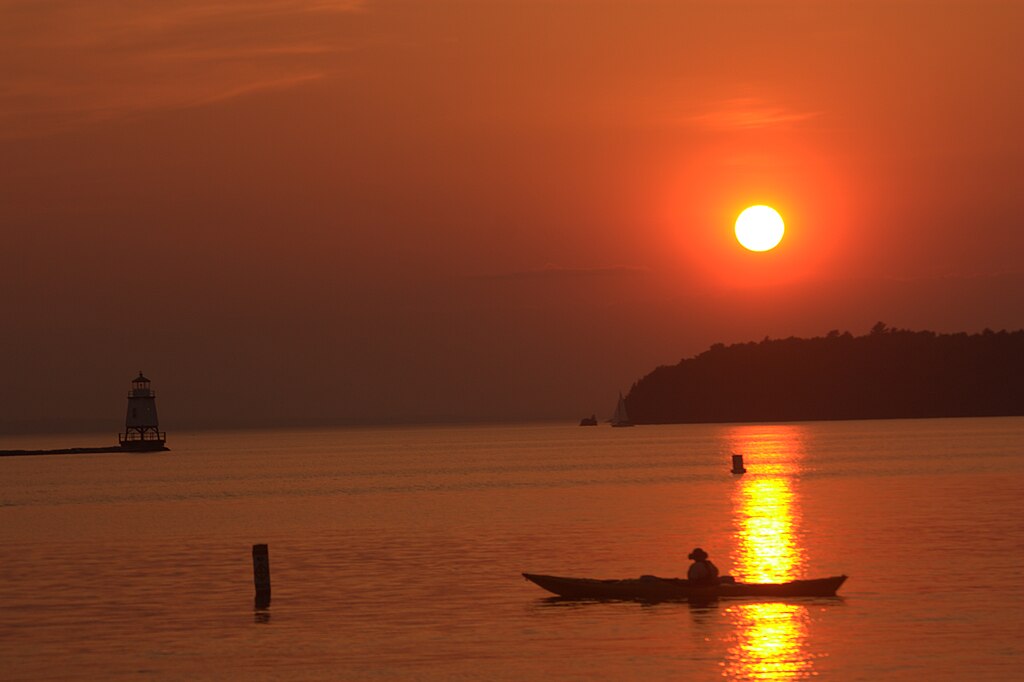
Lake Champlain
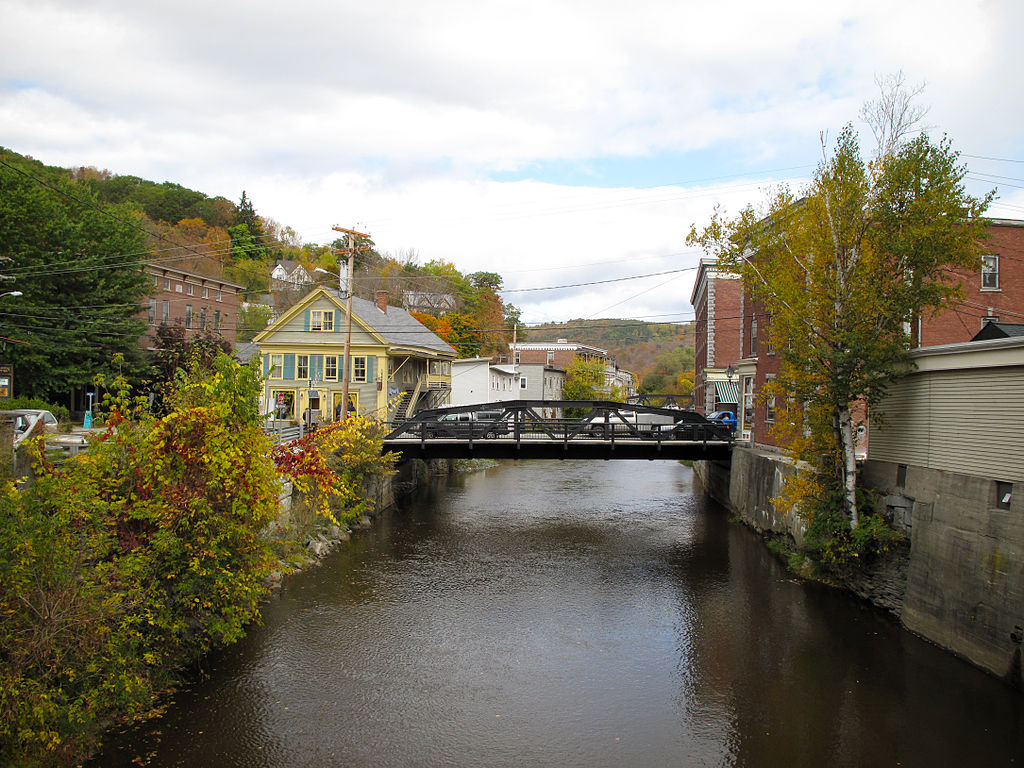
Winooski River
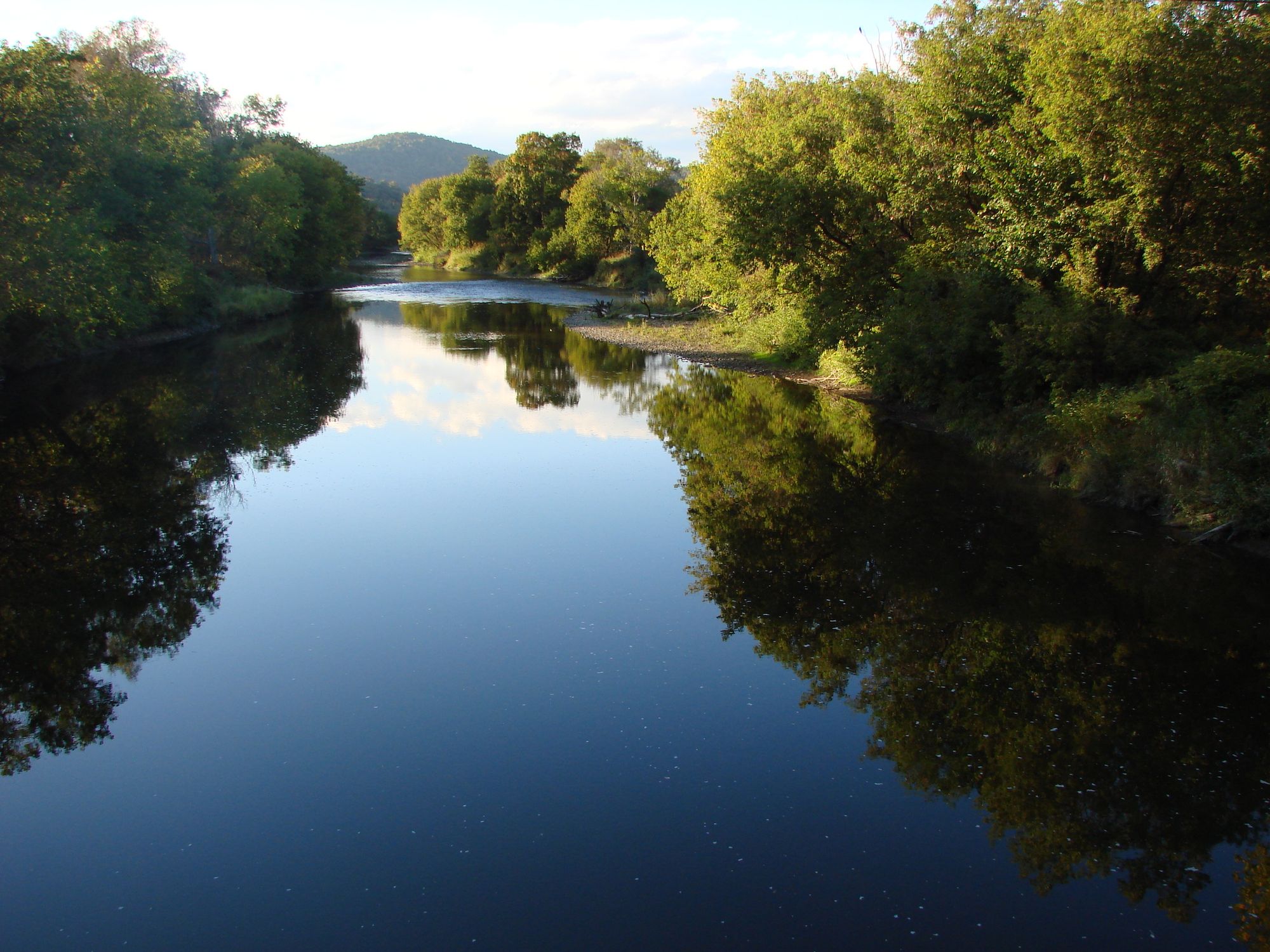
Lamoille River
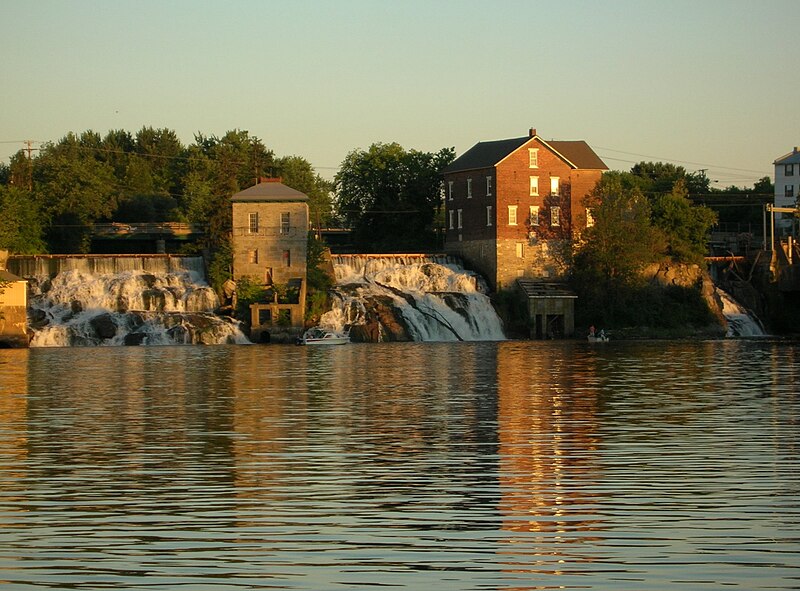
Otter Creek
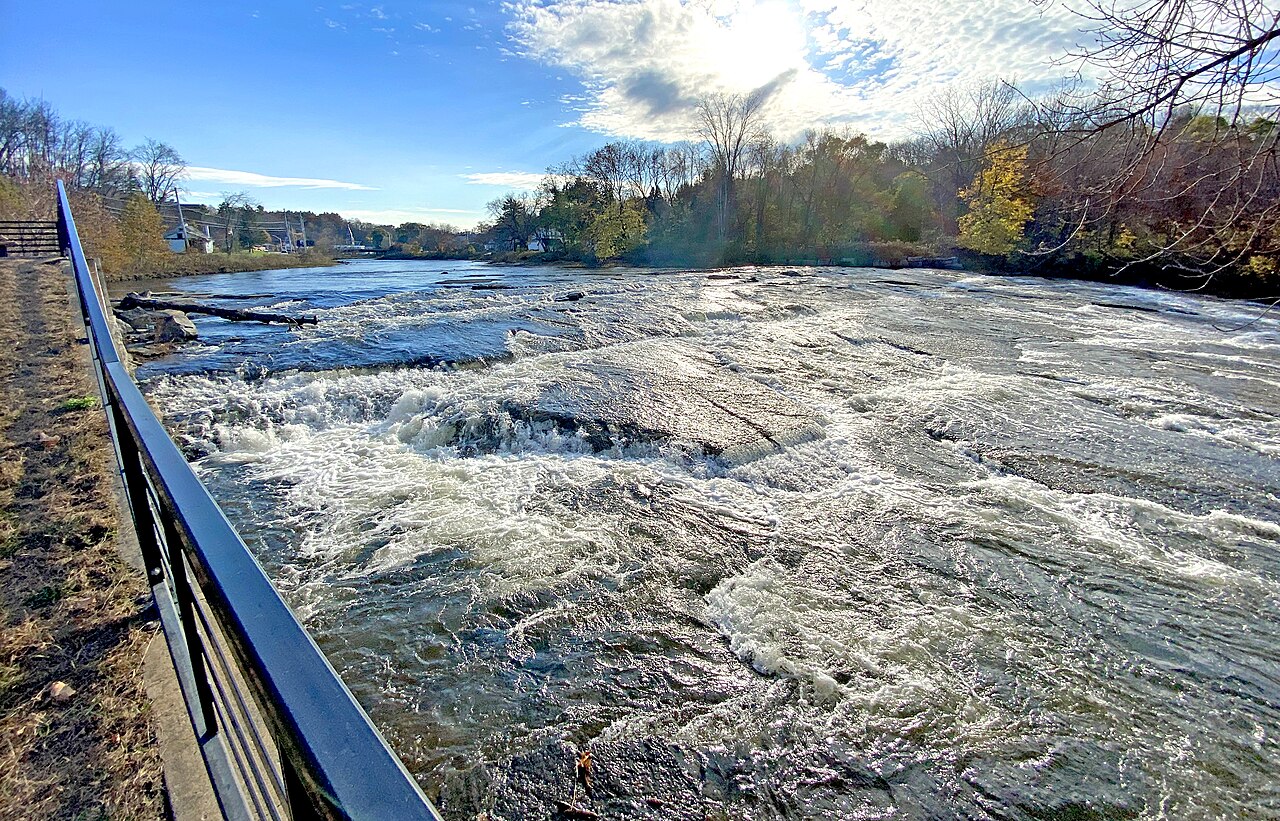
Boquet River
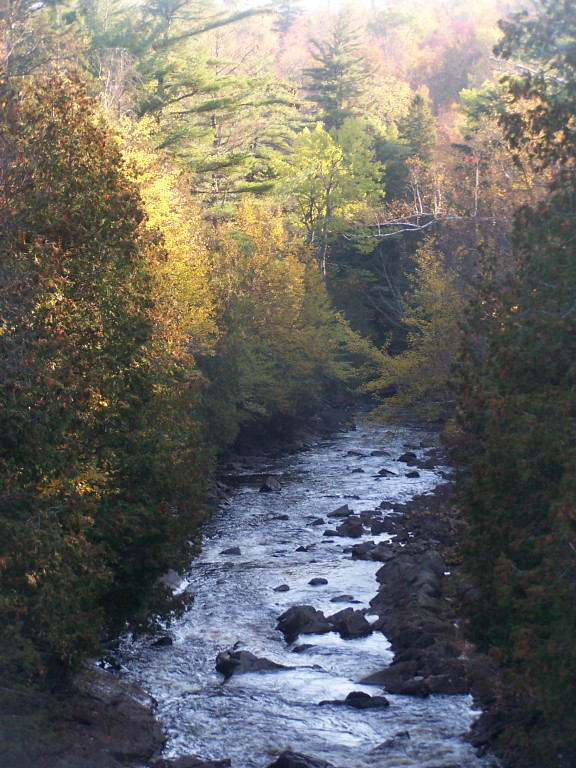
Saranac River
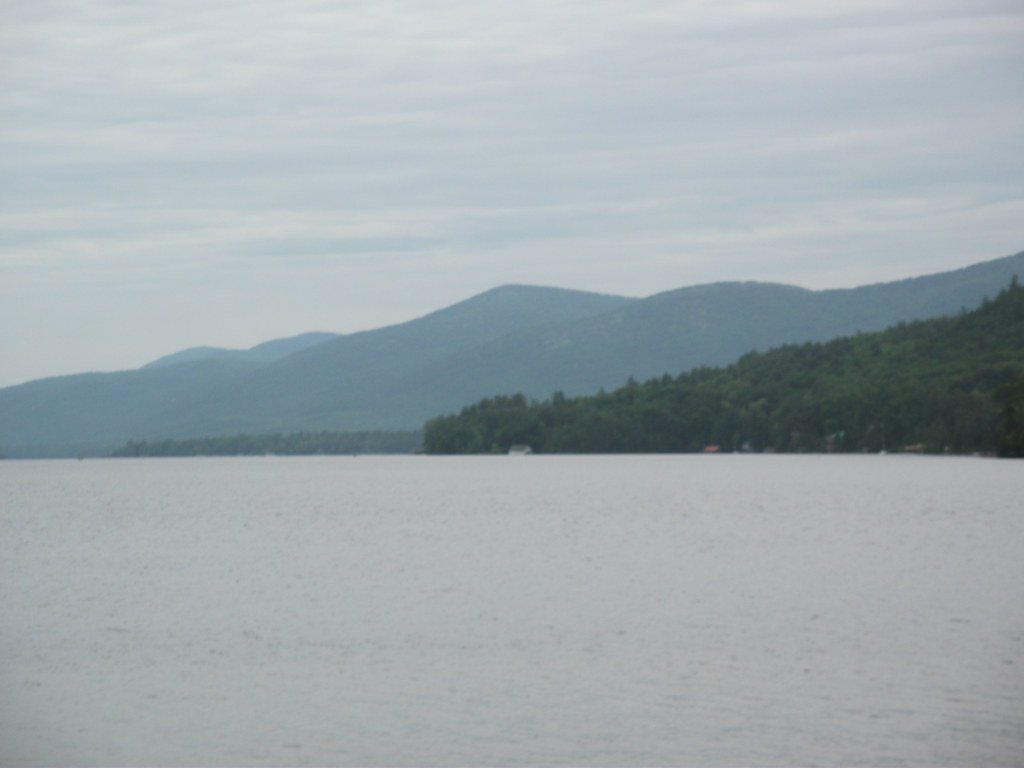
Lake George
New Haven River
Schroon River
Hudson River
What to know
Habitat Distribution
- Though not as widespread as other Vermont species, walleye populations exist in specific waters throughout Vermont.
Key Locations
- Lake Champlain and its tributaries (Missisquoi, Lamoille, and Winooski rivers, plus Otter Creek), Lake Carmi, Chittenden Reservoir, Connecticut River, Island Pond, and Salem Lake.
Specific Spots
- Target sand, gravel, or rocky bottom areas, submerged weed edges, and sunken trees or logs where they ambush prey.
- On Lake Champlain, fish the extensive reef systems and dropoffs.
- In rivers, focus on current seams and deeper pools.
- They spawn in shallow rocky areas and tributaries.
Walleye FAQ
Answers from onWater's species guide.
What are the best lures and bait for Walleye in Vermont?
Nightcrawler harnesses with rotating blades, jigheads tipped with nightcrawlers, minnows, or leeches, minnow-shaped crankbaits. Popular colors are white, brown, black, purple, olive, chartreuse/yellow, and red/black combinations.
What flies work for Walleye in Vermont?
Productive patterns include Woolly Buggers, Clouser Minnows, sculpin patterns (brown, black, olive), balanced leeches under indicators, and crawfish flies in tan, brown, or orange.
When is the best time to fish for Walleye in Vermont?
Walleye season in Vermont runs from the first Saturday in May through March 15. Prime fishing happens in spring and early summer shortly after season opener, and again in fall when they move back to shallow areas. Fish deeper areas during summer heat when walleye retreat to cooler water.
How do you catch Walleye in Vermont?
Effective techniques include: trolling nightcrawler harnesses near bottom with rotating blades for flash and vibration; jigging with jigheads tipped with nightcrawlers, minnows, or leeches; and casting/retrieving minnow-shaped crankbaits.
What do Walleye eat?
Walleye are primarily piscivorous, feeding heavily on yellow perch, ciscoes, crayfish, minnows, and leeches. Larger walleye target larger prey for better energy return.
Fish smarter with real-time insights
Whether you're en route and conditions shift or you're looking for the best spot based on current flows, we enable you to make informed decisions on the fly.




See it in the app
Most maps show you water.
onWater shows you Walleye.



- 01 · Species map filter
Map every Walleye water
Pick Walleye and the map zeroes in on the waters they call home. No more guessing which lake holds them.
- 02 · Waterbody species
Tap any water. See what lives there.
Species, behavior and seasonal patterns for every lake, river and pond, before you leave the driveway.
- 03 · Angler Intelligence
Ask how to catch Walleye
Tactics, gear and timing from onWater's AI fishing guide, tuned to the species and the water you're on.
Stop guessing where Walleye are.
Open the map, filter by Walleye, and head to water that holds them. Download onWater and plan your next trip in minutes.
- Species map filter
- Angler Intelligence
- Fishing journal
Explore other species
Trout, bass, salmon, panfish and everything in between. Each guide unpacks the behavior, seasons, and tactics that put fish in the net.
No species information available.
Vermont licenses and regulations
Explore nearby waters
Explore Vermont waters
Top fishing waters
Popular Cities
Loading popular cities...

Smarter Fishing Starts in the App.
onWater Fish gives you everything you need to plan smarter, fish better, and own every trip from first cast to last.