Brown Bullhead

Brown Bullhead are the most common member of the catfish family in Vermont.
These hardy fish thrive in diverse habitats including shallow lakes, ponds, and slow-moving rivers with muddy conditions and low oxygen levels - environments where other fish struggle to survive.
Scientific Name: Ameiurus nebulosus
Also known as horned pout, bullpout, mud pout, hornpout
- These hardy fish have smooth, olive-brown to dark-brown flanks with sharp spines on their dorsal and pectoral fins, and a broad, flat mouth surrounded by six dark, whisker-like barbels that distinguish them from yellow bullhead.
Fishing in Vermont
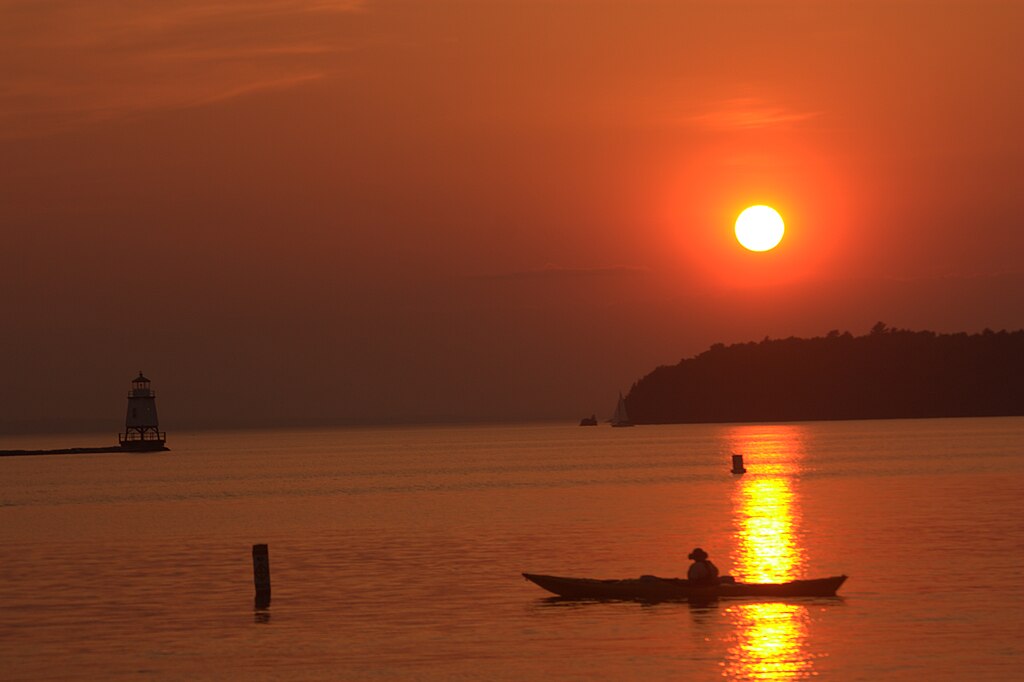
Lake Champlain
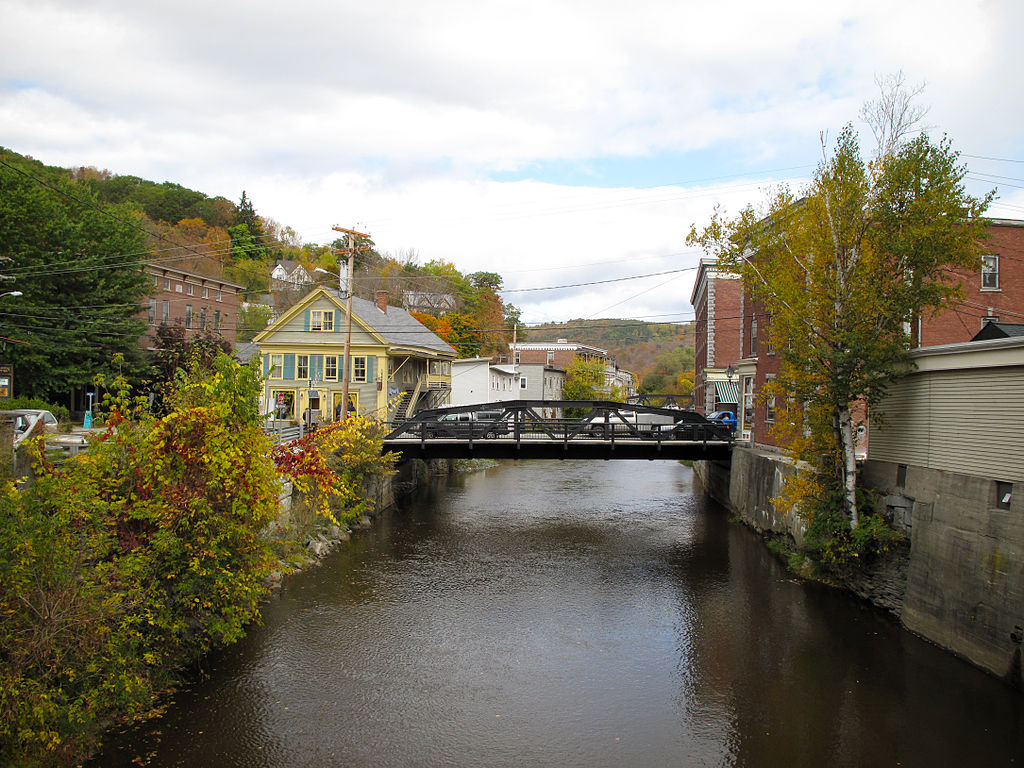
Winooski River
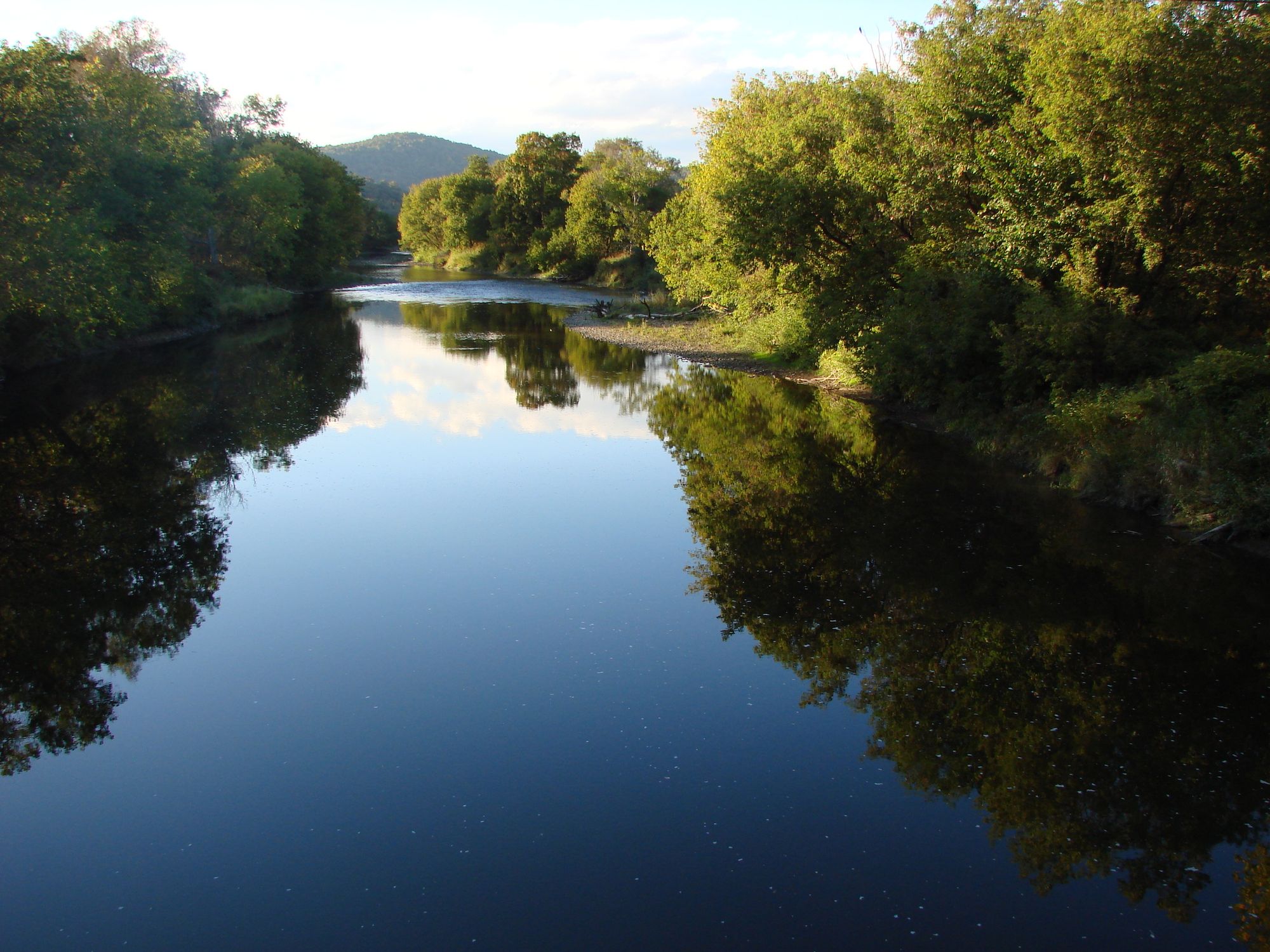
Lamoille River
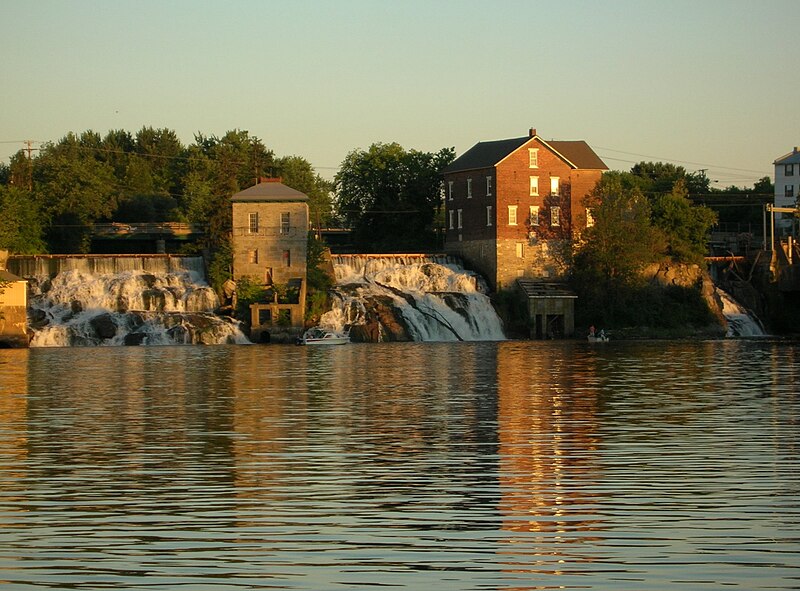
Otter Creek
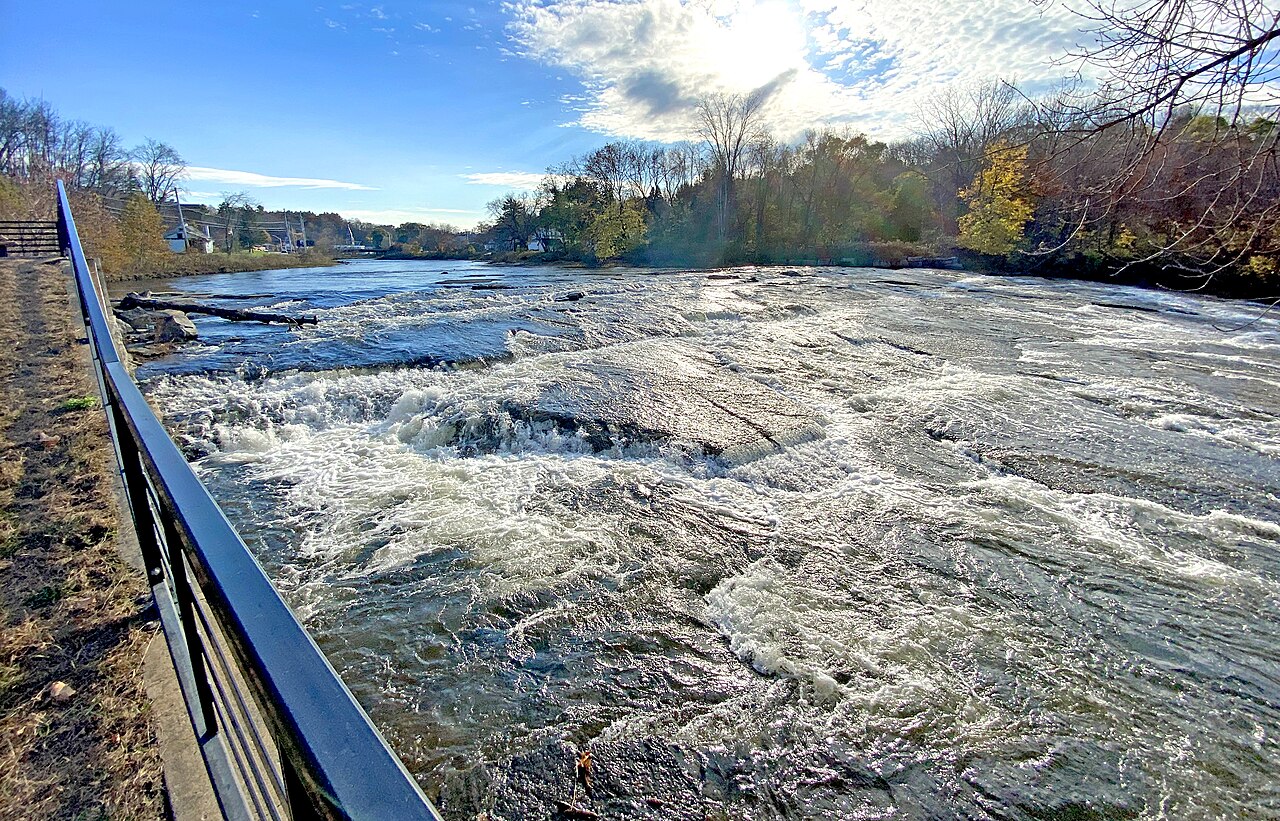
Boquet River
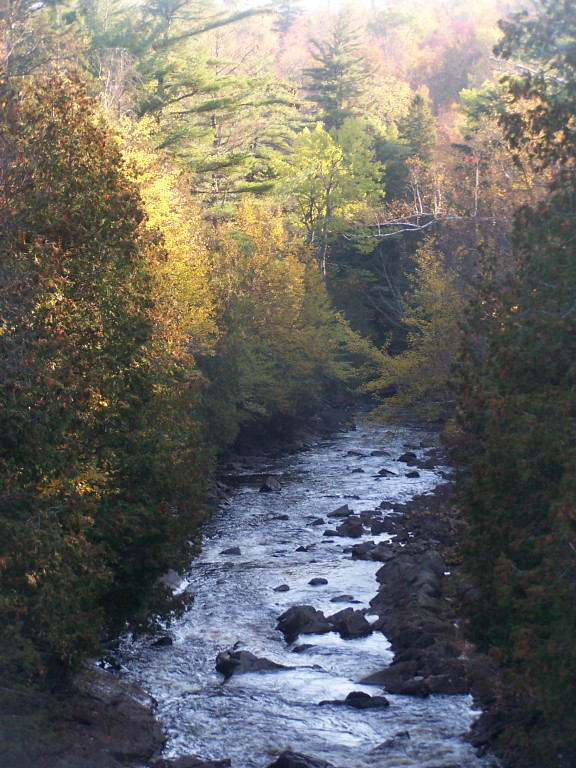
Saranac River
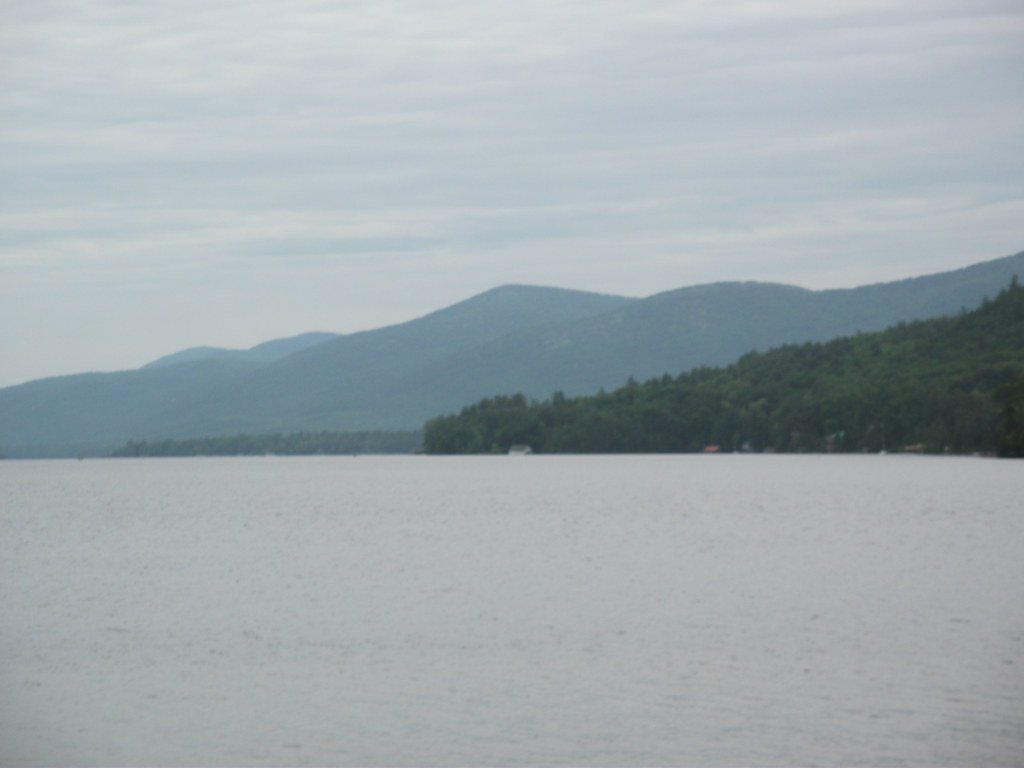
Lake George
New Haven River
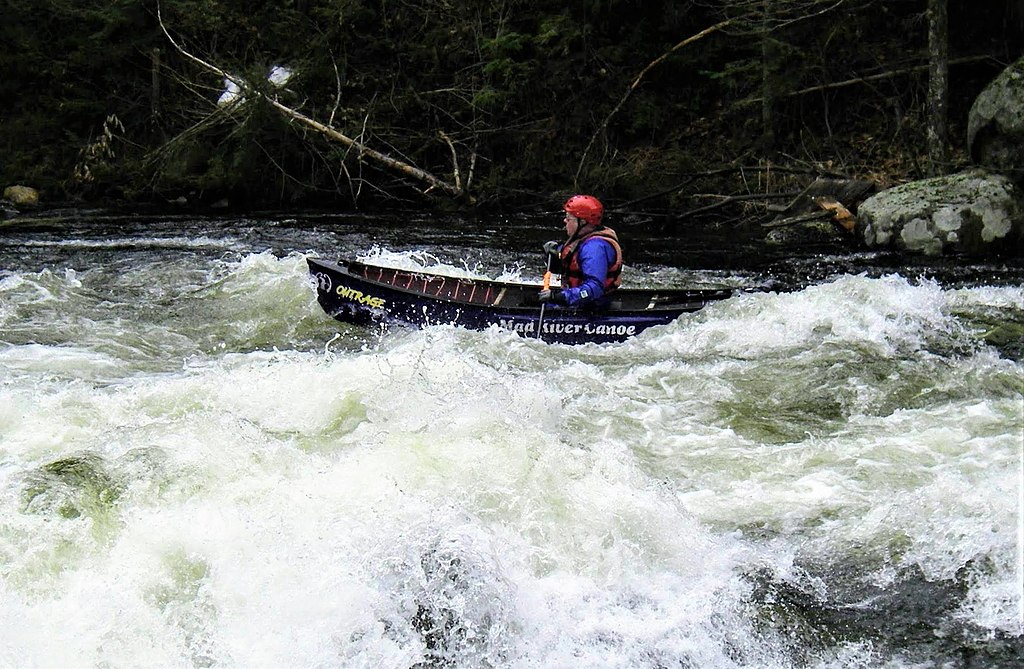
Schroon River
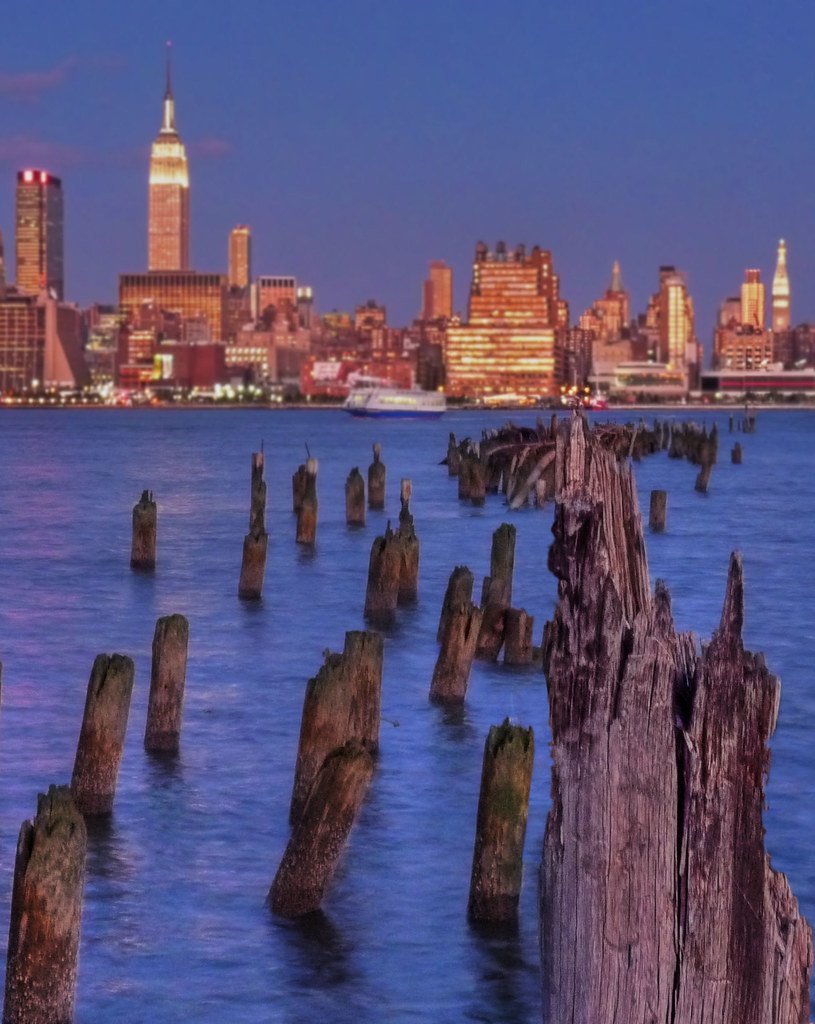
Hudson River
What to know
Habitat Distribution
- Found throughout Vermont in diverse habitats including shallow lakes, ponds, and slow-moving rivers with muddy conditions and low oxygen levels.
Key Locations
- Lake Champlain, Lake Memphremagog, Lake Carmi, Lake Hortonia, Poultney River, Cogman Creek, Connecticut River, Curtis Pond, Shelburne Bay, Lower Winooski River, and numerous smaller ponds.
- Prime locations include Lakes Champlain, Memphremagog, Carmi, Hortonia, plus rivers like the Poultney, Connecticut, and Lower Winooski.
Specific Spots
- Fish in shallow areas with soft, muddy bottoms and vegetation.
- Look for slow-moving water sections in rivers and shallow bays of larger lakes.
Brown Bullhead FAQ
Answers from onWater's species guide.
What are the best lures and bait for Brown Bullhead in Vermont?
The most productive baits are large nightcrawlers (especially pungent ones from compost piles), chopped chicken livers, dough balls, bread balls, minnows, cut bait, and corn.
When is the best time to fish for Brown Bullhead in Vermont?
Spring through fall offers excellent fishing, with spring being particularly productive as fish move shallow for spawning activities. Fish in the pre-spawn period when bullhead move into shallower water and tributaries.
How do you catch Brown Bullhead in Vermont?
Still-fishing with rod propped on a stick, slow bottom presentations with jigs and weighted baits. Use a clothespin on your line to detect subtle bites, as bullhead often take bait gently.
What do Brown Bullhead eat?
These nocturnal bottom feeders are omnivorous, eating worms, leeches, vegetation, snails, smaller fish, aquatic insects, crayfish, and even corn. They use their barbels to locate food since they have poor eyesight.
Where do Brown Bullhead live in Vermont?
Found throughout Vermont in diverse habitats including shallow lakes, ponds, and slow-moving rivers with muddy conditions and low oxygen levels.
Fish smarter with real-time insights
Whether you're en route and conditions shift or you're looking for the best spot based on current flows, we enable you to make informed decisions on the fly.




See it in the app
Most maps show you water.
onWater shows you Brown Bullhead.



- 01 · Species map filter
Map every Brown Bullhead water
Pick Brown Bullhead and the map zeroes in on the waters they call home. No more guessing which lake holds them.
- 02 · Waterbody species
Tap any water. See what lives there.
Species, behavior and seasonal patterns for every lake, river and pond, before you leave the driveway.
- 03 · Angler Intelligence
Ask how to catch Brown Bullhead
Tactics, gear and timing from onWater's AI fishing guide, tuned to the species and the water you're on.
Stop guessing where Brown Bullhead are.
Open the map, filter by Brown Bullhead, and head to water that holds them. Download onWater and plan your next trip in minutes.
- Species map filter
- Angler Intelligence
- Fishing journal
Explore other species
Trout, bass, salmon, panfish and everything in between. Each guide unpacks the behavior, seasons, and tactics that put fish in the net.
No species information available.
Vermont licenses and regulations
Explore nearby waters
Explore Vermont waters
Top fishing waters
Popular Cities
Loading popular cities...

Smarter Fishing Starts in the App.
onWater Fish gives you everything you need to plan smarter, fish better, and own every trip from first cast to last.