White Crappie
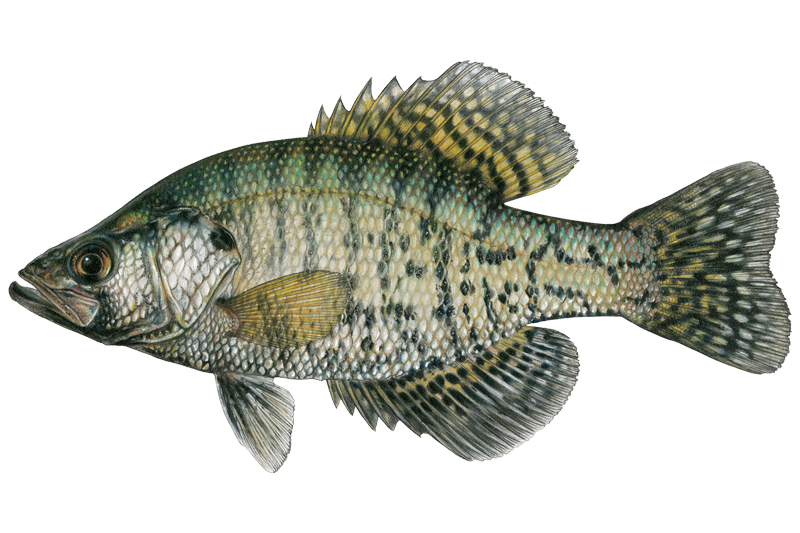
White Crappie in Vermont are exclusively found in Lake Champlain, making them unique among Vermont's panfish species.
Unlike black crappie which are distributed throughout the state, white crappie concentrate around offshore structure in Champlain's deeper waters.
Scientific Name: Pomoxis annularis
- Distinguished from black crappie by having 5-6 dorsal spines (versus 7-8) and display dark vertical bars rather than scattered spots.
- White crappie typically grow 9-10 inches and rarely exceed 2 pounds.
- During spawning season, males develop dark throat coloration.
Fishing in Vermont
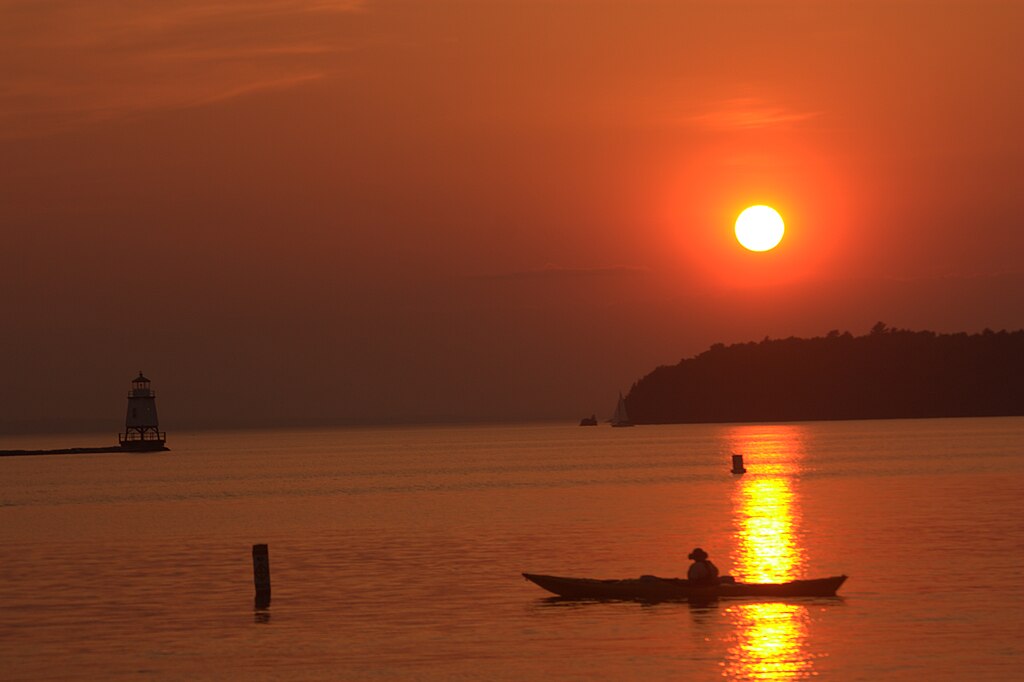
Lake Champlain
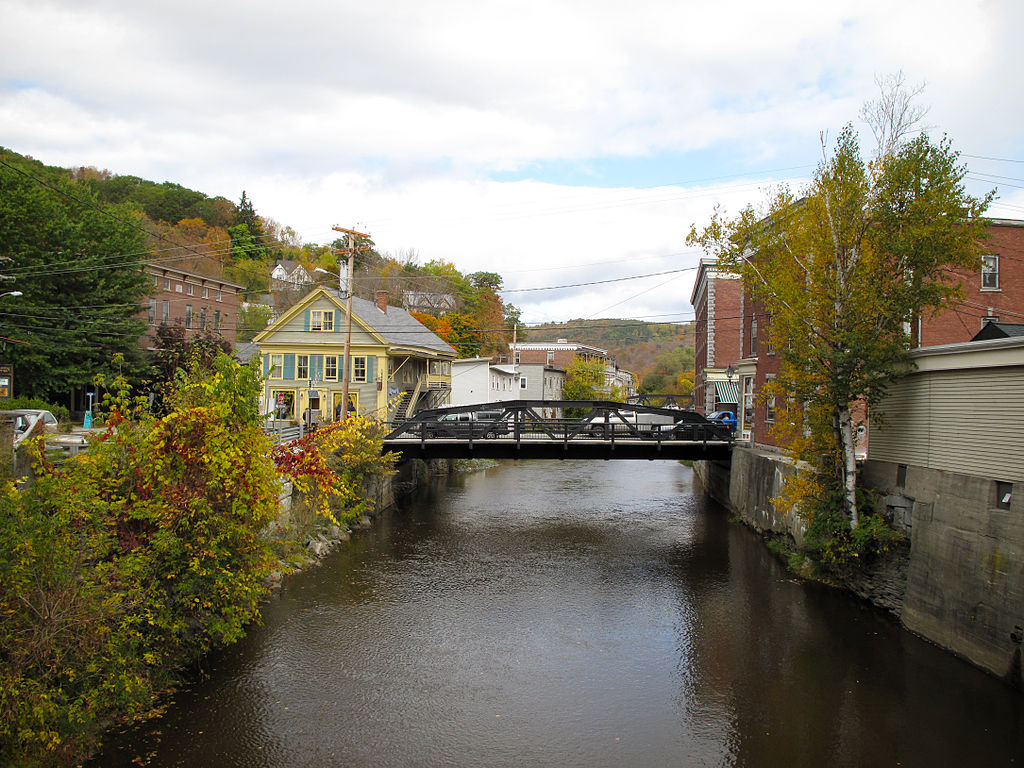
Winooski River
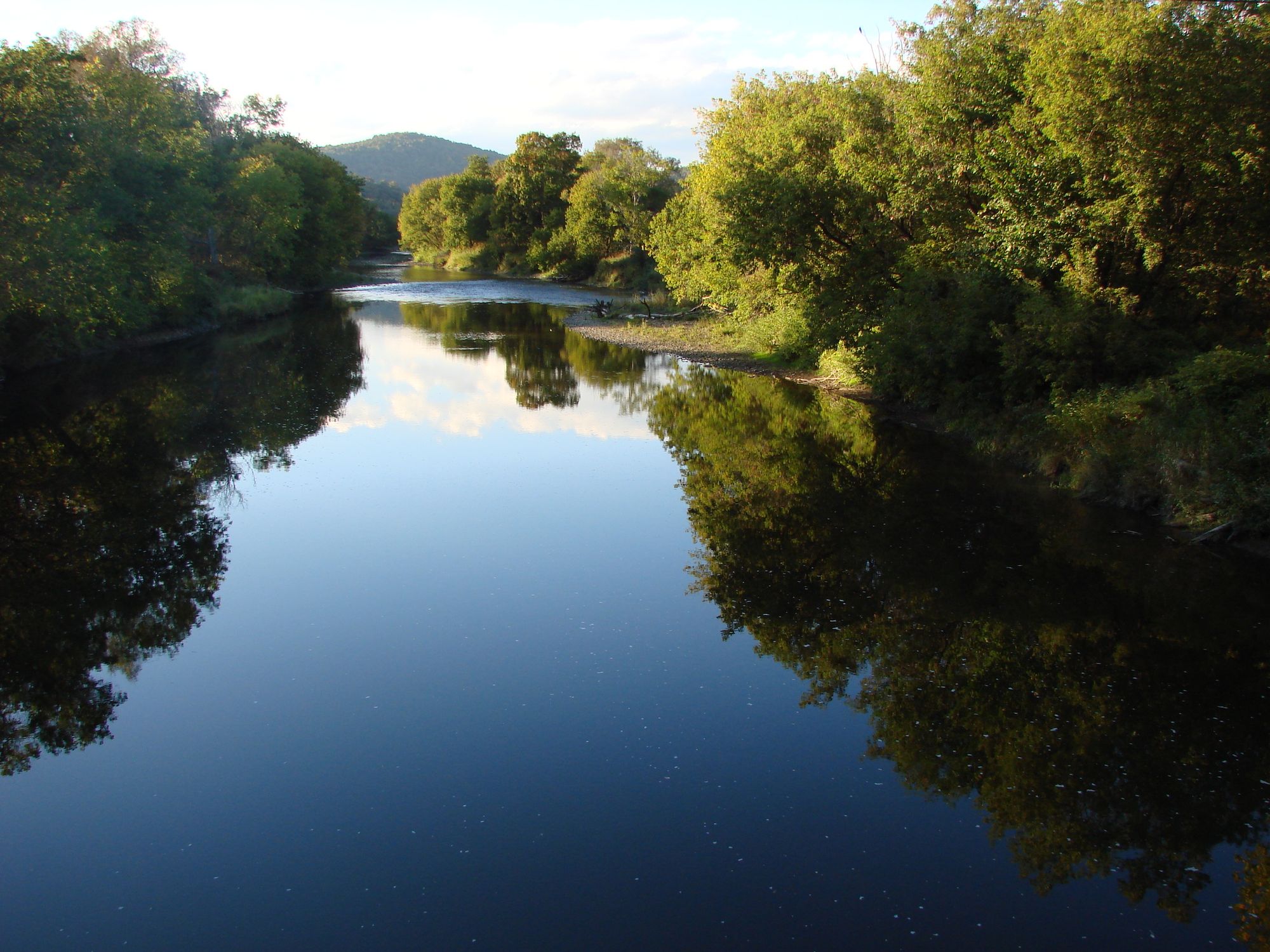
Lamoille River
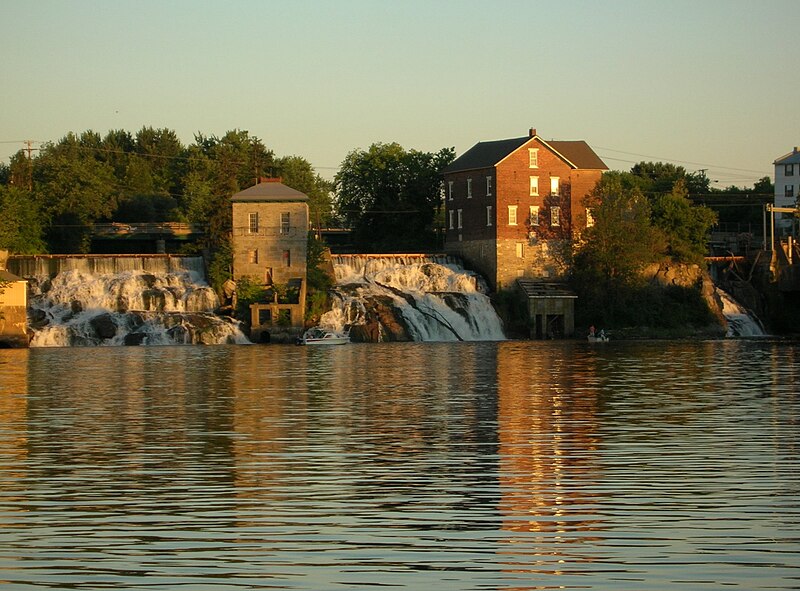
Otter Creek
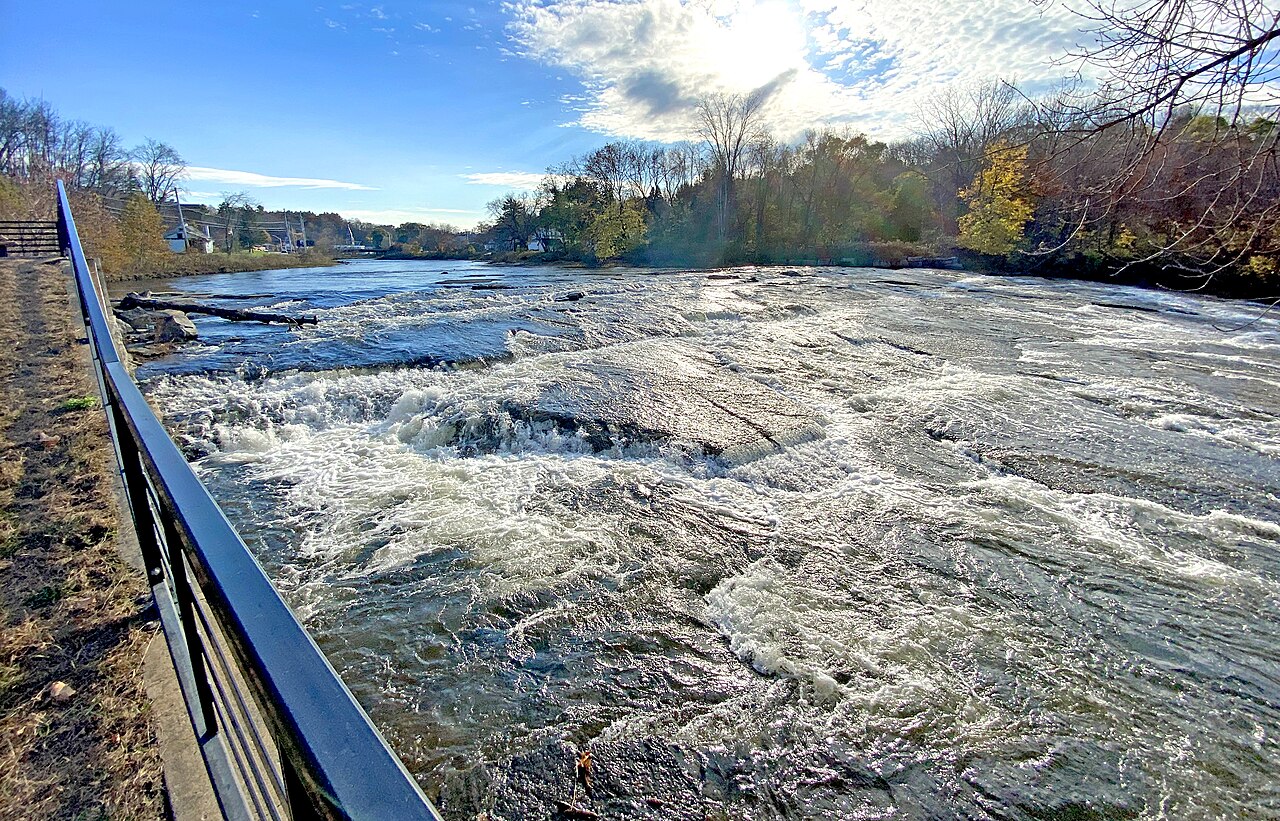
Boquet River
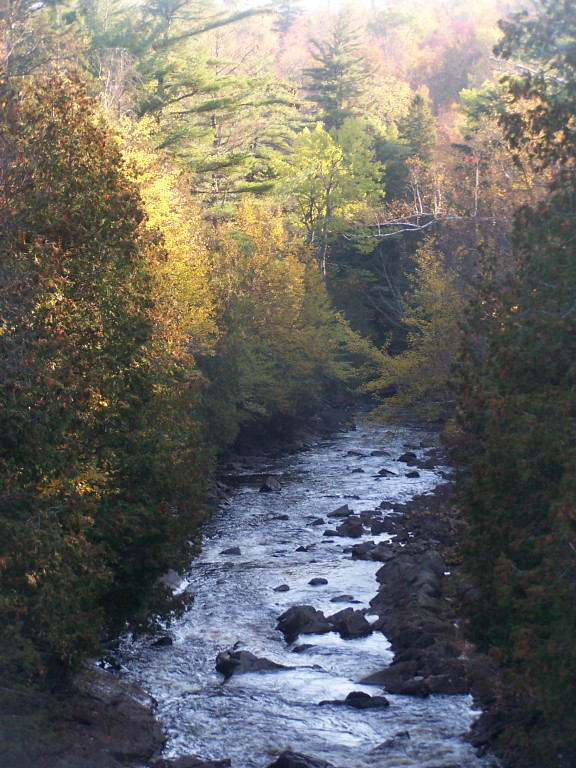
Saranac River
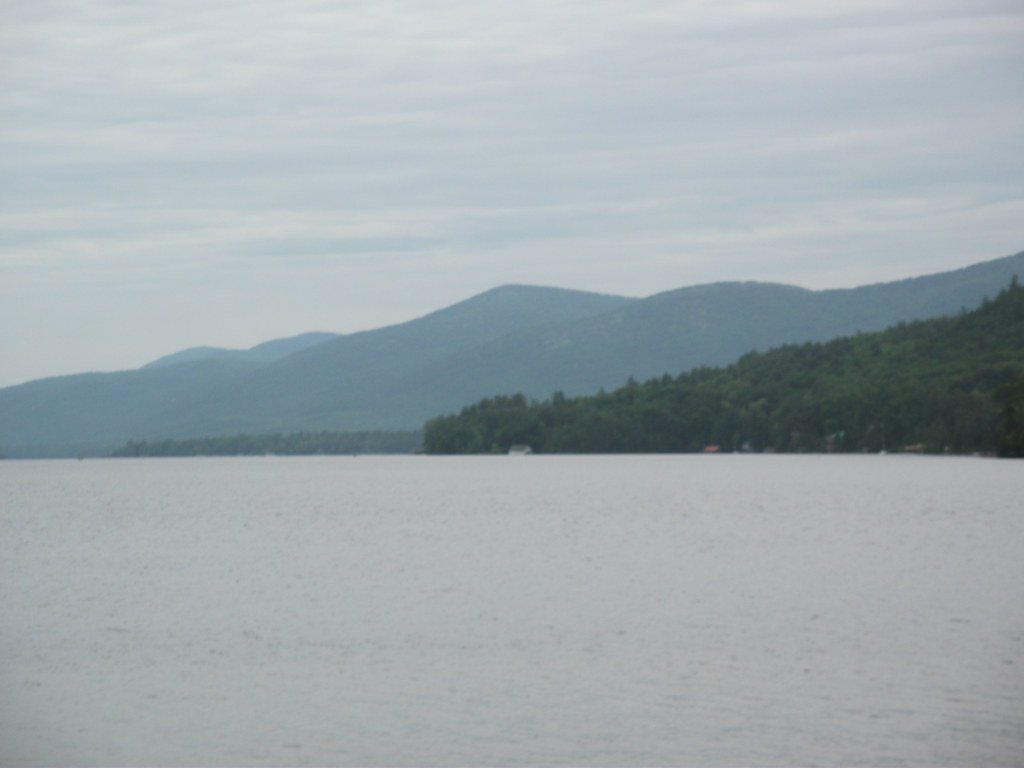
Lake George
New Haven River
Schroon River
Hudson River
What to know
Habitat Distribution
- Exclusively found in Lake Champlain.
- More tolerant of turbid waters than black crappie and prefer areas with little rooted aquatic vegetation.
Key Locations
- Lake Champlain.
- Lake Champlain's George Davis (Singing Cedars) access area in Orwell and other Champlain access points provide good launching opportunities.
Specific Spots
- Focus on areas 6-12 feet deep during the day around structure.
- In Lake Champlain, they can be found year-round but become less active in winter, moving to deeper, more stable waters.
White Crappie FAQ
Answers from onWater's species guide.
What flies work for White Crappie in Vermont?
Woolly buggers, seal fur leeches, and marabou leeches in sizes 2-12, with white, pink, and chartreuse being most successful. Small streamers that imitate baitfish work well.
When is the best time to fish for White Crappie in Vermont?
Spring offers the best fishing when water temperatures reach 62-65°F, as fish become aggressive during pre-spawn and spawning periods. However, avoid targeting bedding fish during the actual spawn in May-June to protect the fishery. Also accessible during ice fishing season, though they become less active.
How do you catch White Crappie in Vermont?
Vertical jigging techniques. In winter, use slow presentations and lighter lines. During ice fishing season, they require slower, more precise presentations.
What do White Crappie eat?
They feed using a saltatory (pause-and-travel) search strategy, with juveniles eating zooplankton and adults primarily consuming small fish like minnows and young American shad, plus large invertebrates such as crayfish.
Where do White Crappie live in Vermont?
Exclusively found in Lake Champlain. More tolerant of turbid waters than black crappie and prefer areas with little rooted aquatic vegetation.
Fish smarter with real-time insights
Whether you're en route and conditions shift or you're looking for the best spot based on current flows, we enable you to make informed decisions on the fly.




See it in the app
Most maps show you water.
onWater shows you White Crappie.



- 01 · Species map filter
Map every White Crappie water
Pick White Crappie and the map zeroes in on the waters they call home. No more guessing which lake holds them.
- 02 · Waterbody species
Tap any water. See what lives there.
Species, behavior and seasonal patterns for every lake, river and pond, before you leave the driveway.
- 03 · Angler Intelligence
Ask how to catch White Crappie
Tactics, gear and timing from onWater's AI fishing guide, tuned to the species and the water you're on.
Stop guessing where White Crappie are.
Open the map, filter by White Crappie, and head to water that holds them. Download onWater and plan your next trip in minutes.
- Species map filter
- Angler Intelligence
- Fishing journal
Explore other species
Trout, bass, salmon, panfish and everything in between. Each guide unpacks the behavior, seasons, and tactics that put fish in the net.
No species information available.
Vermont licenses and regulations
Explore nearby waters
Explore Vermont waters
Top fishing waters
Popular Cities
Loading popular cities...

Smarter Fishing Starts in the App.
onWater Fish gives you everything you need to plan smarter, fish better, and own every trip from first cast to last.