Atlantic Salmon

Atlantic Salmon in Vermont are landlocked populations that spend their entire lives in freshwater, identical to sea-run Atlantic salmon except for their habitat.
These prized gamefish exist in both Lake Champlain and Lake Memphremagog, though it's unclear if they were originally native to these waters.
The Lake Memphremagog population reproduces naturally with spawning in the Clyde River, while 2023 saw record returns in the Winooski River from Lake Champlain adults.
Most fisheries are supported by stocking programs, with the majority of lakes stocked in the Northeast Kingdom, plus Lake Champlain, Lake Dunmore, and Harriman Reservoir.
Scientific Name: Salmo salar
- Feature forked tails, silvery flanks, and black spots on the upper half of their bodies, with no spots on their adipose and tail fins (distinguishing them from brown trout).
Fishing in Vermont
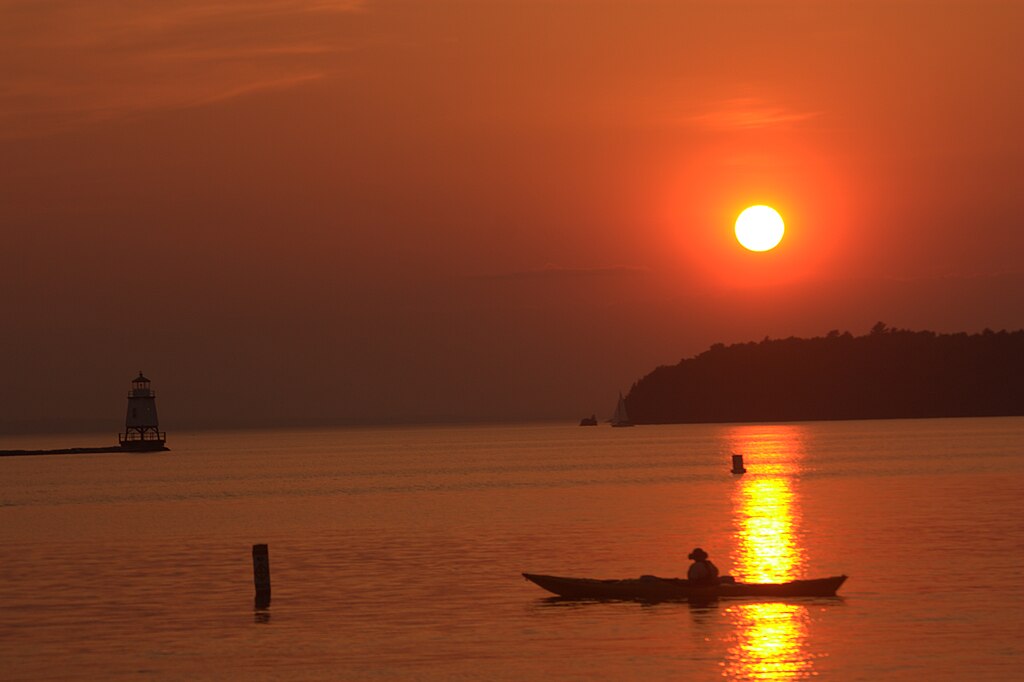
Lake Champlain
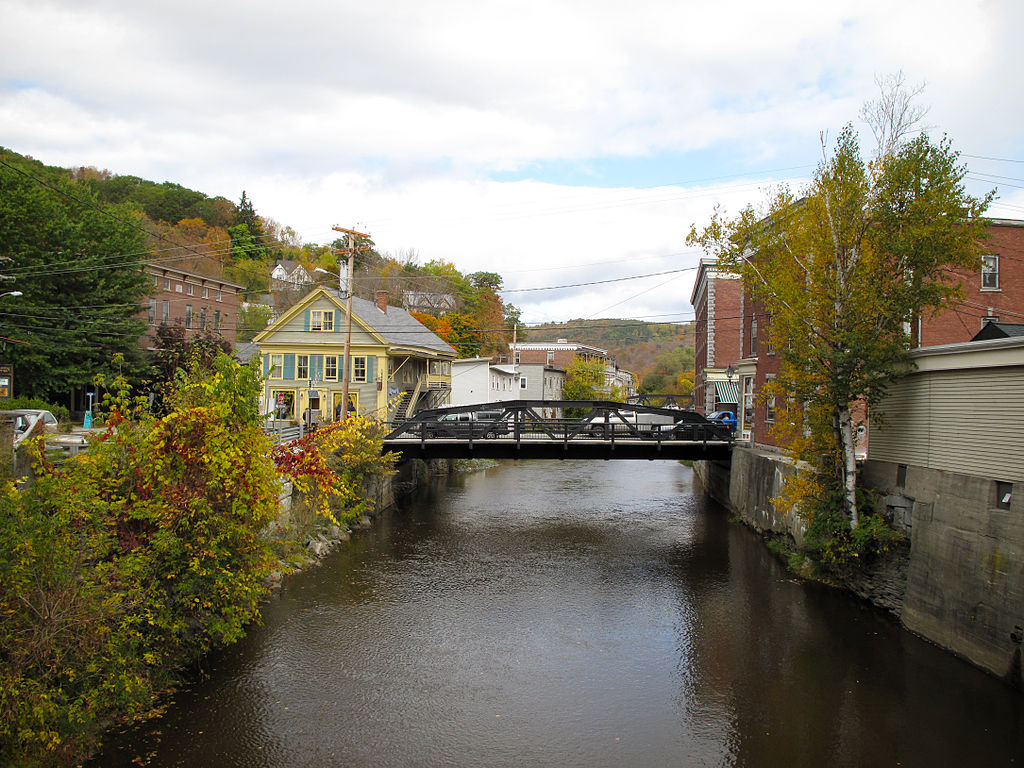
Winooski River
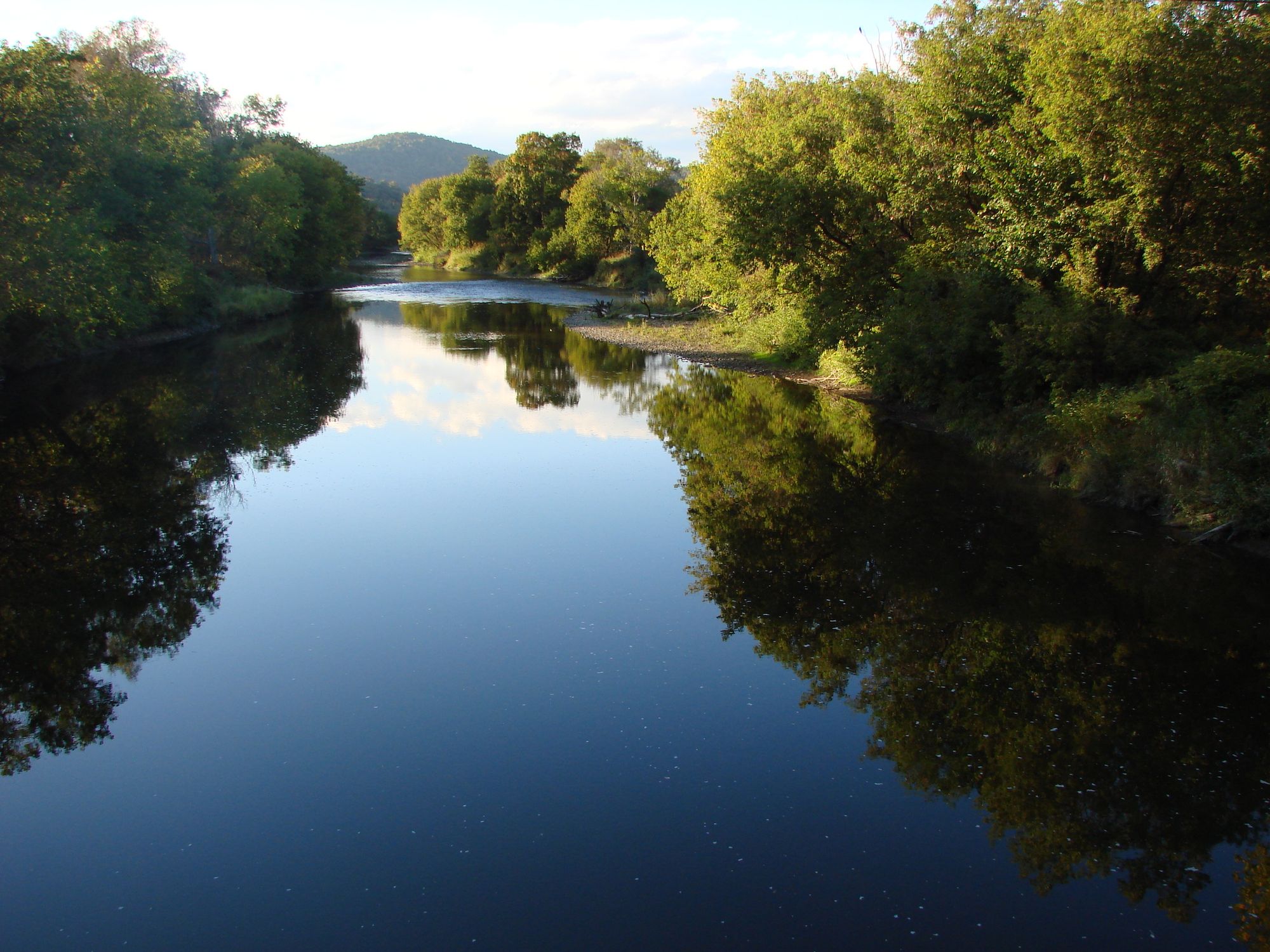
Lamoille River
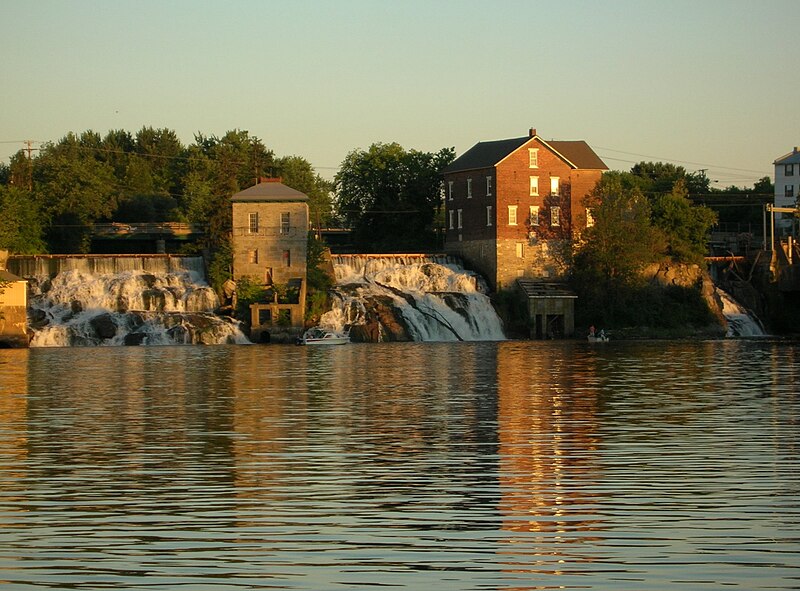
Otter Creek
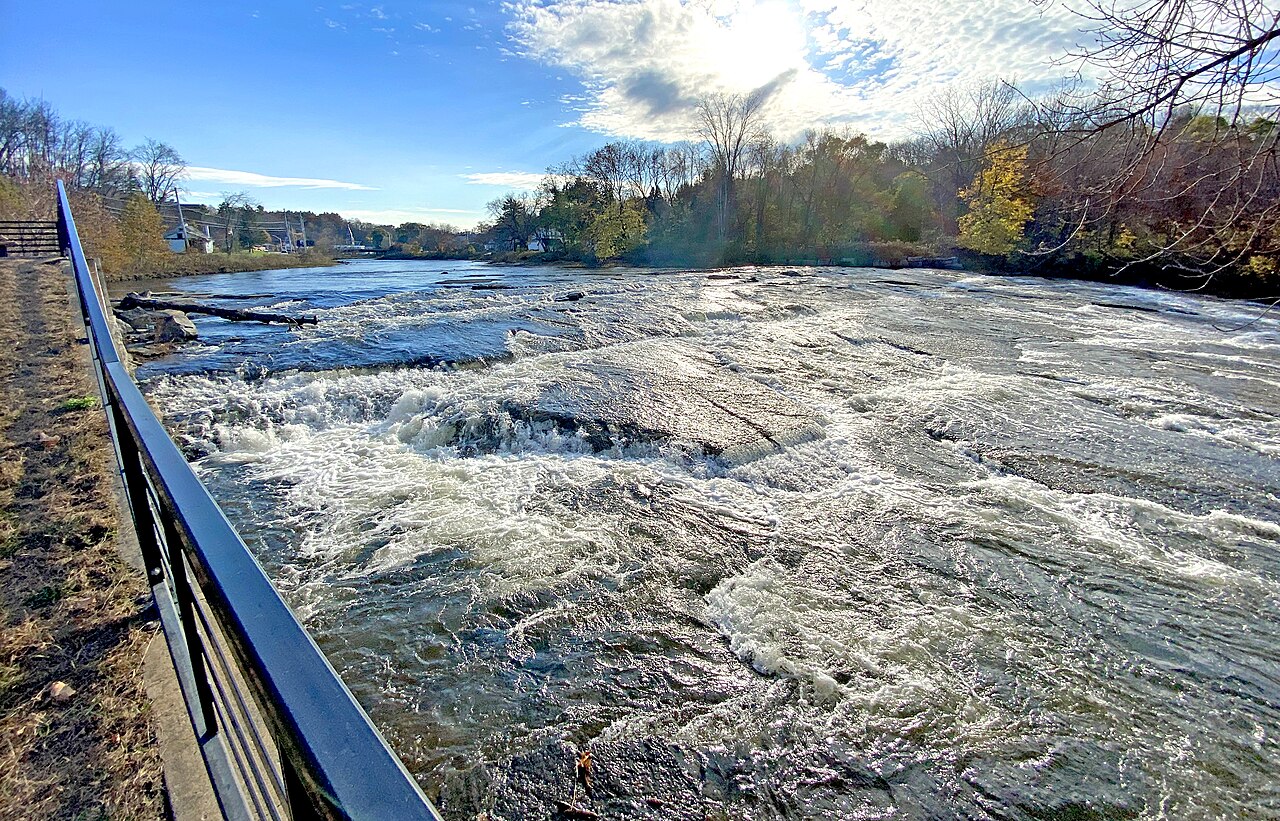
Boquet River
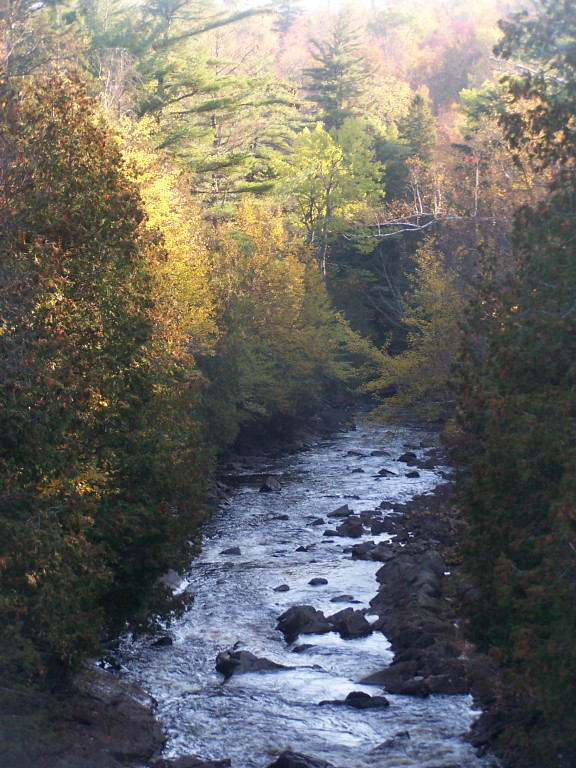
Saranac River
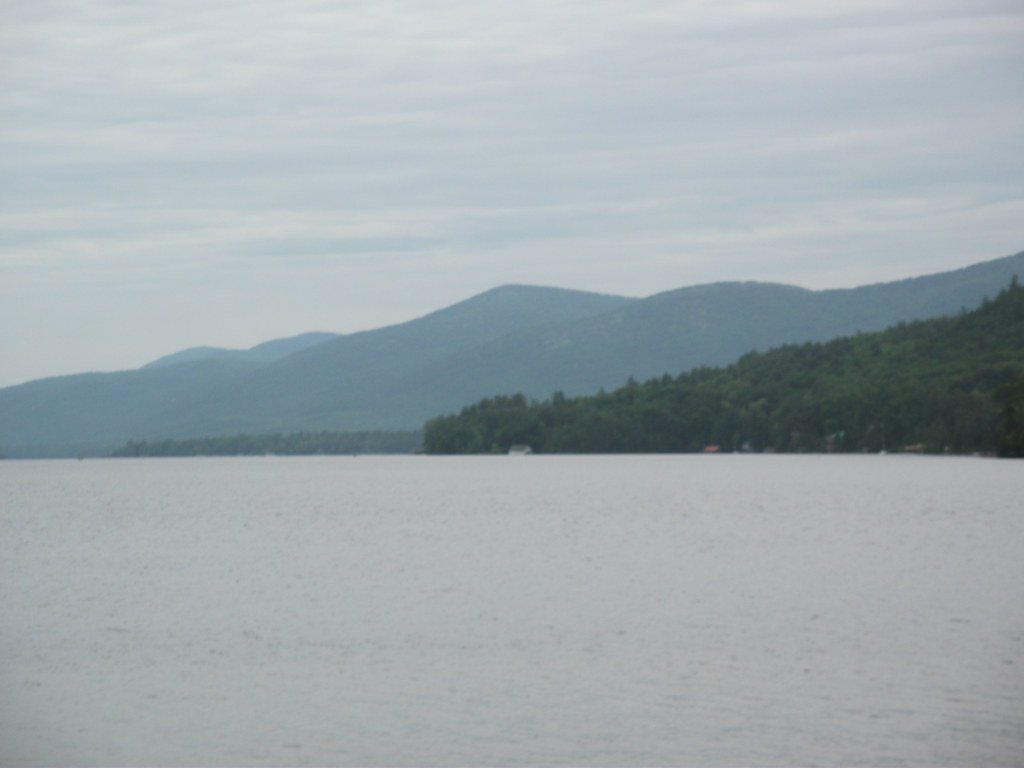
Lake George
New Haven River
Schroon River
Hudson River
What to know
Habitat Distribution
- Vermont's populations exist in both Lake Champlain and Lake Memphremagog.
- Most fisheries are supported by stocking programs, with the majority of lakes stocked in the Northeast Kingdom, plus Lake Champlain, Lake Dunmore, and Harriman Reservoir.
Key Locations
- Lake Champlain, Lake Memphremagog, Lake Dunmore, Lake Willoughby, Seymour Lake, and Harriman Reservoir.
- River fishing opportunities exist in the Winooski River, Lewis Creek (both Lake Champlain tributaries), Clyde River (Lake Memphremagog tributary), and Sucker Brook (Lake Dunmore tributary).
Specific Spots
- Shallow water around shoals, reefs, and shoreline rock outcroppings in spring, then deeper water as temperatures rise.
- Adults spawn in tributary streams, selecting gravel areas rather than silt or sand bottoms.
- Spawning occurs in inlet/outlet streams with gravel riffles in swift water above or below pools.
Atlantic Salmon FAQ
Answers from onWater's species guide.
What flies work for Atlantic Salmon in Vermont?
Weighted nymphs and smelt-mimicking streamers such as Gray Ghost, Black Ghost, Green Ghost, Mickey Finn, Colonel Bates, Supervisor, Barnes Special, Pink Lady, Governor Aiken, and Winnipesaukee Smelt.
When is the best time to fish for Atlantic Salmon in Vermont?
Spring and fall being prime seasons. Fall fishing can be exceptional as salmon feed heavily before winter, with less angling pressure and fewer boats on water. August can provide excellent trout and salmon fishing if cool weather drops water temperatures into the 60s.
How do you catch Atlantic Salmon in Vermont?
Trolling is highly effective. Fly fishing patterns work in both rivers and lakes.
What do Atlantic Salmon eat?
Diet varies by life stage: fry and parr feed on aquatic insects like mayflies and caddisflies, while adults primarily target smelt and supplement with surface insects. Vermont salmon grow best where smelt are abundant.
Where do Atlantic Salmon live in Vermont?
Vermont's populations exist in both Lake Champlain and Lake Memphremagog. Most fisheries are supported by stocking programs, with the majority of lakes stocked in the Northeast Kingdom, plus Lake Champlain, Lake Dunmore, and Harriman Reservoir.
Fish smarter with real-time insights
Whether you're en route and conditions shift or you're looking for the best spot based on current flows, we enable you to make informed decisions on the fly.




See it in the app
Most maps show you water.
onWater shows you Atlantic Salmon.



- 01 · Species map filter
Map every Atlantic Salmon water
Pick Atlantic Salmon and the map zeroes in on the waters they call home. No more guessing which lake holds them.
- 02 · Waterbody species
Tap any water. See what lives there.
Species, behavior and seasonal patterns for every lake, river and pond, before you leave the driveway.
- 03 · Angler Intelligence
Ask how to catch Atlantic Salmon
Tactics, gear and timing from onWater's AI fishing guide, tuned to the species and the water you're on.
Stop guessing where Atlantic Salmon are.
Open the map, filter by Atlantic Salmon, and head to water that holds them. Download onWater and plan your next trip in minutes.
- Species map filter
- Angler Intelligence
- Fishing journal
Explore other species
Trout, bass, salmon, panfish and everything in between. Each guide unpacks the behavior, seasons, and tactics that put fish in the net.
No species information available.
Vermont licenses and regulations
Explore nearby waters
Explore Vermont waters
Top fishing waters
Popular Cities
Loading popular cities...

Smarter Fishing Starts in the App.
onWater Fish gives you everything you need to plan smarter, fish better, and own every trip from first cast to last.