Fishing in Vermont
- Lakes
- 598
- Rivers
- 1,292
- Access
- 116
- Boat Ramps
- 277
- Shops
- 49
Vermont is a small state with a lot of water, and the fishing splits cleanly between cold freestone trout streams in the hills and a big inland sea on the western border.
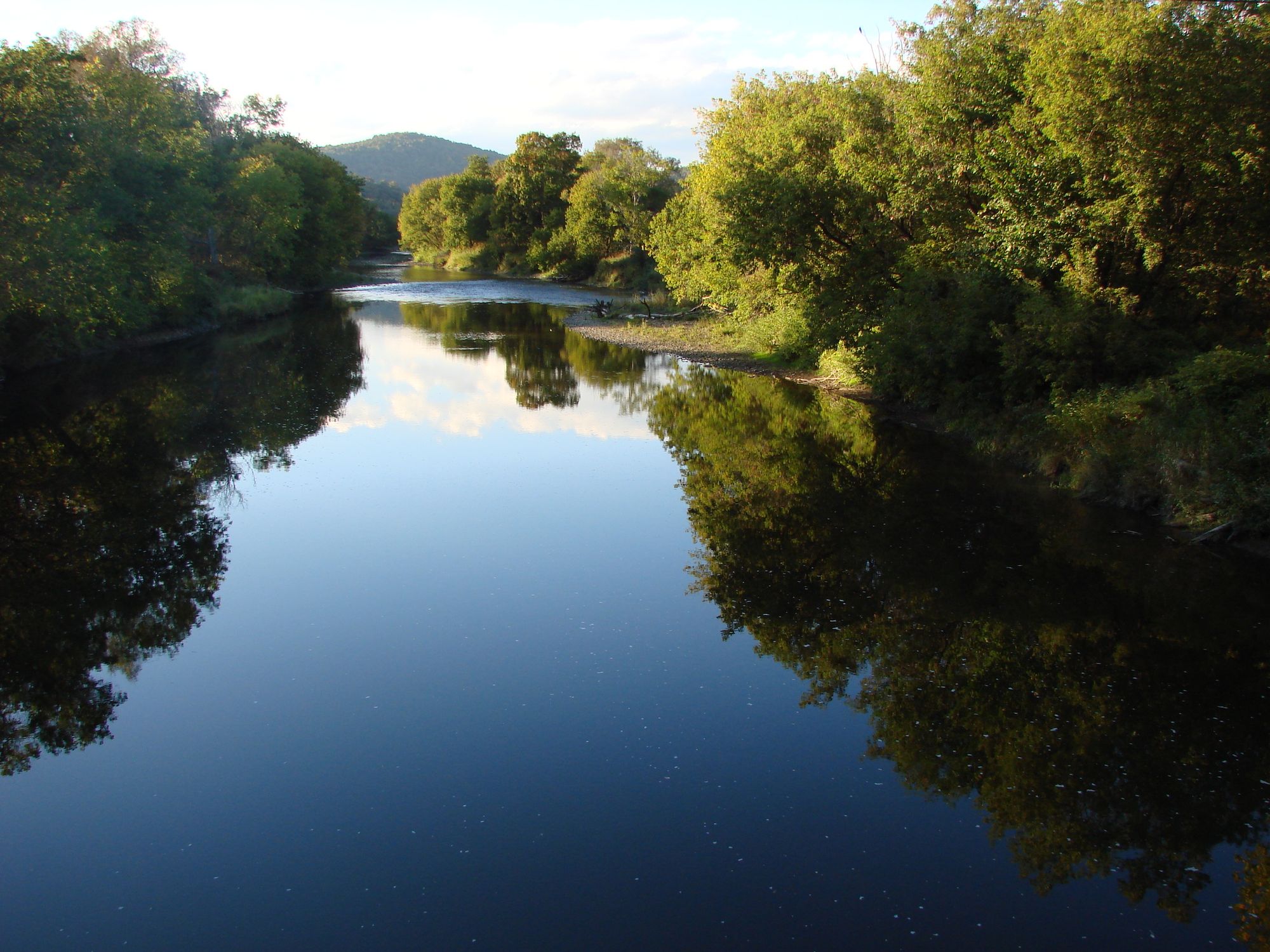
What stitches it together is a liberal riparian law: if you can get a foot in the streambed, you can fish, which means most of the legendary water here — including the Battenkill — is genuinely public to wade.
The Battenkill, rising in Dorset and running past Manchester before crossing into New York, is the river that put Vermont on the fly fishing map and where Orvis was founded back in 1856.
The Vermont side is catch-and-release for all trout, and the wild browns are famously hard to fool — slick, clear water, educated fish.
The Hendrickson hatch the second week of May is the high holy day; Isonychia, Trico, and Blue-Winged Olives carry things through summer and fall.
South of Manchester, guides also work the Walloomsac, Mettawee, and Deerfield, where a permanent two-fish limit now governs the trophy stretch. Head north and the fishing reshuffles.
The Winooski cuts west across the Green Mountains to Burlington, holding wild and stocked trout up high, smallmouth in its middle reaches when summer warms the trout water off, and a small fall run of landlocked salmon and steelhead below Salmon Hole.
The White River fishes similarly for rainbows.
Up in the Northeast Kingdom, the Clyde is its own quiet thing — brook and brown trout up top, rainbows and salmon in the middle, and a fall salmon-on-streamers fishery in the lower river out of Lake Memphremagog that's about as good as the Vermont calendar gets.
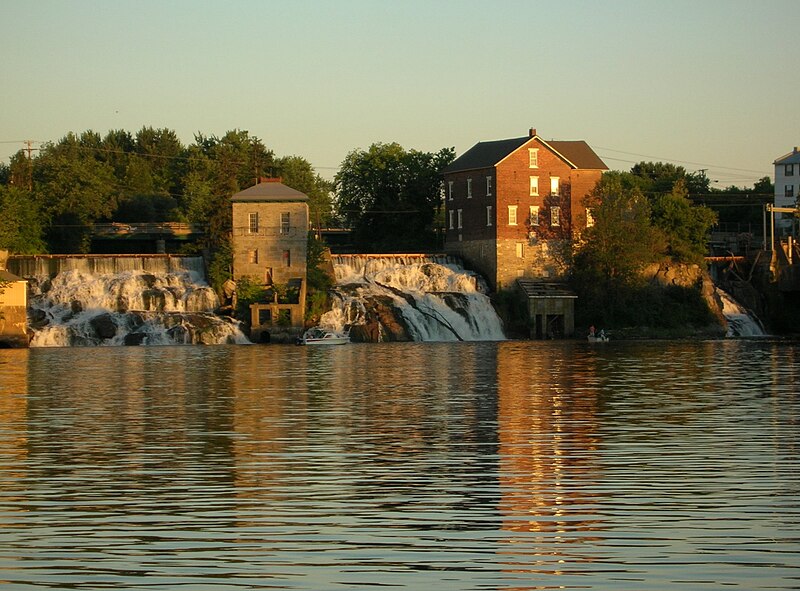
The Willoughby in April is the other pilgrimage. Steelhead run out of Memphremagog's South Bay to spawn below Willoughby Falls, and on opening weekend anglers stack up shoulder-to-shoulder, some of them having made the trip for fifty or sixty years running.
The falls and the water above close June 1 to protect the spawn, and a partnership between the Orleans Rod and Gun Club, a private hatchery, and Fish & Wildlife puts roughly 8,000 smolts into the river each year on top of the wild population.
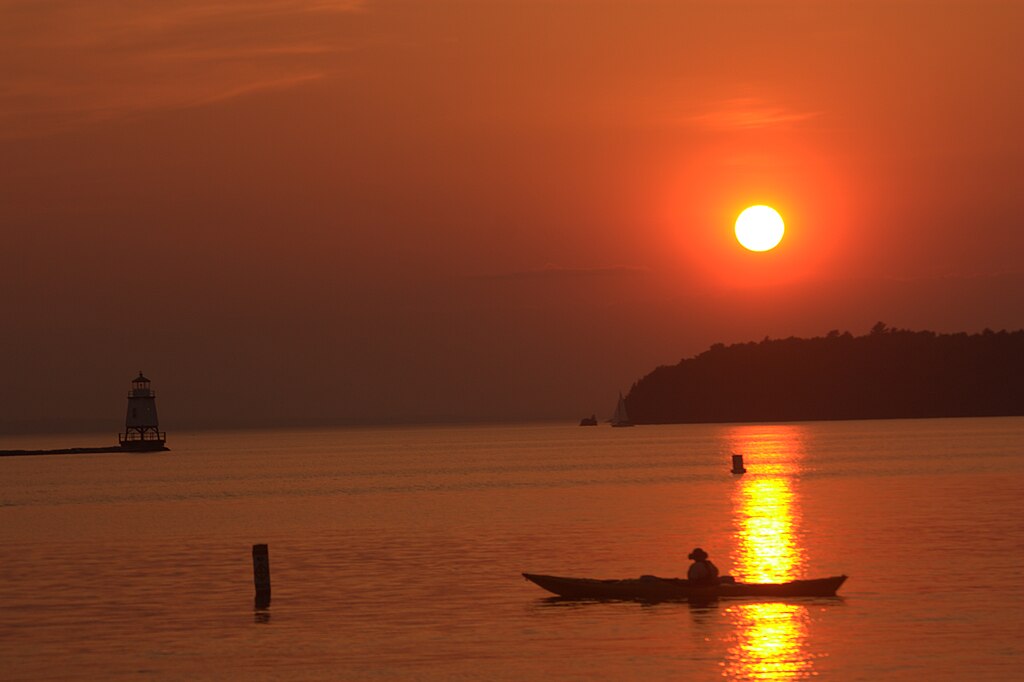
Then there's Champlain, which functions as a separate fishery entirely — one of the better smallmouth lakes anywhere, with a recovering walleye population (closed March 15 to the first Saturday in May to protect the spawn), lake trout now held to one fish a day over 24 inches, and an active muskellunge restoration where harvest is flat-out prohibited.
Brookies, the state's only native stream trout, hang on in headwater creeks; the daily limit dropped from twelve to eight in 2022, which conservation folks will tell you is a start, not a finish.
Top waters to fish near Vermont
Species & education
Learn what type of fish are in Vermont and what's needed to catch them.

Find which waters have the species you want to catch

Largemouth Bass
Micropterus salmoides

Smallmouth Bass
Micropterus dolomieu

Rainbow Trout
Oncorhynchus mykiss

Brown Trout
Salmo trutta

Brook Trout
Salvelinus fontinalis

Northern Pike
Esox lucius

Muskellunge

Walleye
Sander vitreus

Black Crappie
Pomoxis nigromaculatus

Alewife
Alosa pseudoharengus

American Eel
Anguilla rostrata

American Shad
Alosa sapidissima

Atlantic Salmon
Salmo salar

Blacknose Dace
Rhinichthys atratulus

Bowfin
Amia calva

Brown Bullhead
Ameiurus nebulosus

Burbot
Lota lota

Chain Pickerel
Esox niger

Channel Catfish
Ictalurus punctatus

Cisco
Coregonus artedi

Common Carp
Cyprinus carpio

Creek Chub
Semotilus atromaculatus
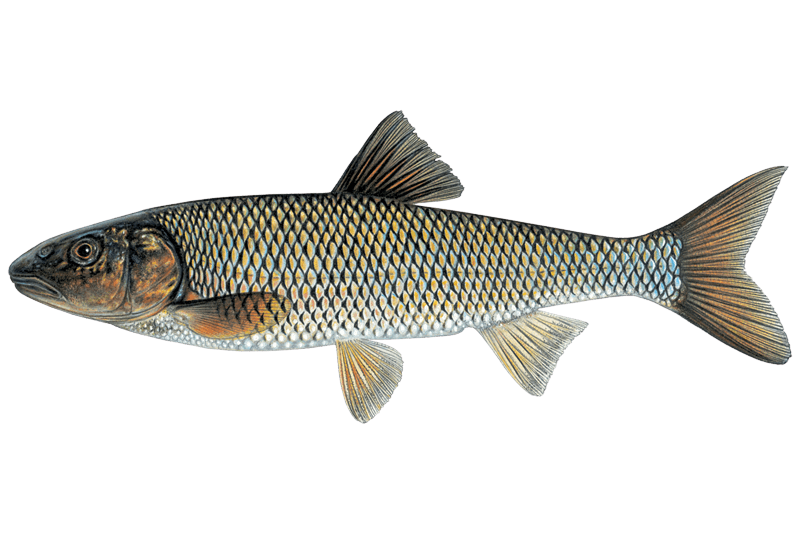
Fallfish
Semotilus corporalis

Freshwater Drum
Aplodinotus grunniens

Lake Sturgeon

Lake Trout
Salvelinus namaycush
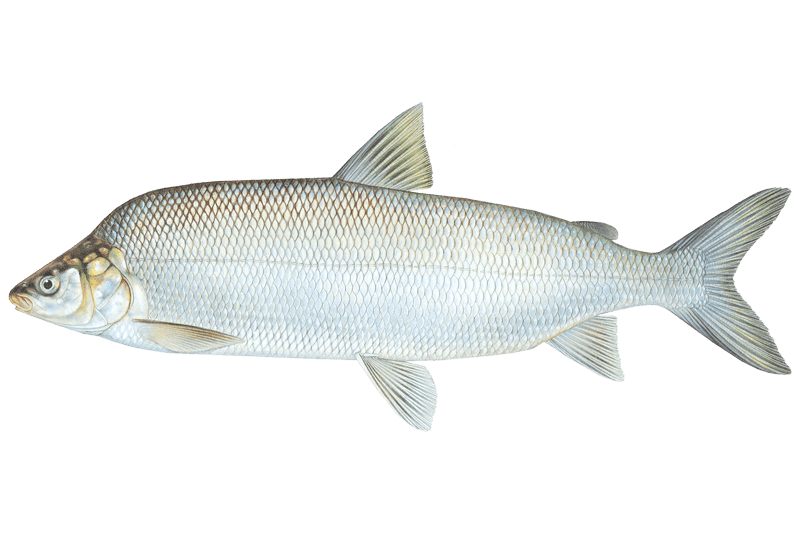
Lake Whitefish
Coregonus clupeaformis

Longnose Gar
Lepisosteus osseus

Longnose Sucker
Catostomus catostomus

Pumpkinseed
Lepomis gibbosus

Rainbow Smelt
Osmerus mordax
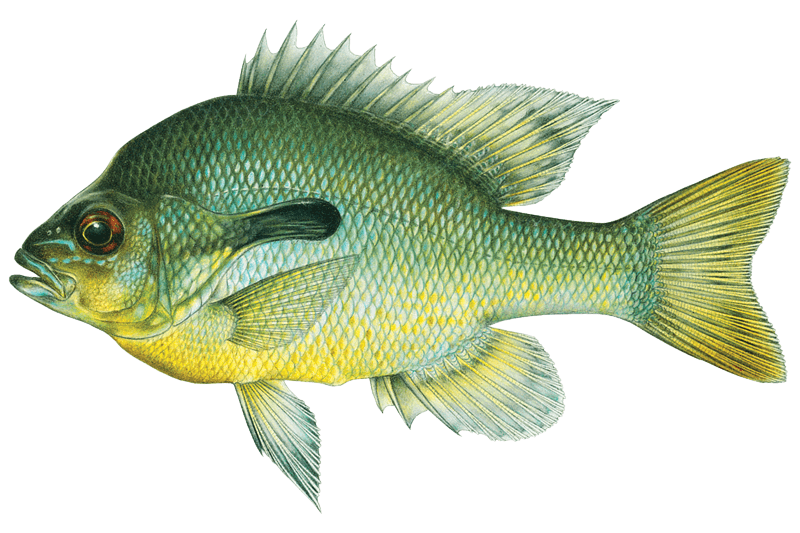
Redbreast Sunfish
Lepomis auritus
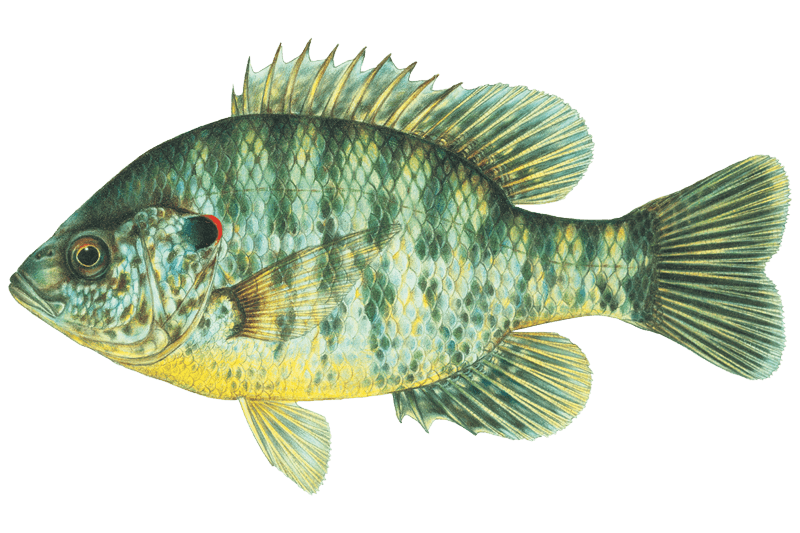
Redear Sunfish
Lepomis microlophus

Rock Bass
Ambloplites rupestris

Steelhead
Oncorhynchus mykiss

Tench
Tinca tinca
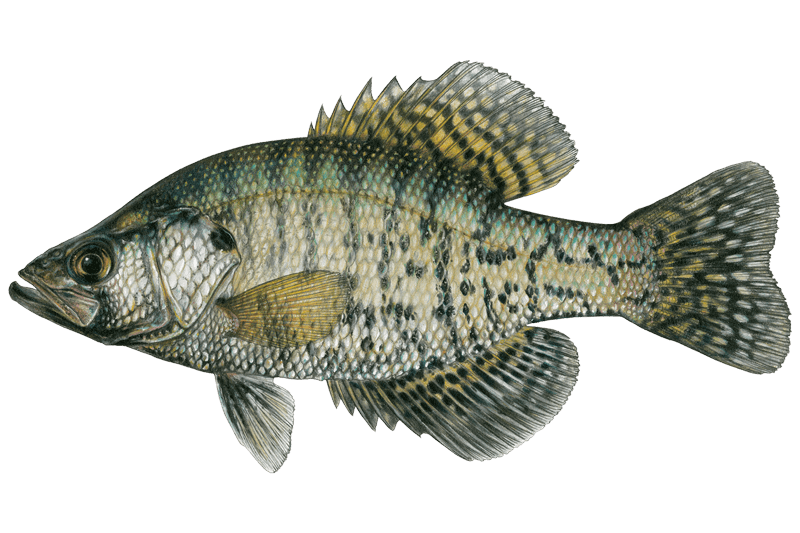
White Crappie
Pomoxis annularis
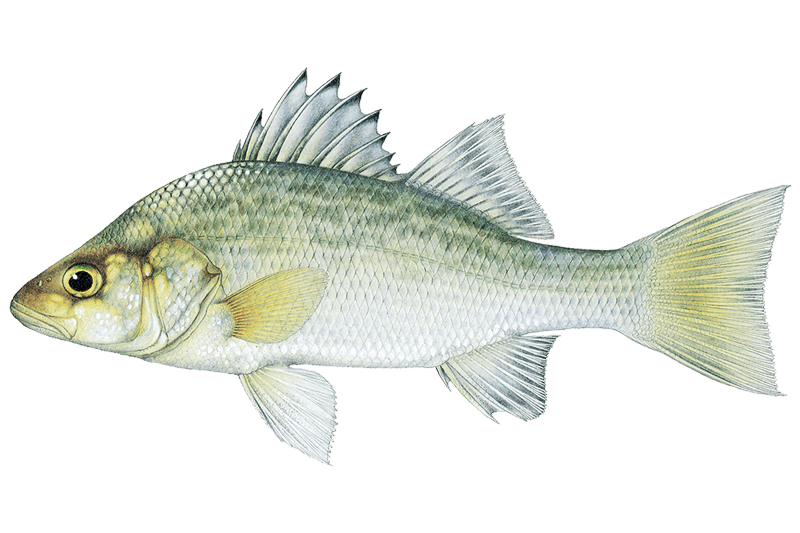
White Perch
Morone americana
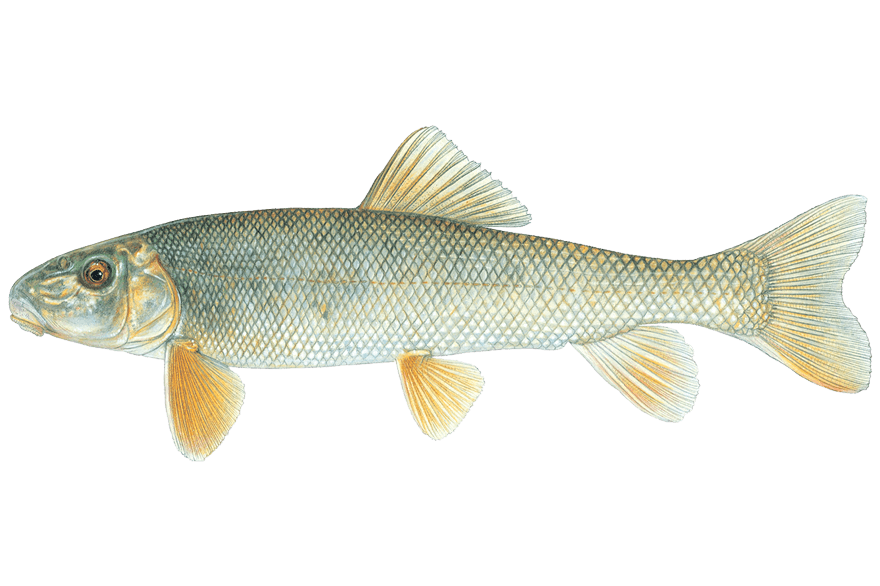
White Sucker
Catostomus commersonii
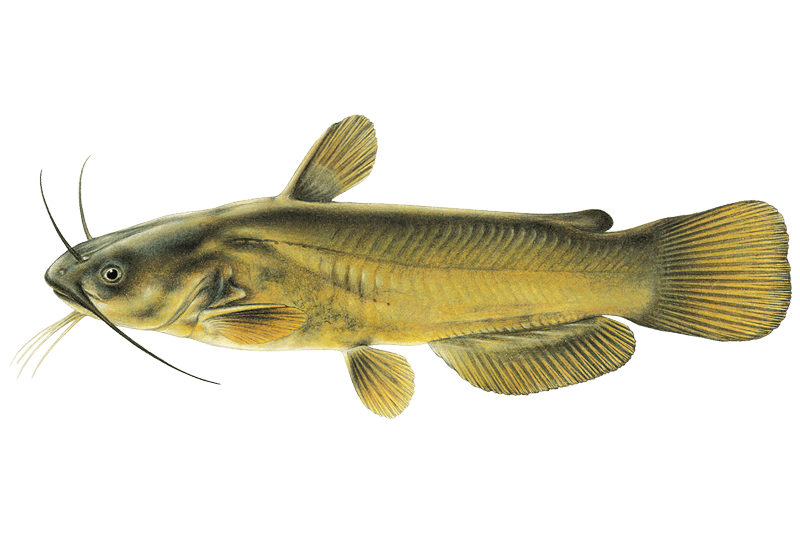
Yellow Bullhead
Ameiurus natalis
Fishing guides in Vermont
Book a trip with a local fishing guide through Guidesly.

Rob Thorne
Captain Thorny's Fishing Charters
5.0 (28 reviews)
Lake Champlain fishing trips with Captain Rob
Book on Guidesly, opens in new tab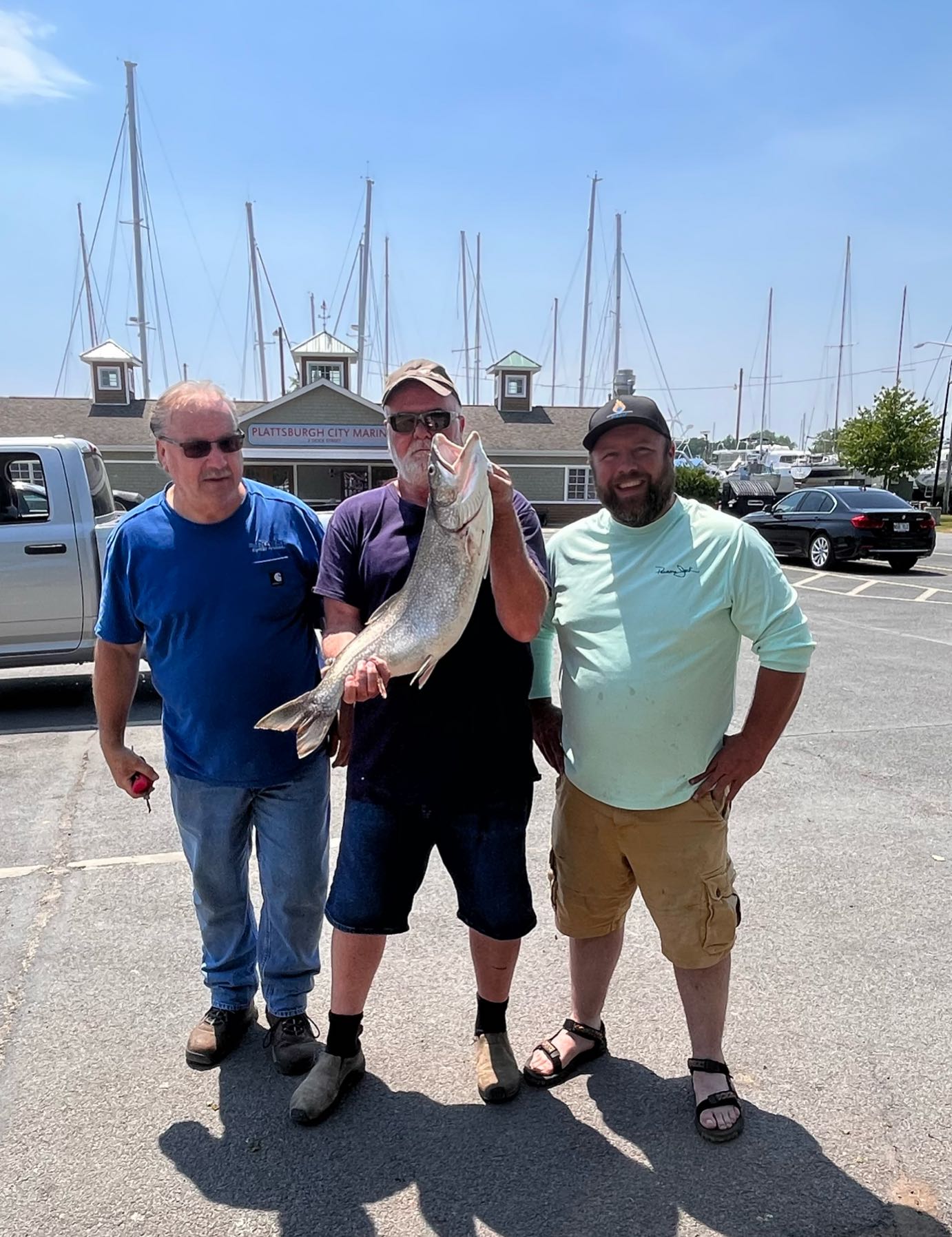
Pete Murray
Lake Champlain Trout Scout Charters
5.0 (1 review)
Best Lake Champlain Fishing with Captain Pete.
Book on Guidesly, opens in new tab
Charles Soucy
Hooked Guide Service
Vermont Freshwater Fishing Guide For All Levels
Book on Guidesly, opens in new tab
Fish smarter with real-time insights
Whether you're en route and conditions shift or you're looking for the best spot based on current flows, we enable you to make informed decisions on the fly.







Vermont licenses and regulations

Vermont Boating Regulations
When using any type of watercraft to access a body of water, it is important to follow all federal, state, and local rules and regulations. These rules and regulations include boat permitting and licensing, invasive species inspections and stamps, life jacket and PFD rules, motor size and horsepower restrictions, noise limitations, restrictions on personal watercraft, and many more. Visit the web link below for the most current rules and regulations for this body of water.

Vermont Fishing License
No Fishing License Needed If: You are under 15 years of age (resident or nonresident).
Vermont Fishing Regulations
This river has a variety of species and regulations, including potential floating and/or watercraft restrictions. Because this river is specially managed for species, seasons, angling methods, and watercraft, it is strongly encouraged you check all federal, state, and local regulations before fishing. Visit any of the links below, inquire locally, or contact a local fly shop to learn current regulations and restrictions.
Vermont Stream Access Laws
Vermont recognizes a recreation extension of the federal navigability test. Non-navigable waters have a public easement for navigation but owners of land under non-tidal waters own it up the the low-water mark.
Explore Vermont waters
Smarter Fishing Starts in the App.
onWater Fish gives you everything you need to plan smarter, fish better, and own every trip from first cast to last.