Longnose Sucker

The Longnose Sucker is a native freshwater species found throughout Vermont's cold, clear waters.
Scientific Name: Catostomus catostomus
- This torpedo-shaped fish is distinguished by its elongated snout that extends beyond its subterminal mouth, finer scales (>85 lateral line scales vs.
- In Vermont waters, they typically reach 8-15 inches, though they can grow larger.
- During breeding season, mature individuals develop a distinctive red lateral stripe and tubercles on their head and fins.
Fishing in Vermont

Lake Champlain
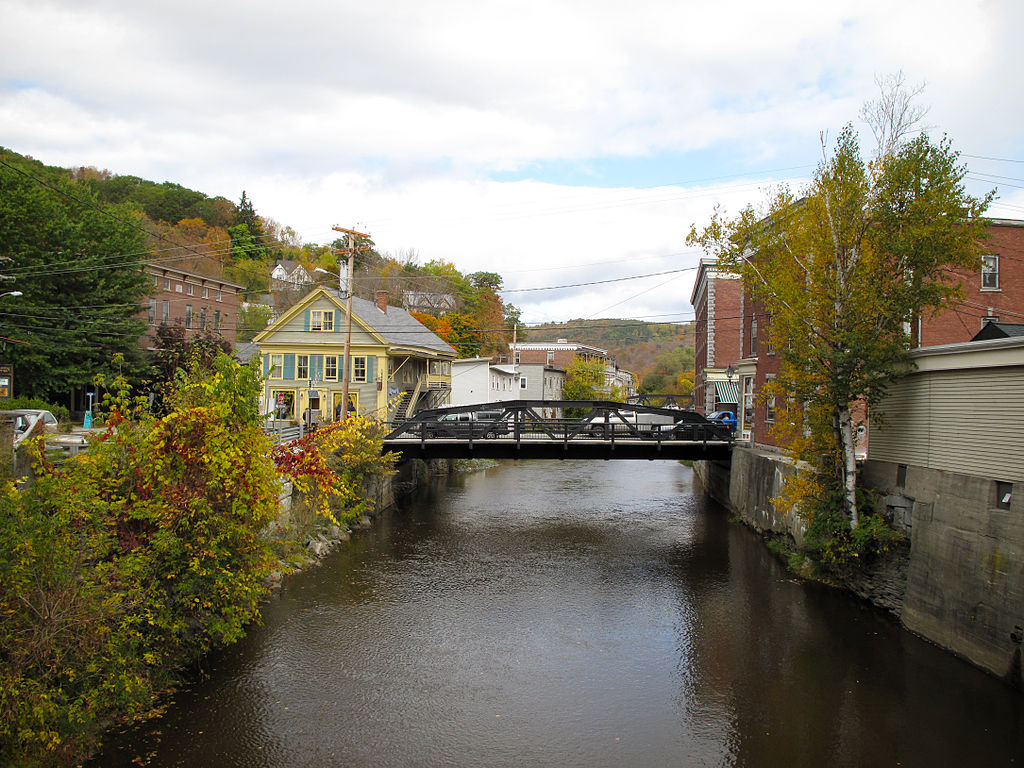
Winooski River
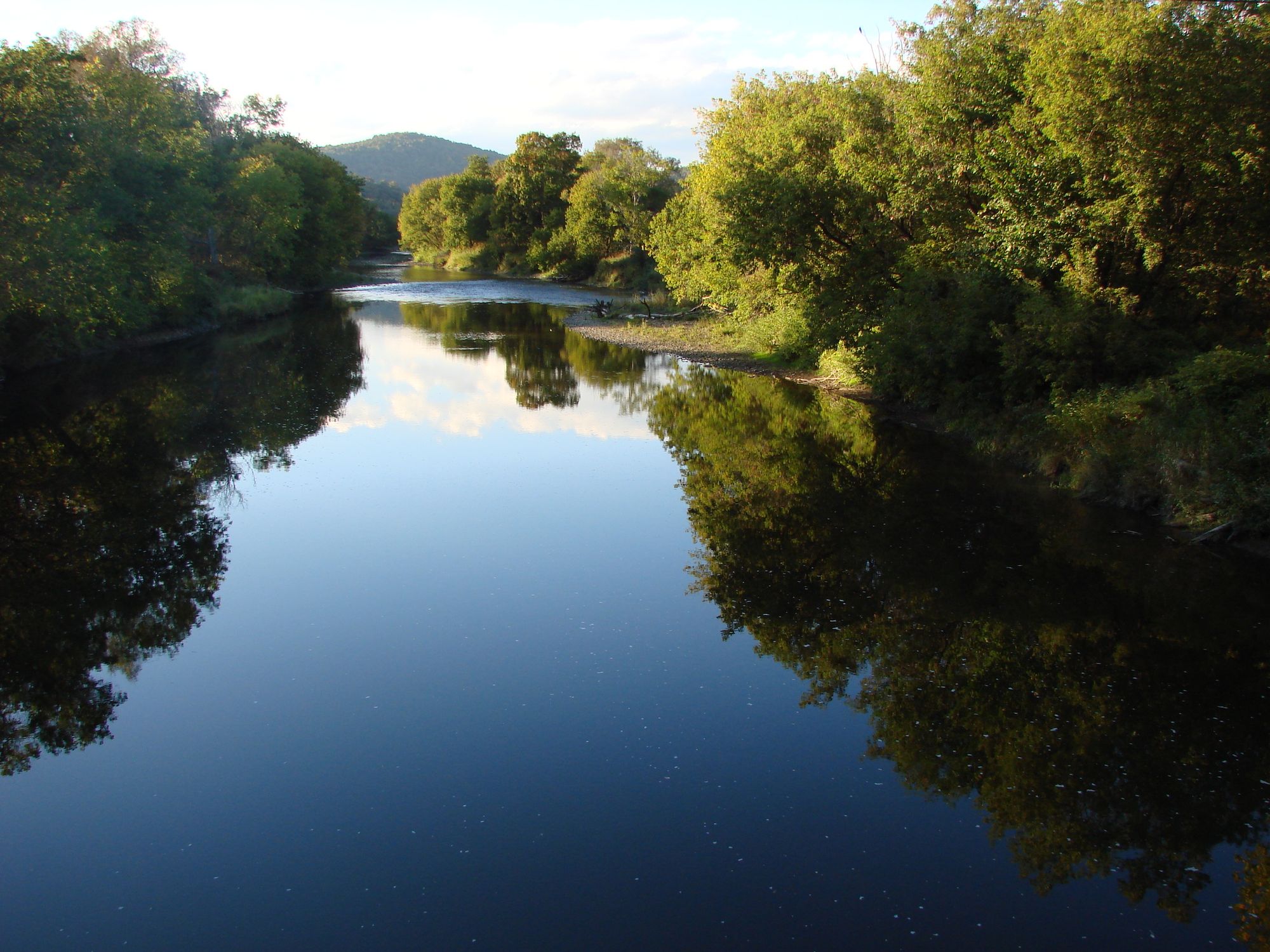
Lamoille River
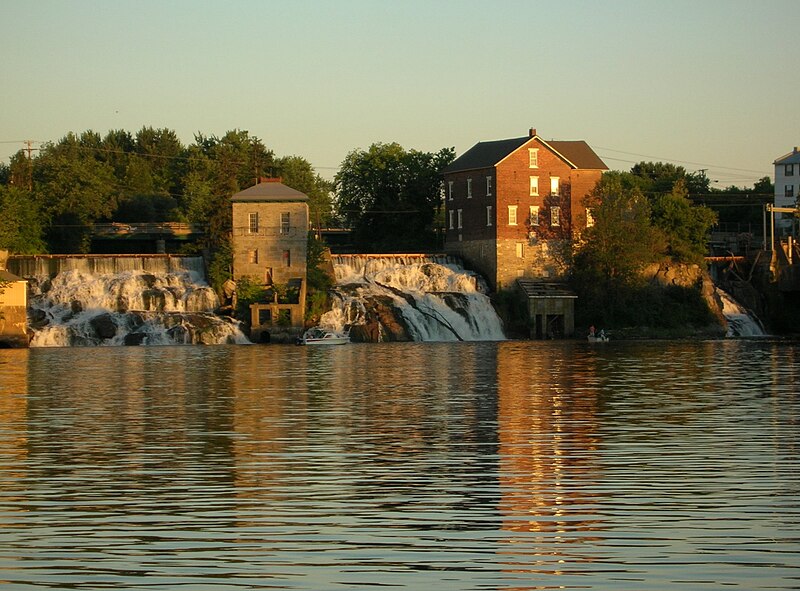
Otter Creek
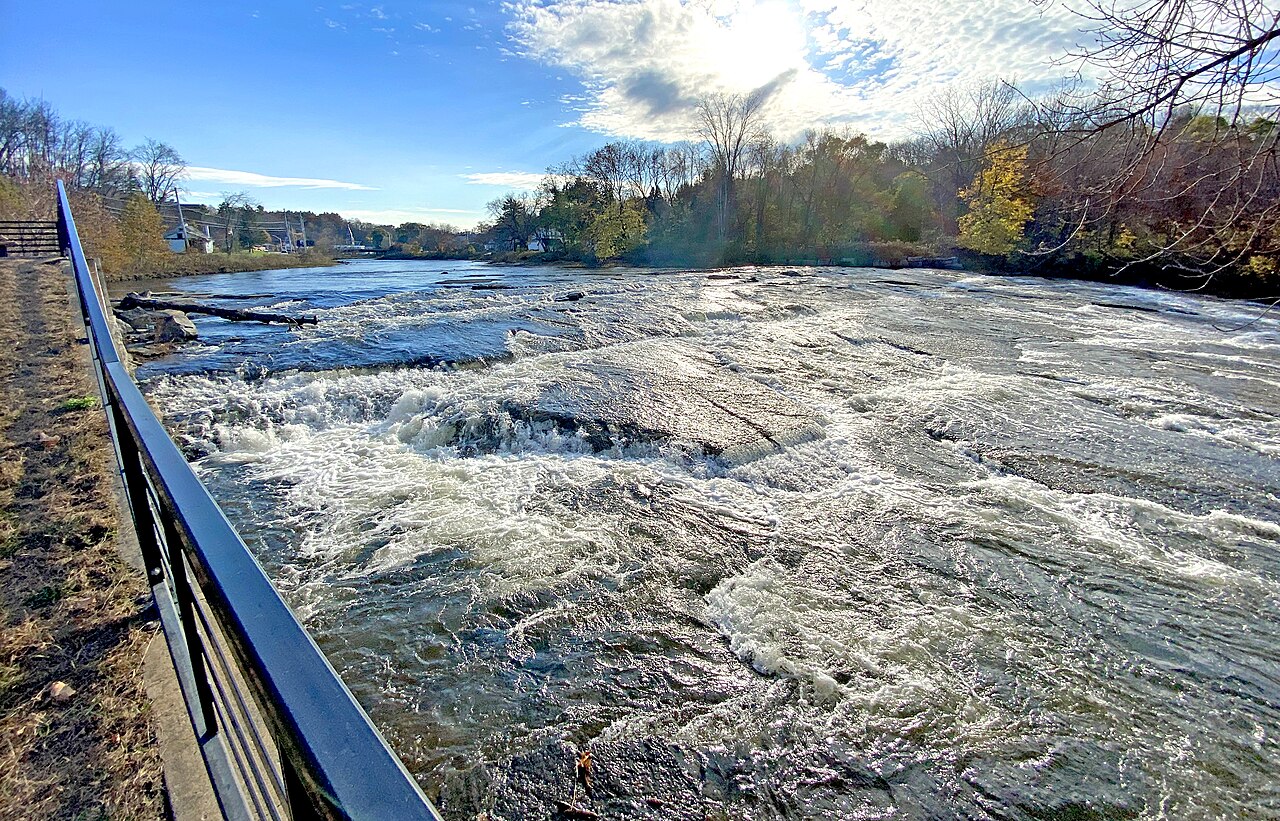
Boquet River
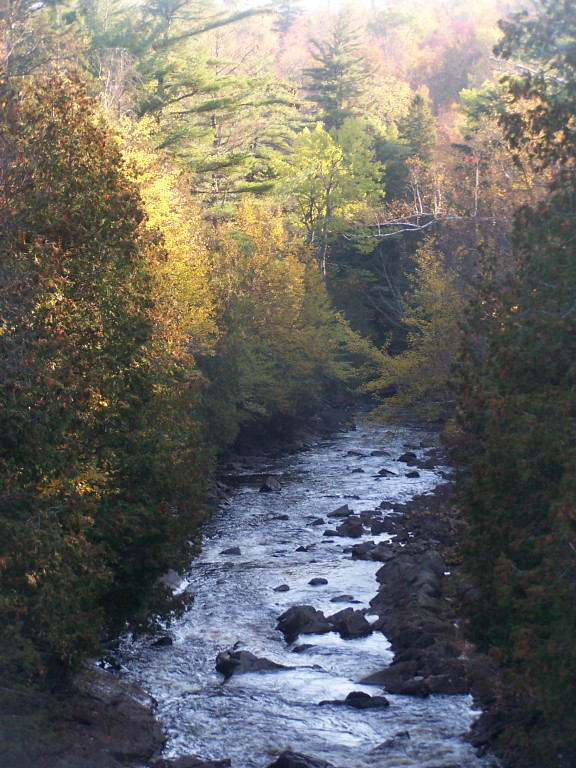
Saranac River
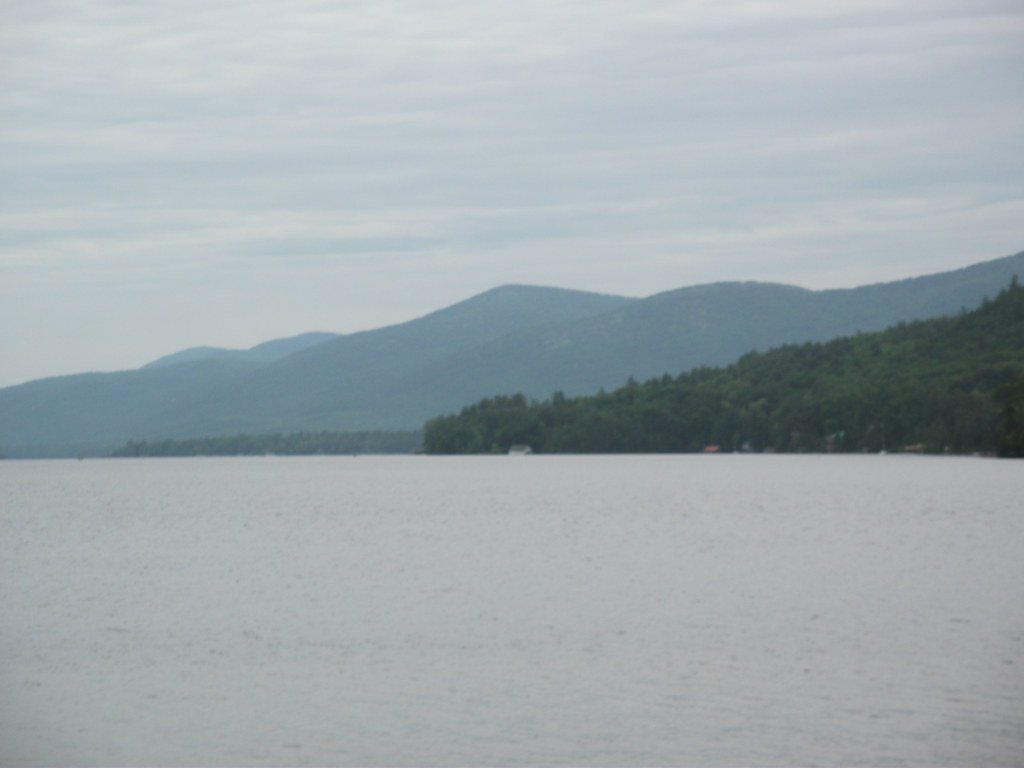
Lake George
New Haven River
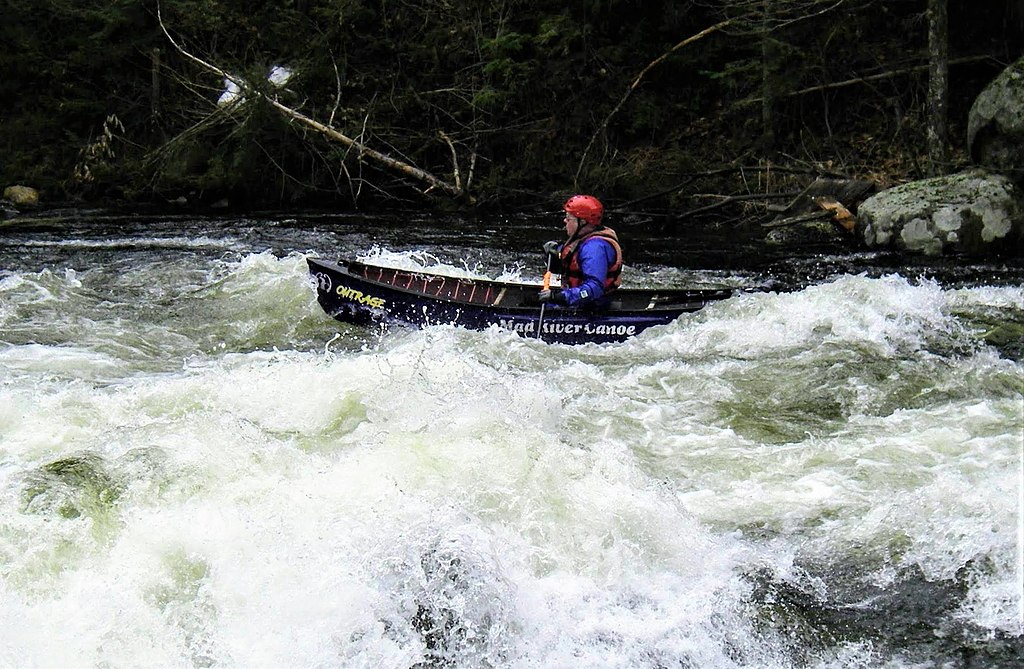
Schroon River

Hudson River
What to know
Habitat Distribution
- Found throughout Vermont's cold, clear waters.
- They inhabit cold, clear streams with clean gravel or cobble substrate and also occupy deeper lake waters.
Key Locations
- Lake Champlain drainage as well as various rivers and streams statewide.
- In Lake Champlain and connecting waters, they can be found at significant depths.
Specific Spots
- Focus on cold, clear streams with gravel or cobble substrate, deeper lake areas, and areas below riffles with boulder-rubble substrate or submerged woody debris.
Longnose Sucker FAQ
Answers from onWater's species guide.
What are the best lures and bait for Longnose Sucker in Vermont?
Worms on the bottom, small jigs tipped with nightcrawlers work around rocky bottoms.
What flies work for Longnose Sucker in Vermont?
Sucker spawn e.g.g patterns in natural chartreuse colors, strip leech patterns, bead head streamers in sizes 4-8, and conehead patterns in black and brown.
When is the best time to fish for Longnose Sucker in Vermont?
Target outside of their April-July spawning period when they're less vulnerable. Spring and fall when they're more active.
How do you catch Longnose Sucker in Vermont?
Sight-fishing techniques, make precise casts to visible fish, placing flies a few inches in front of their path as they forage. Watch for their mouth extension when feeding and set the hook immediately as they quickly spit out artificial offerings.
What do Longnose Sucker eat?
These bottom-feeding fish primarily consume benthic invertebrates including Gammarus, Daphnia, various insect larvae, algae, and small invertebrates. Young fish feed on plankton in midwater before transitioning to bottom feeding as adults.
Fish smarter with real-time insights
Whether you're en route and conditions shift or you're looking for the best spot based on current flows, we enable you to make informed decisions on the fly.







See it in the app
Most maps show you water.
onWater shows you Longnose Sucker.



- 01 · Species map filter
Map every Longnose Sucker water
Pick Longnose Sucker and the map zeroes in on the waters they call home. No more guessing which lake holds them.
- 02 · Waterbody species
Tap any water. See what lives there.
Species, behavior and seasonal patterns for every lake, river and pond, before you leave the driveway.
- 03 · Angler Intelligence
Ask how to catch Longnose Sucker
Tactics, gear and timing from onWater's AI fishing guide, tuned to the species and the water you're on.
Stop guessing where Longnose Sucker are.
Open the map, filter by Longnose Sucker, and head to water that holds them. Download onWater and plan your next trip in minutes.
- Species map filter
- Angler Intelligence
- Fishing journal
Explore other species
Trout, bass, salmon, panfish and everything in between. Each guide unpacks the behavior, seasons, and tactics that put fish in the net.

Find which waters have the species you want to catch

Largemouth Bass
Micropterus salmoides

Smallmouth Bass
Micropterus dolomieu

Rainbow Trout
Oncorhynchus mykiss

Brown Trout
Salmo trutta

Brook Trout
Salvelinus fontinalis

Northern Pike
Esox lucius

Muskellunge

Walleye
Sander vitreus

Black Crappie
Pomoxis nigromaculatus

Alewife
Alosa pseudoharengus

American Eel
Anguilla rostrata

American Shad
Alosa sapidissima

Atlantic Salmon
Salmo salar

Blacknose Dace
Rhinichthys atratulus

Bowfin
Amia calva

Brown Bullhead
Ameiurus nebulosus

Burbot
Lota lota

Chain Pickerel
Esox niger

Channel Catfish
Ictalurus punctatus

Cisco
Coregonus artedi

Common Carp
Cyprinus carpio

Creek Chub
Semotilus atromaculatus
Fallfish
Semotilus corporalis

Freshwater Drum
Aplodinotus grunniens

Lake Sturgeon

Lake Trout
Salvelinus namaycush
Lake Whitefish
Coregonus clupeaformis

Longnose Gar
Lepisosteus osseus

Pumpkinseed
Lepomis gibbosus

Rainbow Smelt
Osmerus mordax
Redbreast Sunfish
Lepomis auritus
Redear Sunfish
Lepomis microlophus

Rock Bass
Ambloplites rupestris

Steelhead
Oncorhynchus mykiss

Tench
Tinca tinca
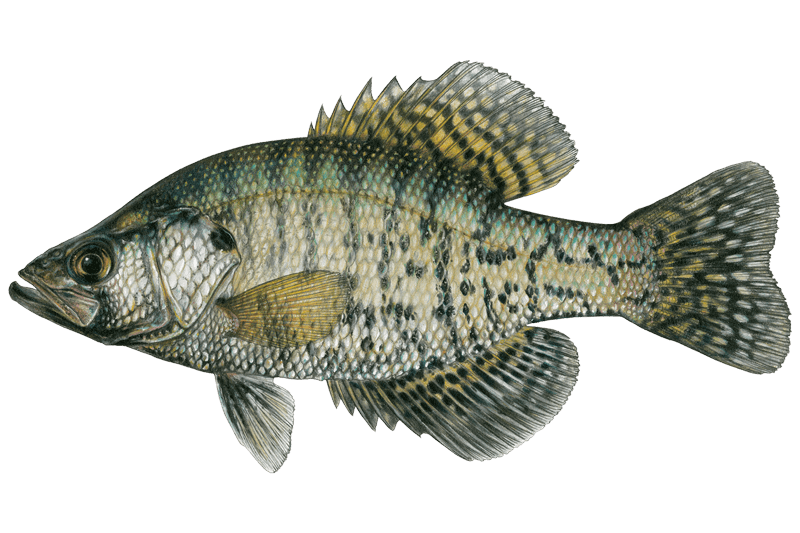
White Crappie
Pomoxis annularis
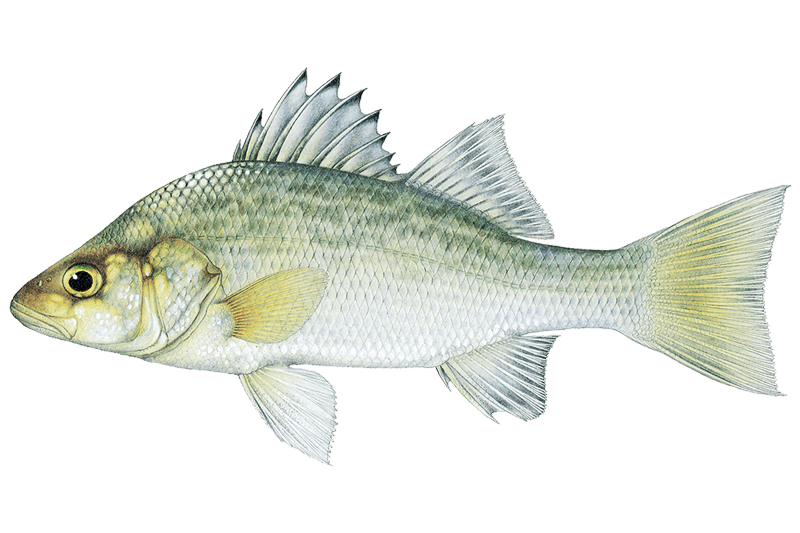
White Perch
Morone americana
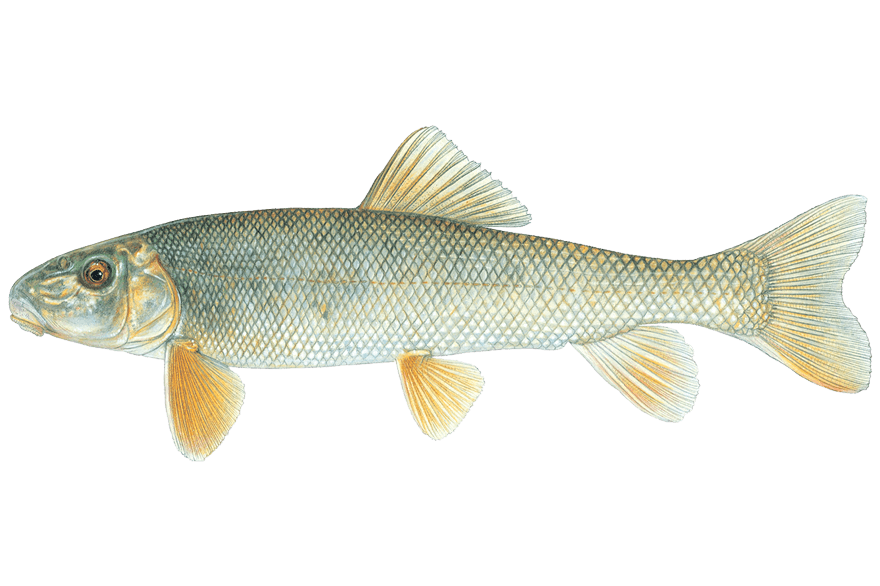
White Sucker
Catostomus commersonii
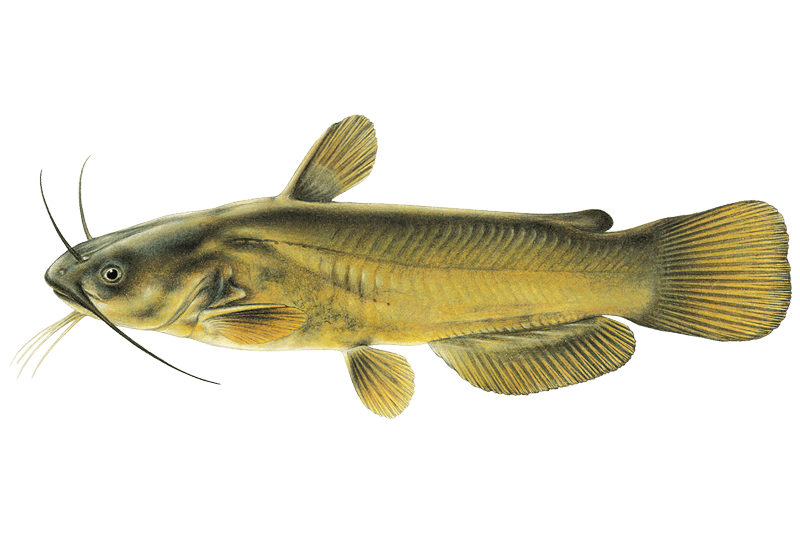
Yellow Bullhead
Ameiurus natalis
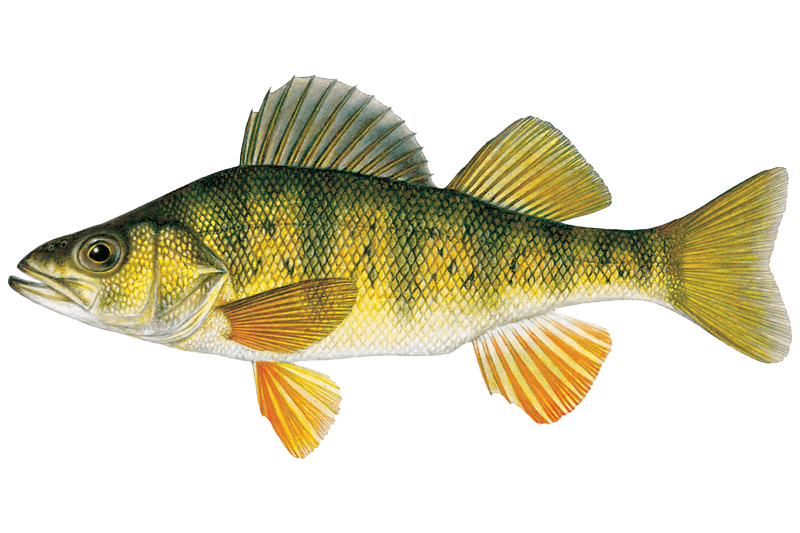
Yellow Perch
Perca flavescens
Vermont licenses and regulations

Vermont Boating Regulations
When using any type of watercraft to access a body of water, it is important to follow all federal, state, and local rules and regulations. These rules and regulations include boat permitting and licensing, invasive species inspections and stamps, life jacket and PFD rules, motor size and horsepower restrictions, noise limitations, restrictions on personal watercraft, and many more. Visit the web link below for the most current rules and regulations for this body of water.

Vermont Fishing License
No Fishing License Needed If: You are under 15 years of age (resident or nonresident).
Vermont Fishing Regulations
This river has a variety of species and regulations, including potential floating and/or watercraft restrictions. Because this river is specially managed for species, seasons, angling methods, and watercraft, it is strongly encouraged you check all federal, state, and local regulations before fishing. Visit any of the links below, inquire locally, or contact a local fly shop to learn current regulations and restrictions.
Vermont Stream Access Laws
Vermont recognizes a recreation extension of the federal navigability test. Non-navigable waters have a public easement for navigation but owners of land under non-tidal waters own it up the the low-water mark.
Explore nearby waters
Explore Vermont waters
Top fishing waters
Popular Cities
Loading popular cities...
Smarter Fishing Starts in the App.
onWater Fish gives you everything you need to plan smarter, fish better, and own every trip from first cast to last.