Fallfish

Fallfish are Vermont's largest native minnow species and are found throughout the state as one of the approved baitfish species. Before the introduction of bass and trout species, fallfish were often the apex predators in Vermont's streams.
Scientific Name: Semotilus corporalis
- These silvery fish can grow quite large for a minnow - averaging 7 inches but capable of reaching 15+ inches, with some exceptional specimens exceeding 19 inches.
Fishing in Vermont
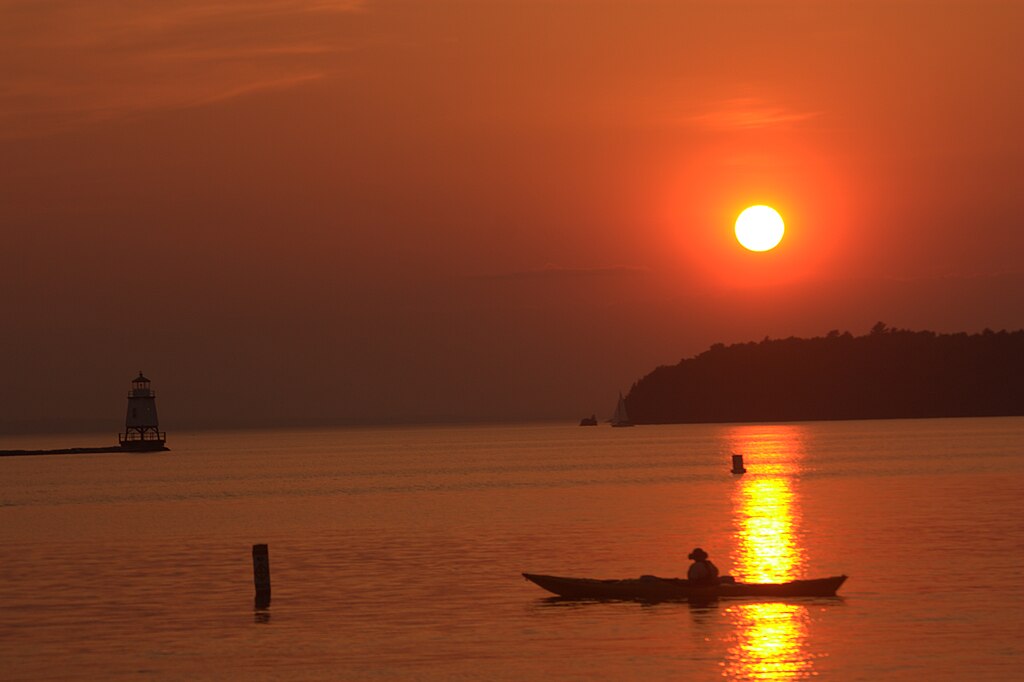
Lake Champlain
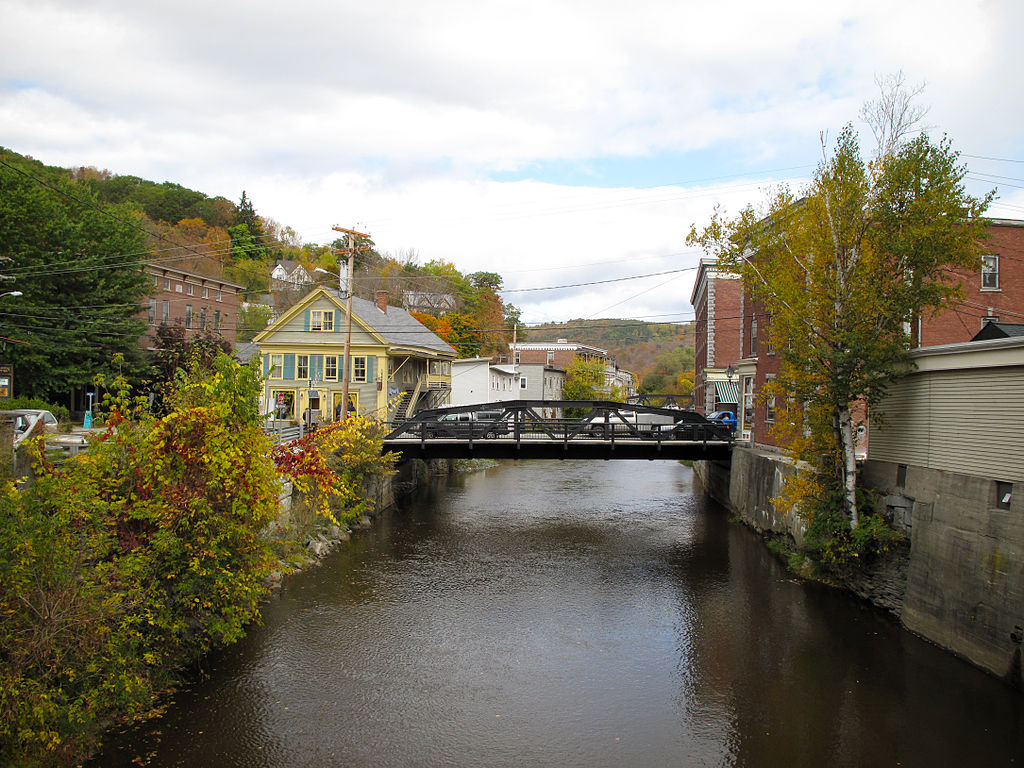
Winooski River
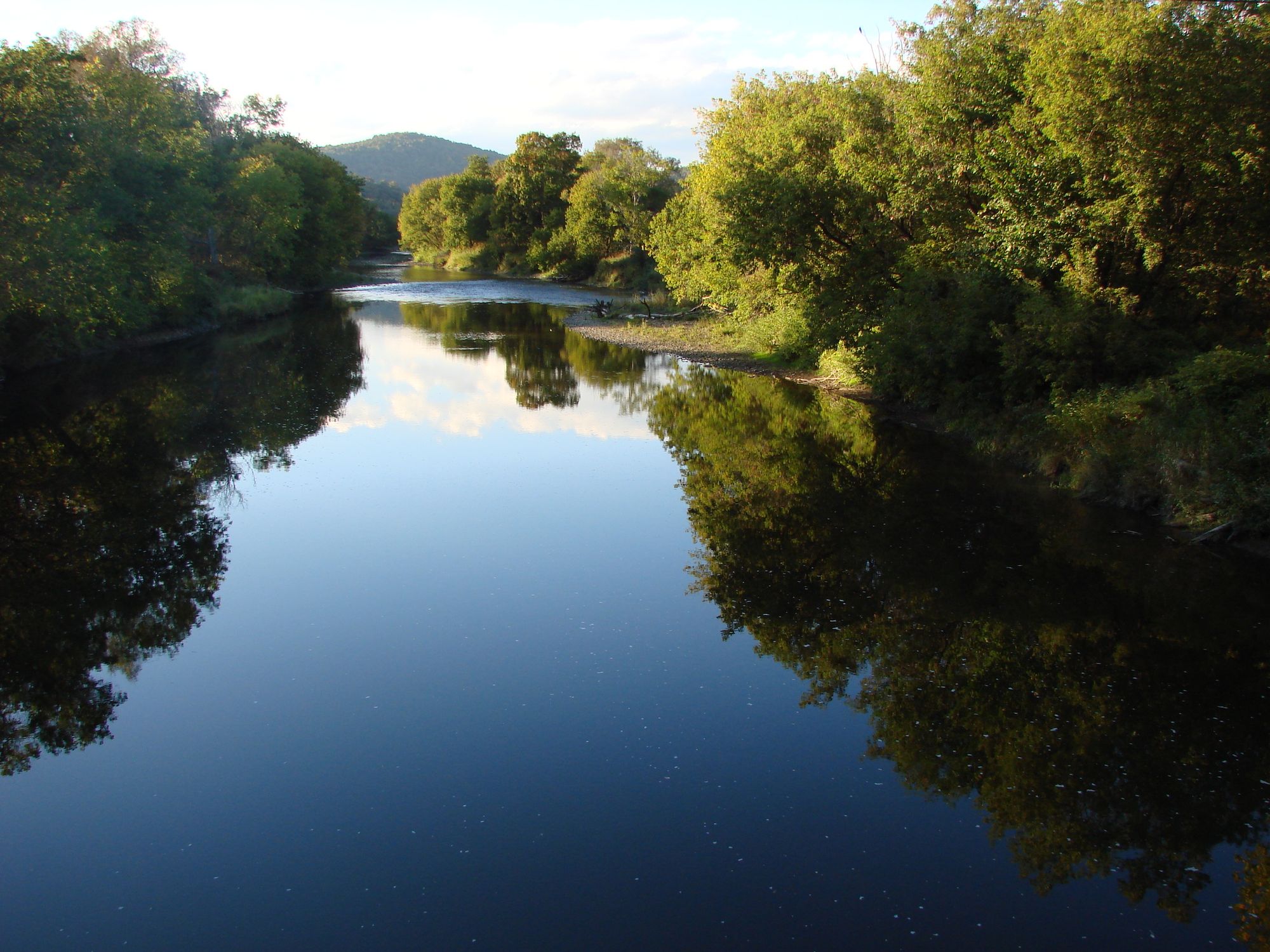
Lamoille River
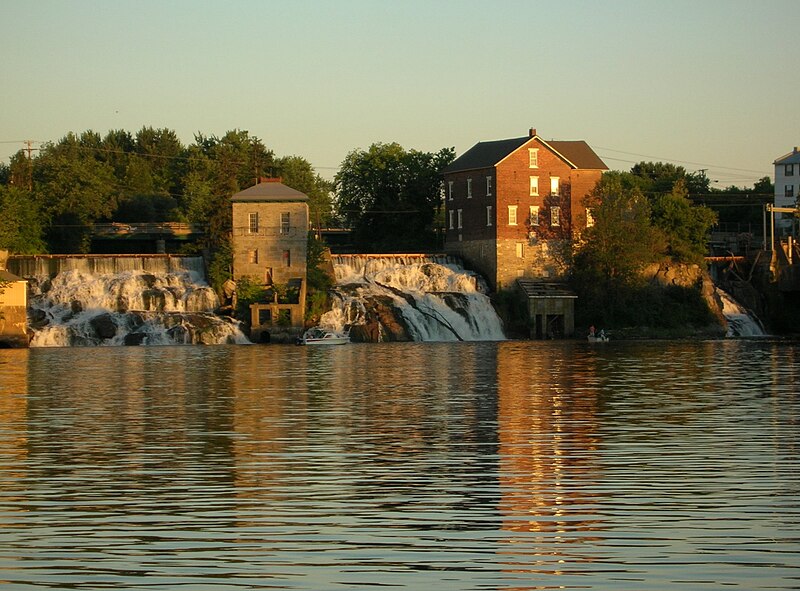
Otter Creek
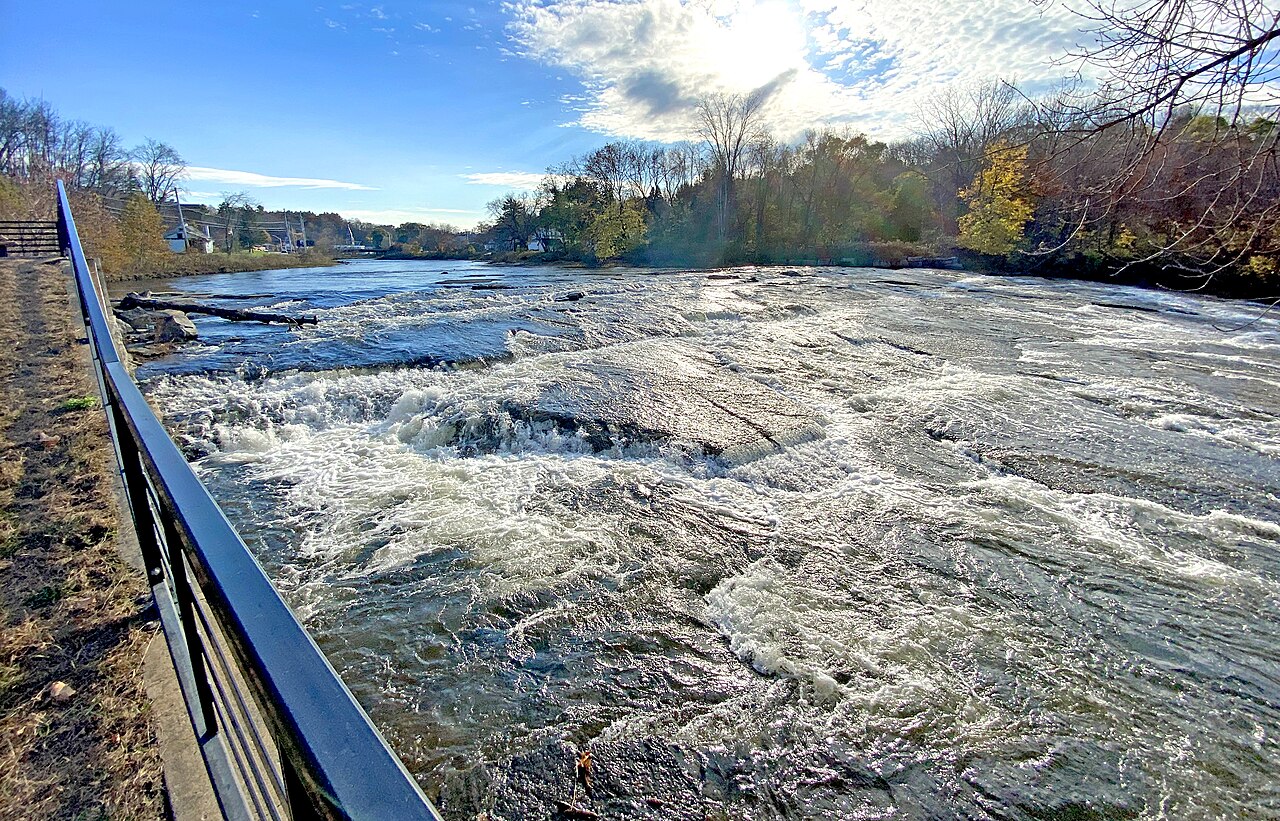
Boquet River
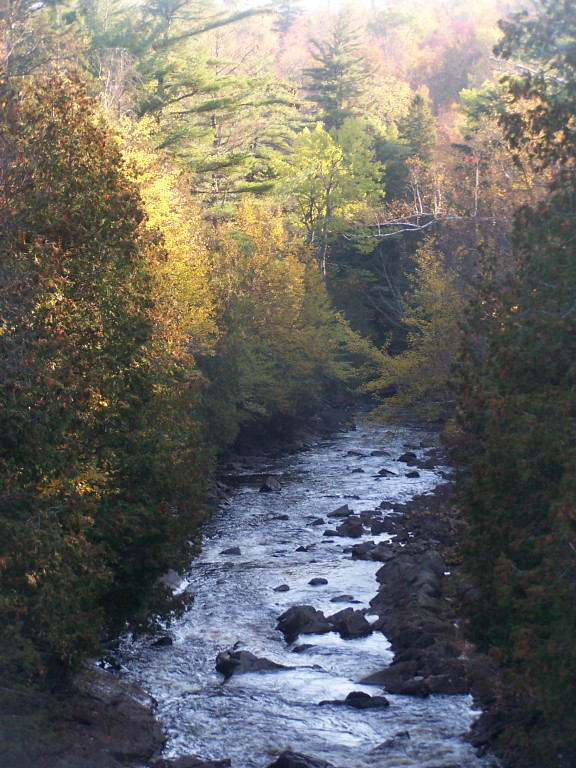
Saranac River
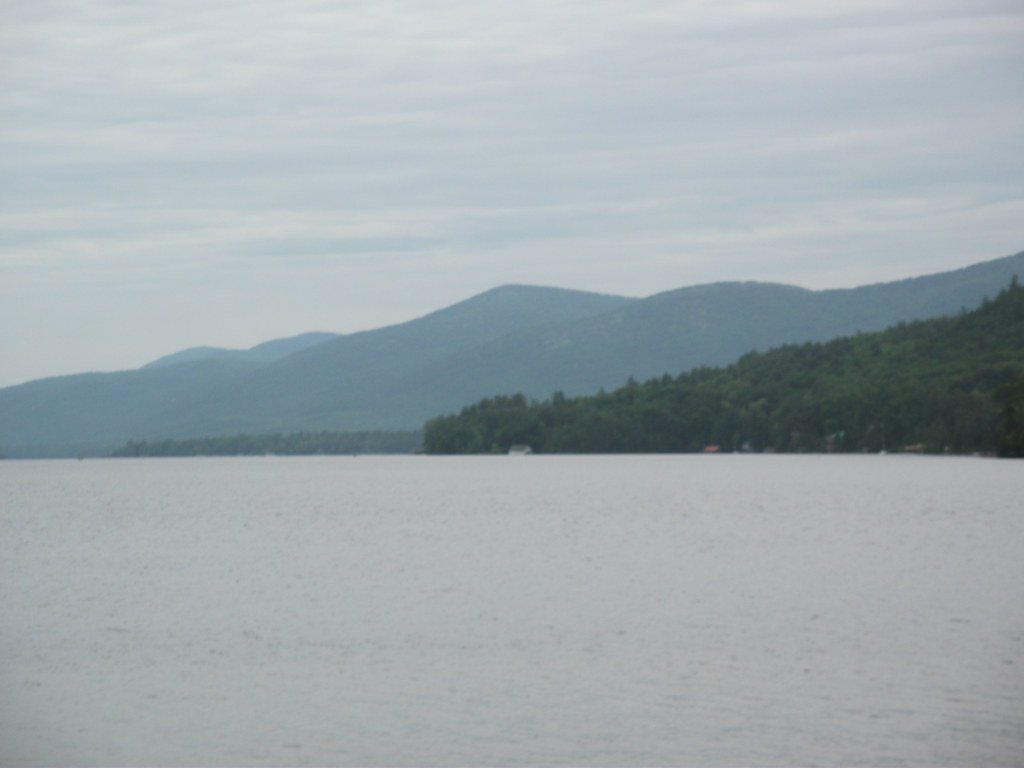
Lake George
New Haven River
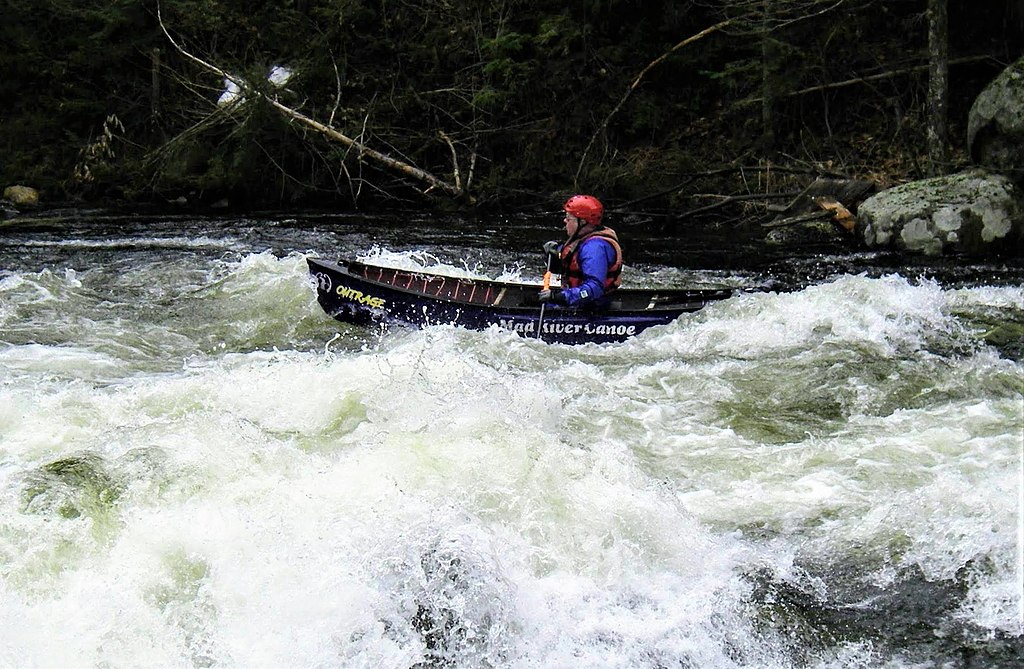
Schroon River
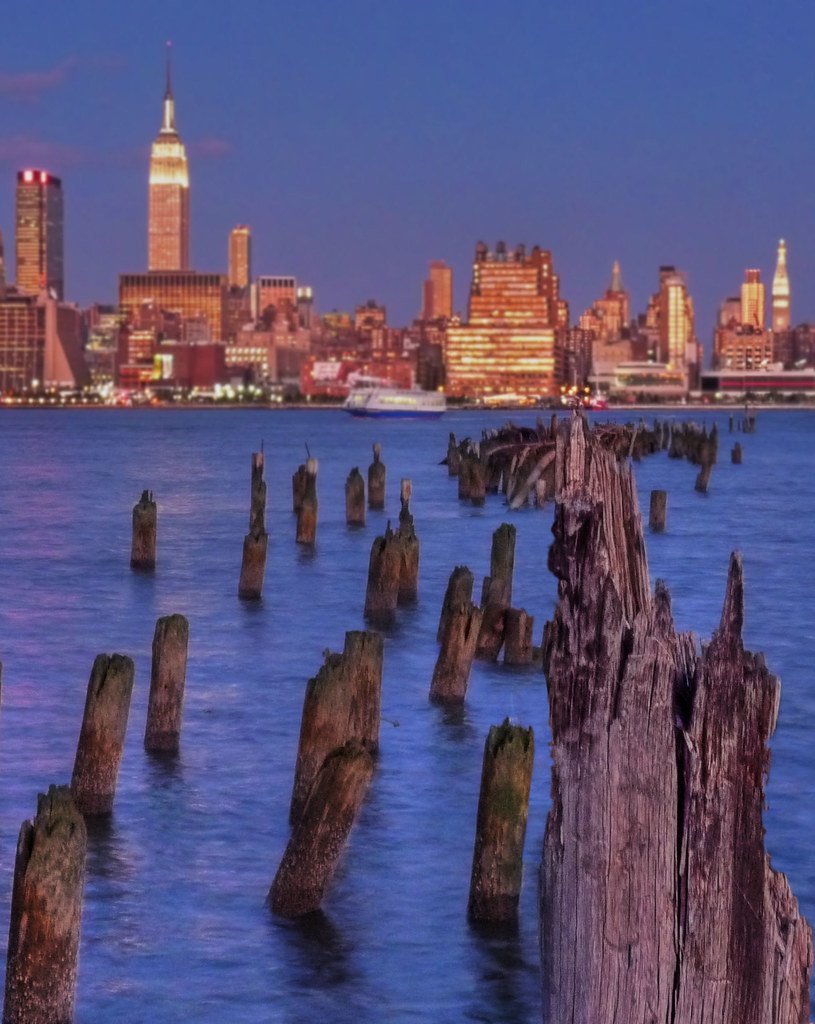
Hudson River
What to know
Habitat Distribution
- In Vermont, they're distributed widely across the Lake Champlain drainage system and are particularly common in pools and runs of various stream sizes and flow speeds in the Eastern Panhandle, as well as portions of the Potts Creek and James River drainage.
Key Locations
- In Vermont, productive locations include the Connecticut River system and various Lake Champlain tributaries.
Specific Spots
- Target deeper pools and slower-moving water during the day, then focus on shallow areas at night.
Fallfish FAQ
Answers from onWater's species guide.
What are the best lures and bait for Fallfish in Vermont?
For conventional tackle, use moving baits like spinnerbaits (Joe's Flies), Phoebe spoons, stickbaits, and top-water lures.
What flies work for Fallfish in Vermont?
Swing Isonychia soft hackles during summer hatches. Any typical streamer or crayfish pattern works well, as does dragging nymphs along the stream bottom. Fallfish readily take both dry flies during surface hatches and large wet flies and streamers at night for heart-stopping strikes.
When is the best time to fish for Fallfish in Vermont?
The best fishing occurs from late June through fall when water temperatures are elevated, as fallfish remain active while trout seek thermal refuge. Best success comes from fishing 10 AM to 3 PM during fall when fish need time to warm up, or during night sessions when they actively hunt larger prey.
How do you catch Fallfish in Vermont?
For fly fishing, swing Isonychia soft hackles during summer hatches when fallfish feed on naturals swimming toward banks. Any typical streamer or crayfish pattern works well, as does dragging nymphs along the stream bottom.
What do Fallfish eat?
They're opportunistic omnivores with a diet that changes dramatically with age - juveniles primarily eat chironomids and zooplankton, while adults over 100mm transition to small fish (including their own young), fish e.g.gs, terrestrial insects, crayfish, and aquatic insects.
Fish smarter with real-time insights
Whether you're en route and conditions shift or you're looking for the best spot based on current flows, we enable you to make informed decisions on the fly.




See it in the app
Most maps show you water.
onWater shows you Fallfish.



- 01 · Species map filter
Map every Fallfish water
Pick Fallfish and the map zeroes in on the waters they call home. No more guessing which lake holds them.
- 02 · Waterbody species
Tap any water. See what lives there.
Species, behavior and seasonal patterns for every lake, river and pond, before you leave the driveway.
- 03 · Angler Intelligence
Ask how to catch Fallfish
Tactics, gear and timing from onWater's AI fishing guide, tuned to the species and the water you're on.
Stop guessing where Fallfish are.
Open the map, filter by Fallfish, and head to water that holds them. Download onWater and plan your next trip in minutes.
- Species map filter
- Angler Intelligence
- Fishing journal
Explore other species
Trout, bass, salmon, panfish and everything in between. Each guide unpacks the behavior, seasons, and tactics that put fish in the net.
No species information available.
Vermont licenses and regulations
Explore nearby waters
Explore Vermont waters
Top fishing waters
Popular Cities
Loading popular cities...

Smarter Fishing Starts in the App.
onWater Fish gives you everything you need to plan smarter, fish better, and own every trip from first cast to last.