Freshwater Drum

Freshwater Drum (Aplodinotus grunniens) in Vermont are ranked S4 G5, indicating they are common to uncommon but apparently secure.
They're the only member of the drum family in North America living entirely in freshwater, found in the Lake Champlain drainage system where they reach their northeastern range limits.
Scientific Name: Aplodinotus grunniens
- These deep-bodied, silvery fish have distinctive features including a notched dorsal fin, lateral line extending into their rounded tail, and can reach impressive sizes - the world record is 54.5 pounds.
Fishing in Vermont
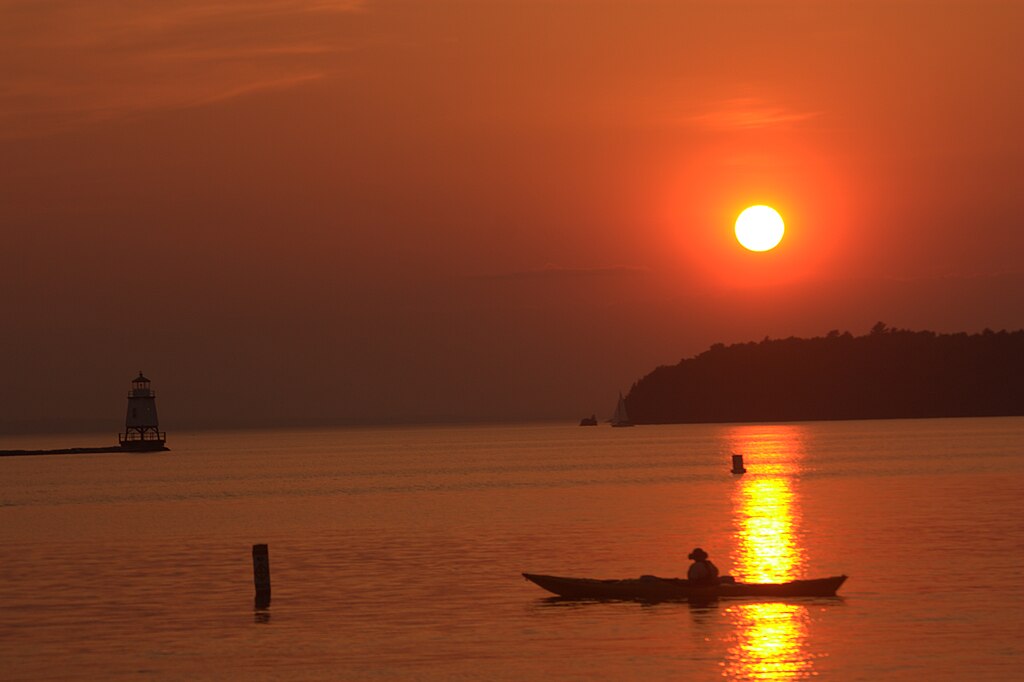
Lake Champlain
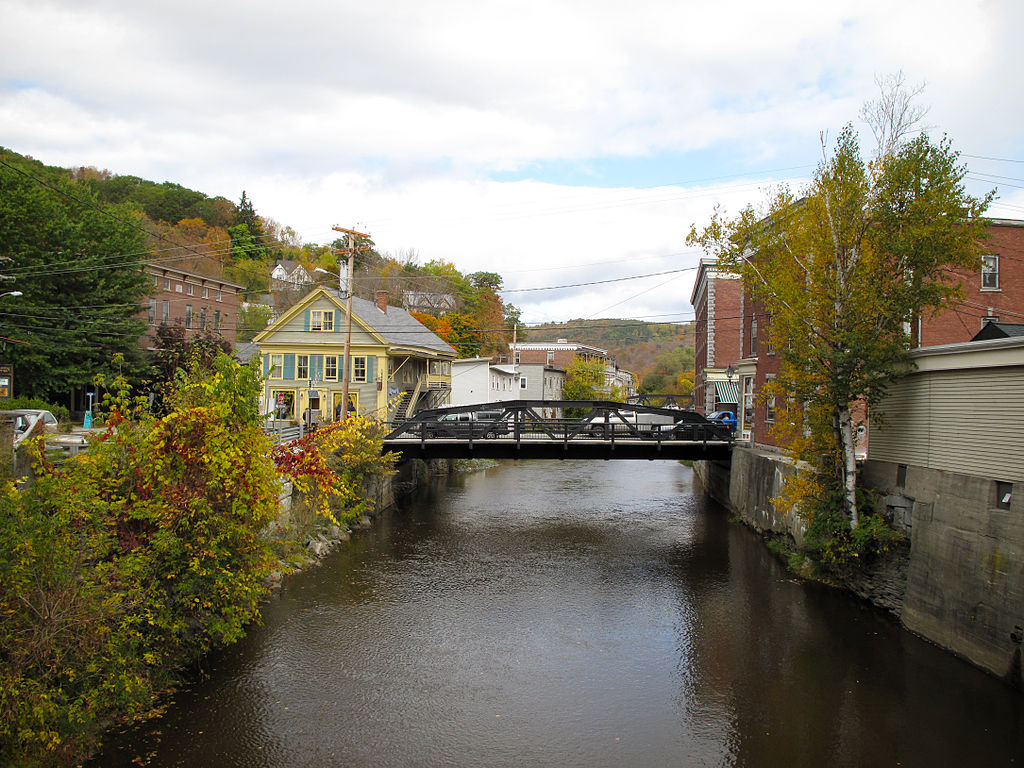
Winooski River
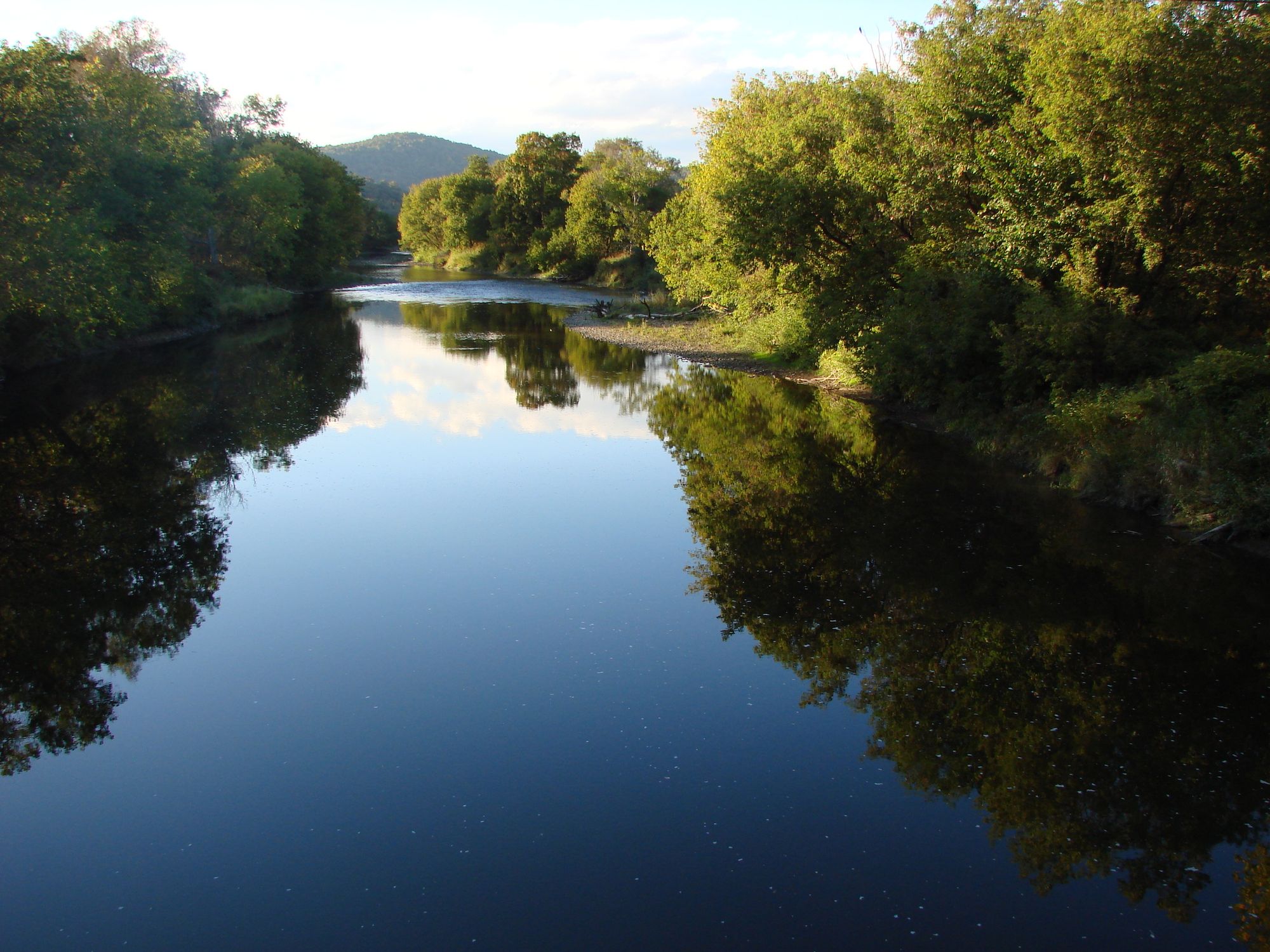
Lamoille River
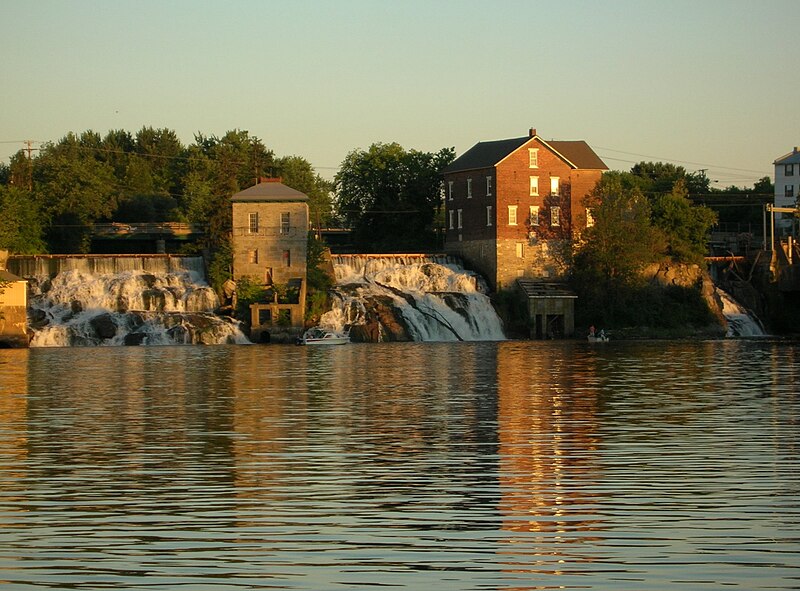
Otter Creek
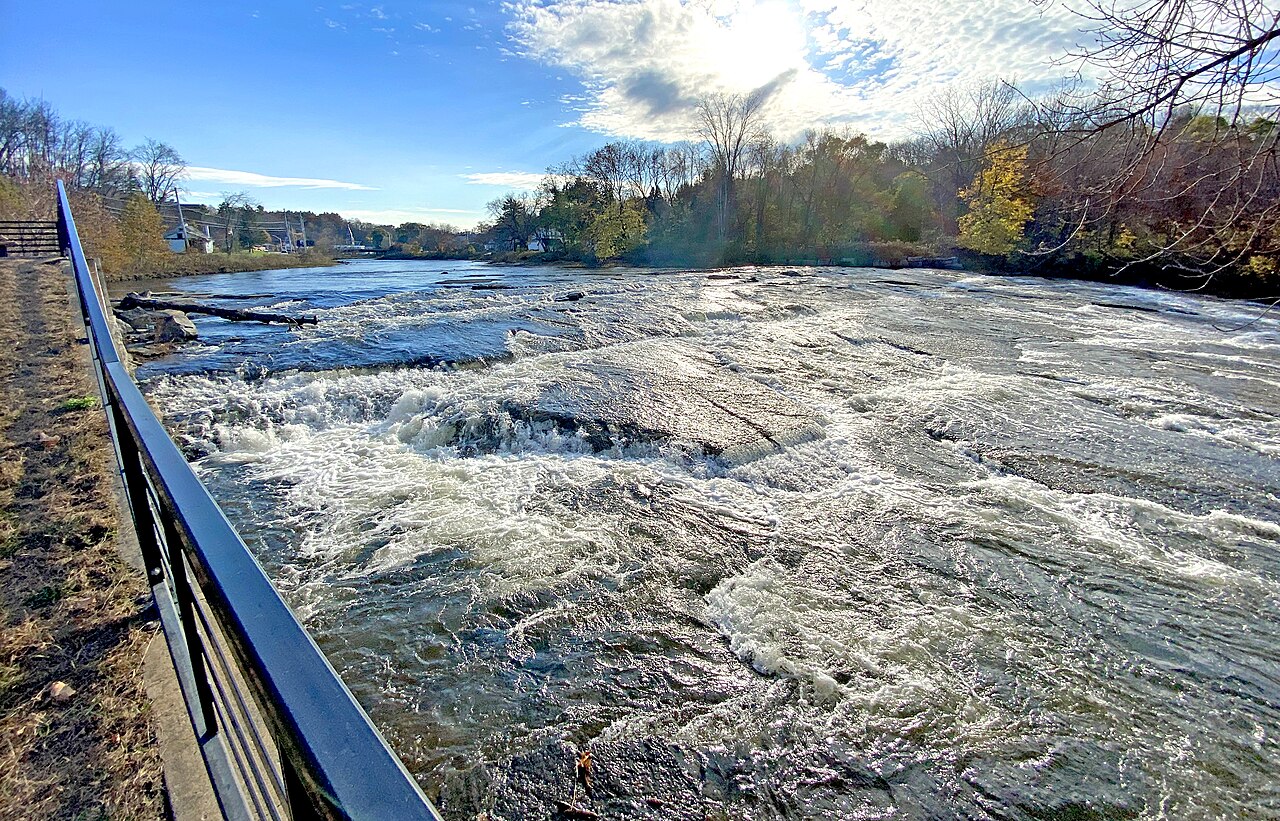
Boquet River
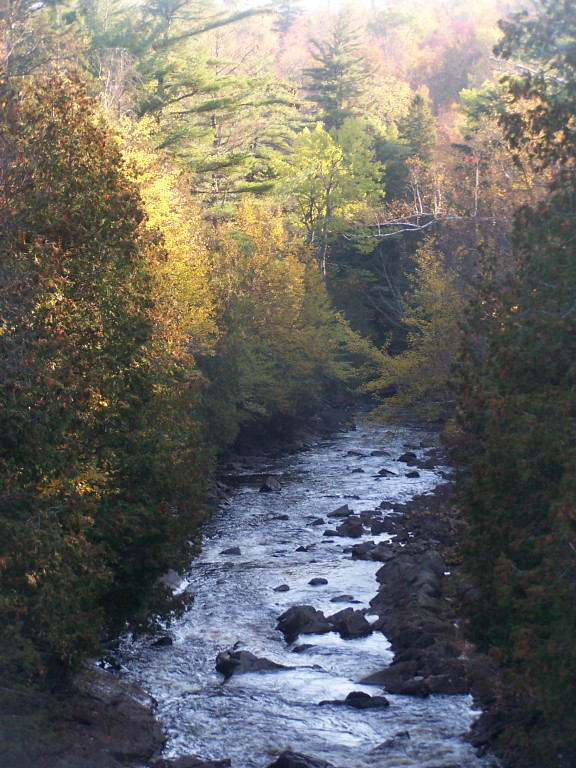
Saranac River
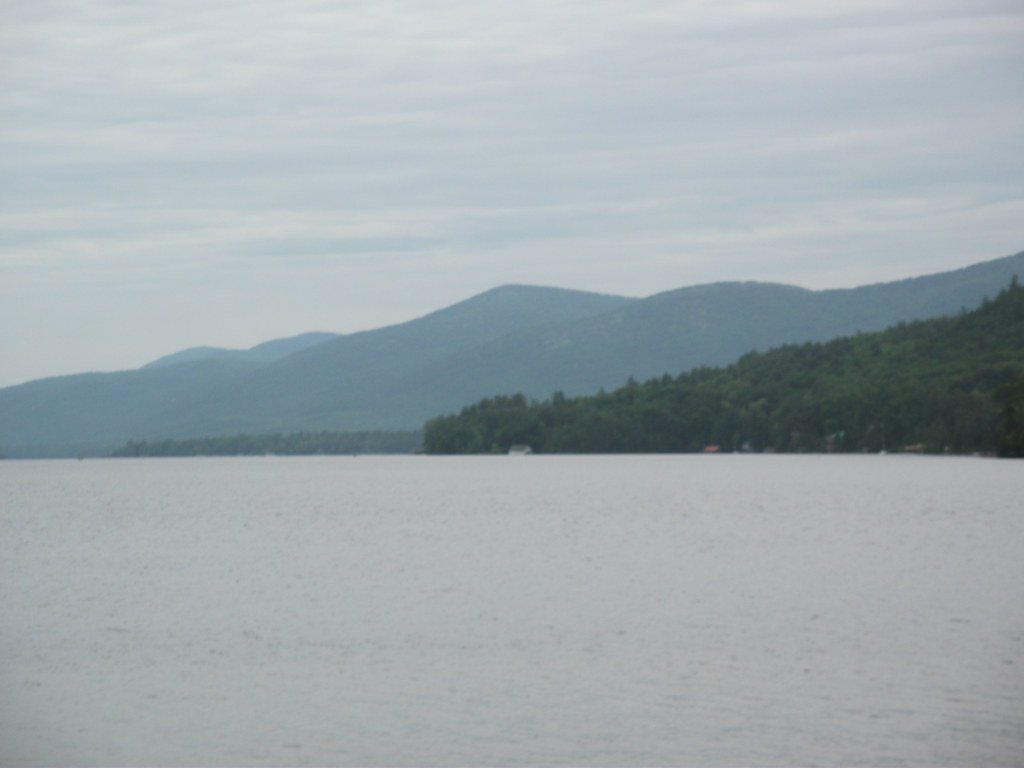
Lake George
New Haven River
Schroon River
Hudson River
What to know
Habitat Distribution
- Found in the Lake Champlain drainage system where they reach their northeastern range limits.
- Vermont drum inhabit the bottom of medium to large lakes and rivers up to 40-60 foot depths, preferring clear water but tolerating turbid conditions.
Key Locations
- Key Vermont locations include Lake Champlain around Button Bay State Park and Salmon Hole on the Winooski River where they're found alongside other species.
Specific Spots
- Fish deeper areas of Lake Champlain and its tributaries, focusing on 5-15 foot depths along rocky reefs, steep drop-offs, current seams, and areas where fast water meets slower water.
Freshwater Drum FAQ
Answers from onWater's species guide.
What are the best lures and bait for Freshwater Drum in Vermont?
Night crawlers are extremely effective fished on or near bottom. Small jigs with crayfish imitations, small minnows, shiners, crickets, and freshwater shrimp are productive. Artificial lures include small spoons (gold dimpled or silver), crankbaits, spinners, jerk baits, and tube jigs.
What flies work for Freshwater Drum in Vermont?
Productive patterns include Clouser Minnows in chartreuse/white, olive/white, or brown/white, size #6-#2 Woolly Buggers in black or olive with pearlescent or fluorescent red flash, Muddler Minnows in natural deer hair, and black beadhead stonefly nymphs in sizes #10-#6.
When is the best time to fish for Freshwater Drum in Vermont?
Peak activity occurs in June and July. In spring and fall, target slower pools near faster water and rocky outcroppings. Summer requires deeper water fishing, while winter demands fishing the deepest available water up to 60 feet where temperatures remain constant.
How do you catch Freshwater Drum in Vermont?
Present baits by casting upstream and letting current carry offerings downstream, or work lures with upward flips to mimic crayfish movement.
What do Freshwater Drum eat?
They're opportunistic feeders with underslung mouths perfectly adapted for bottom feeding. Adults primarily consume benthic invertebrates including crayfish, insect larvae (especially mayflies and caddisflies), mollusks, and importantly zebra mussels - helping control these invasive species.
Fish smarter with real-time insights
Whether you're en route and conditions shift or you're looking for the best spot based on current flows, we enable you to make informed decisions on the fly.




See it in the app
Most maps show you water.
onWater shows you Freshwater Drum.



- 01 · Species map filter
Map every Freshwater Drum water
Pick Freshwater Drum and the map zeroes in on the waters they call home. No more guessing which lake holds them.
- 02 · Waterbody species
Tap any water. See what lives there.
Species, behavior and seasonal patterns for every lake, river and pond, before you leave the driveway.
- 03 · Angler Intelligence
Ask how to catch Freshwater Drum
Tactics, gear and timing from onWater's AI fishing guide, tuned to the species and the water you're on.
Stop guessing where Freshwater Drum are.
Open the map, filter by Freshwater Drum, and head to water that holds them. Download onWater and plan your next trip in minutes.
- Species map filter
- Angler Intelligence
- Fishing journal
Explore other species
Trout, bass, salmon, panfish and everything in between. Each guide unpacks the behavior, seasons, and tactics that put fish in the net.
No species information available.
Vermont licenses and regulations
Explore nearby waters
Explore Vermont waters
Top fishing waters
Popular Cities
Loading popular cities...

Smarter Fishing Starts in the App.
onWater Fish gives you everything you need to plan smarter, fish better, and own every trip from first cast to last.