Burbot

Burbot are the only fully freshwater members of the cod family, found in Vermont's cold-water lakes and streams. These nocturnal bottom-dwellers are voracious predators and cold-water specialists, most active during winter months when water temperatures drop.
Scientific Name: Lota lota
- These elongated, slimy fish have mottled coloration in shades of brown, yellow, and black that provides excellent camouflage.
- They feature a distinctive single barbel (sensory organ) under their chin, two dorsal fins with the second being much longer, and small embedded scales that make them extremely slippery to handle.
Fishing in Vermont

Lake Champlain
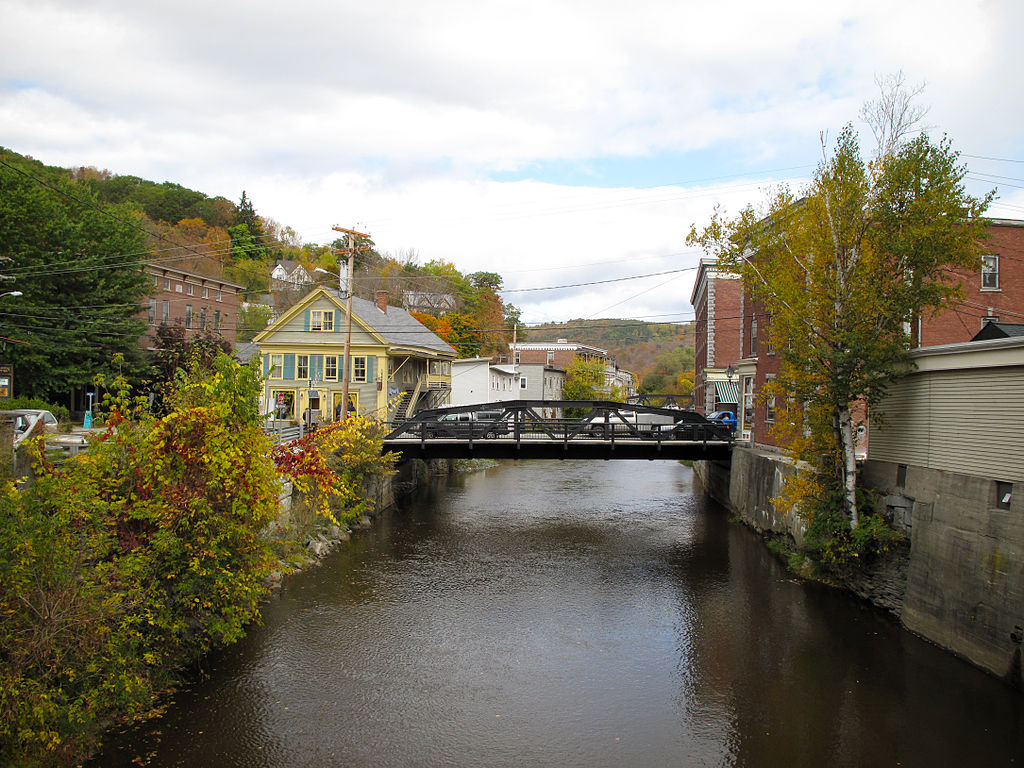
Winooski River
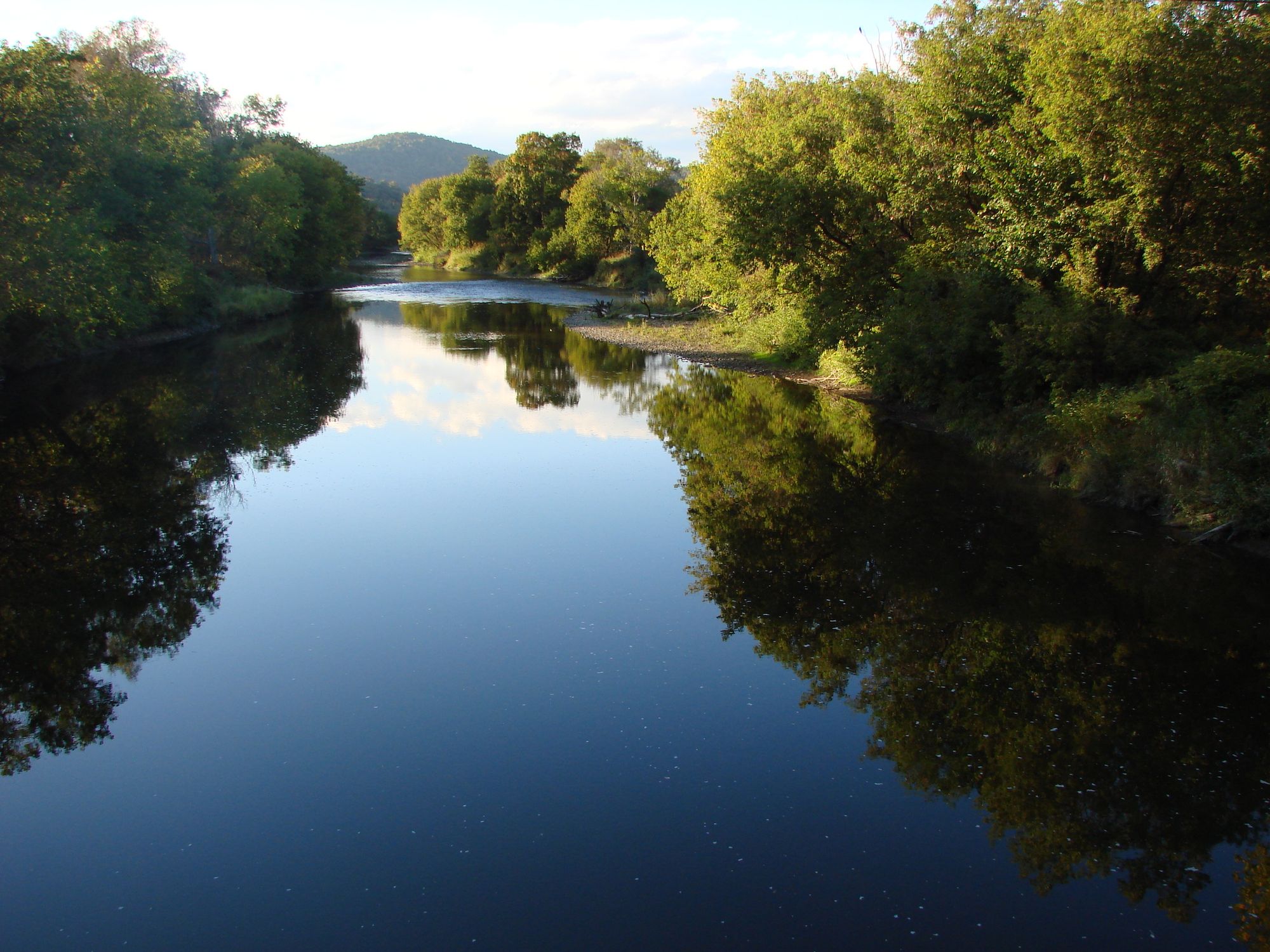
Lamoille River

Otter Creek
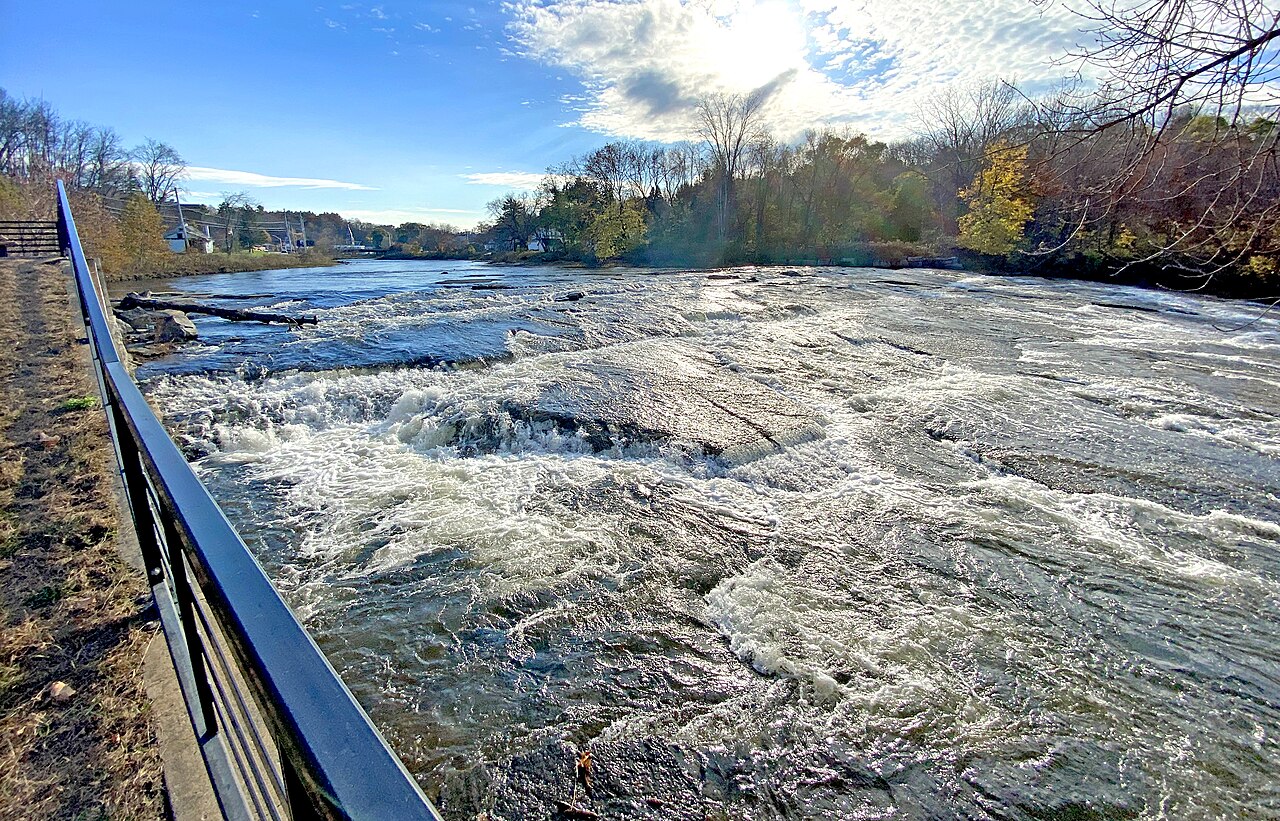
Boquet River
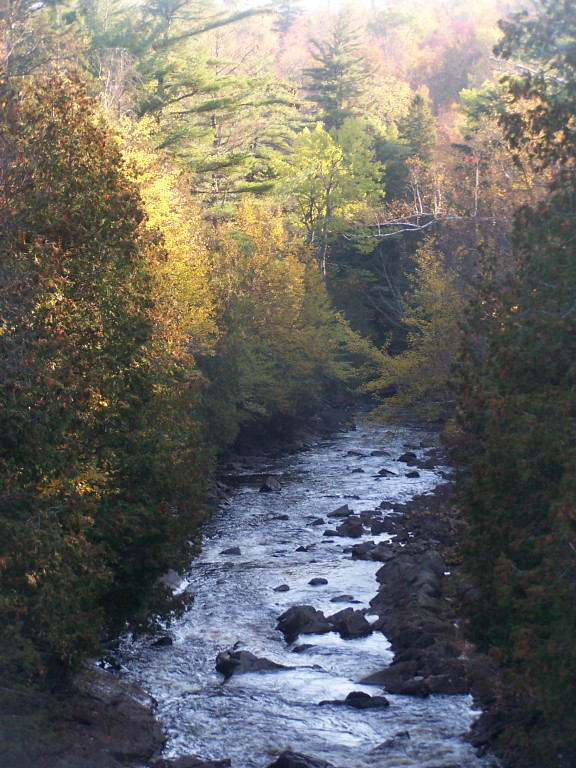
Saranac River
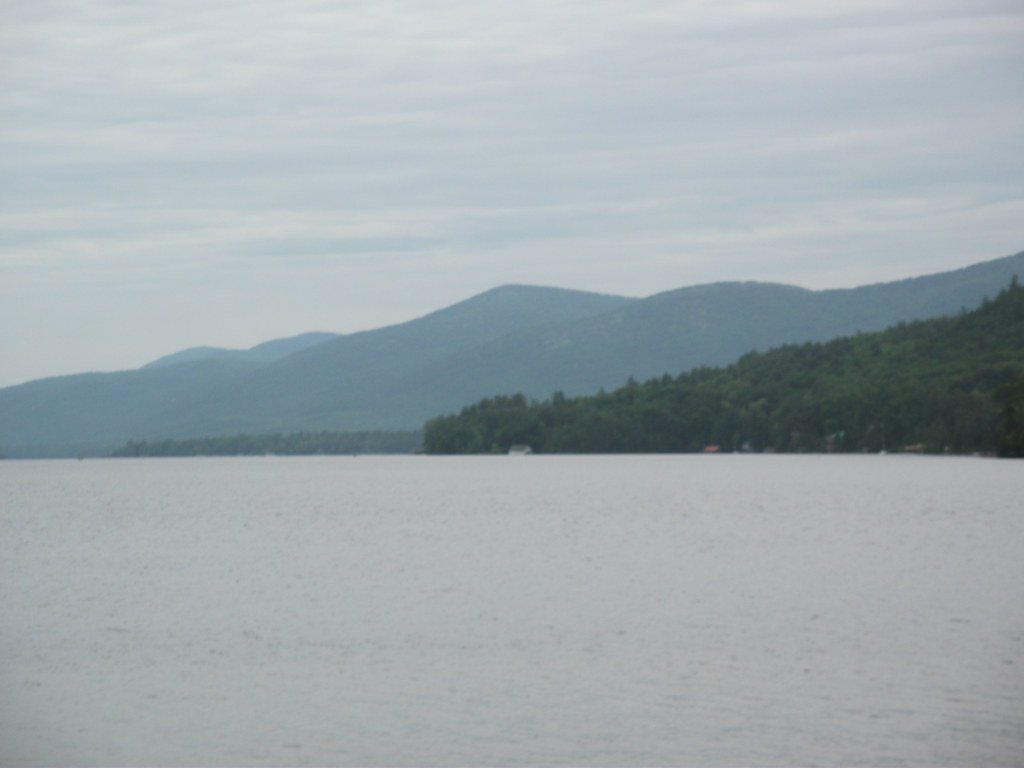
Lake George
New Haven River
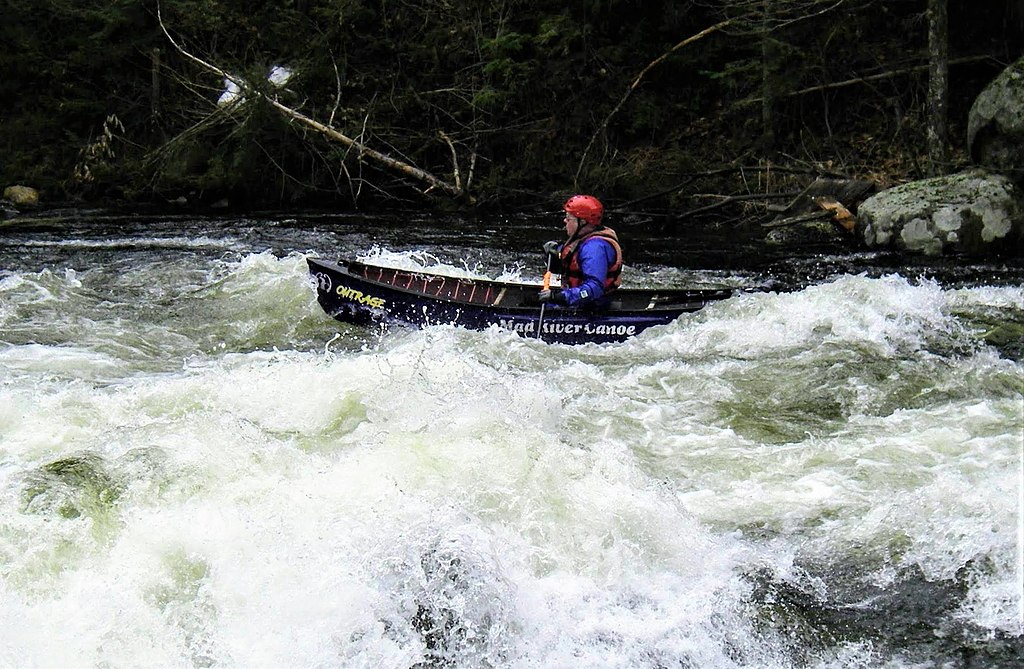
Schroon River

Hudson River
What to know
Habitat Distribution
- Fish found in streams and lakes across the state, though the largest specimens inhabit lakes where they can reach impressive sizes.
- They prefer deep, cold lakes and medium to large cool rivers with varied substrates.
Key Locations
- Vermont's cold-water lakes and streams, with the largest specimens typically found in Vermont's deeper lakes rather than streams.
Specific Spots
- Target areas where shallow water meets deep water, particularly around structure.
- Set up over rocky structure, reefs, bars, or humps in 15-20 feet of water.
- They spend daylight hours sheltered under rock slabs, large debris, or burrowed in the substrate.
Burbot FAQ
Answers from onWater's species guide.
What are the best lures and bait for Burbot in Vermont?
Live or cut baitfish including smelt, shiners, suckers, chub, or frozen smelt - burbot are attracted to scent, so fresh bait is crucial. Some successful anglers use clear mesh bags filled with chopped frozen smelt as an effective presentation.
When is the best time to fish for Burbot in Vermont?
The prime season for burbot fishing in Vermont is during ice-covered months from December through March when they're most active, though avoid fishing during their spawning period (December-April) when they form breeding aggregations.
How do you catch Burbot in Vermont?
When jigging actively, be aggressive with jigging - pound the bottom to create noise and stir up sediment, then lift the bait several feet off bottom and pause, as strikes often occur during these pauses between erratic movements. Keep baits near the substrate as burbot feed close to bottom.
What do Burbot eat?
Diet changes with age - young fish feed on aquatic insects, crayfish, and mollusks, while adults primarily consume other fish including smelt, yellow perch, alewife, sticklebacks, sculpin, and various minnow species, supplemented by invertebrates and fish e.g.gs.
Where do Burbot live in Vermont?
Fish found in streams and lakes across the state, though the largest specimens inhabit lakes where they can reach impressive sizes. They prefer deep, cold lakes and medium to large cool rivers with varied substrates.
Fish smarter with real-time insights
Whether you're en route and conditions shift or you're looking for the best spot based on current flows, we enable you to make informed decisions on the fly.




See it in the app
Most maps show you water.
onWater shows you Burbot.



- 01 · Species map filter
Map every Burbot water
Pick Burbot and the map zeroes in on the waters they call home. No more guessing which lake holds them.
- 02 · Waterbody species
Tap any water. See what lives there.
Species, behavior and seasonal patterns for every lake, river and pond, before you leave the driveway.
- 03 · Angler Intelligence
Ask how to catch Burbot
Tactics, gear and timing from onWater's AI fishing guide, tuned to the species and the water you're on.
Stop guessing where Burbot are.
Open the map, filter by Burbot, and head to water that holds them. Download onWater and plan your next trip in minutes.
- Species map filter
- Angler Intelligence
- Fishing journal
Explore other species
Trout, bass, salmon, panfish and everything in between. Each guide unpacks the behavior, seasons, and tactics that put fish in the net.
No species information available.
Vermont licenses and regulations
Explore nearby waters
Explore Vermont waters
Top fishing waters
Popular Cities
Loading popular cities...

Smarter Fishing Starts in the App.
onWater Fish gives you everything you need to plan smarter, fish better, and own every trip from first cast to last.