Rock Bass

Rock Bass are common throughout Vermont waters, naturally inhabiting the St. Lawrence River, Lake Champlain and Hudson Bay drainages, and have been introduced to the Connecticut River drainage.
Scientific Name: Ambloplites rupestris
Also known as goggle eye, redeye
- Rock Bass are distinguished by their deep, oval body, large upturned mouth, and striking red iris eyes.
- These sunfish typically measure 6-7 inches, though Vermont specimens can reach 10-12 inches and live up to 12 years.
Fishing in Vermont
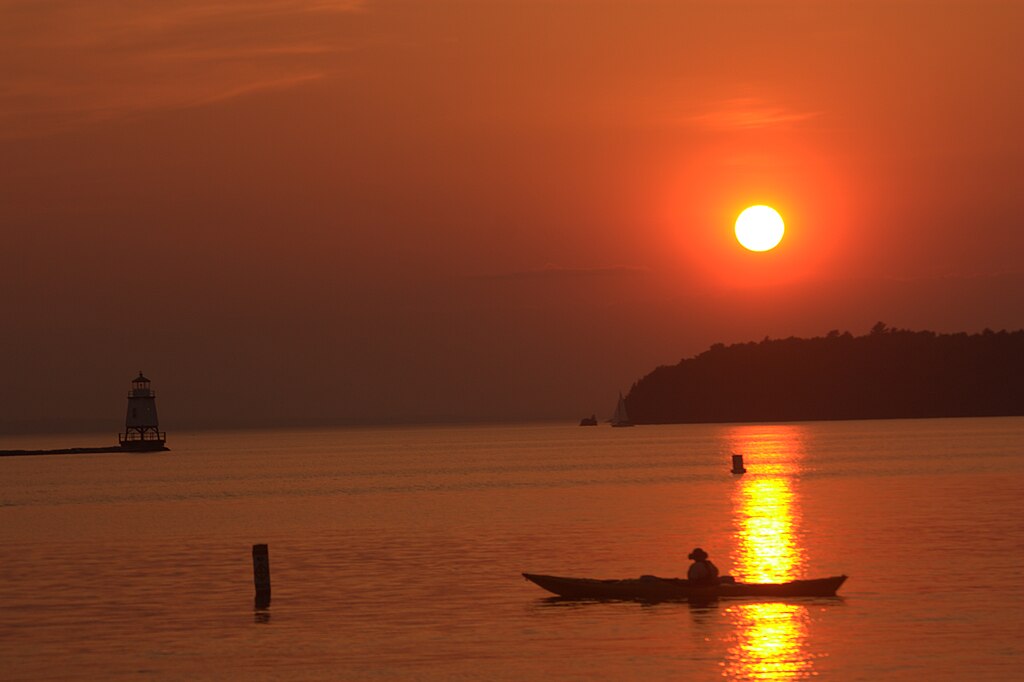
Lake Champlain
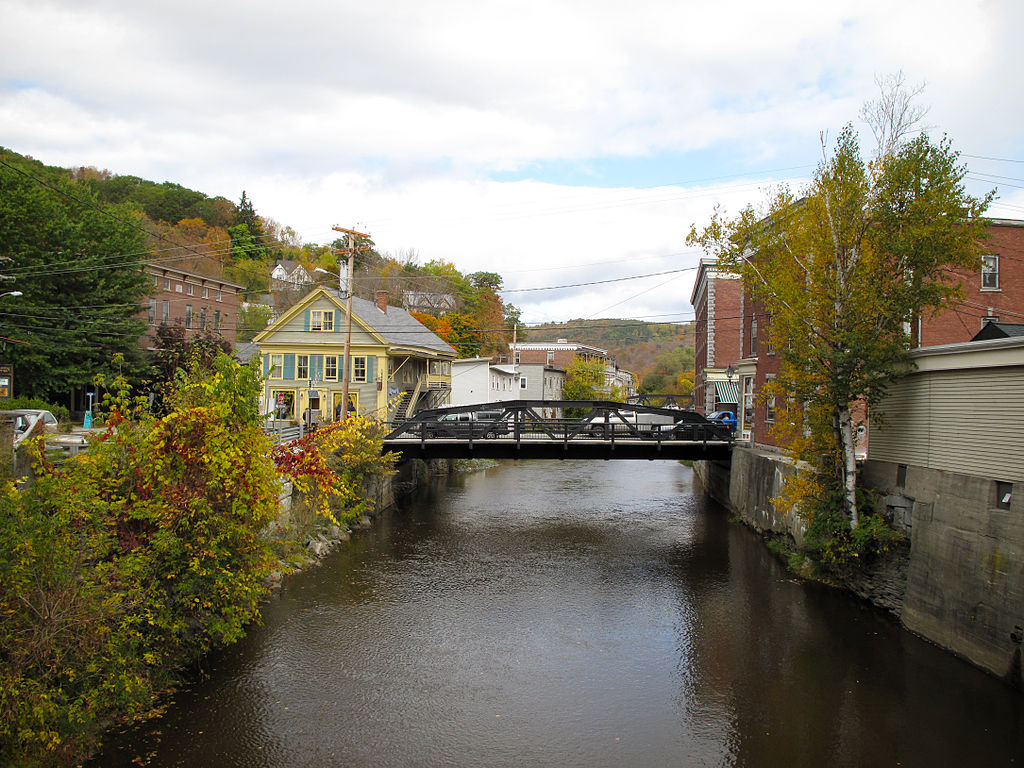
Winooski River
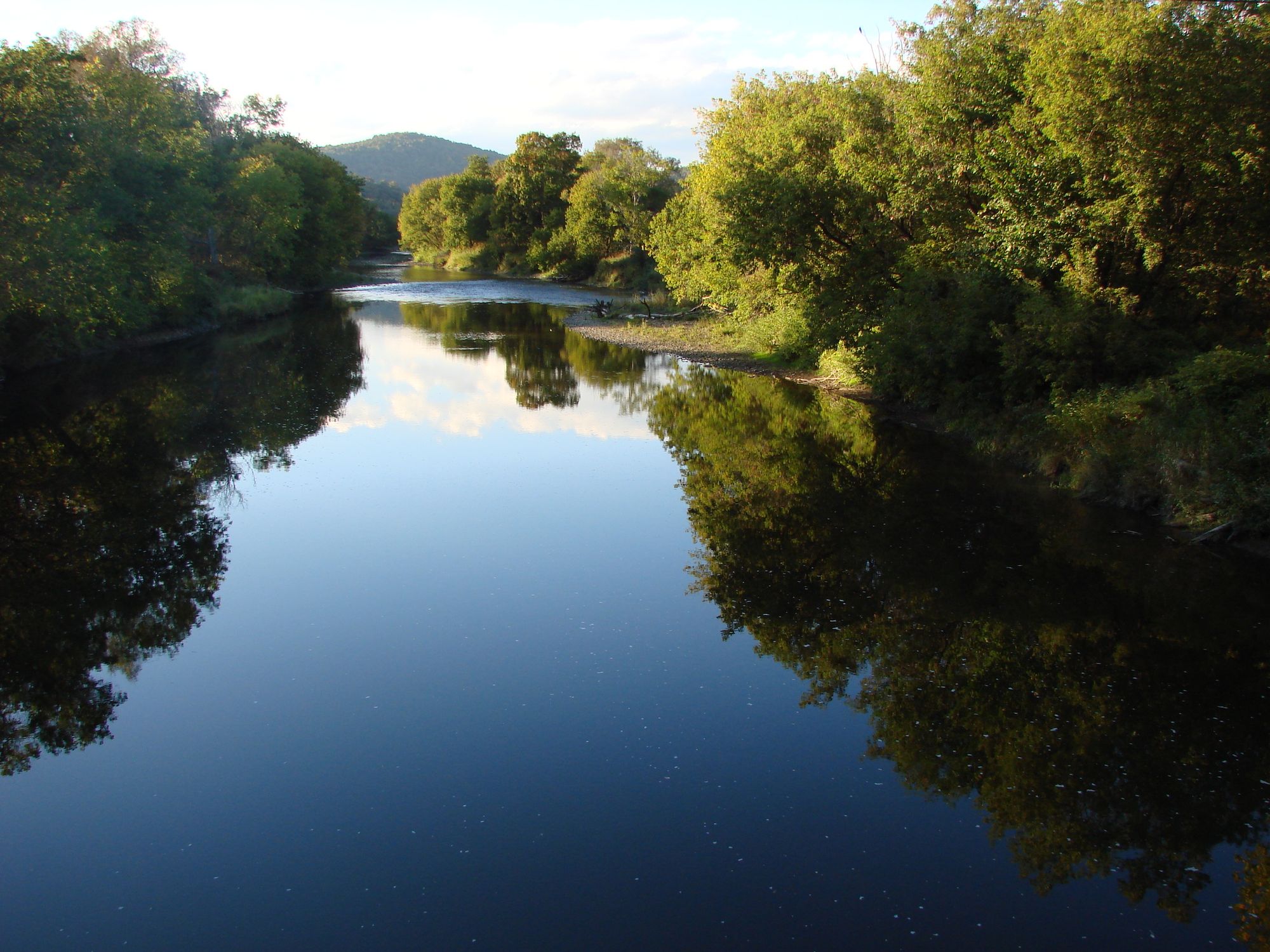
Lamoille River
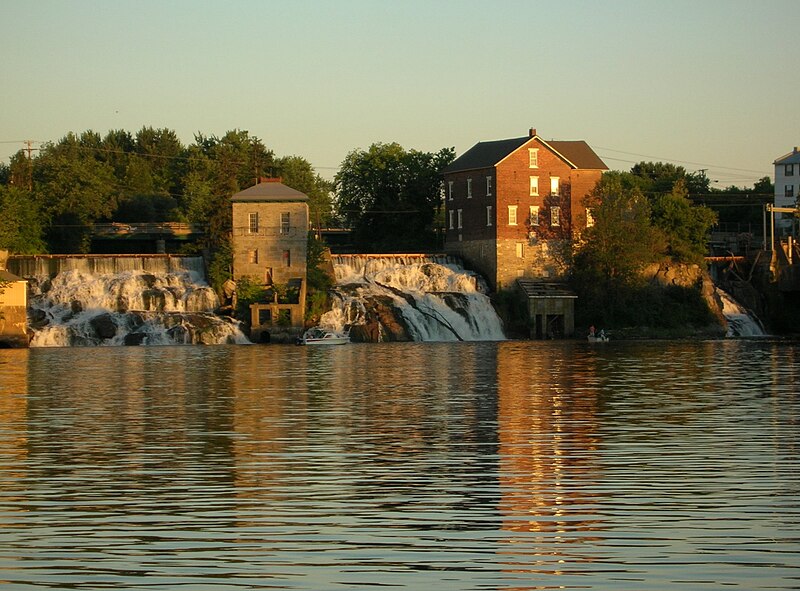
Otter Creek
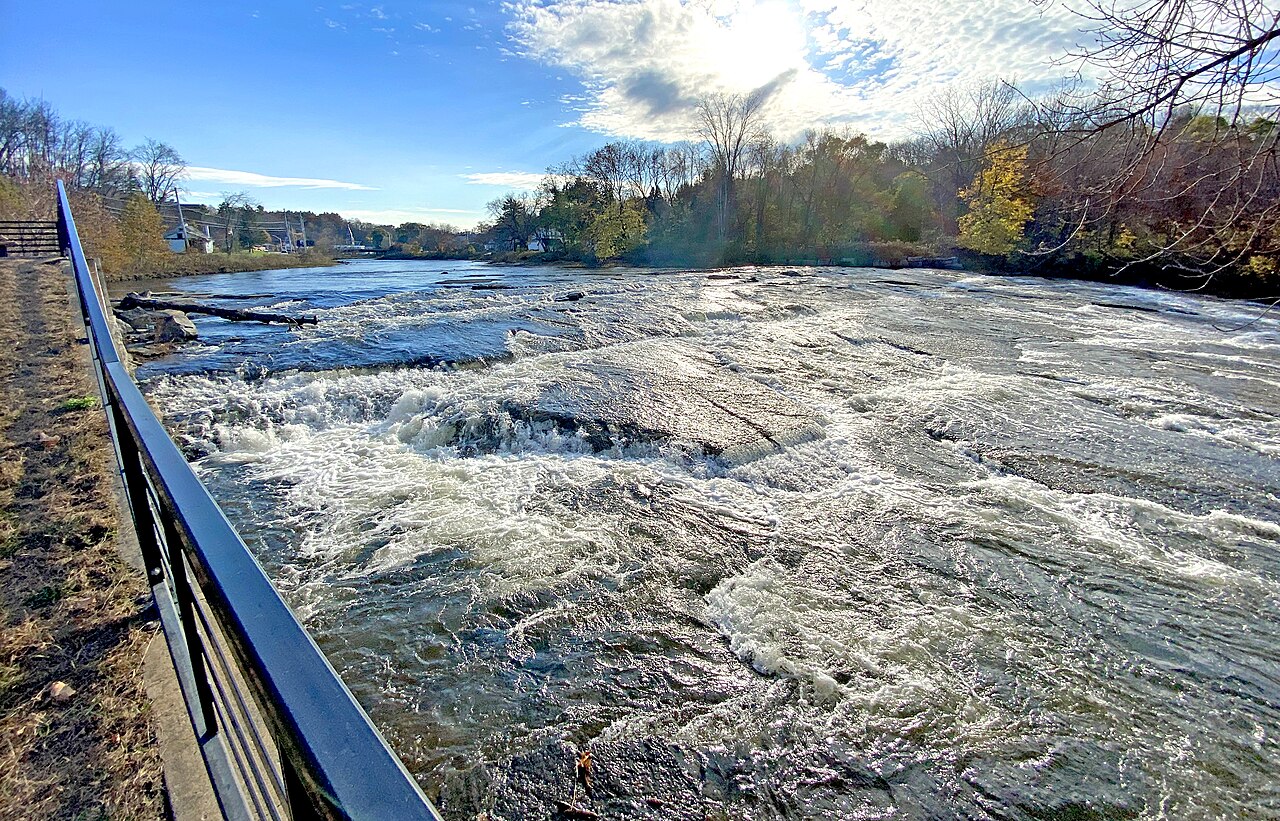
Boquet River
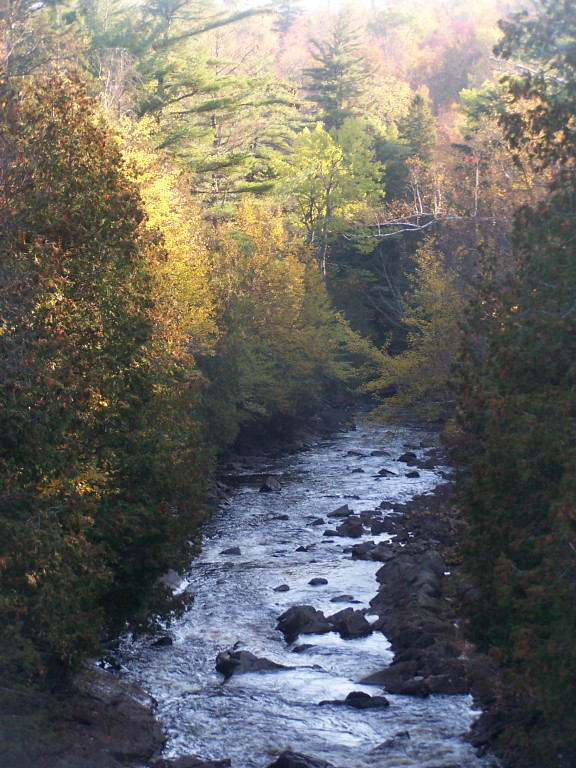
Saranac River
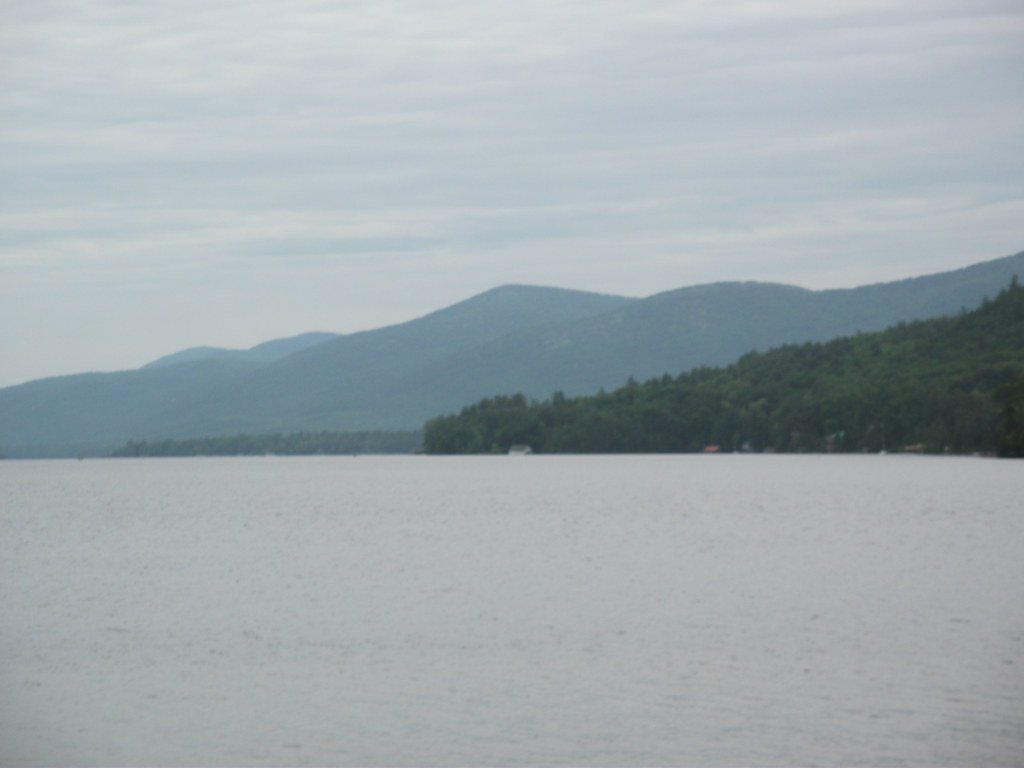
Lake George
New Haven River
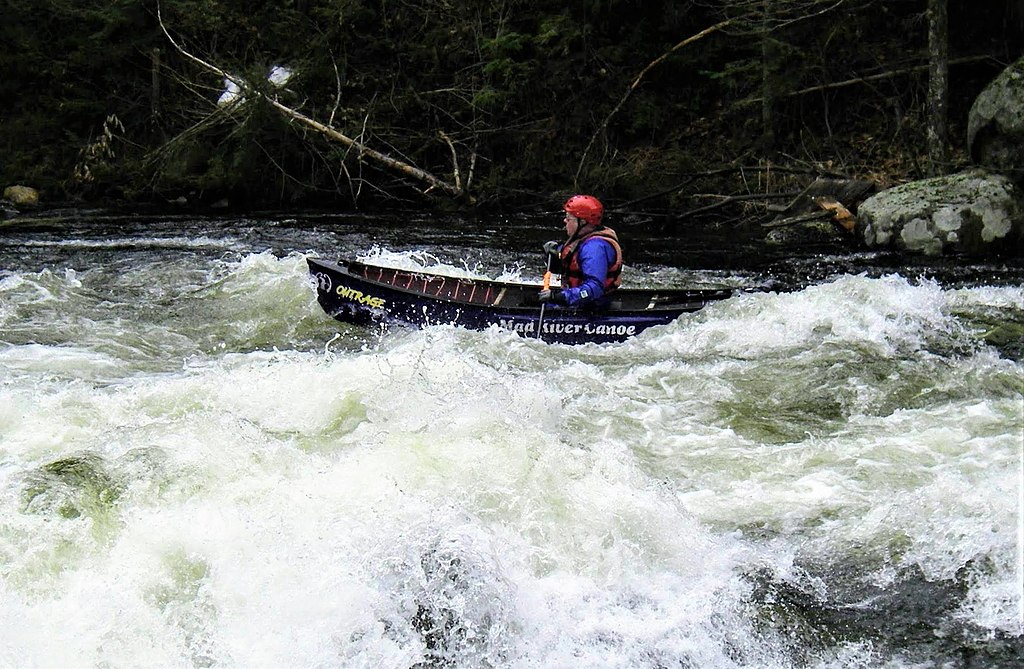
Schroon River
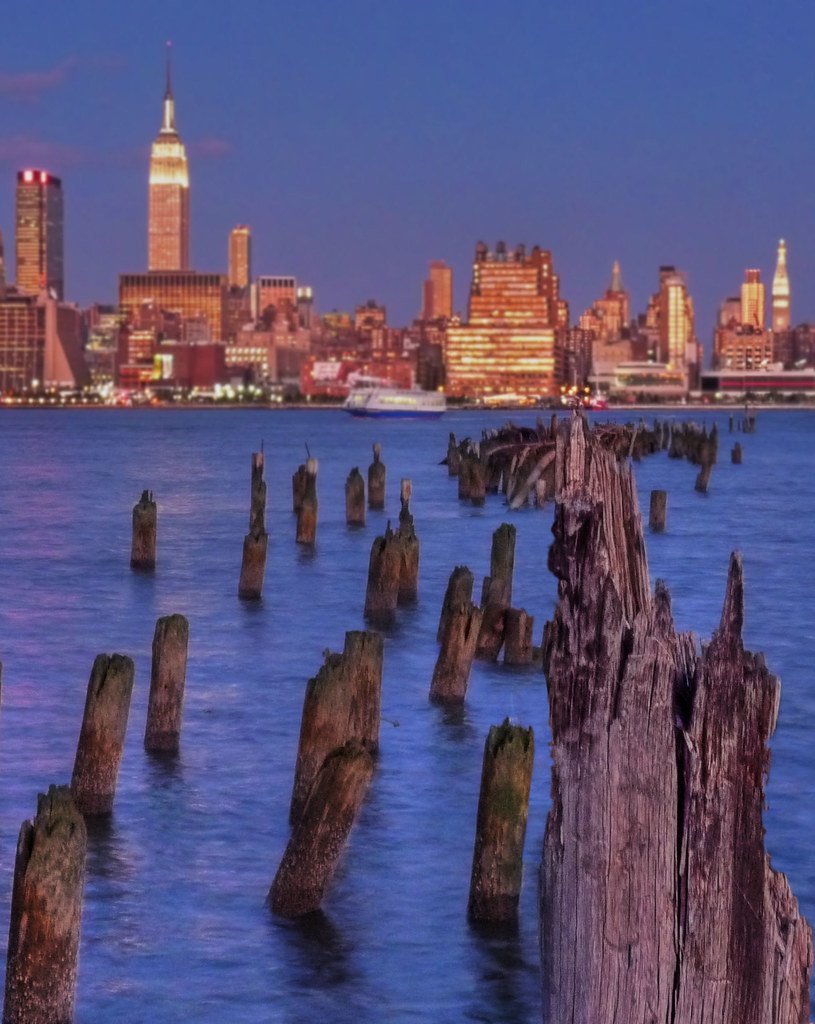
Hudson River
What to know
Habitat Distribution
- Rock Bass congregate around shallow rocky areas in still waters and slower, warm sections of rivers and streams, favoring locations with vegetation, logs, boulders, roots, and cover.
Key Locations
- They're abundant in Lake Champlain's waters, particularly from Grand Isle Gut north, as well as in waters like Gale Meadows Pond, Shelburne Bay, and various other Vermont lakes and reservoirs.
- In Lake Champlain, focus on areas from Grand Isle Gut north for the best populations.
Specific Spots
- Target shallow rocky areas, riprap, bridge pilings, gravel bars, chunk rock, and scattered structure in both shallow nearshore areas and deeper waters up to 82 feet.
- Target areas with hard bottoms near vegetation and cover, including under docks and near swimming areas.
Rock Bass FAQ
Answers from onWater's species guide.
What are the best lures and bait for Rock Bass in Vermont?
Bait with minnows or nightcrawlers for consistent results. Artificial lures include small Trout Magnets with angled heads for fast fall and unique swimming action, 6-inch Roboworm on a dropshot rig, small swimbaits, and micro crankbaits like the SPRO Little John Micro DD.
How do you catch Rock Bass in Vermont?
Keep lures moving since Rock Bass are aggressive. Target areas with hard bottoms near vegetation and cover, including under docks and near swimming areas. Schools are common, so once you locate fish, expect multiple catches in the same area.
What do Rock Bass eat?
As carnivorous feeders, they primarily consume crayfish and small fish but also eat aquatic insect larvae, amphipods, other crustaceans, and occasionally their own young. They feed most actively during evening and early morning hours.
Where do Rock Bass live in Vermont?
Rock Bass congregate around shallow rocky areas in still waters and slower, warm sections of rivers and streams, favoring locations with vegetation, logs, boulders, roots, and cover.
Fish smarter with real-time insights
Whether you're en route and conditions shift or you're looking for the best spot based on current flows, we enable you to make informed decisions on the fly.




See it in the app
Most maps show you water.
onWater shows you Rock Bass.



- 01 · Species map filter
Map every Rock Bass water
Pick Rock Bass and the map zeroes in on the waters they call home. No more guessing which lake holds them.
- 02 · Waterbody species
Tap any water. See what lives there.
Species, behavior and seasonal patterns for every lake, river and pond, before you leave the driveway.
- 03 · Angler Intelligence
Ask how to catch Rock Bass
Tactics, gear and timing from onWater's AI fishing guide, tuned to the species and the water you're on.
Stop guessing where Rock Bass are.
Open the map, filter by Rock Bass, and head to water that holds them. Download onWater and plan your next trip in minutes.
- Species map filter
- Angler Intelligence
- Fishing journal
Explore other species
Trout, bass, salmon, panfish and everything in between. Each guide unpacks the behavior, seasons, and tactics that put fish in the net.
No species information available.
Vermont licenses and regulations
Explore nearby waters
Explore Vermont waters
Top fishing waters
Popular Cities
Loading popular cities...

Smarter Fishing Starts in the App.
onWater Fish gives you everything you need to plan smarter, fish better, and own every trip from first cast to last.