White Bullhead

The White Bullhead (Ameiurus catus), also known as white catfish, is a member of the bullhead catfish family found in Kansas waters.
White bullheads are not native to Kansas but have been introduced through stocking programs and escapees from fee-fishing operations. These fish are highly adaptable and can tolerate low-oxygen environments and even brackish conditions.
Scientific Name: Ameiurus catus
Also known as white catfish
These scaleless fish have eight barbels (whiskers) - two nasal, two maxillary, and four chin barbels - with distinctive white chin barbels that help distinguish them from other bullhead species.
White bullheads typically have a dark gray to brownish back that fades to light gray on the sides and white on the belly, with a forked tail unlike the squared tails of other bullheads.
In Kansas, they typically weigh 0.5-2 pounds, though specimens over 4 pounds are possible.
Fishing in Kansas
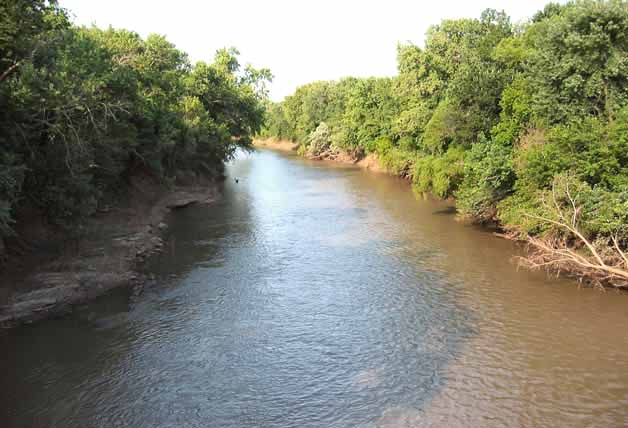
Neosho River
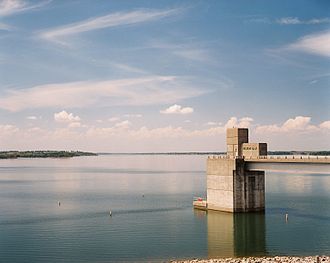
Melvern Lake
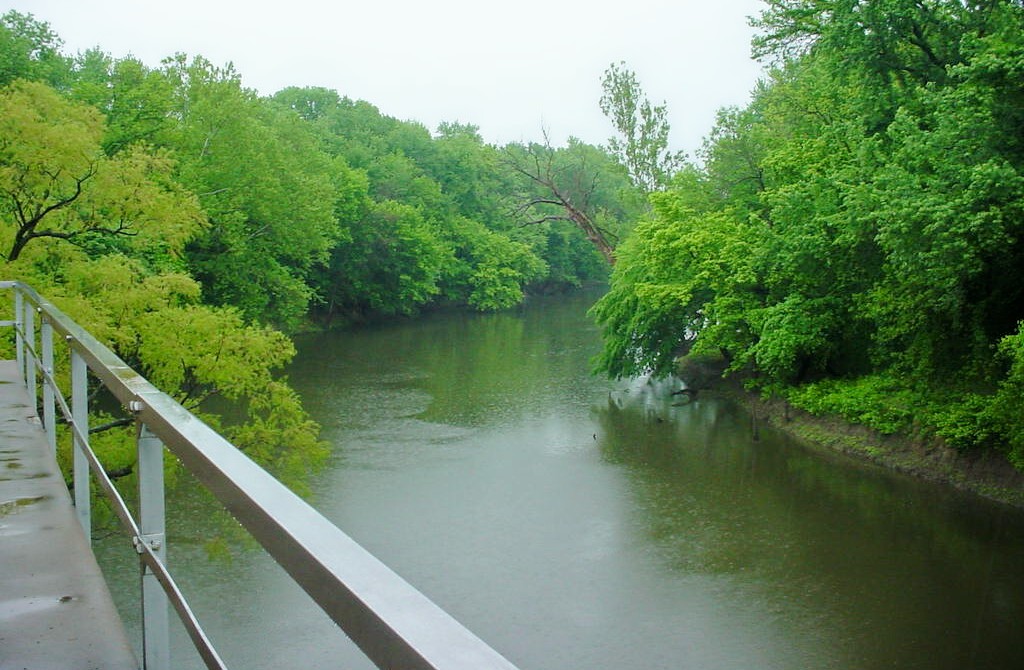
Verdigris River
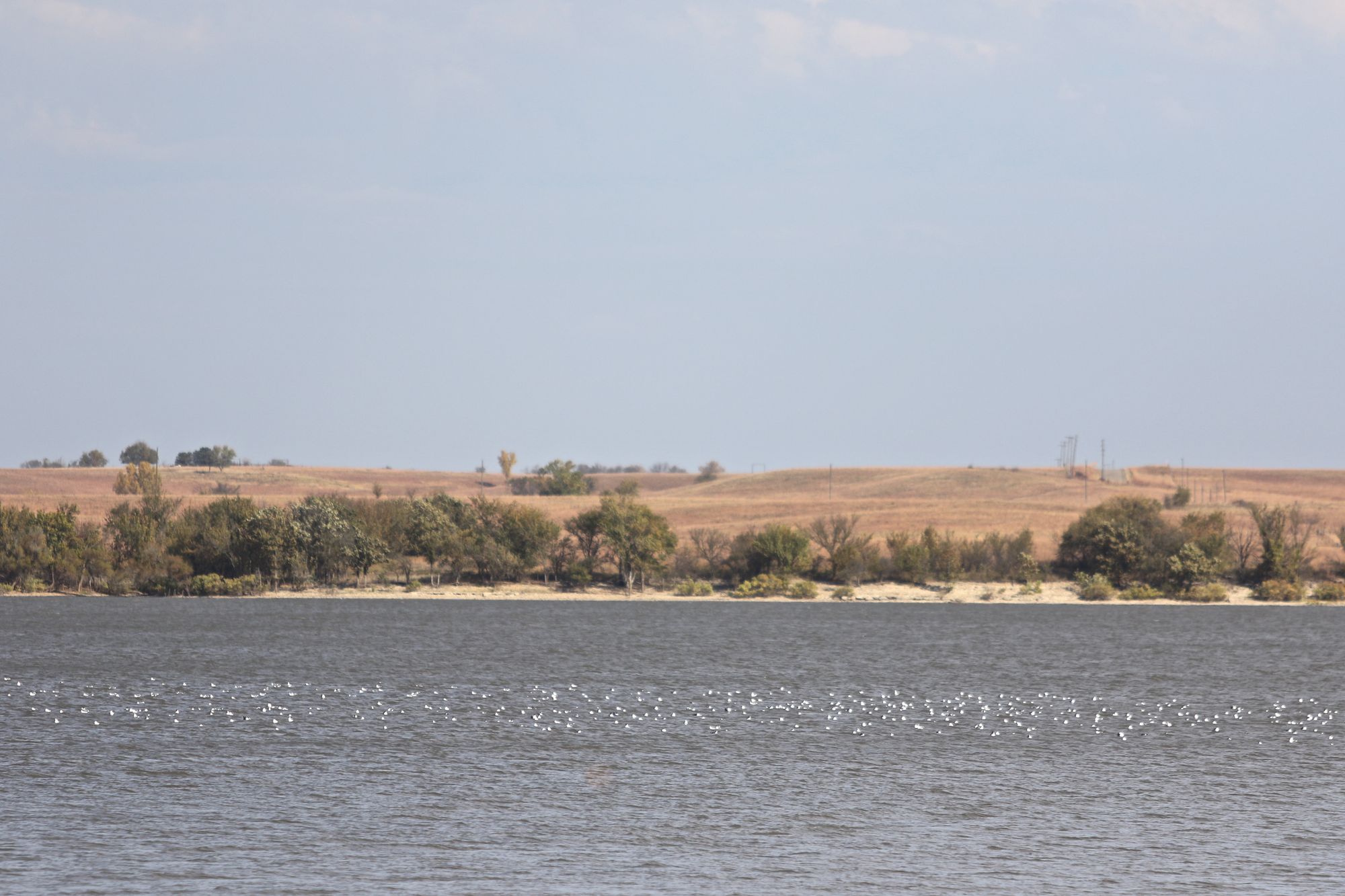
Council Grove Lake
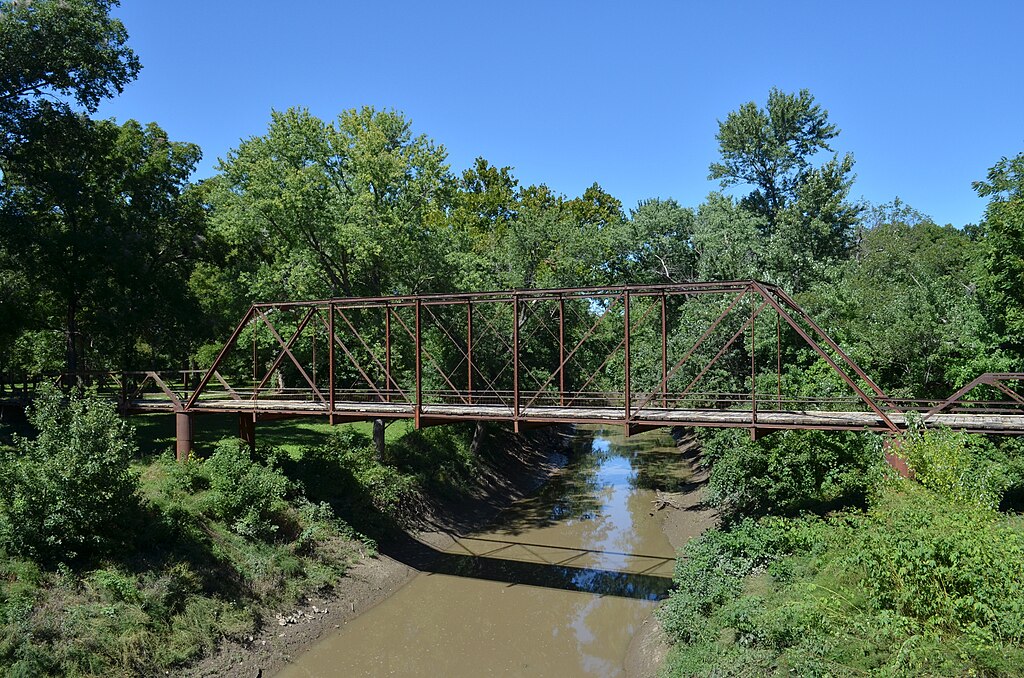
Marais des Cygnes River
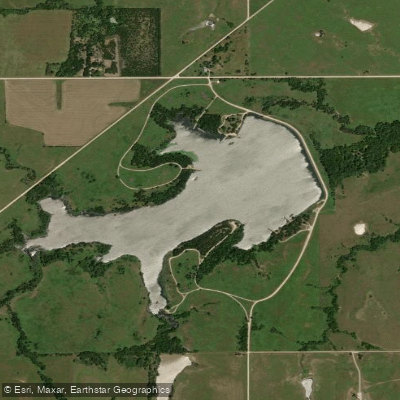
Lyon County State Lake
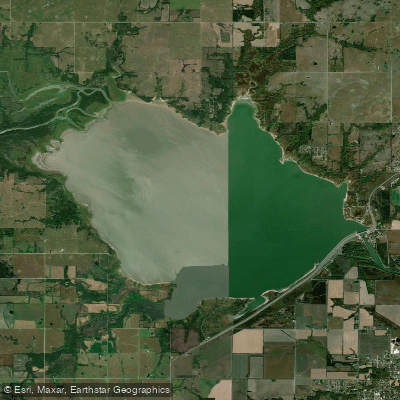
John Redmond Reservoir
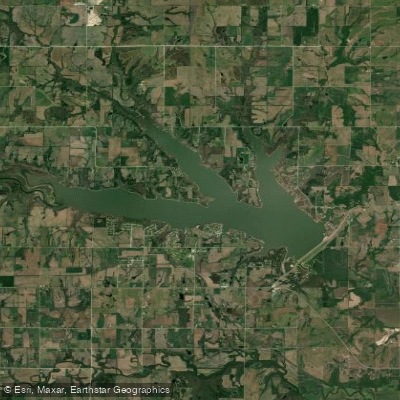
Pomona Lake
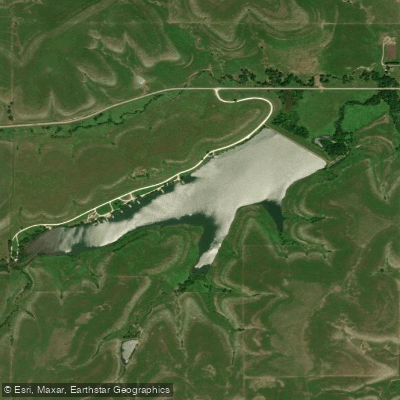
Chase County State Lake
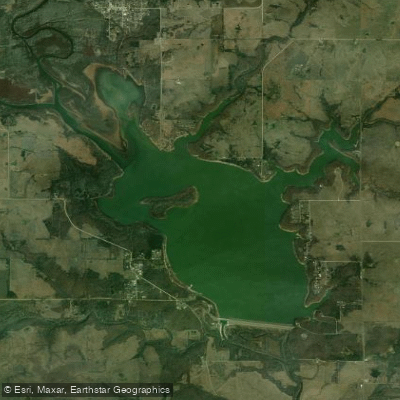
Toronto Lake
What to know
Habitat Distribution
They're found in various Kansas waters including reservoirs, lakes, and slow-moving streams, particularly in areas with muddy bottoms and sluggish waters.Key Locations
They're found in Kansas River systems, various state reservoirs like Big Hill Lake where they've been documented, and other waters throughout the state.Specific Spots
Fish areas with soft, muddy bottoms in backwaters, slow pools, and areas around structure like fallen logs or undercut banks. Target shallow to moderate depths, typically 3-15 feet.White Bullhead FAQ
Answers from onWater's species guide.
What are the best lures and bait for White Bullhead in Kansas?
Effective baits include nightcrawlers, chicken livers, cut bait from shad or other fish, worms, hot dogs, cheese, and commercial stink baits or punch baits. Live bait often works well, including small minnows and crayfish.
When is the best time to fish for White Bullhead in Kansas?
White bullheads can be caught year-round in Kansas except during winter when water temperatures drop below 50°F and their metabolism slows significantly. Spring through fall provides the best action, with summer evenings being particularly productive.
How do you catch White Bullhead in Kansas?
Use bottom fishing techniques with weights to keep baits near the muddy bottoms they prefer. A simple slip sinker rig or three-way rig works effectively.
What do White Bullhead eat?
White bullheads are opportunistic bottom feeders with an omnivorous diet including aquatic insects, worms, small fish, crustaceans, and plant material. They use taste buds on their barbels to locate food, making them effective scavengers that will consume both live and dead organisms.
Where do White Bullhead live in Kansas?
They're found in various Kansas waters including reservoirs, lakes, and slow-moving streams, particularly in areas with muddy bottoms and sluggish waters.
Fish smarter with real-time insights
Whether you're en route and conditions shift or you're looking for the best spot based on current flows, we enable you to make informed decisions on the fly.







See it in the app
Most maps show you water.
onWater shows you White Bullhead.



- 01 · Species map filter
Map every White Bullhead water
Pick White Bullhead and the map zeroes in on the waters they call home. No more guessing which lake holds them.
- 02 · Waterbody species
Tap any water. See what lives there.
Species, behavior and seasonal patterns for every lake, river and pond, before you leave the driveway.
- 03 · Angler Intelligence
Ask how to catch White Bullhead
Tactics, gear and timing from onWater's AI fishing guide, tuned to the species and the water you're on.
Stop guessing where White Bullhead are.
Open the map, filter by White Bullhead, and head to water that holds them. Download onWater and plan your next trip in minutes.
- Species map filter
- Angler Intelligence
- Fishing journal
Explore other species
Trout, bass, salmon, panfish and everything in between. Each guide unpacks the behavior, seasons, and tactics that put fish in the net.

Find which waters have the species you want to catch

Largemouth Bass
Micropterus salmoides

Smallmouth Bass

Rainbow Trout
Oncorhynchus mykiss

Brown Trout

Brook Trout
Salvelinus fontinalis

Northern Pike

Walleye

Black Crappie
Pomoxis nigromaculatus

American Eel
Anguilla rostrata

Bighead Carp
Hypophthalmichthys nobilis

Bigmouth Buffalo
Ictiobus cyprinellus

Black Buffalo
Ictiobus niger

Black Bullhead
Ameiurus melas

Blue Catfish

Blue Sucker
Cycleptus elongatus

Brown Bullhead
Ameiurus nebulosus

Channel Catfish
Ictalurus punctatus

Common Carp
Cyprinus carpio

Creek Chub
Semotilus atromaculatus

Flathead Catfish
Pylodictis olivaris

Freshwater Drum
Aplodinotus grunniens

Gizzard Shad
Dorosoma cepedianum

Grass Carp
Ctenopharyngodon idella

Green Sunfish
Lepomis cyanellus

Lake Sturgeon
Acipenser fulvescens

Longear Sunfish

Longnose Gar
Lepisosteus osseus

Northern Hogsucker
Hypentelium nigricans
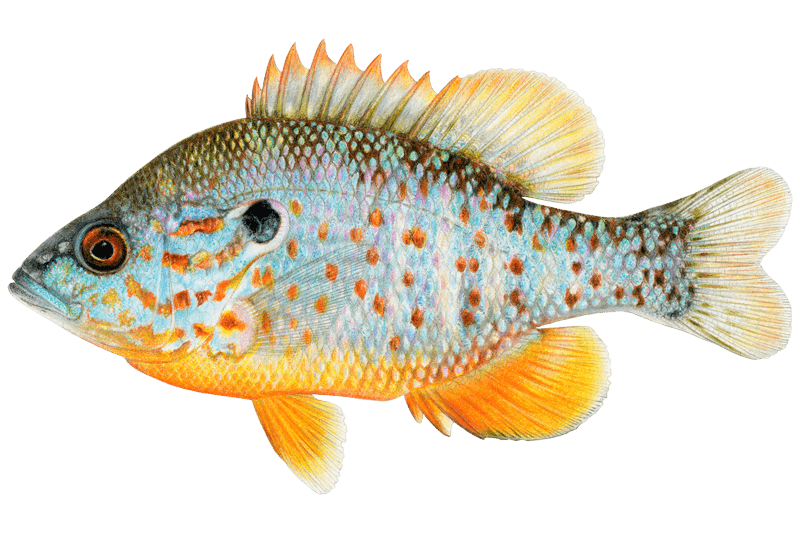
Orangespotted Sunfish
Lepomis humilis

Pumpkinseed
Lepomis gibbosus
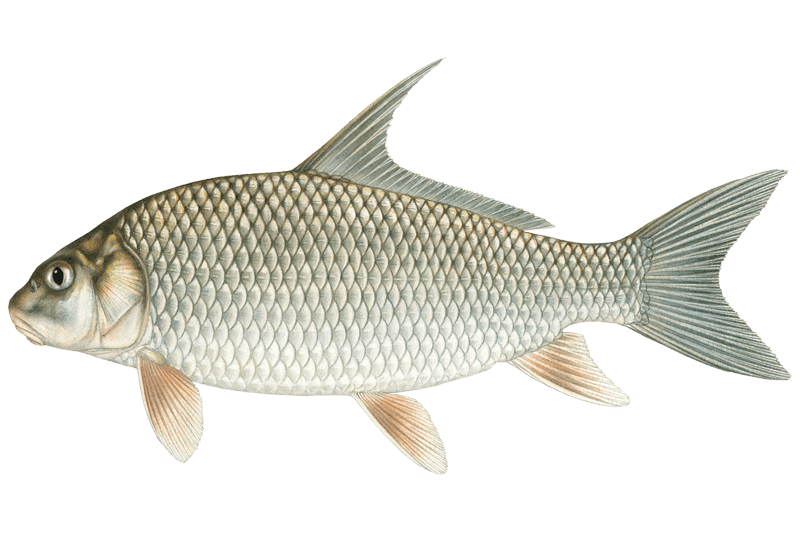
Quillback
Carpiodes cyprinus
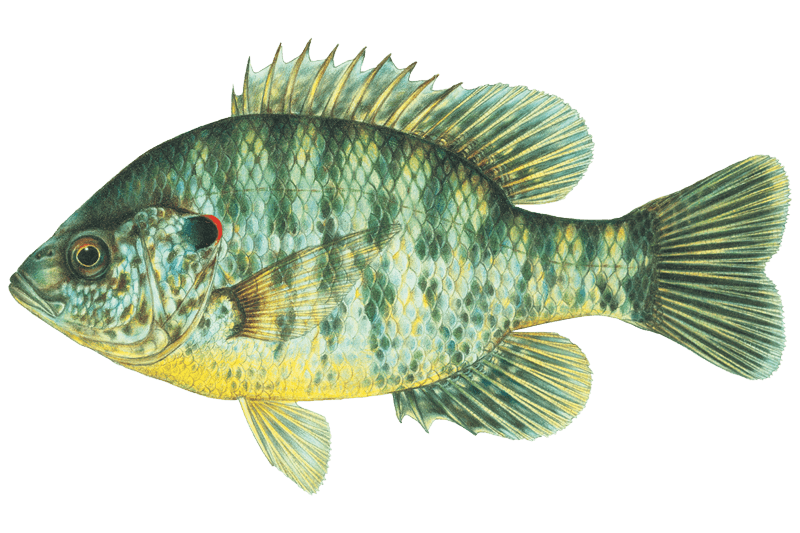
Redear Sunfish

Rock Bass
Ambloplites rupestris
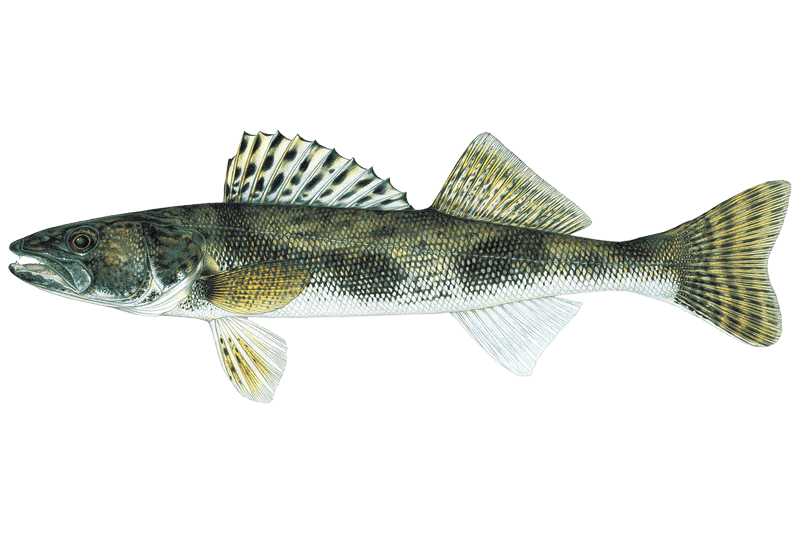
Sauger
Sander canadensis
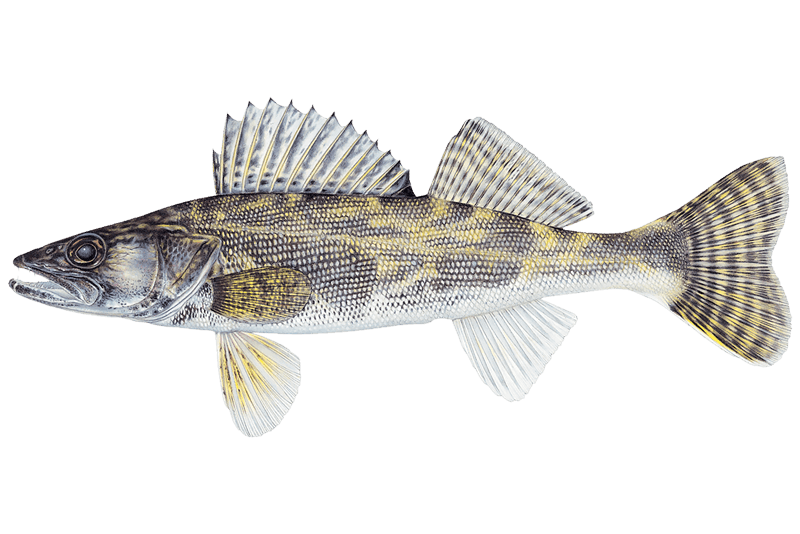
Saugeye
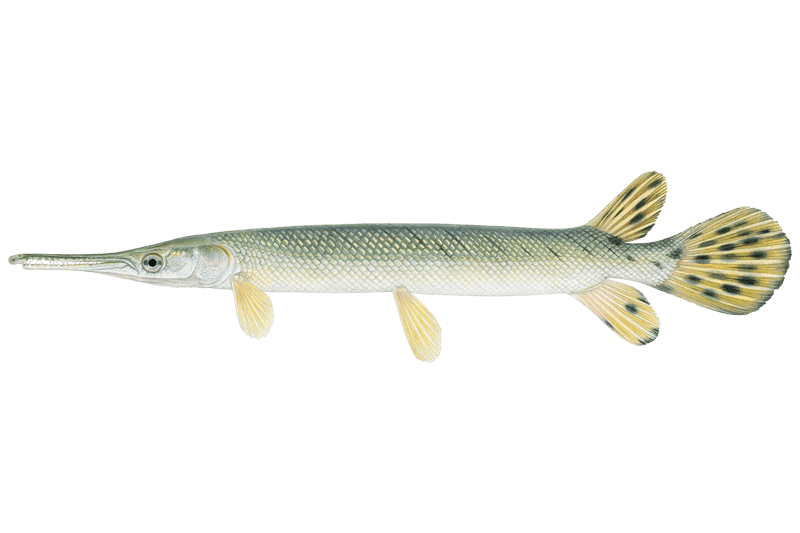
Shortnose Gar
Lepisosteus platostomus
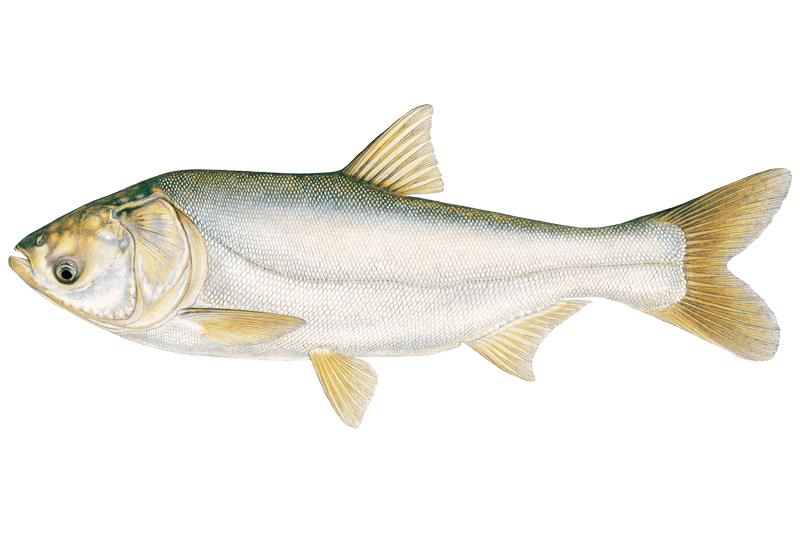
Silver Carp
Hypophthalmichthys molitrix
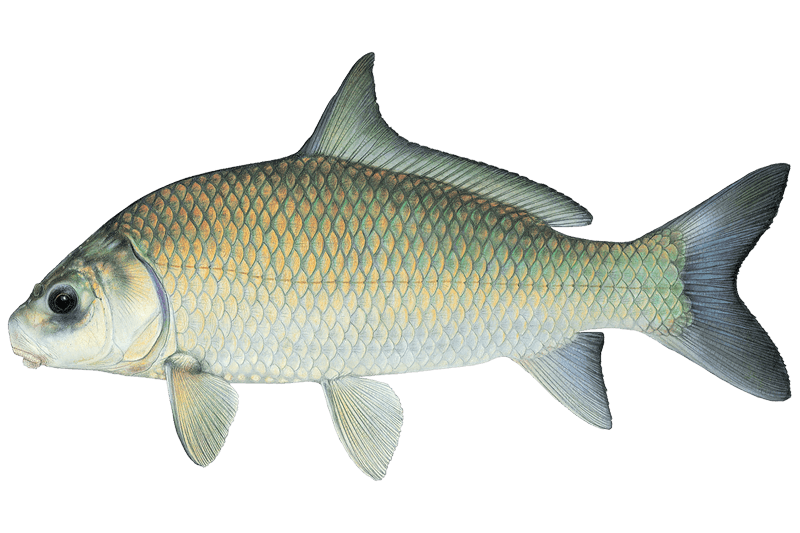
Smallmouth Buffalo
Ictiobus bubalus
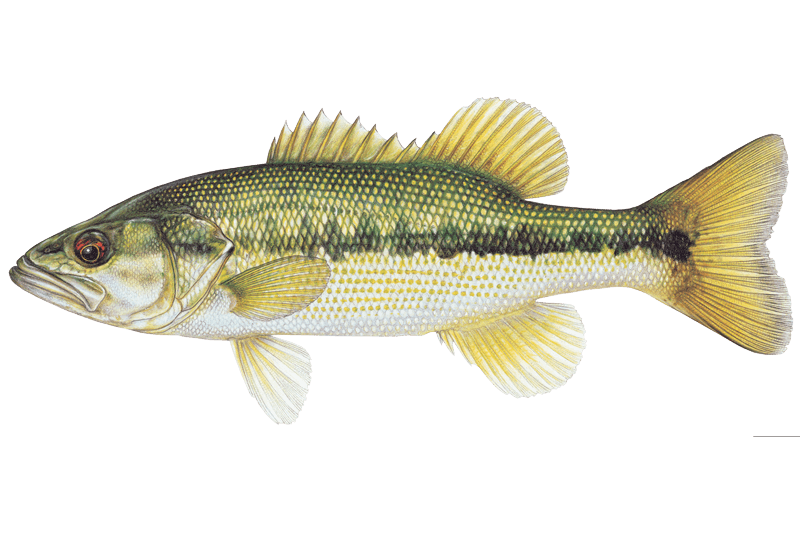
Spotted Bass
Micropterus punctulatus
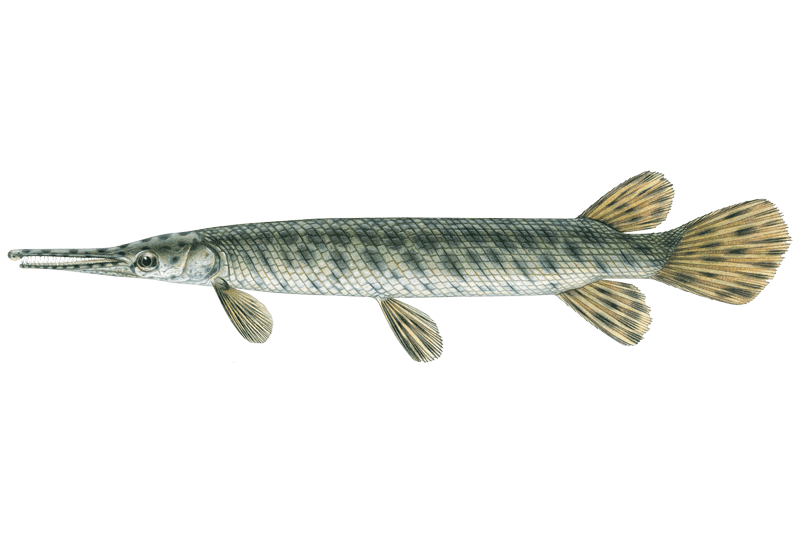
Spotted Gar
Lepisosteus oculatus
Kansas licenses and regulations

Kansas Boating Regulations
When using any type of watercraft to access a body of water, it is important to follow all federal, state, and local rules and regulations. These rules and regulations include boat permitting and licensing, invasive species inspections and stamps, life jacket and PFD rules, motor size and horsepower restrictions, noise limitations, restrictions on personal watercraft, and many more. Visit the web link below for the most current rules and regulations for this body of water.

Kansas Fishing License
Anglers age 16 through 74, who have been bona fide residents of the state for 60 days immediately prior to buying a license, must have a resident license in possession while fishing in Kansas. All nonresidents 16 and older must have a valid nonresident license to fish in Kansas (unless fishing on a private pond not leased for public fishing). All licenses expire 365 days from the date of purchase, except for multi-year, five-day, lifetime, and one-day fishing licenses.

Kansas Fishing Regulations
This river has a variety of species and regulations, including potential floating and/or watercraft restrictions. Because this river is specially managed for species, seasons, angling methods, and watercraft, it is strongly encouraged you check all federal, state, and local regulations before fishing. Visit any of the links below, inquire locally, or contact a local fly shop to learn current regulations and restrictions.

Kansas Stream Access Laws
Most streams and rivers in Kansas are privately owned. The public rivers are the Kansas, Arkansas and Missouri. They are open to the public between the ordinary high water marks on each bank. This is the line that can be seen where high water has left debris, sand, and gravel during its ordinary annual cycle. When these rivers flow through private land, permission is needed from adjacent landowners to access the rivers as well as when picnicking, camping, portaging or engaging in any other activity on the adjacent private lands. Except where they pass through the legal limits of a government entity, the rest of our streams and rivers are privately owned, and permission is needed from the landowners to access and use the streams and adjacent lands for any purpose.
Explore nearby waters
Explore Kansas waters
Top fishing waters
Popular Cities
Loading popular cities...
Smarter Fishing Starts in the App.
onWater Fish gives you everything you need to plan smarter, fish better, and own every trip from first cast to last.