Sauger
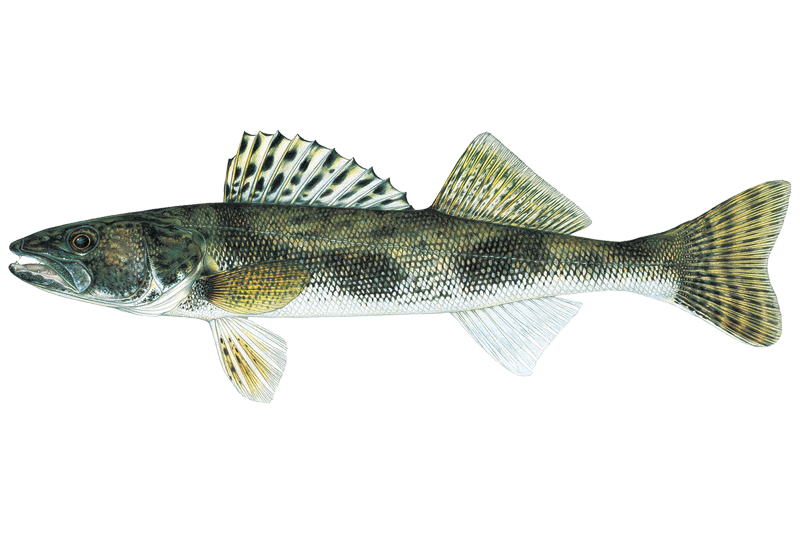
Sauger are a close cousin to walleye that thrive in Kansas's murky waters and current. They are more tolerant of murky conditions than walleye and are less likely to be flushed from reservoirs during high water events.
Scientific Name: Sander canadensis
Fishing in Kansas
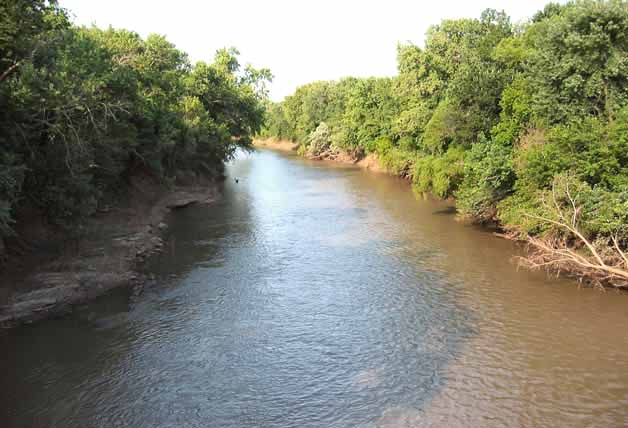
Neosho River
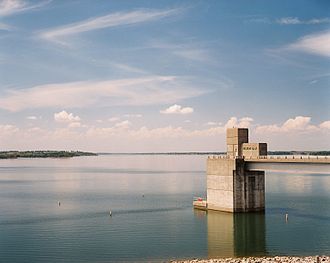
Melvern Lake
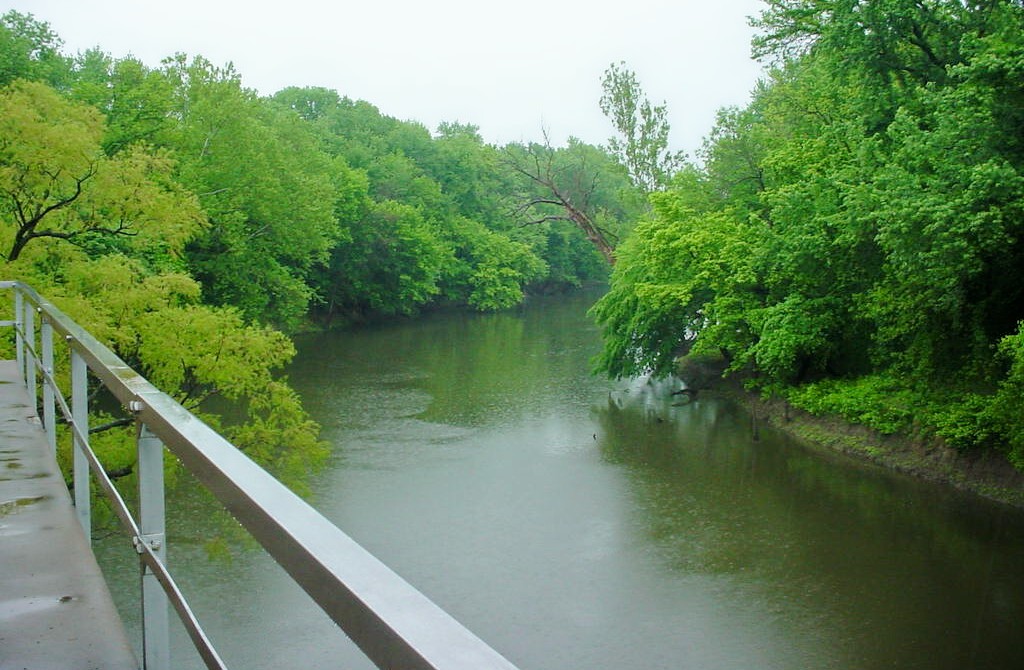
Verdigris River
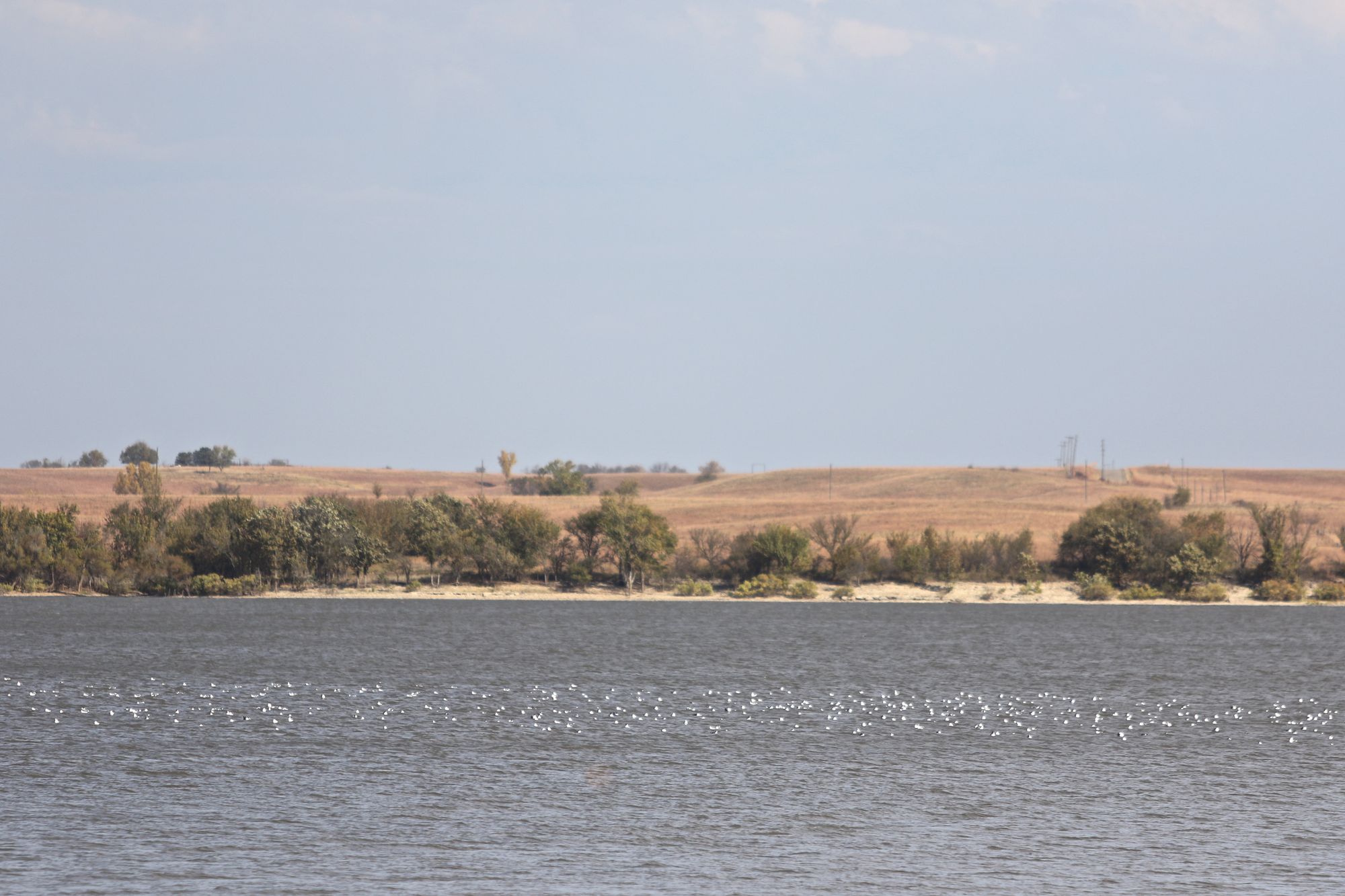
Council Grove Lake
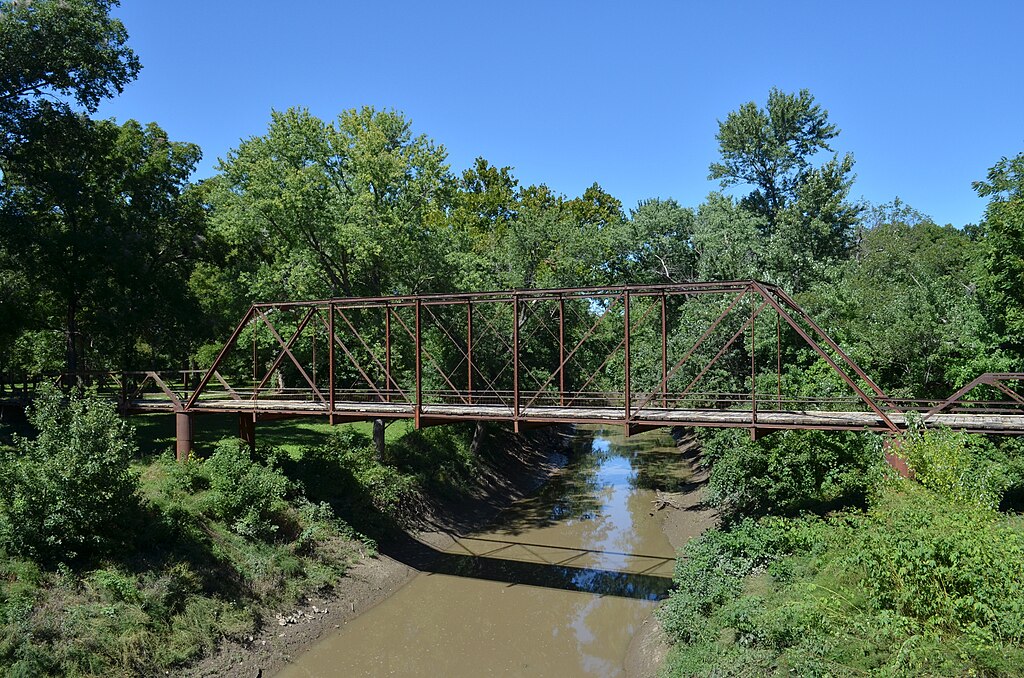
Marais des Cygnes River
Lyon County State Lake
John Redmond Reservoir
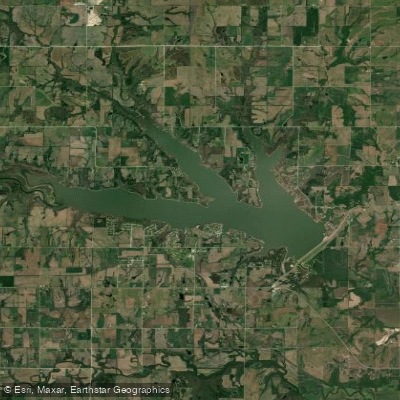
Pomona Lake
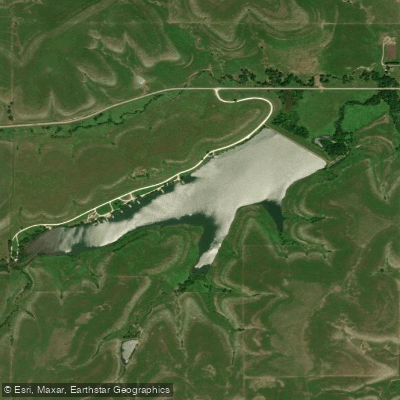
Chase County State Lake
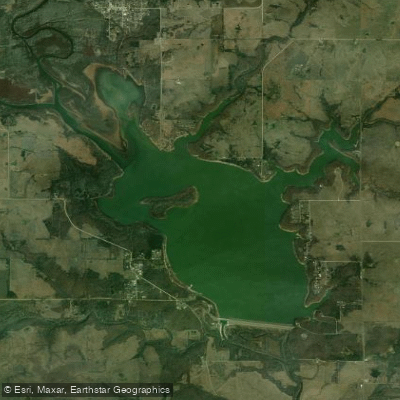
Toronto Lake
What to know
Habitat Distribution
- Stocked in several northeast Kansas reservoirs where walleye haven't performed well due to high flowthrough and turbid conditions.
- Prefer large rivers with deep pools, high turbidity, low stream velocity, and areas with sand and silt substrates that provide cover from current.
Key Locations
- Perry Reservoir (rated Excellent with density of 3.29), Jeffrey Energy Center lakes, Banner Creek Lake, Melvern Reservoir, and Clinton Reservoir.
- Found primarily in the Missouri River system.
Specific Spots
- Focus on deeper structure, main-lake points, mudflats, wind-blown points and flats, particularly in the middle and lower ends of reservoirs.
- Target areas with current breaks caused by rocks, drop-offs, or opposing currents.
- Focus on depths greater than 0.6 meters, especially pools at least 1.5 meters deep, and avoid runs and riffles which sauger tend to avoid.
Sauger FAQ
Answers from onWater's species guide.
What are the best lures and bait for Sauger in Kansas?
Heavy hair jigs (¾ to 2 ounces) tipped with minnows, brightly colored jigs (hair jigs and feather jigs), spoons, plugs, bucktails, spinnerbaits, and shad-imitating swimbaits. Baits include minnows (most popular), night crawlers, shad, crayfish, and leeches.
When is the best time to fish for Sauger in Kansas?
Best times are during spring (March-June) as they move upstream post-spawn, and fall as they return downstream. They spawn from March to May when water temperatures reach 45-50°F - fishing should be avoided during spawning to protect populations.
How do you catch Sauger in Kansas?
Vertical jigging is the most effective technique as sauger almost always stick to the bottom. Vary your jigging speed and motion, and consider adding a rattle to attract attention in murky water. In northern waters, trolling with Lindy rigs and small minnow-style lures at 1.5 mph works well.
What do Sauger eat?
Feed primarily on small fish including channel catfish, freshwater drum, gizzard shad, and shiners, with their diet varying by size and season. Smaller sauger (200-299mm) feed on benthic invertebrates, mayfly larvae, and small catfish during spring and summer.
Where do Sauger live in Kansas?
Stocked in several northeast Kansas reservoirs where walleye haven't performed well due to high flowthrough and turbid conditions. Prefer large rivers with deep pools, high turbidity, low stream velocity, and areas with sand and silt substrates that provide cover from current.
Fish smarter with real-time insights
Whether you're en route and conditions shift or you're looking for the best spot based on current flows, we enable you to make informed decisions on the fly.







See it in the app
Most maps show you water.
onWater shows you Sauger.



- 01 · Species map filter
Map every Sauger water
Pick Sauger and the map zeroes in on the waters they call home. No more guessing which lake holds them.
- 02 · Waterbody species
Tap any water. See what lives there.
Species, behavior and seasonal patterns for every lake, river and pond, before you leave the driveway.
- 03 · Angler Intelligence
Ask how to catch Sauger
Tactics, gear and timing from onWater's AI fishing guide, tuned to the species and the water you're on.
Stop guessing where Sauger are.
Open the map, filter by Sauger, and head to water that holds them. Download onWater and plan your next trip in minutes.
- Species map filter
- Angler Intelligence
- Fishing journal
Explore other species
Trout, bass, salmon, panfish and everything in between. Each guide unpacks the behavior, seasons, and tactics that put fish in the net.

Find which waters have the species you want to catch

Largemouth Bass
Micropterus salmoides

Smallmouth Bass

Rainbow Trout
Oncorhynchus mykiss

Brown Trout

Brook Trout
Salvelinus fontinalis

Northern Pike

Walleye

Black Crappie
Pomoxis nigromaculatus

American Eel
Anguilla rostrata

Bighead Carp
Hypophthalmichthys nobilis

Bigmouth Buffalo
Ictiobus cyprinellus

Black Buffalo
Ictiobus niger

Black Bullhead
Ameiurus melas

Blue Catfish

Blue Sucker
Cycleptus elongatus

Brown Bullhead
Ameiurus nebulosus

Channel Catfish
Ictalurus punctatus

Common Carp
Cyprinus carpio

Creek Chub
Semotilus atromaculatus

Flathead Catfish
Pylodictis olivaris

Freshwater Drum
Aplodinotus grunniens

Gizzard Shad
Dorosoma cepedianum

Grass Carp
Ctenopharyngodon idella

Green Sunfish
Lepomis cyanellus

Lake Sturgeon
Acipenser fulvescens

Longear Sunfish

Longnose Gar
Lepisosteus osseus

Northern Hogsucker
Hypentelium nigricans
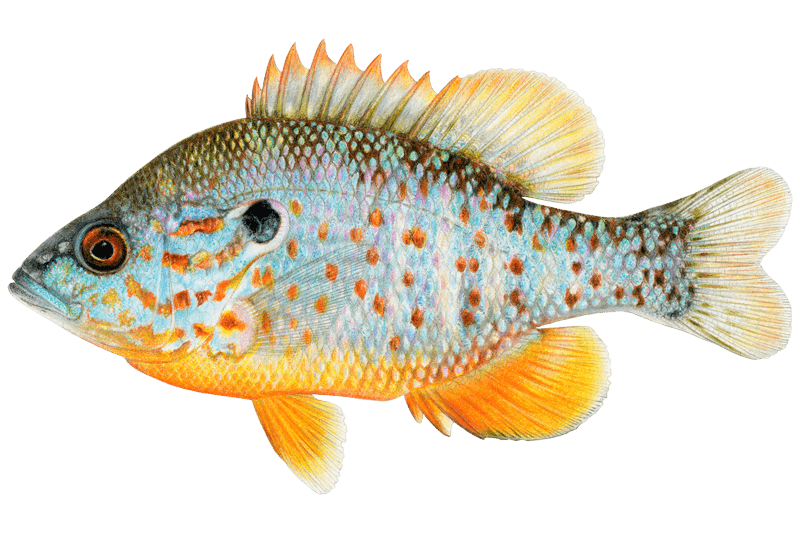
Orangespotted Sunfish
Lepomis humilis

Pumpkinseed
Lepomis gibbosus
Quillback
Carpiodes cyprinus
Redear Sunfish

Rock Bass
Ambloplites rupestris
Saugeye
Shortnose Gar
Lepisosteus platostomus
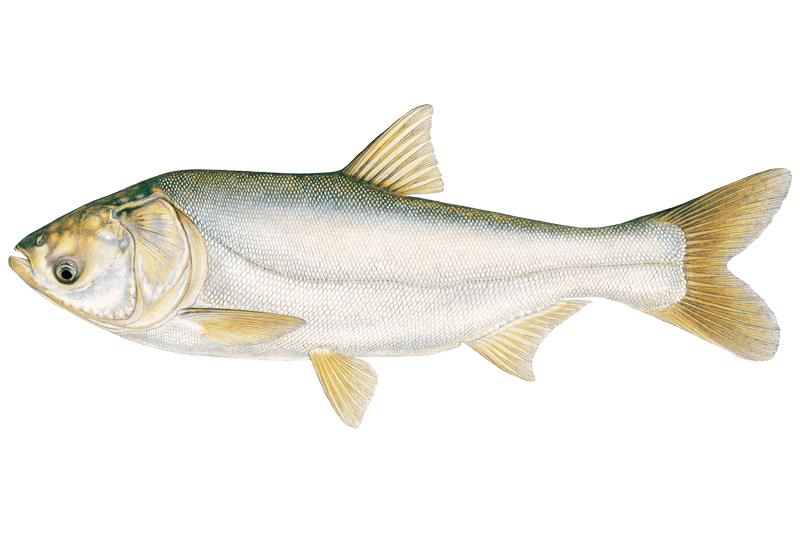
Silver Carp
Hypophthalmichthys molitrix
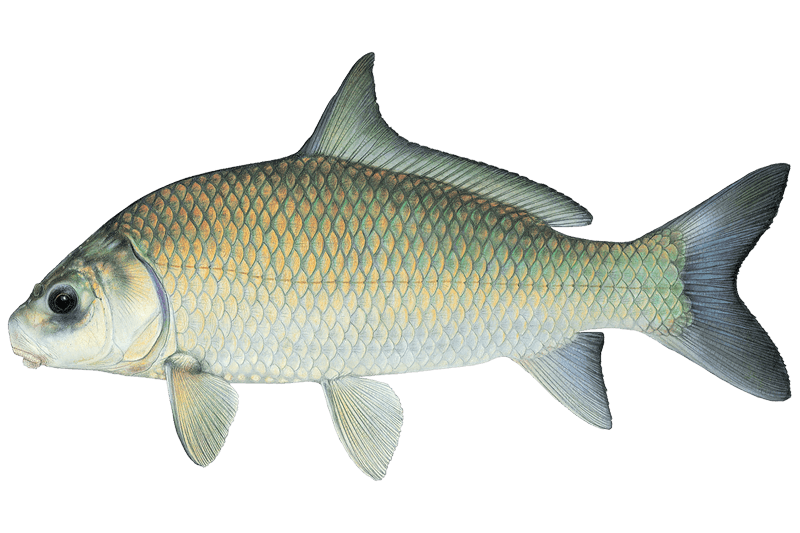
Smallmouth Buffalo
Ictiobus bubalus
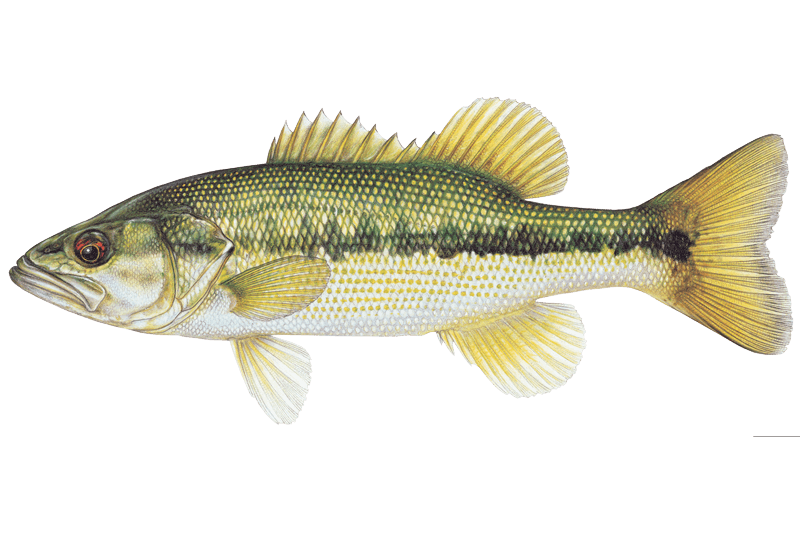
Spotted Bass
Micropterus punctulatus
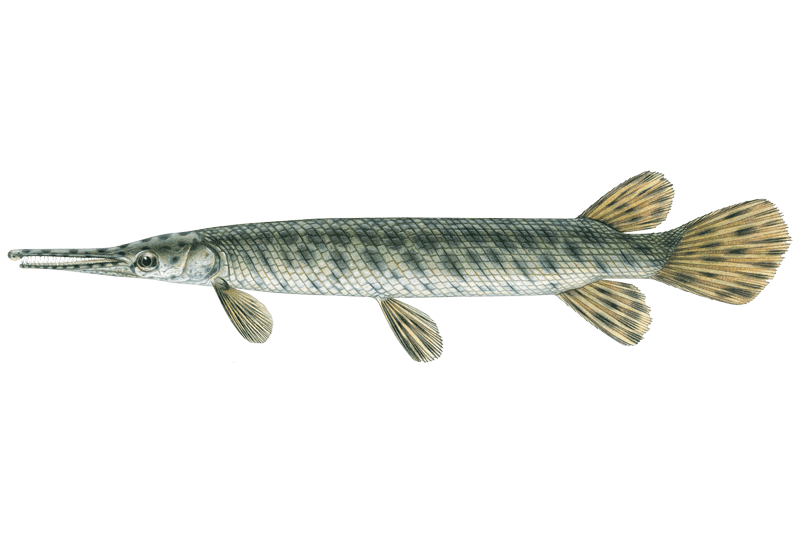
Spotted Gar
Lepisosteus oculatus
Striped Bass
Kansas licenses and regulations

Kansas Boating Regulations
When using any type of watercraft to access a body of water, it is important to follow all federal, state, and local rules and regulations. These rules and regulations include boat permitting and licensing, invasive species inspections and stamps, life jacket and PFD rules, motor size and horsepower restrictions, noise limitations, restrictions on personal watercraft, and many more. Visit the web link below for the most current rules and regulations for this body of water.

Kansas Fishing License
Anglers age 16 through 74, who have been bona fide residents of the state for 60 days immediately prior to buying a license, must have a resident license in possession while fishing in Kansas. All nonresidents 16 and older must have a valid nonresident license to fish in Kansas (unless fishing on a private pond not leased for public fishing). All licenses expire 365 days from the date of purchase, except for multi-year, five-day, lifetime, and one-day fishing licenses.

Kansas Fishing Regulations
This river has a variety of species and regulations, including potential floating and/or watercraft restrictions. Because this river is specially managed for species, seasons, angling methods, and watercraft, it is strongly encouraged you check all federal, state, and local regulations before fishing. Visit any of the links below, inquire locally, or contact a local fly shop to learn current regulations and restrictions.

Kansas Stream Access Laws
Most streams and rivers in Kansas are privately owned. The public rivers are the Kansas, Arkansas and Missouri. They are open to the public between the ordinary high water marks on each bank. This is the line that can be seen where high water has left debris, sand, and gravel during its ordinary annual cycle. When these rivers flow through private land, permission is needed from adjacent landowners to access the rivers as well as when picnicking, camping, portaging or engaging in any other activity on the adjacent private lands. Except where they pass through the legal limits of a government entity, the rest of our streams and rivers are privately owned, and permission is needed from the landowners to access and use the streams and adjacent lands for any purpose.
Explore nearby waters
Explore Kansas waters
Top fishing waters
Popular Cities
Loading popular cities...
Smarter Fishing Starts in the App.
onWater Fish gives you everything you need to plan smarter, fish better, and own every trip from first cast to last.