Fishing in Kansas
- Lakes
- 269
- Rivers
- 2,471
- Access
- 0
- Boat Ramps
- 224
- Shops
- 23
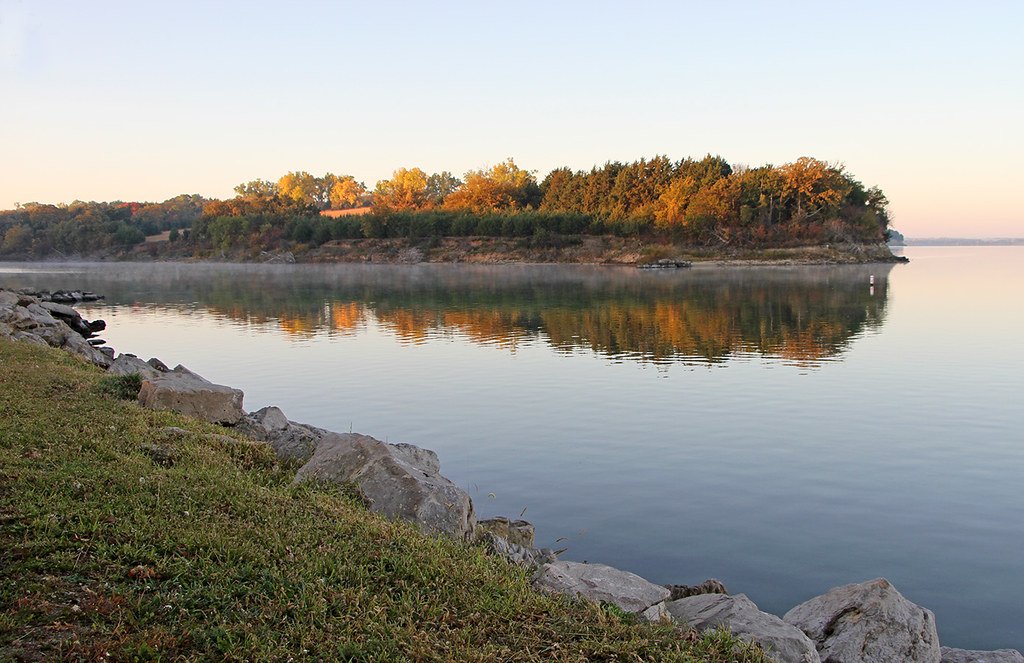
Kansas is a reservoir-and-catfish state on a private-land landscape, where most of what makes the fishing work is the result of KDWP quietly engineering public access around fields and fences.
The big federal impoundments are the backbone, the rivers carry the surprises, and catfish are the animating spirit of the whole thing.
Milford, west of Junction City in the Flint Hills, is the largest of those reservoirs and the one KDWP calls the Fishing Capitol of Kansas — walleye, wiper, crappie, smallmouth, and the kind of size structure that produced the state-record smallmouth at nearly seven pounds.
Cheney, 45 minutes west of Wichita, is the walleye lake people drive for: May and June pull fish shallow onto rock and gravel before they slide back to deeper structure for the summer.
Wilson, up north, is the outlier — clear water and rocky shoreline, a striper fishery that gave up the 44-pound state record, and the closest thing Kansas has to a rock-bass lake.
Clinton, near Lawrence, takes the tournament traffic and gives back blue cats, crappie, and saugeye on submerged points and old river channels. The strangest piece of the state is in the southeast corner.
The Mined Land Wildlife Area is more than a thousand former strip-mine pits scattered across Cherokee and Crawford counties — small, deep, surprisingly clear water that holds spotted bass, crappie, channel cats, and stocked rainbows and browns from December through March under a trout permit.
Nothing else in Kansas looks or fishes like it. Spring belongs to the rivers.
From mid-March through mid-May, paddlefish snaggers work the designated zones at Chetopa, Burlington, and Iola on the Neosho, and below Osawatomie Dam on the Marais des Cygnes, hauling fish that occasionally crack triple digits — the modern record came out of Kansas at 144 pounds.
Summer flips to the Kaw and the Arkansas, the two big public-access rivers along with the Missouri, where flathead noodling runs June 15 through August 31 under a separate permit. Wipers blow up shad on the reservoir surfaces through the heat.
Crappie come and go with the April–May spawn, and the 30-fish daily limit means a good day fills a cooler.
The thing to know before you go: outside those three rivers, every stream is private to the bank, and you need permission or a WIFA-enrolled tract to fish it legally.
The roughly 80 community lakes stocked every two weeks with channel cats from April through September are how most Kansans actually learn to fish.
Pay attention to the AIS designated waters list before you move bait between lakes, and bring something for the wind.
Species & education
Learn what type of fish are in Kansas and what's needed to catch them.

Find which waters have the species you want to catch

Largemouth Bass
Micropterus salmoides

Smallmouth Bass

Rainbow Trout
Oncorhynchus mykiss

Brown Trout

Brook Trout
Salvelinus fontinalis

Northern Pike

Walleye

Black Crappie
Pomoxis nigromaculatus

American Eel
Anguilla rostrata

Bighead Carp
Hypophthalmichthys nobilis

Bigmouth Buffalo
Ictiobus cyprinellus

Black Buffalo
Ictiobus niger

Black Bullhead
Ameiurus melas

Blue Catfish

Blue Sucker
Cycleptus elongatus

Brown Bullhead
Ameiurus nebulosus

Channel Catfish
Ictalurus punctatus

Common Carp
Cyprinus carpio

Creek Chub
Semotilus atromaculatus

Flathead Catfish
Pylodictis olivaris

Freshwater Drum
Aplodinotus grunniens

Gizzard Shad
Dorosoma cepedianum

Grass Carp
Ctenopharyngodon idella

Green Sunfish
Lepomis cyanellus

Lake Sturgeon
Acipenser fulvescens

Longear Sunfish

Longnose Gar
Lepisosteus osseus

Northern Hogsucker
Hypentelium nigricans
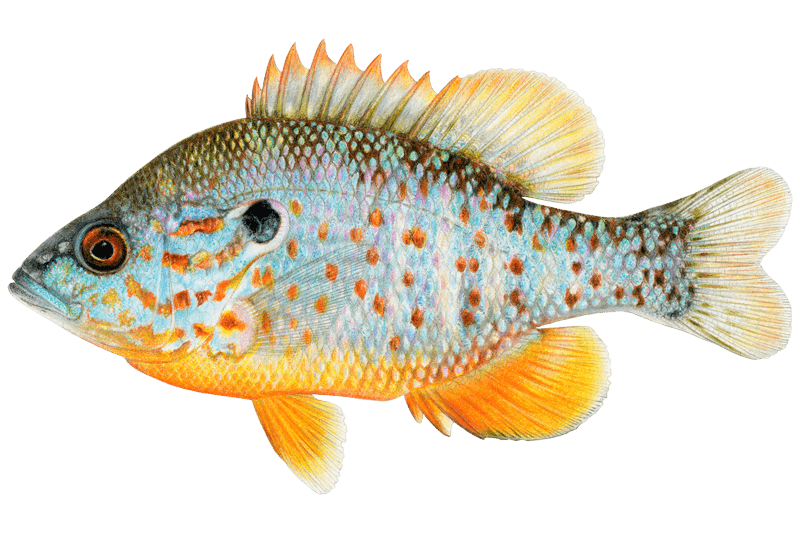
Orangespotted Sunfish
Lepomis humilis

Pumpkinseed
Lepomis gibbosus
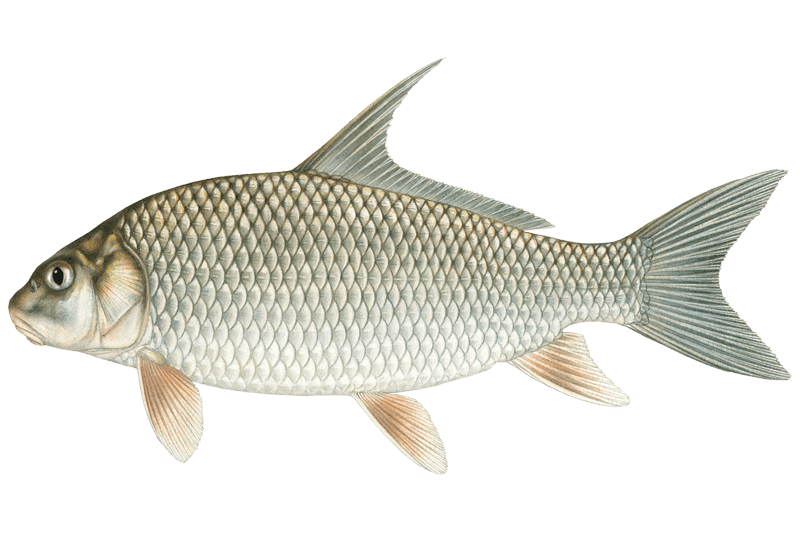
Quillback
Carpiodes cyprinus
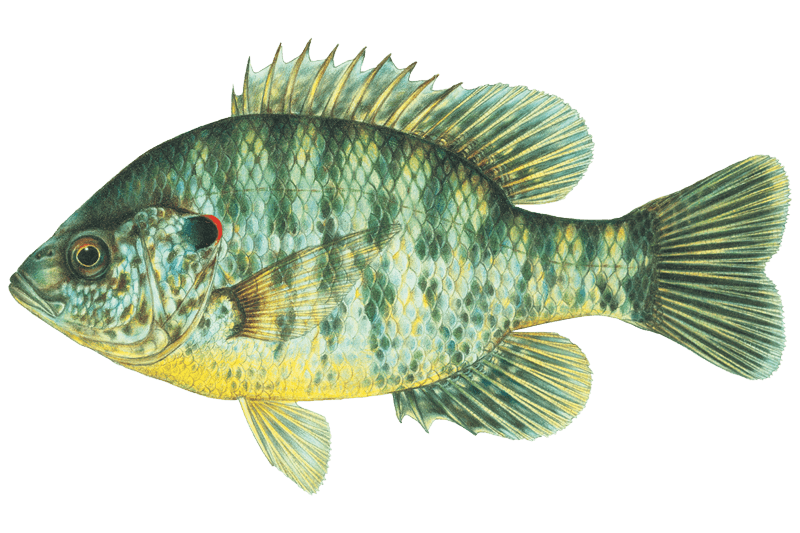
Redear Sunfish

Rock Bass
Ambloplites rupestris
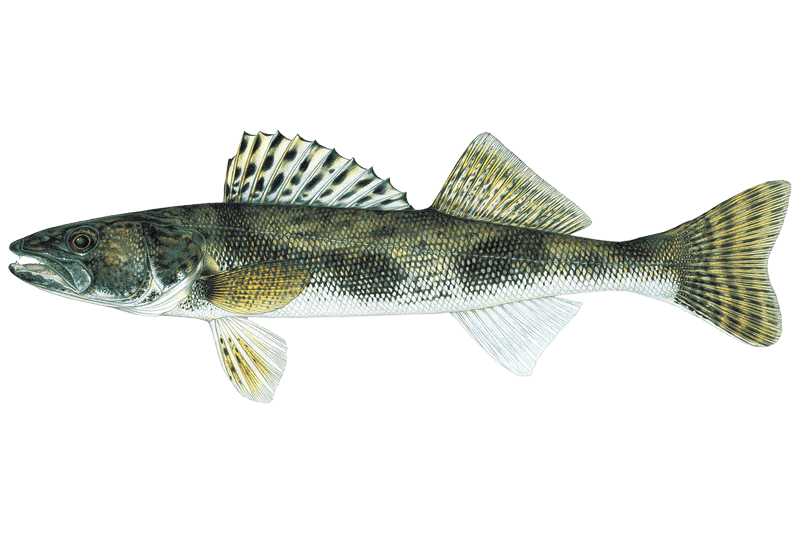
Sauger
Sander canadensis
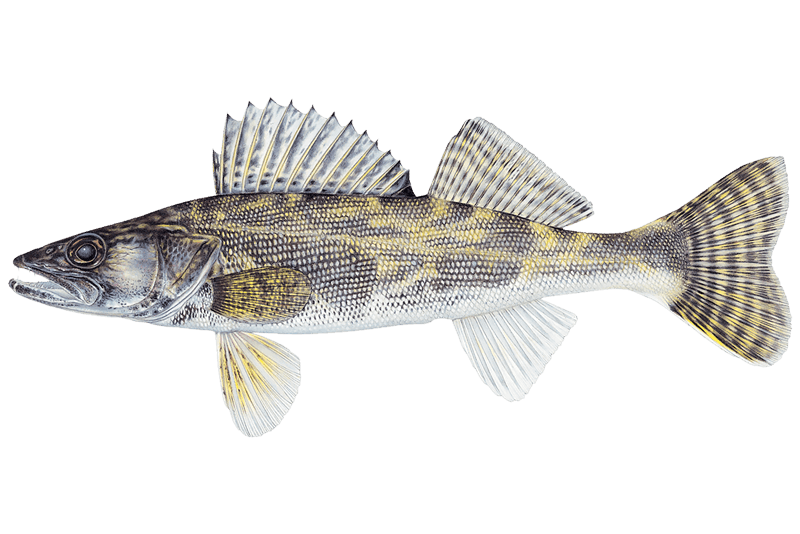
Saugeye
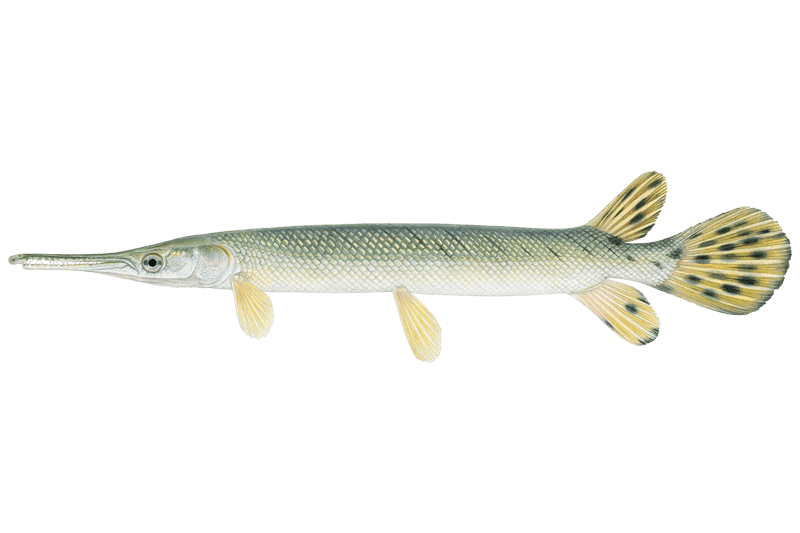
Shortnose Gar
Lepisosteus platostomus
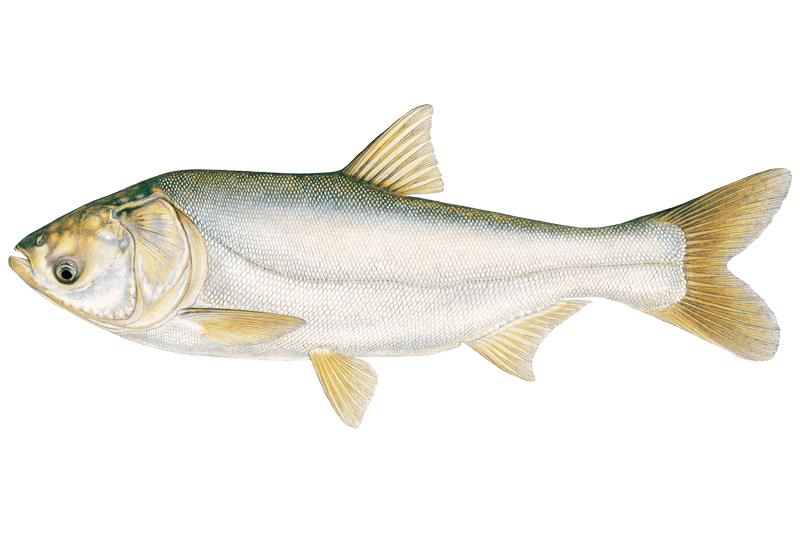
Silver Carp
Hypophthalmichthys molitrix
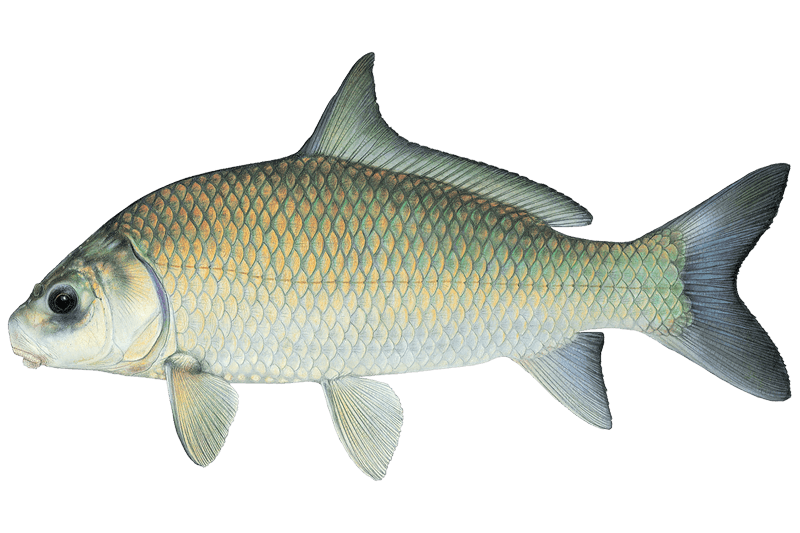
Smallmouth Buffalo
Ictiobus bubalus
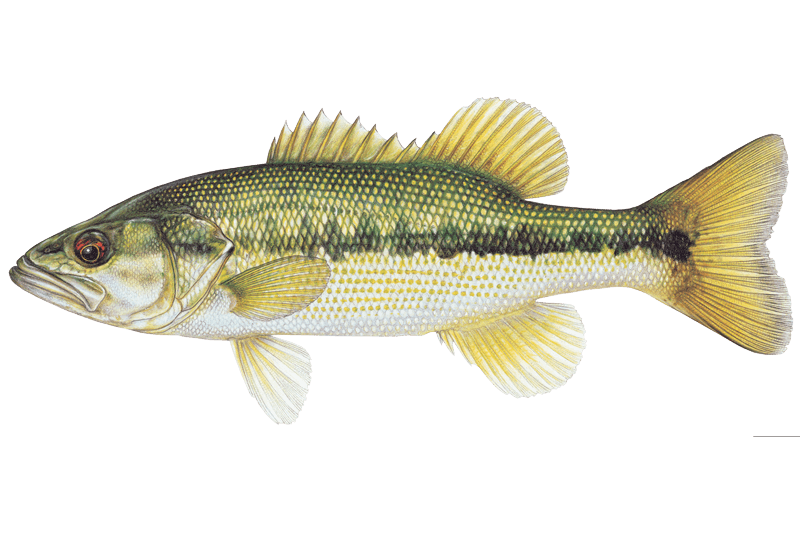
Spotted Bass
Micropterus punctulatus
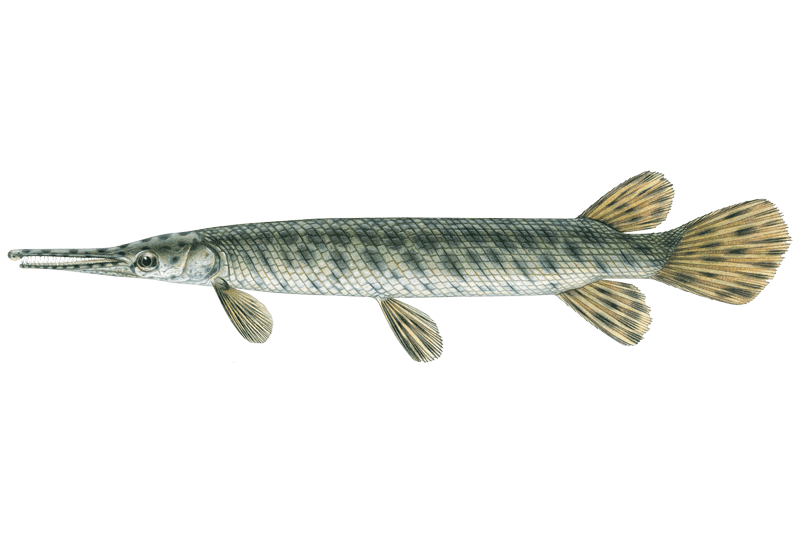
Spotted Gar
Lepisosteus oculatus
Fishing guides in Kansas
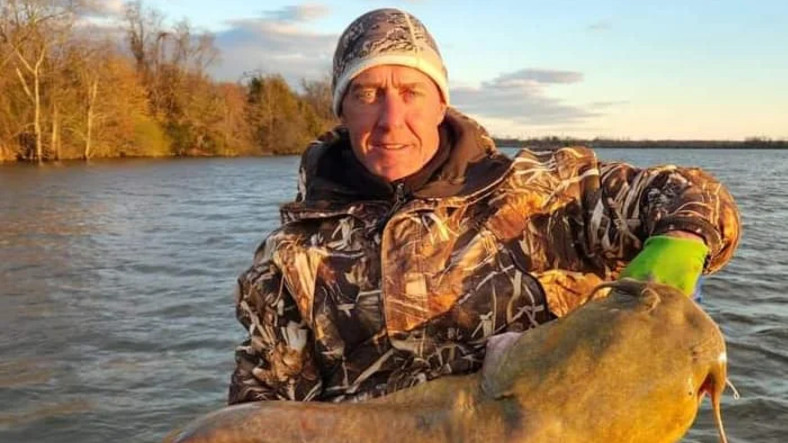
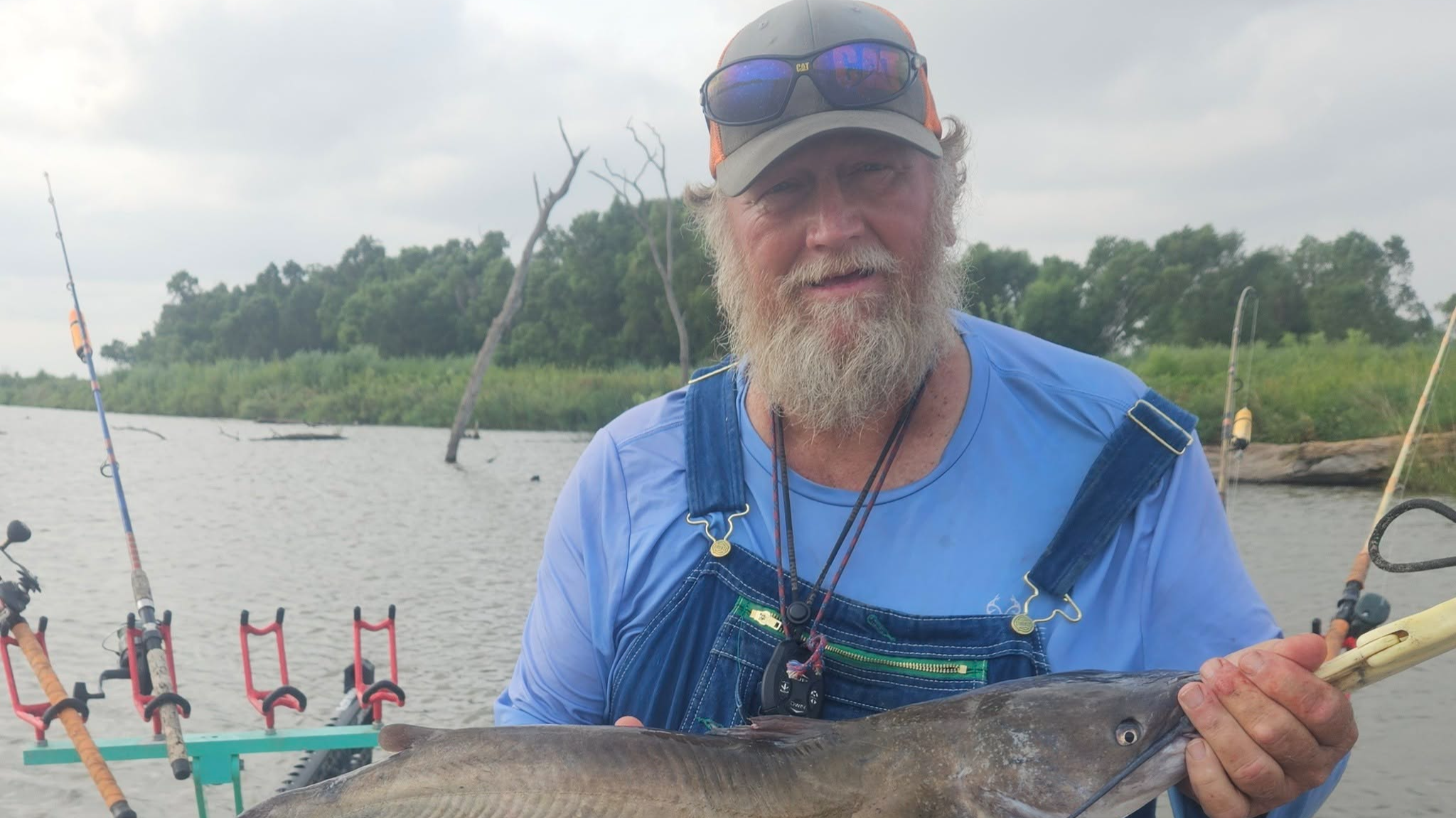
Book a trip with a local fishing guide through Guidesly.

Fish smarter with real-time insights
Whether you're en route and conditions shift or you're looking for the best spot based on current flows, we enable you to make informed decisions on the fly.







Kansas licenses and regulations

Kansas Boating Regulations
When using any type of watercraft to access a body of water, it is important to follow all federal, state, and local rules and regulations. These rules and regulations include boat permitting and licensing, invasive species inspections and stamps, life jacket and PFD rules, motor size and horsepower restrictions, noise limitations, restrictions on personal watercraft, and many more. Visit the web link below for the most current rules and regulations for this body of water.

Kansas Fishing License
Anglers age 16 through 74, who have been bona fide residents of the state for 60 days immediately prior to buying a license, must have a resident license in possession while fishing in Kansas. All nonresidents 16 and older must have a valid nonresident license to fish in Kansas (unless fishing on a private pond not leased for public fishing). All licenses expire 365 days from the date of purchase, except for multi-year, five-day, lifetime, and one-day fishing licenses.

Kansas Fishing Regulations
This river has a variety of species and regulations, including potential floating and/or watercraft restrictions. Because this river is specially managed for species, seasons, angling methods, and watercraft, it is strongly encouraged you check all federal, state, and local regulations before fishing. Visit any of the links below, inquire locally, or contact a local fly shop to learn current regulations and restrictions.

Kansas Stream Access Laws
Most streams and rivers in Kansas are privately owned. The public rivers are the Kansas, Arkansas and Missouri. They are open to the public between the ordinary high water marks on each bank. This is the line that can be seen where high water has left debris, sand, and gravel during its ordinary annual cycle. When these rivers flow through private land, permission is needed from adjacent landowners to access the rivers as well as when picnicking, camping, portaging or engaging in any other activity on the adjacent private lands. Except where they pass through the legal limits of a government entity, the rest of our streams and rivers are privately owned, and permission is needed from the landowners to access and use the streams and adjacent lands for any purpose.
Smarter Fishing Starts in the App.
onWater Fish gives you everything you need to plan smarter, fish better, and own every trip from first cast to last.