Black Crappie

Black crappie are not as widespread in Kansas as white crappie, preferring clear water and small impoundments such as farm ponds.
Scientific Name: Pomoxis nigromaculatus
- They're distinguished by uniform dark flecking with no visible barring, unlike white crappie which show vertical bars.
- Black crappie can be accurately identified by counting 7-8 dorsal fin spines versus 5-6 on white crappie.
- The Kansas record is 4 pounds, 10 ounces.
Fishing in Kansas
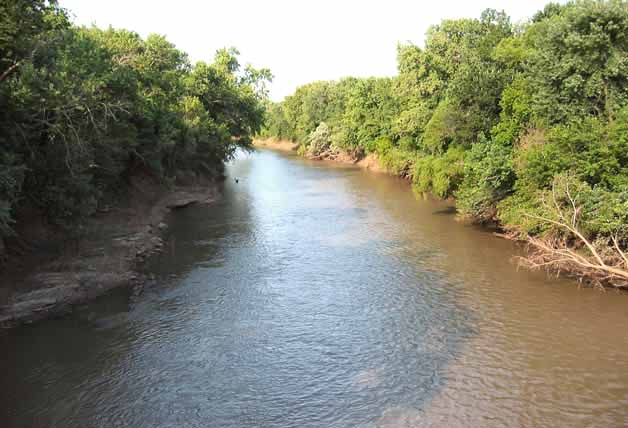
Neosho River
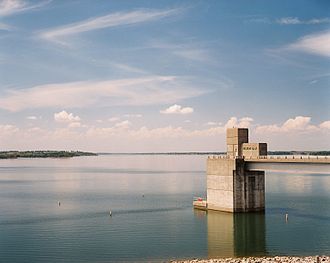
Melvern Lake
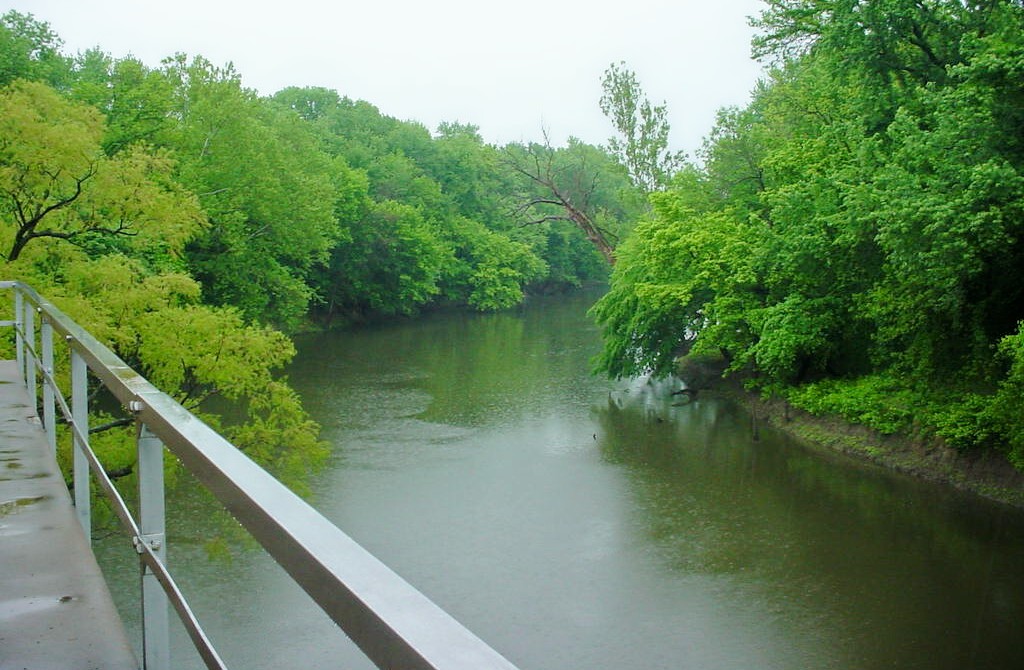
Verdigris River
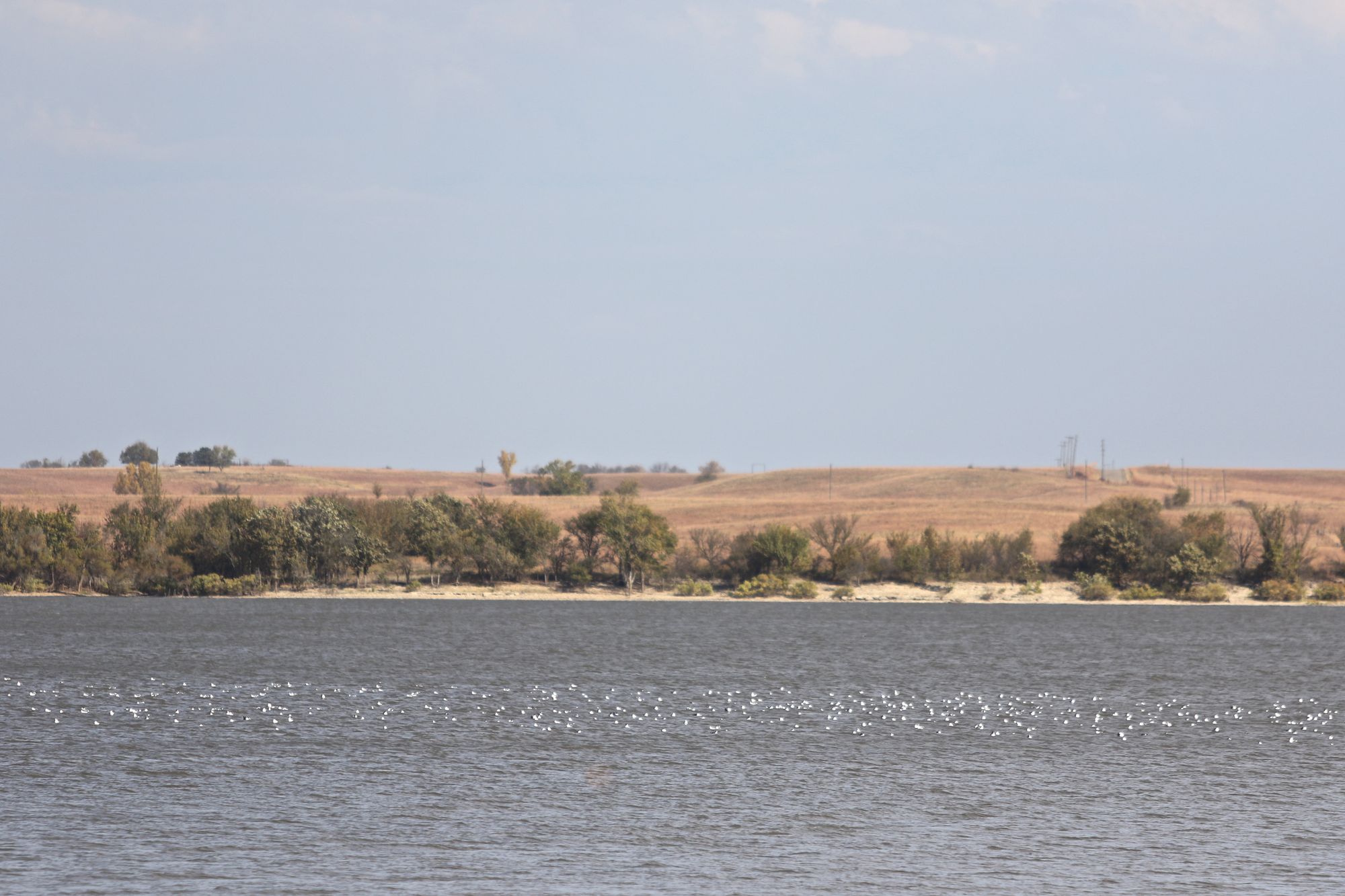
Council Grove Lake
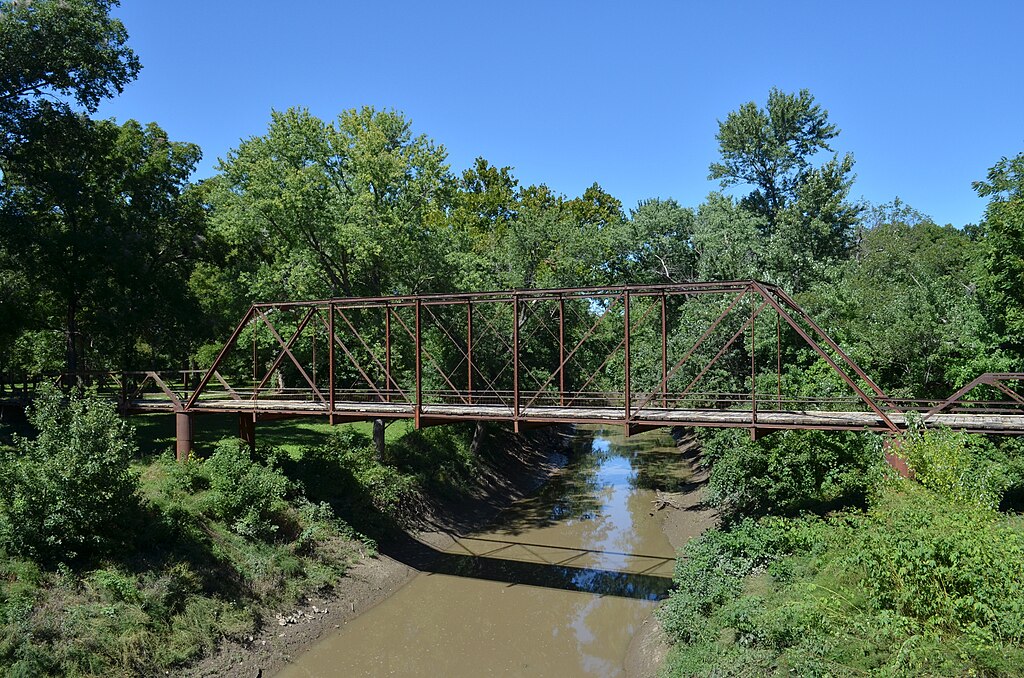
Marais des Cygnes River
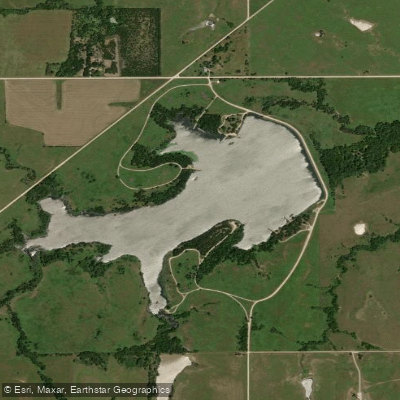
Lyon County State Lake

John Redmond Reservoir
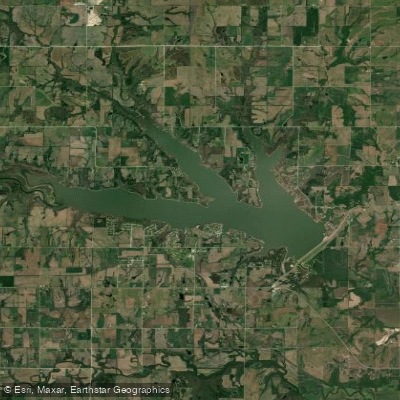
Pomona Lake
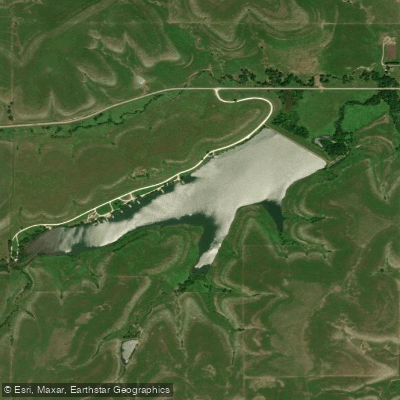
Chase County State Lake
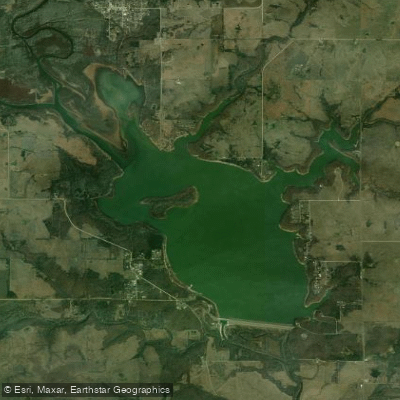
Toronto Lake
What to know
Habitat Distribution
- Black crappie are found throughout Kansas waters including lakes, reservoirs, ponds, sloughs, backwater pools and streams.
Key Locations
- Top Kansas waters include Cedar Bluff, Sebelius, Kirwin, Kanopolis, Webster, and Marion reservoirs among the larger waters, plus numerous smaller lakes and state fishing lakes.
- Productive Kansas locations include the numerous state fishing lakes, community lakes under the CFAP program, and major reservoirs.
Specific Spots
- Target shallow, protected coves and bays with structure like brush piles, standing timber, fallen trees, and vegetation.
- They prefer abundant cover such as submerged timber, aquatic vegetation, and sand or mud bottoms.
- Rip-rap areas, fishing jetties, marina structures, and bridge causeways are consistently productive from shore, especially during evening and morning hours.
Black Crappie FAQ
Answers from onWater's species guide.
What are the best lures and bait for Black Crappie in Kansas?
Small jigs (1/64 to 1/16 ounce) with soft plastic bodies. Popular jig colors include chartreuse, black/chartreuse combinations, yellows, and oranges. Live minnows. Small spoons for winter fishing.
What flies work for Black Crappie in Kansas?
Small streamers like Clouser minnows in chartreuse and white work well, along with woolly buggers and small baitfish patterns.
When is the best time to fish for Black Crappie in Kansas?
Spring offers the best black crappie fishing in Kansas, particularly during pre-spawn when fish are actively feeding and moving toward spawning areas. Summer fishing requires targeting deeper water and structure.
How do you catch Black Crappie in Kansas?
Successful techniques include slip bobber rigs with minnows, small jigs (1/64 to 1/16 ounce) with soft plastic bodies, and vertical presentations around cover. Summer fishing requires using electronics to locate brush piles and drop-offs.
What do Black Crappie eat?
Their diet shifts with size - individuals under 6 inches feed on planktonic crustaceans and insect larvae, while larger fish become primarily piscivorous, feeding on small fish like shad and minnows, though they consume more insects and crustaceans compared to white crappie.
Fish smarter with real-time insights
Whether you're en route and conditions shift or you're looking for the best spot based on current flows, we enable you to make informed decisions on the fly.




See it in the app
Most maps show you water.
onWater shows you Black Crappie.



- 01 · Species map filter
Map every Black Crappie water
Pick Black Crappie and the map zeroes in on the waters they call home. No more guessing which lake holds them.
- 02 · Waterbody species
Tap any water. See what lives there.
Species, behavior and seasonal patterns for every lake, river and pond, before you leave the driveway.
- 03 · Angler Intelligence
Ask how to catch Black Crappie
Tactics, gear and timing from onWater's AI fishing guide, tuned to the species and the water you're on.
Stop guessing where Black Crappie are.
Open the map, filter by Black Crappie, and head to water that holds them. Download onWater and plan your next trip in minutes.
- Species map filter
- Angler Intelligence
- Fishing journal
Explore other species
Trout, bass, salmon, panfish and everything in between. Each guide unpacks the behavior, seasons, and tactics that put fish in the net.
No species information available.
Kansas licenses and regulations
Explore nearby waters
Explore Kansas waters
Top fishing waters
Popular Cities
Loading popular cities...

Smarter Fishing Starts in the App.
onWater Fish gives you everything you need to plan smarter, fish better, and own every trip from first cast to last.