Blue Catfish

Blue Catfish in Kansas are native to northeastern Kansas rivers including the Kansas and Missouri Rivers, though they've been extensively stocked in reservoirs throughout the state.
- These fish are distinguished from channel catfish by their humped back, longer anal fin with 30+ rays, and significantly larger size potential.
- Blue cats can exceed 165 cm in length.
- Kansas record is 121.1 pounds caught in 2025, breaking the previous 102.8-pound record.
Fishing in Kansas
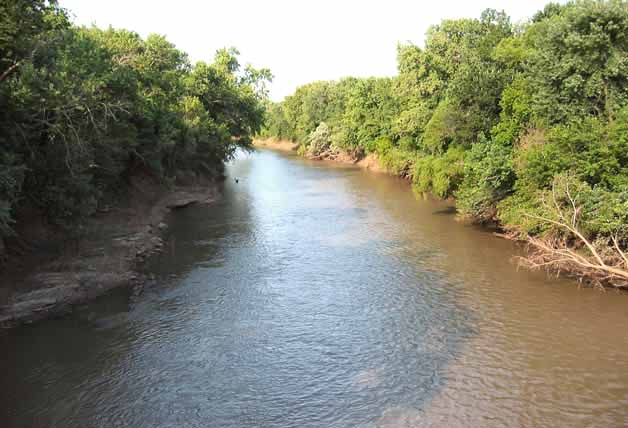
Neosho River
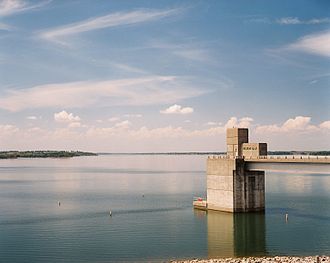
Melvern Lake
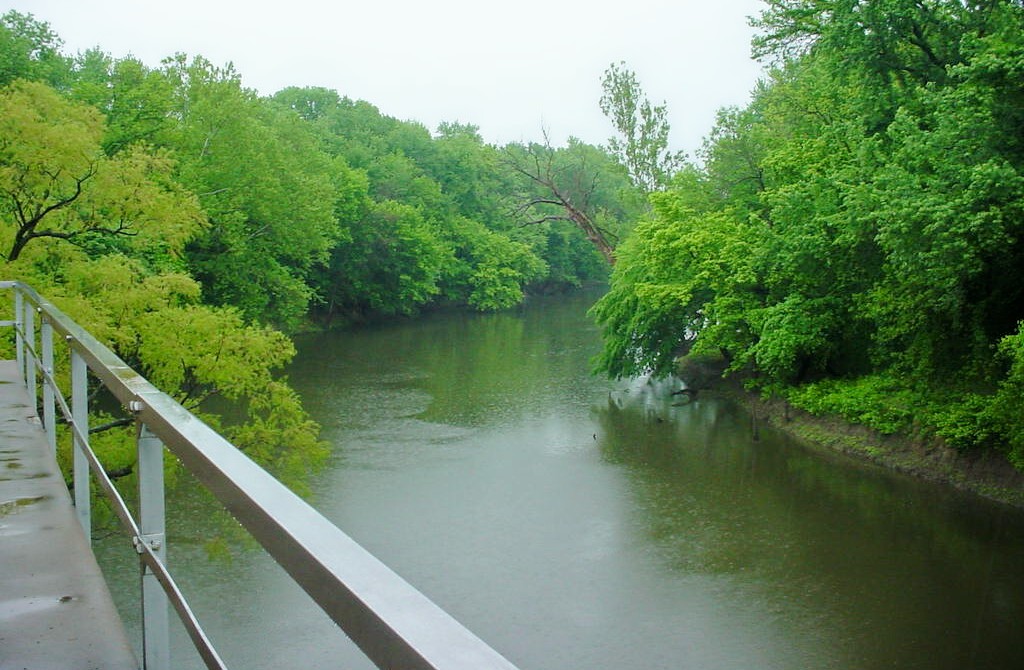
Verdigris River
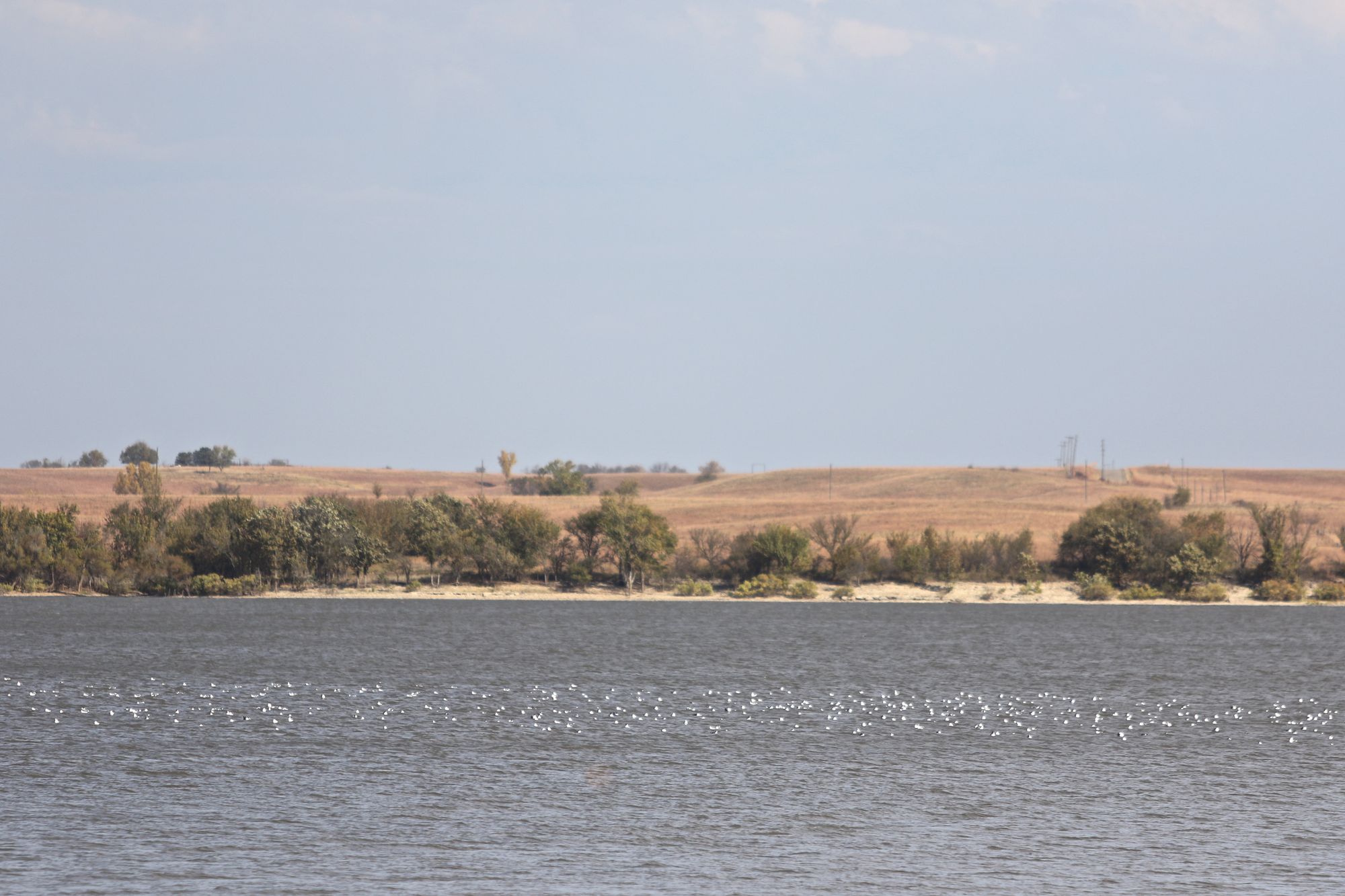
Council Grove Lake
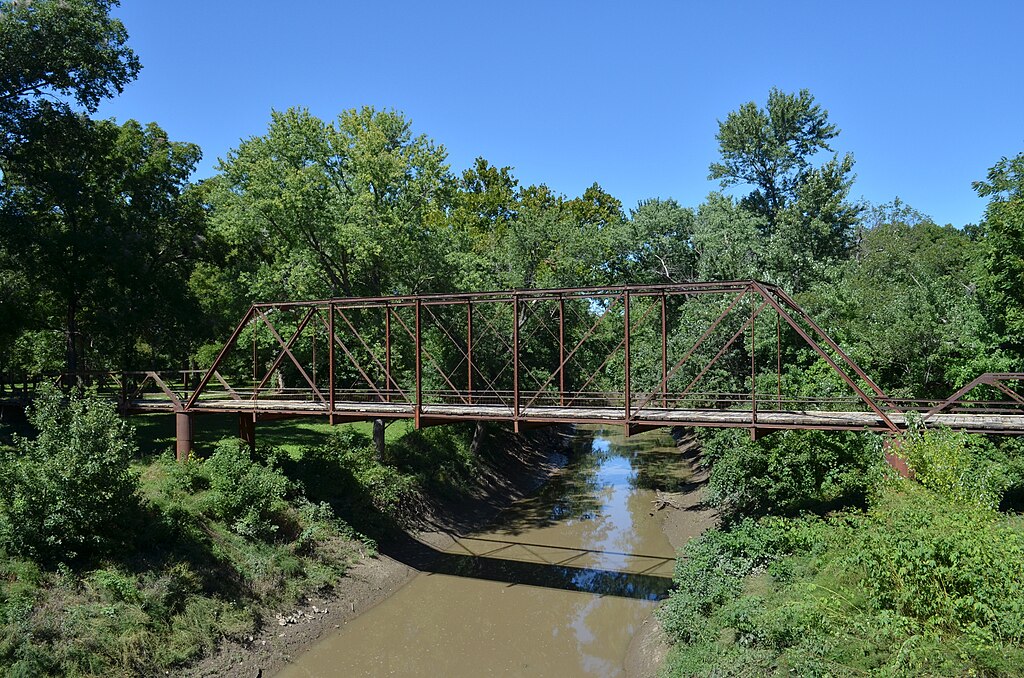
Marais des Cygnes River
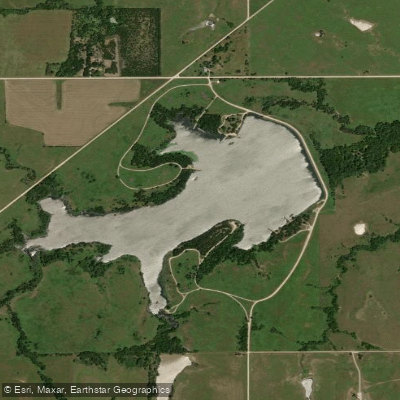
Lyon County State Lake

John Redmond Reservoir
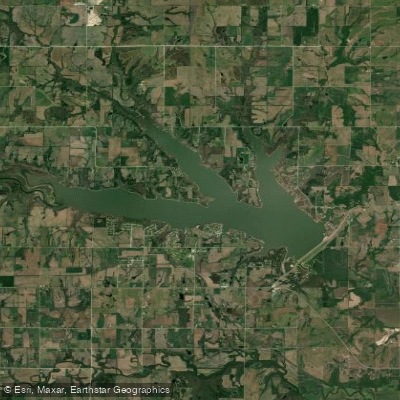
Pomona Lake
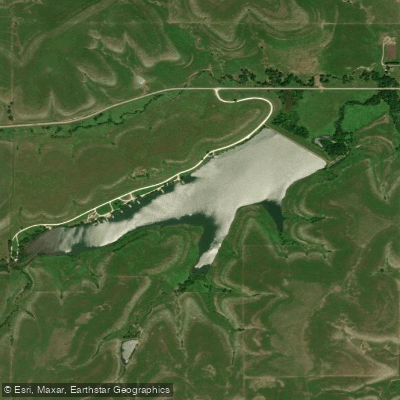
Chase County State Lake
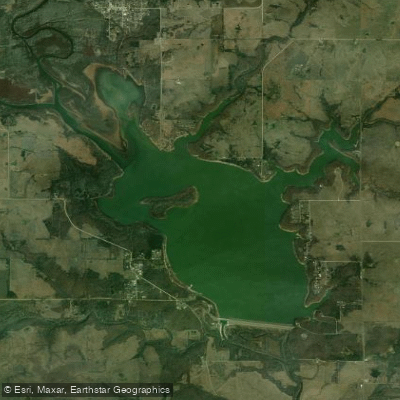
Toronto Lake
What to know
Habitat Distribution
- Native to northeastern Kansas rivers including the Kansas and Missouri Rivers, though they've been extensively stocked in reservoirs throughout the state.
Key Locations
- In Kansas waters, they inhabit 14 major reservoirs with John Redmond having the highest density, followed by Elk City, El Dorado, Perry, Tuttle Creek, Glen Elder, Lovewell, and Milford among others.
- Top Kansas waters include Tuttle Creek's upper end, Perry Reservoir, Milford Reservoir, and the Kansas River system.
Specific Spots
- They prefer deeper channel areas, mudflats with structure, and areas with 15-45 foot depths depending on season.
- Winter: 30-45 foot depths near outside channel bends with mud bottoms and structure like stumps and logs.
- Spring: 10-25 feet depths.
- Target channel drops, points crossing channels, and areas with 15-30 foot depths.
- In reservoirs, look for blues suspended around shad schools or relating to structure on otherwise featureless flats.
Blue Catfish FAQ
Answers from onWater's species guide.
What are the best lures and bait for Blue Catfish in Kansas?
Blue catfish prefer cut or live bait over traditional channel catfish baits - use fresh cut shad, skipjack herring, white bass, or live bait.
When is the best time to fish for Blue Catfish in Kansas?
Winter fishing (36-38°F water) produces the largest blues. Spring fishing (45-60°F) offers excellent action as fish move shallow and feed heavily before spawn. Fall provides great fishing as fish bulk up for winter. Avoid June through mid-July during spawning when fish don't feed.
How do you catch Blue Catfish in Kansas?
Fish mudflats with scattered structure, use sonar to locate fish and baitfish schools, then position baits precisely with GPS waypoints. Night fishing can be productive, but day fishing is equally effective. Target areas where cormorants are feeding in fall and winter for concentrated baitfish and catfish activity.
What do Blue Catfish eat?
Blue catfish are primarily piscivorous, feeding heavily on gizzard shad, white crappie, freshwater drum, and other fish, with larger individuals becoming almost exclusively fish-eaters.
Where do Blue Catfish live in Kansas?
Native to northeastern Kansas rivers including the Kansas and Missouri Rivers, though they've been extensively stocked in reservoirs throughout the state.
Fish smarter with real-time insights
Whether you're en route and conditions shift or you're looking for the best spot based on current flows, we enable you to make informed decisions on the fly.




See it in the app
Most maps show you water.
onWater shows you Blue Catfish.



- 01 · Species map filter
Map every Blue Catfish water
Pick Blue Catfish and the map zeroes in on the waters they call home. No more guessing which lake holds them.
- 02 · Waterbody species
Tap any water. See what lives there.
Species, behavior and seasonal patterns for every lake, river and pond, before you leave the driveway.
- 03 · Angler Intelligence
Ask how to catch Blue Catfish
Tactics, gear and timing from onWater's AI fishing guide, tuned to the species and the water you're on.
Stop guessing where Blue Catfish are.
Open the map, filter by Blue Catfish, and head to water that holds them. Download onWater and plan your next trip in minutes.
- Species map filter
- Angler Intelligence
- Fishing journal
Explore other species
Trout, bass, salmon, panfish and everything in between. Each guide unpacks the behavior, seasons, and tactics that put fish in the net.
No species information available.
Kansas licenses and regulations
Explore nearby waters
Explore Kansas waters
Top fishing waters
Popular Cities
Loading popular cities...

Smarter Fishing Starts in the App.
onWater Fish gives you everything you need to plan smarter, fish better, and own every trip from first cast to last.