Walleye

Walleye are non-native to Kansas but have become a highly sought-after game fish since being introduced in 1865. They're found in most federal reservoirs and some larger state and community lakes throughout Kansas.
- The state record weighs 13 pounds, 3 ounces.
- They have excellent low-light vision due to a reflective eye coating (tapetum lucidum) that gives them their characteristic cloudy, opaque appearance and allows them to hunt effectively at dawn, dusk, and night.
Fishing in Kansas
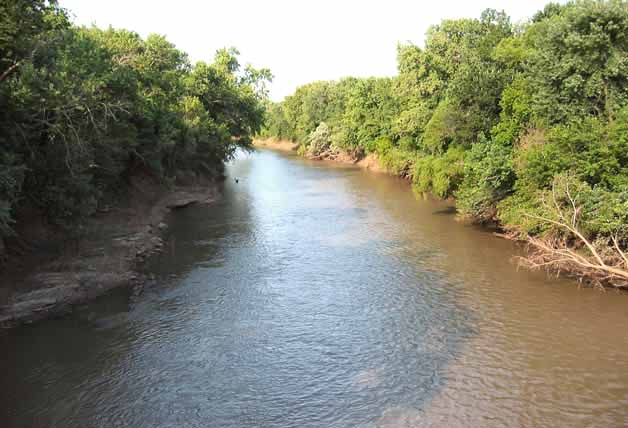
Neosho River
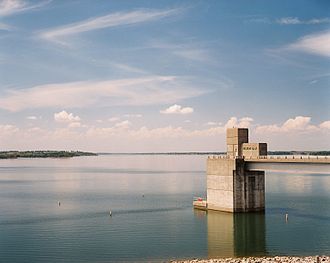
Melvern Lake
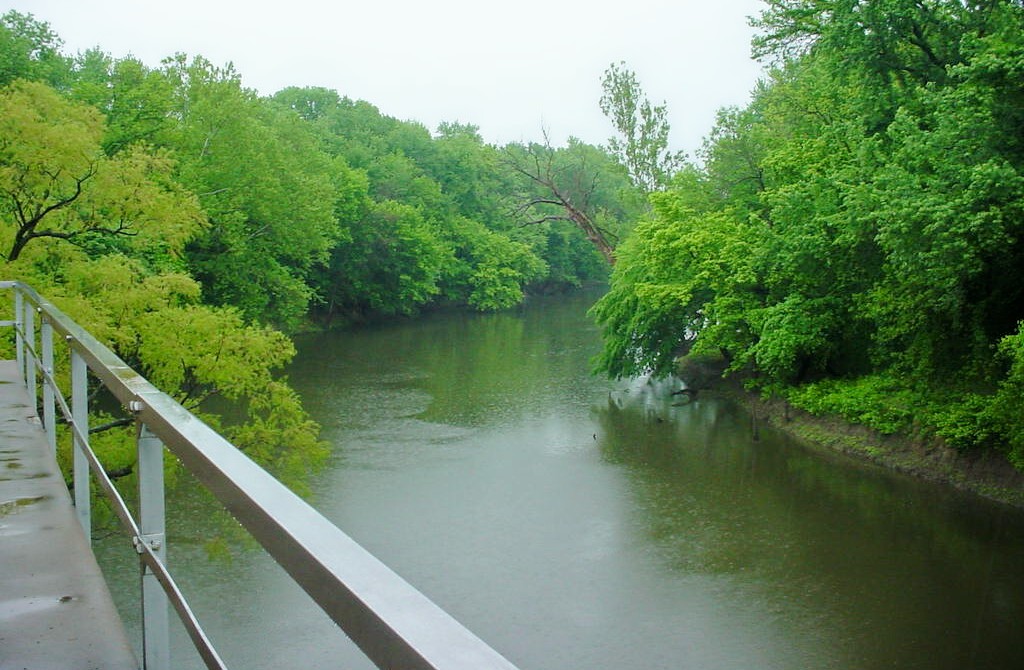
Verdigris River
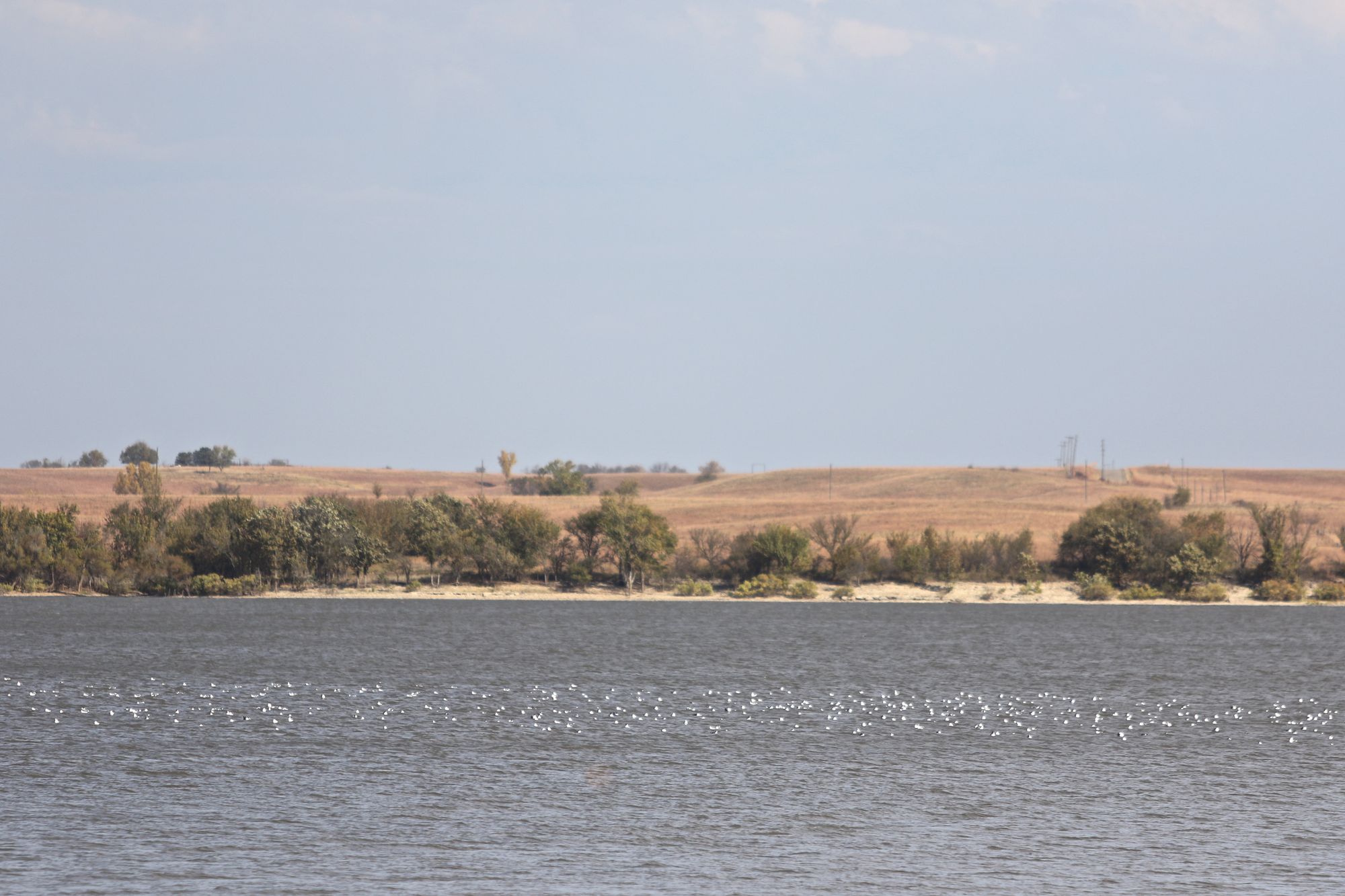
Council Grove Lake
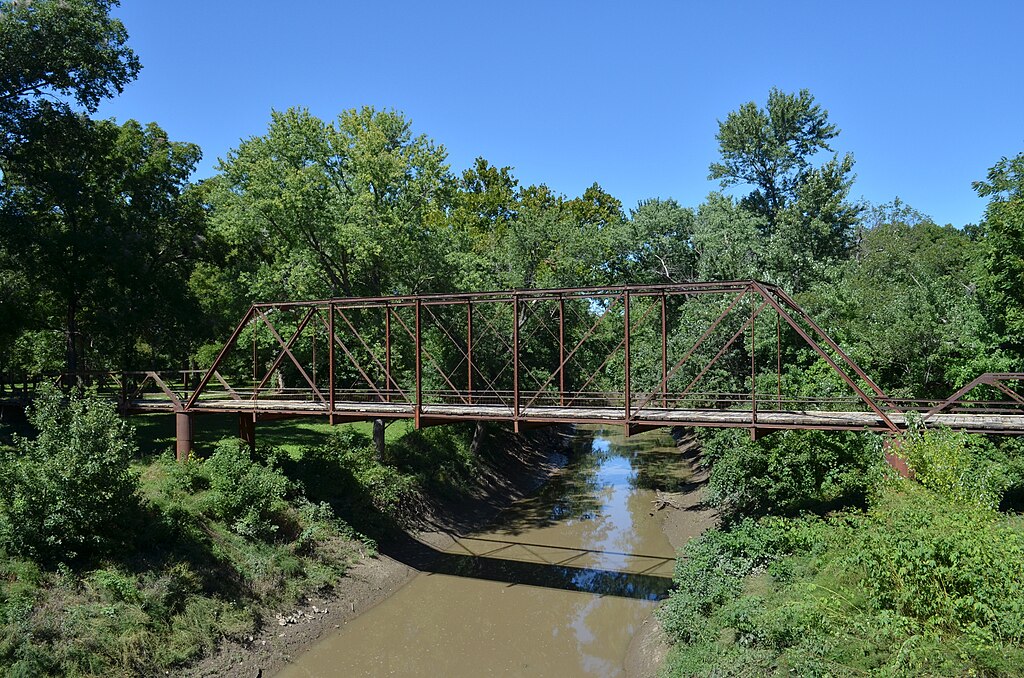
Marais des Cygnes River
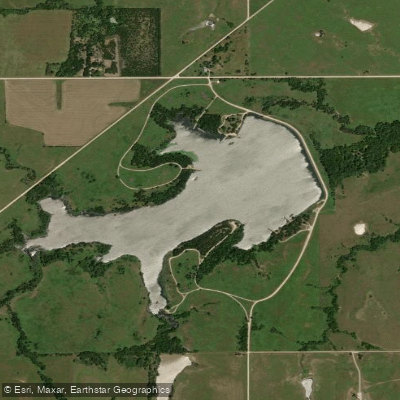
Lyon County State Lake

John Redmond Reservoir
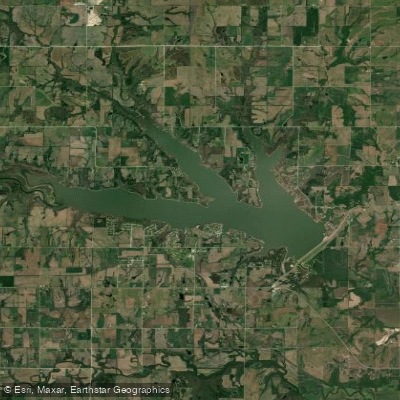
Pomona Lake
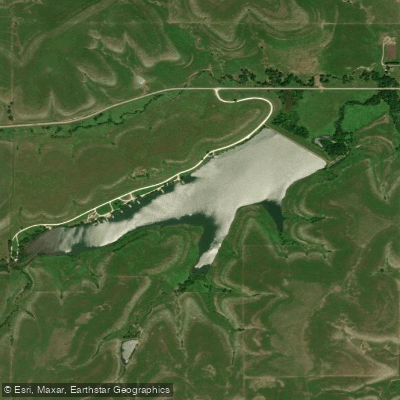
Chase County State Lake
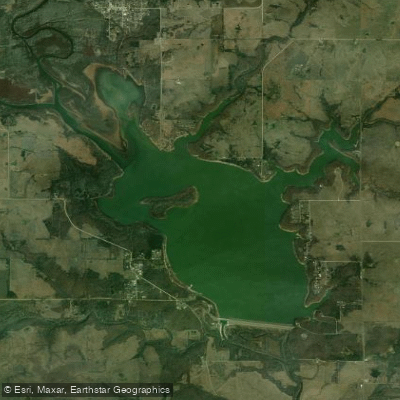
Toronto Lake
What to know
Habitat Distribution
- They're found in most federal reservoirs and some larger state and community lakes throughout Kansas.
Key Locations
- Top Kansas walleye waters include Marion, Kirwin, El Dorado, Webster, Cedar Bluff, Milford, Wilson, Glen Elder, and Hillsdale reservoirs, along with lakes like Winfield City Lake, Banner Creek Lake, and Horsethief Reservoir.
- Key Kansas locations include the causeway at Glen Elder, marina areas at El Dorado and Milford, and the dam faces at Cedar Bluff, Wilson, and Webster reservoirs.
Specific Spots
- Fish depths of 10-40 feet depending on season and structure.
- Target rocky points, submerged roadbeds, humps, weed edges, and areas where shallow feeding flats meet deeper water.
- Fish attractors and brush piles provide excellent structure.
Walleye FAQ
Answers from onWater's species guide.
What are the best lures and bait for Walleye in Kansas?
Essential lures include 1/8 to 1/4 ounce fireball-style jigs tipped with live minnows, leeches, or nightcrawlers. Effective artificials are 3-4 inch soft plastic minnows, swimbaits, jigging spoons, blade baits, and shad-imitating crankbaits in chartreuse, white, or natural colors.
When is the best time to fish for Walleye in Kansas?
Spring (post-spawn) and fall provide the best walleye fishing. In summer, focus on deeper structure (15-30 feet) during the day and move shallow at night. During spawning season (March-April), avoid targeting these fish to protect reproduction.
How do you catch Walleye in Kansas?
Productive techniques include vertical jigging over structure, casting jigs along drop-offs and points, trolling crankbaits and spinner rigs with bottom bouncers at 1-2 MPH, and using slip bobber rigs for precise depth control.
What do Walleye eat?
In Kansas waters, walleye are primarily piscivorous as adults, feeding heavily on gizzard shad, yellow perch, minnows, and freshwater drum. They also consume crayfish, leeches, frogs, and various aquatic insects like mayflies.
Where do Walleye live in Kansas?
They're found in most federal reservoirs and some larger state and community lakes throughout Kansas.
Fish smarter with real-time insights
Whether you're en route and conditions shift or you're looking for the best spot based on current flows, we enable you to make informed decisions on the fly.




See it in the app
Most maps show you water.
onWater shows you Walleye.



- 01 · Species map filter
Map every Walleye water
Pick Walleye and the map zeroes in on the waters they call home. No more guessing which lake holds them.
- 02 · Waterbody species
Tap any water. See what lives there.
Species, behavior and seasonal patterns for every lake, river and pond, before you leave the driveway.
- 03 · Angler Intelligence
Ask how to catch Walleye
Tactics, gear and timing from onWater's AI fishing guide, tuned to the species and the water you're on.
Stop guessing where Walleye are.
Open the map, filter by Walleye, and head to water that holds them. Download onWater and plan your next trip in minutes.
- Species map filter
- Angler Intelligence
- Fishing journal
Explore other species
Trout, bass, salmon, panfish and everything in between. Each guide unpacks the behavior, seasons, and tactics that put fish in the net.
No species information available.
Kansas licenses and regulations
Explore nearby waters
Explore Kansas waters
Top fishing waters
Popular Cities
Loading popular cities...

Smarter Fishing Starts in the App.
onWater Fish gives you everything you need to plan smarter, fish better, and own every trip from first cast to last.