Rock Bass

Rock Bass (Ambloplites rupestris), also known as 'Goggle Eyes' or 'Redeyes', are members of the sunfish family native to North America.
In Kansas, they inhabit clear, rocky streams and lakes, preferring areas with gravel or rocky bottoms and moderate vegetation.
Scientific Name: Ambloplites rupestris
Also known as Goggle Eyes, Redeyes
- These distinctive fish are easily identified by their bright red eyes, dark olive to brownish coloration with dark spots aligned in rows along their lateral line, and 5-7 spines on their anal fin.
- Rock Bass typically measure 6-10 inches in length and rarely exceed one pound, though the largest specimens can reach up to 3 pounds.
Fishing in Kansas
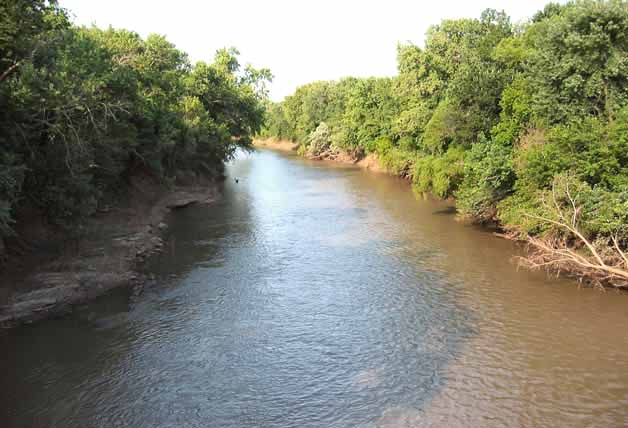
Neosho River
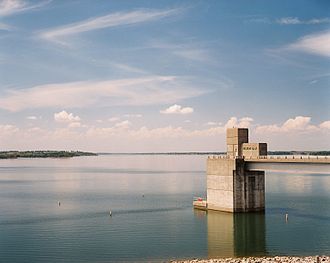
Melvern Lake
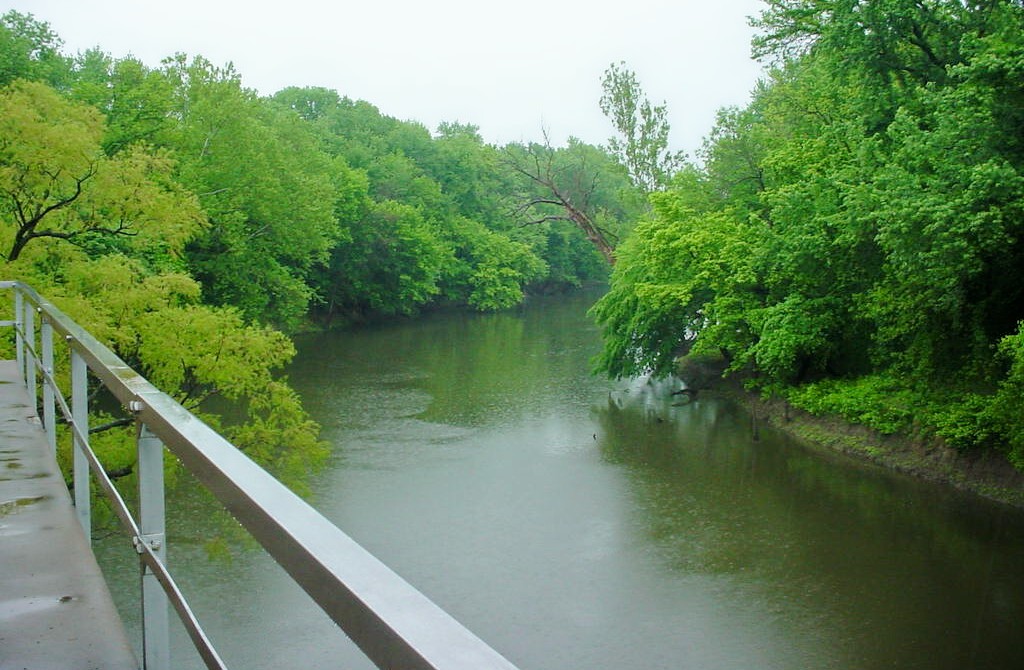
Verdigris River
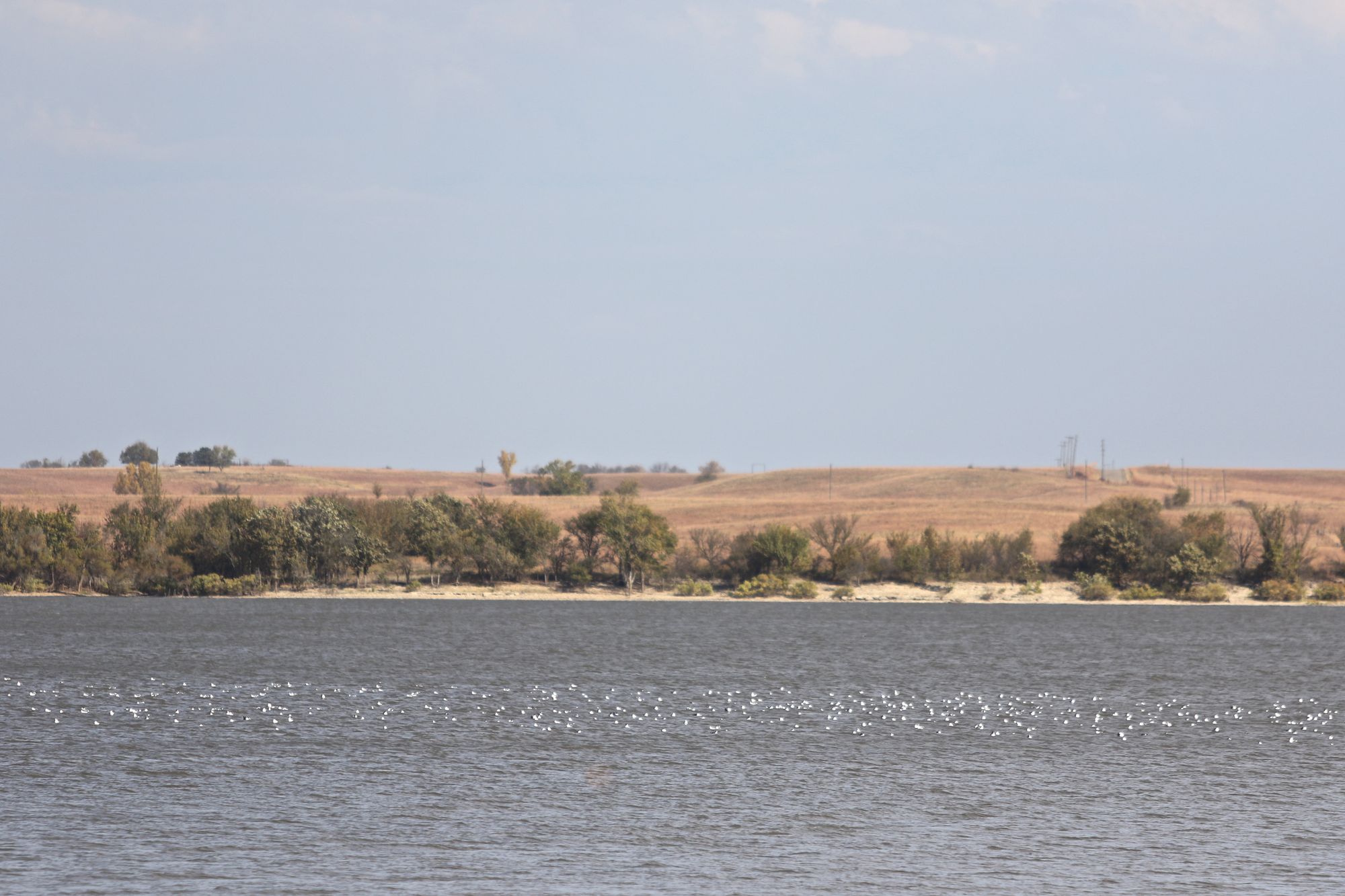
Council Grove Lake
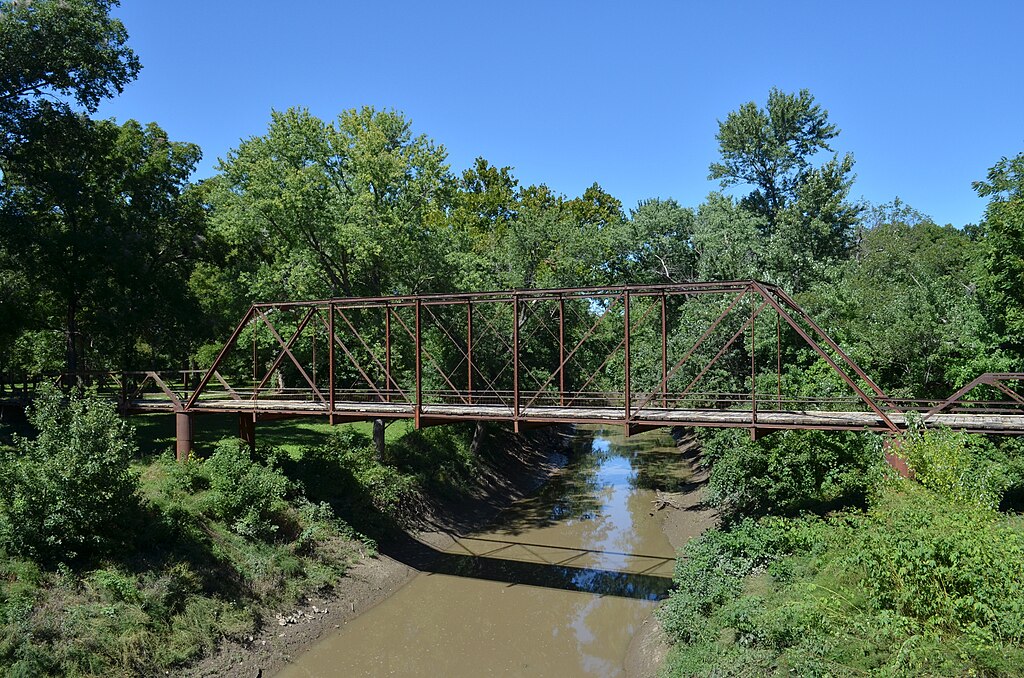
Marais des Cygnes River
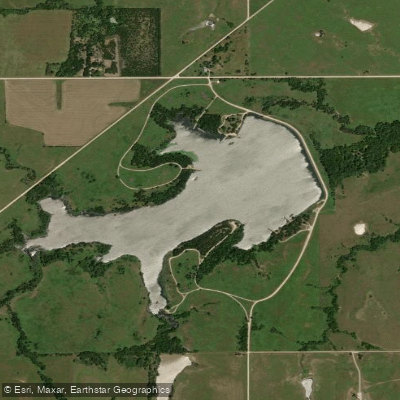
Lyon County State Lake

John Redmond Reservoir
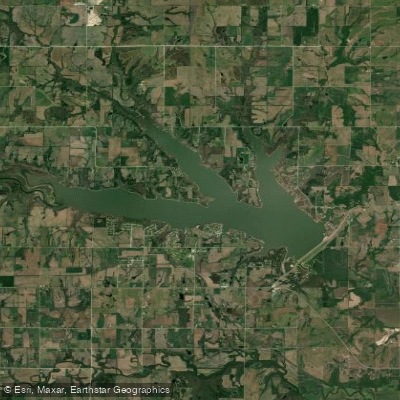
Pomona Lake
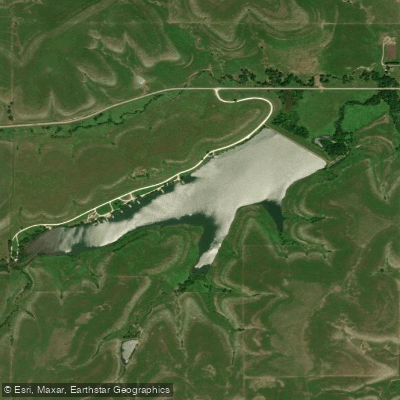
Chase County State Lake
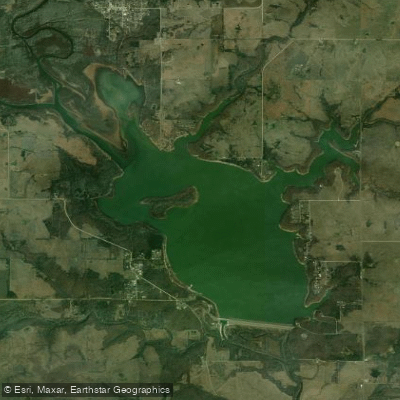
Toronto Lake
What to know
Habitat Distribution
- In Kansas, they inhabit clear, rocky streams and lakes, preferring areas with gravel or rocky bottoms and moderate vegetation.
Specific Spots
- Present baits and lures near rocky shorelines, around submerged rocks and boulders, along brush piles, and near emergent vegetation like American water willows.
- Focus on depths of 2-8 feet in most conditions, though they may move deeper during hot summer periods.
- Areas around docks, fallen trees, and rocky points.
- They prefer depths of 1-12 feet.
Rock Bass FAQ
Answers from onWater's species guide.
What are the best lures and bait for Rock Bass in Kansas?
Live baits: earthworms (most recommended and consistently productive), crayfish, small minnows, leeches, and grasshoppers. Artificial lures: small spinnerbaits like the Johnson Original Beetle Spin, small jigs (1/32 to 1/16 ounce) tipped with soft plastics, curly-tail grubs, small crankbaits, and topwater lures during...
When is the best time to fish for Rock Bass in Kansas?
Spring (March-May) and fall (September-November) when they're most active, avoiding spawning periods in late spring. Summer night fishing can be productive when water temperatures exceed 75°F. In winter, target deeper waters (8-12 feet) with slow presentations.
How do you catch Rock Bass in Kansas?
Slow, steady retrieve or gentle jigging action. Thoroughly work areas around cover. They respond well to slow presentations using small jigs or live bait in winter.
What do Rock Bass eat?
Rock Bass are omnivorous opportunistic feeders with a diet consisting of crayfish, insects, aquatic larvae, small fish (including their own species), and occasionally aquatic vegetation.
Where do Rock Bass live in Kansas?
In Kansas, they inhabit clear, rocky streams and lakes, preferring areas with gravel or rocky bottoms and moderate vegetation.
Fish smarter with real-time insights
Whether you're en route and conditions shift or you're looking for the best spot based on current flows, we enable you to make informed decisions on the fly.




See it in the app
Most maps show you water.
onWater shows you Rock Bass.



- 01 · Species map filter
Map every Rock Bass water
Pick Rock Bass and the map zeroes in on the waters they call home. No more guessing which lake holds them.
- 02 · Waterbody species
Tap any water. See what lives there.
Species, behavior and seasonal patterns for every lake, river and pond, before you leave the driveway.
- 03 · Angler Intelligence
Ask how to catch Rock Bass
Tactics, gear and timing from onWater's AI fishing guide, tuned to the species and the water you're on.
Stop guessing where Rock Bass are.
Open the map, filter by Rock Bass, and head to water that holds them. Download onWater and plan your next trip in minutes.
- Species map filter
- Angler Intelligence
- Fishing journal
Explore other species
Trout, bass, salmon, panfish and everything in between. Each guide unpacks the behavior, seasons, and tactics that put fish in the net.
No species information available.
Kansas licenses and regulations
Explore nearby waters
Explore Kansas waters
Top fishing waters
Popular Cities
Loading popular cities...

Smarter Fishing Starts in the App.
onWater Fish gives you everything you need to plan smarter, fish better, and own every trip from first cast to last.