Smallmouth Bass

Smallmouth bass in Kansas are hard-fighting sport fish native only to a few waters in the southeastern corner of the state, but have been successfully introduced to several larger reservoirs throughout Kansas.
Kansas smallmouth populations benefit from light fishing pressure and abundant forage, making the state one of the top smallmouth destinations.
Also known as bronze-backed fighters
- Bronze-backed fighters with their mouth extending to just below the eye, distinguishing them from largemouth bass.
- The Kansas state record is 6 pounds, 6 ounces.
Fishing in Kansas
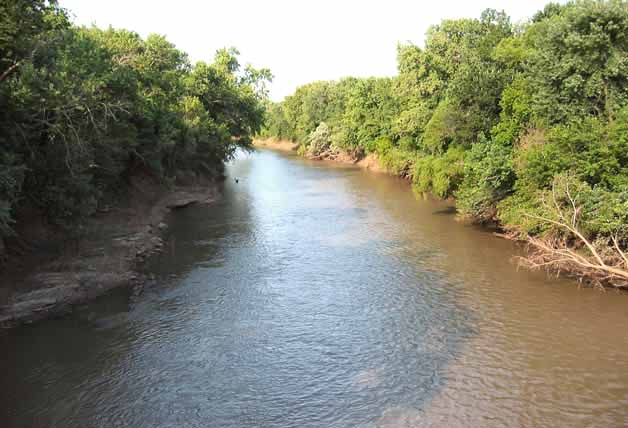
Neosho River
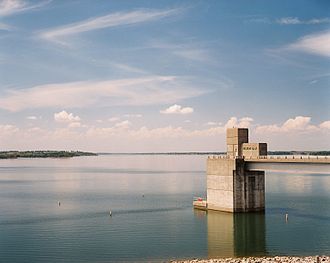
Melvern Lake
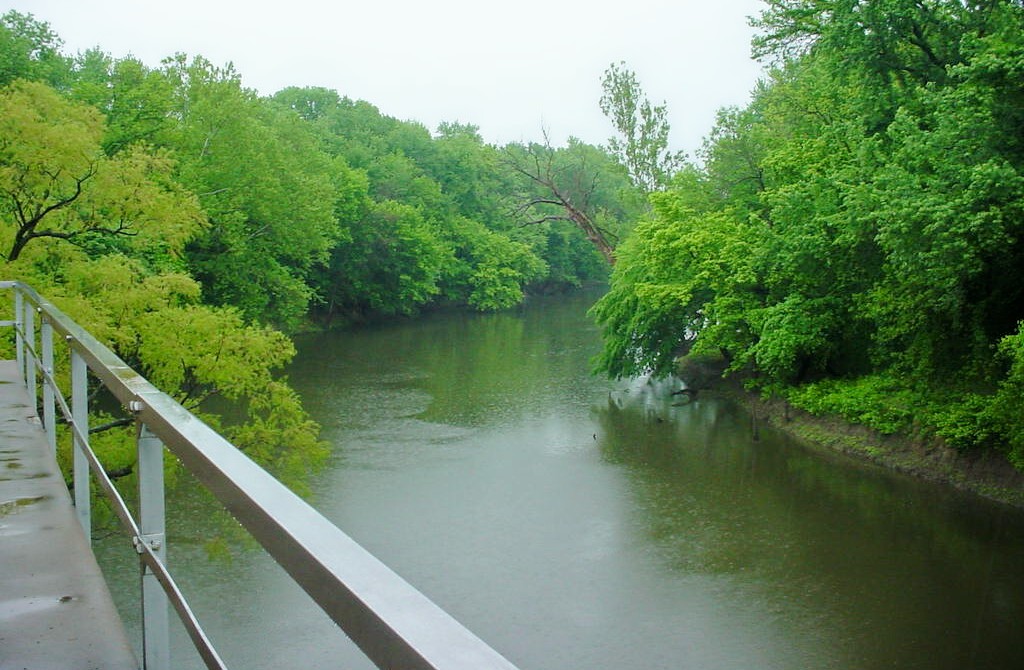
Verdigris River
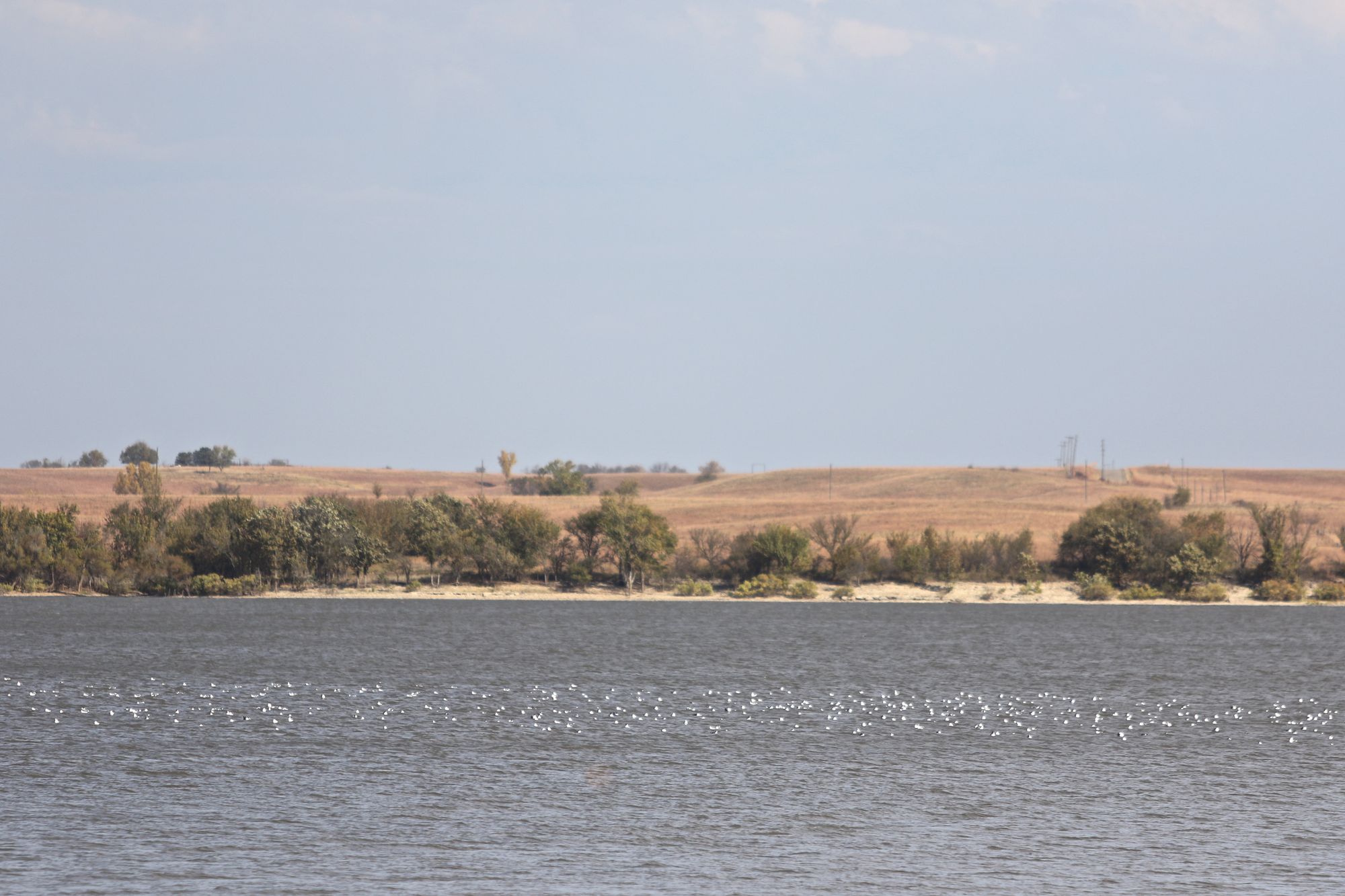
Council Grove Lake
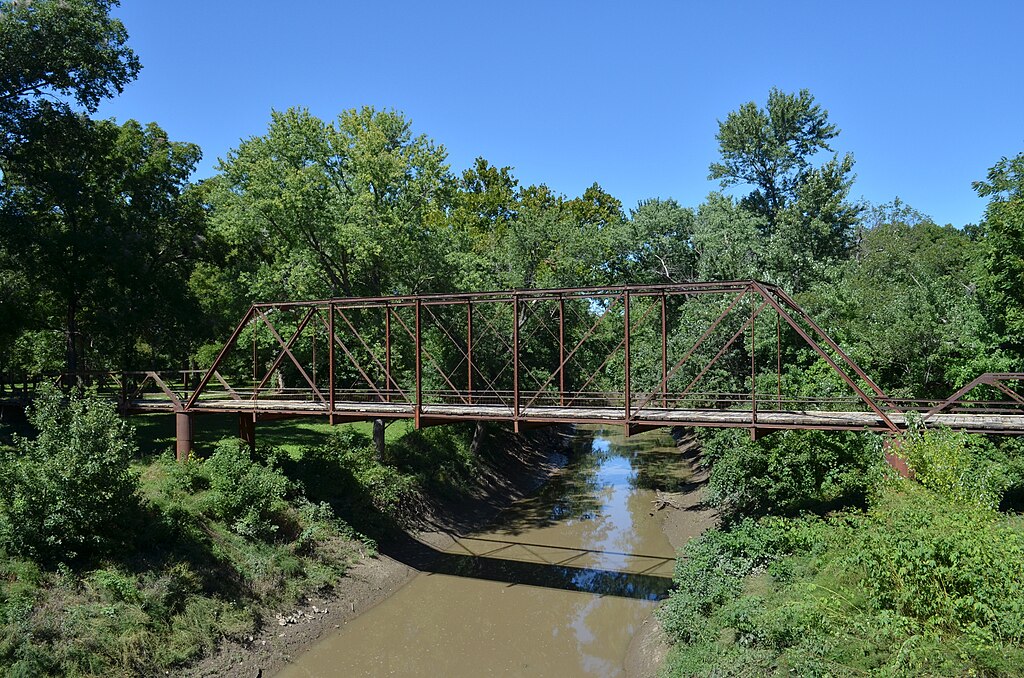
Marais des Cygnes River

Lyon County State Lake

John Redmond Reservoir
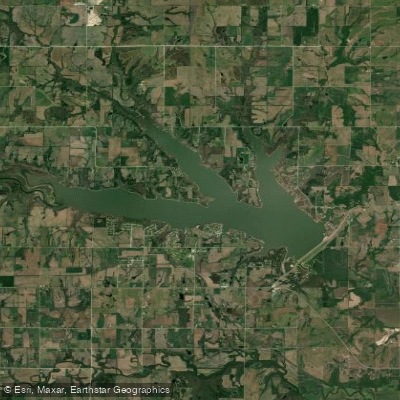
Pomona Lake
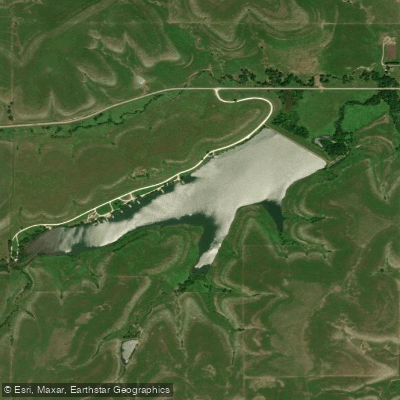
Chase County State Lake
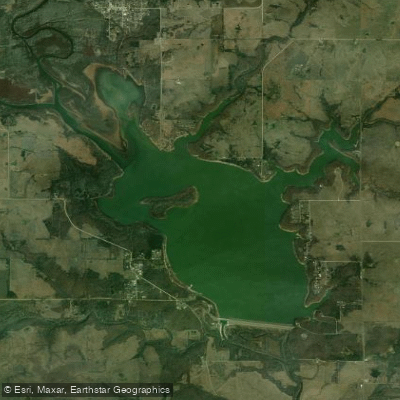
Toronto Lake
What to know
Habitat Distribution
- Native only to a few waters in the southeastern corner of the state, but have been successfully introduced to several larger reservoirs throughout Kansas.
Key Locations
- Wilson Reservoir (17.57 density rating), Melvern Reservoir (15.78 density), Glen Elder (7.37 density), Milford Lake (6.87 density), Clinton, Wolf Creek, Big Hill, and El Dorado reservoirs.
Specific Spots
- Target rocky points, drop-offs, transition areas between substrates, submerged structure, and areas with current in rivers.
- Prefer rocky structure.
Smallmouth Bass FAQ
Answers from onWater's species guide.
What are the best lures and bait for Smallmouth Bass in Kansas?
Dr.op shot rigs with straight-tail worms, paddletail swimbaits on 1/16-1/4 oz jigheads, treble hook topwater lures (poppers, walking baits, plops), Ned rigs with small plastics, and suspending jerkbaits in green pumpkin or natural colors.
What flies work for Smallmouth Bass in Kansas?
Clouser Minnows (the original smallmouth fly), poppers, Deceivers, hair bass bugs, and crayfish imitations.
When is the best time to fish for Smallmouth Bass in Kansas?
Spring through fall, with peak fishing occurring post-spawn when water temperatures reach 68-80°F. Smallmouth spawn in spring when water temperatures reach 55-70°F - this period should be avoided to protect reproduction. In summer, fish deeper structure during heat but target shallow water at dawn/dusk.
How do you catch Smallmouth Bass in Kansas?
Dr.op shot rigs with straight-tail worms (most versatile technique), paddletail swimbaits on 1/16-1/4 oz jigheads, treble hook topwater lures, Ned rigs with small plastics, and suspending jerkbaits.
What do Smallmouth Bass eat?
Aggressive predators feeding primarily on crayfish (which can comprise 60-90% of their diet), along with minnows, insects, and small fish. They're opportunistic feeders.
Fish smarter with real-time insights
Whether you're en route and conditions shift or you're looking for the best spot based on current flows, we enable you to make informed decisions on the fly.




See it in the app
Most maps show you water.
onWater shows you Smallmouth Bass.



- 01 · Species map filter
Map every Smallmouth Bass water
Pick Smallmouth Bass and the map zeroes in on the waters they call home. No more guessing which lake holds them.
- 02 · Waterbody species
Tap any water. See what lives there.
Species, behavior and seasonal patterns for every lake, river and pond, before you leave the driveway.
- 03 · Angler Intelligence
Ask how to catch Smallmouth Bass
Tactics, gear and timing from onWater's AI fishing guide, tuned to the species and the water you're on.
Stop guessing where Smallmouth Bass are.
Open the map, filter by Smallmouth Bass, and head to water that holds them. Download onWater and plan your next trip in minutes.
- Species map filter
- Angler Intelligence
- Fishing journal
Explore other species
Trout, bass, salmon, panfish and everything in between. Each guide unpacks the behavior, seasons, and tactics that put fish in the net.
No species information available.
Kansas licenses and regulations
Explore nearby waters
Explore Kansas waters
Top fishing waters
Popular Cities
Loading popular cities...

Smarter Fishing Starts in the App.
onWater Fish gives you everything you need to plan smarter, fish better, and own every trip from first cast to last.